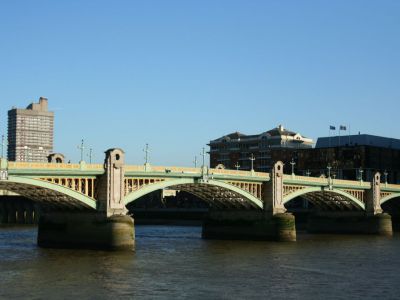


Southwark Bridge, London
The original Southwark Bridge, previously known as Queen Street Bridge and designed by John Rennie, reached completion in 1819. To promote a remarkable innovation, its official opening occurred at midnight, featuring the illumination of 30 gas lamps. This bridge, during its time, stood as the largest cast iron structure; however, it suffered from low utilization and lacked the capacity to support heavy goods vehicles, ultimately leading to its demolition.
In 1921, a new bridge designed by architect Sir Ernest George and engineer Basil Mott was inaugurated, albeit after substantial construction delays caused by the First World War. Distinct from London and Blackfriars Bridges, Southwark Bridge does not bear silver dragons to demarcate the city boundary on the southern bank of the Thames, as its financing was privately arranged.
The bridge comprises cast iron arches complemented by grey granite abutments and balustrades. It is painted in green and yellow hues and features sentry-box-like structures atop the turreted pier headings. Beneath it, on the southern landing, remnants of old steps remain, once serving as a landing dock for Thames watermen to moor their boats and await customers. In an era when there were fewer bridges spanning the Thames, these watermen provided the primary means of river transportation.
On the north bank of Southwark Bridge, there is a pedestrian tunnel adorned with a wall mural depicting scenes of Thames frost fairs. During various winters between the 17th and early 19th centuries, a period known as 'the Little Ice Age', the Thames froze over, allowing Londoners to host festivals with food stalls, shops, sporting events, and even temporary pubs on the frozen river's surface. The tightly spaced piers of London Bridge disrupted the river's flow, contributing to the freezing phenomenon during these extraordinary events.
In 1921, a new bridge designed by architect Sir Ernest George and engineer Basil Mott was inaugurated, albeit after substantial construction delays caused by the First World War. Distinct from London and Blackfriars Bridges, Southwark Bridge does not bear silver dragons to demarcate the city boundary on the southern bank of the Thames, as its financing was privately arranged.
The bridge comprises cast iron arches complemented by grey granite abutments and balustrades. It is painted in green and yellow hues and features sentry-box-like structures atop the turreted pier headings. Beneath it, on the southern landing, remnants of old steps remain, once serving as a landing dock for Thames watermen to moor their boats and await customers. In an era when there were fewer bridges spanning the Thames, these watermen provided the primary means of river transportation.
On the north bank of Southwark Bridge, there is a pedestrian tunnel adorned with a wall mural depicting scenes of Thames frost fairs. During various winters between the 17th and early 19th centuries, a period known as 'the Little Ice Age', the Thames froze over, allowing Londoners to host festivals with food stalls, shops, sporting events, and even temporary pubs on the frozen river's surface. The tightly spaced piers of London Bridge disrupted the river's flow, contributing to the freezing phenomenon during these extraordinary events.
Want to visit this sight? Check out these Self-Guided Walking Tours in London. Alternatively, you can download the mobile app "GPSmyCity: Walks in 1K+ Cities" from Apple App Store or Google Play Store. The app turns your mobile device to a personal tour guide and it works offline, so no data plan is needed when traveling abroad.
Download The GPSmyCity App



Southwark Bridge on Map
Sight Name: Southwark Bridge
Sight Location: London, England (See walking tours in London)
Sight Type: Attraction/Landmark
Guide(s) Containing This Sight:
Sight Location: London, England (See walking tours in London)
Sight Type: Attraction/Landmark
Guide(s) Containing This Sight:
Nearby Sights
Walking Tours in London, England

Create Your Own Walk in London
Creating your own self-guided walk in London is easy and fun. Choose the city attractions that you want to see and a walk route map will be created just for you. You can even set your hotel as the start point of the walk.
London Introduction Walking Tour
London: the capital of England, heart of the UK, and international heavyweight in history, culture, and sheer charm. Its name comes straight out of Rome. Londinium was founded circa 43 AD as a trading post. Then came Queen Boudica in 61 AD, who, let’s say, didn’t care much for Roman urban planning and burnt it to the ground. But Londinium wasn’t one to stay down-it bounced back, flourished,... view more
Tour Duration: 2 Hours
Travel Distance: 4.2 Km or 2.6 Miles
Tour Duration: 2 Hours
Travel Distance: 4.2 Km or 2.6 Miles
City of London Walking Tour
The City of London, often referred to simply as the City (with the capital C), is the historic and financial core of the British capital. Despite being just over one square mile in area (for which reason it is also lovingly dubbed the Square Mile), it holds immense importance as the original site of Londinium, the Roman settlement founded circa 43 AD. Over the centuries, this small patch of land... view more
Tour Duration: 3 Hours
Travel Distance: 4.6 Km or 2.9 Miles
Tour Duration: 3 Hours
Travel Distance: 4.6 Km or 2.9 Miles
Sherlock Holmes Tour in London
Among a myriad of other, real-life celebrities who have ever called London their home, perhaps the most famous is the fictional consulting detective, Sherlock Holmes, created by Conan Doyle. Indeed, the ingenious sleuth has left an indelible mark on the literary and cultural landscape of London ever since the appearance of the first stories about him in the late 1880s. Years on, there are several... view more
Tour Duration: 1 Hour
Travel Distance: 2.3 Km or 1.4 Miles
Tour Duration: 1 Hour
Travel Distance: 2.3 Km or 1.4 Miles
Charles Dickens Tour
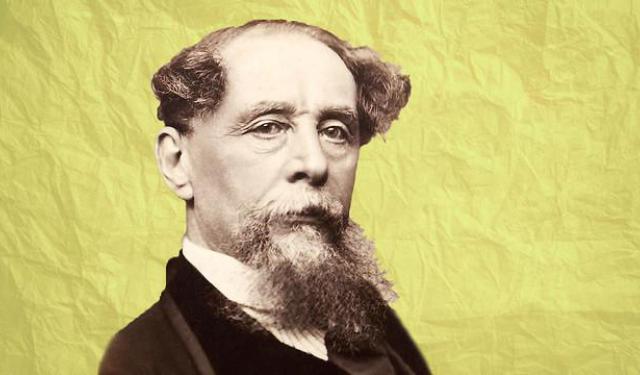
Imagine a world without Dickens. No Oliver Twist, no Ebenezer Scrooge, no brooding orphans wandering foggy streets with suspiciously eloquent vocabularies. Tough to picture, right? That’s because Charles Dickens didn’t just leave a mark on literature-he practically steamrolled through it in a horse-drawn carriage. Recognized as the undisputed heavyweight of Victorian storytelling, he pioneered... view more
Tour Duration: 3 Hours
Travel Distance: 4.5 Km or 2.8 Miles
Tour Duration: 3 Hours
Travel Distance: 4.5 Km or 2.8 Miles
Beatles London Walking Tour
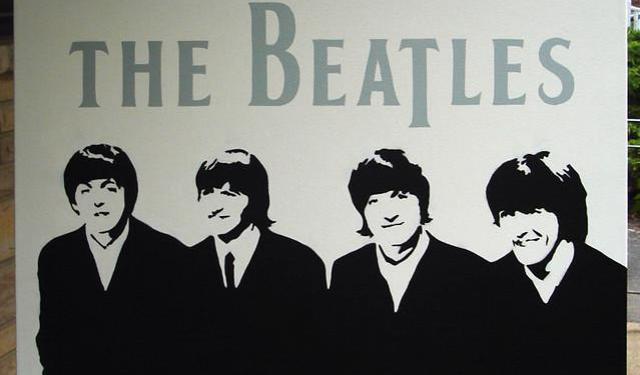
The Beatles, often hailed as one of the most influential bands in music history, began their journey in Liverpool in 1960, but it was in London that they truly became global icons. While Liverpool gave them their start, the British capital became their professional playground during the peak of Beatlemania. From recording sessions and business deals to public performances and personal milestones,... view more
Tour Duration: 3 Hours
Travel Distance: 4.8 Km or 3 Miles
Tour Duration: 3 Hours
Travel Distance: 4.8 Km or 3 Miles
Jack the Ripper Walking Tour
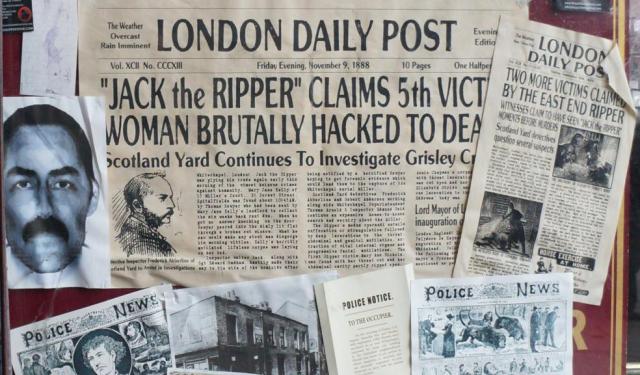
Jack the Ripper, an unidentified serial killer who terrorized the British capital in 1888, became notorious for the series of brutal and gruesome murders that he carried out in the East End of London. The primary setting for the Jack the Ripper attacks was Whitechapel, at the time a poverty-stricken and crime-ridden district, known for its dark alleys and narrow streets.
The name "Jack the... view more
Tour Duration: 2 Hours
Travel Distance: 4 Km or 2.5 Miles
The name "Jack the... view more
Tour Duration: 2 Hours
Travel Distance: 4 Km or 2.5 Miles
Useful Travel Guides for Planning Your Trip
London Souvenirs: 18 Distinctively British Products for Travelers
Most visitors to London consider shopping as part of their must-do London experience. From street markets to Victorian arcades to snobbish Sloane Square to busy Oxford Street, there are a host of shops selling items which typically represent this vibrant city. Whether you are shopping for souvenirs...
City Walks Overview
