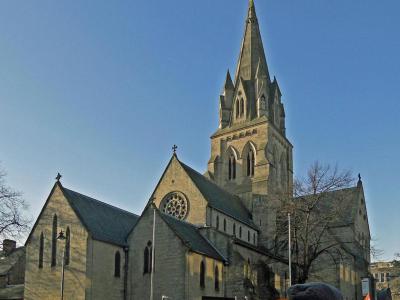


St. Barnabas Cathedral, Nottingham
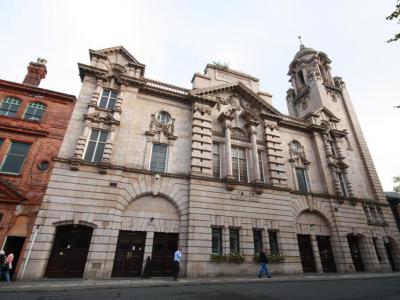
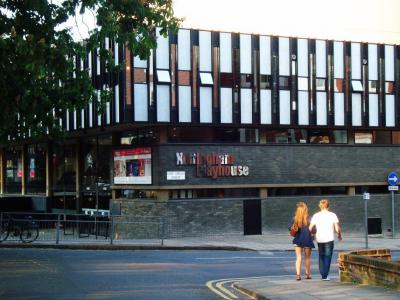
The Cathedral Church of Saint Barnabas stands as a striking Gothic Revival landmark in the heart of Nottingham, serving as the mother church of the Roman Catholic Diocese of Nottingham and the seat of the Bishop of Nottingham. Situated on the corner of Derby Road and North Circus Street-across from the Albert Hall and the Nottingham Playhouse-the cathedral is a Grade II* listed building steeped in spiritual and architectural history.
Built between 1841 and 1844, it was consecrated shortly after the 1829 Catholic Relief Act eased restrictions on Catholic worship in the UK. The building was designed by Augustus Welby Northmore Pugin, the renowned Gothic Revival architect also responsible for the interiors of the Houses of Parliament. Pugin’s vision combined austere Early English Gothic architecture with richly decorated chapels, particularly the Blessed Sacrament Chapel.
Upon its completion, it was the largest Catholic church built in England since the Reformation. In 1852, it was elevated to cathedral status following Pope Pius IX’s re-establishment of the Catholic hierarchy in England and Wales. Relics of Saint Barnabas were brought from Rome to be placed on the high altar, lending the cathedral additional historical and devotional weight.
The interior once featured Pugin’s original decorative scheme, most of which was removed or painted over during post–second Vatican Council renovations. However, the Blessed Sacrament Chapel retains elements of its original ornate design, and restoration efforts are ongoing-including a 2022 initiative supported by the National Lottery Heritage Fund to uncover and revive Pugin’s lost designs, particularly in the Lady Chapel.
Another notable feature is the tomb of Venerable Mary Potter, founder of the Little Company of Mary, designed by Smith & Roper. The cathedral also supports the parish of Saint Augustine on Woodborough Road.
Today, Saint Barnabas is a lively parish community and a cultural hub, home to multiple choirs including the Cathedral Choir and Schola Cantorum. It welcomes thousands annually for worship, architectural tours, and music, continuing a legacy nearly two centuries in the making.
Built between 1841 and 1844, it was consecrated shortly after the 1829 Catholic Relief Act eased restrictions on Catholic worship in the UK. The building was designed by Augustus Welby Northmore Pugin, the renowned Gothic Revival architect also responsible for the interiors of the Houses of Parliament. Pugin’s vision combined austere Early English Gothic architecture with richly decorated chapels, particularly the Blessed Sacrament Chapel.
Upon its completion, it was the largest Catholic church built in England since the Reformation. In 1852, it was elevated to cathedral status following Pope Pius IX’s re-establishment of the Catholic hierarchy in England and Wales. Relics of Saint Barnabas were brought from Rome to be placed on the high altar, lending the cathedral additional historical and devotional weight.
The interior once featured Pugin’s original decorative scheme, most of which was removed or painted over during post–second Vatican Council renovations. However, the Blessed Sacrament Chapel retains elements of its original ornate design, and restoration efforts are ongoing-including a 2022 initiative supported by the National Lottery Heritage Fund to uncover and revive Pugin’s lost designs, particularly in the Lady Chapel.
Another notable feature is the tomb of Venerable Mary Potter, founder of the Little Company of Mary, designed by Smith & Roper. The cathedral also supports the parish of Saint Augustine on Woodborough Road.
Today, Saint Barnabas is a lively parish community and a cultural hub, home to multiple choirs including the Cathedral Choir and Schola Cantorum. It welcomes thousands annually for worship, architectural tours, and music, continuing a legacy nearly two centuries in the making.
Want to visit this sight? Check out these Self-Guided Walking Tours in Nottingham. Alternatively, you can download the mobile app "GPSmyCity: Walks in 1K+ Cities" from Apple App Store or Google Play Store. The app turns your mobile device to a personal tour guide and it works offline, so no data plan is needed when traveling abroad.
Download The GPSmyCity App



St. Barnabas Cathedral on Map
Sight Name: St. Barnabas Cathedral
Sight Location: Nottingham, England (See walking tours in Nottingham)
Sight Type: Religious
Sight Location: Nottingham, England (See walking tours in Nottingham)
Sight Type: Religious
Nearby Sights
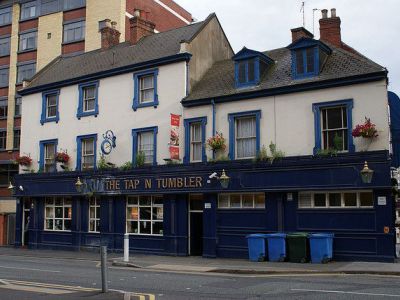
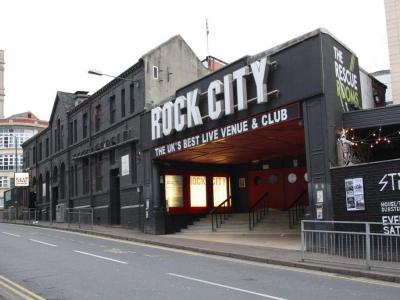
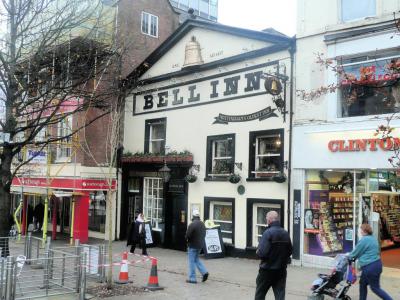

Walking Tours in Nottingham, England

Create Your Own Walk in Nottingham
Creating your own self-guided walk in Nottingham is easy and fun. Choose the city attractions that you want to see and a walk route map will be created just for you. You can even set your hotel as the start point of the walk.
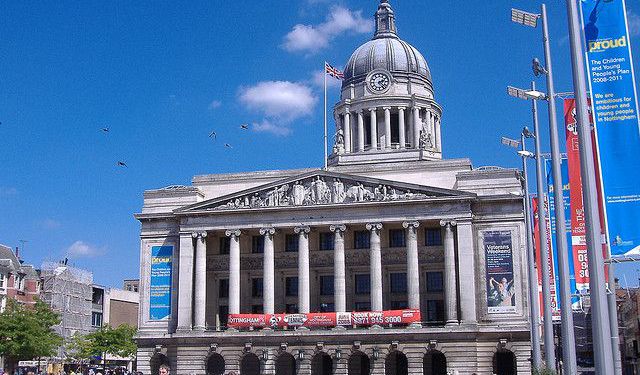
Nottingham's Historical Buildings Tour
Given the variety of architectural styles and designs in Nottingham, England, it is safe to call it the city of contrasts. The tapestry of historical buildings found here, each weaving a unique story of the city's past, is quite rich and worthy of attention.
Among these architectural treasures is the Bell Inn, a charming establishment steeped in history and character. Its traditional... view more
Tour Duration: 2 Hour(s)
Travel Distance: 3.9 Km or 2.4 Miles
Among these architectural treasures is the Bell Inn, a charming establishment steeped in history and character. Its traditional... view more
Tour Duration: 2 Hour(s)
Travel Distance: 3.9 Km or 2.4 Miles
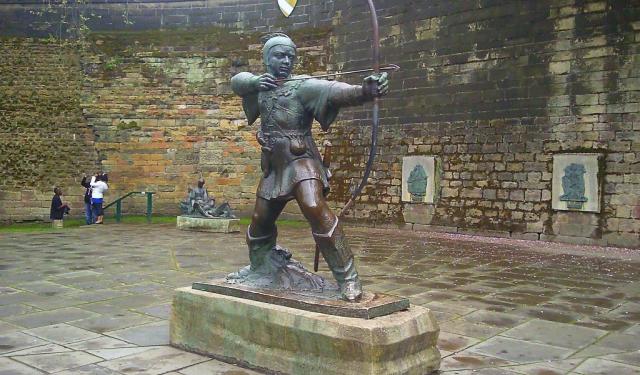
Robin Hood Trail
There's hardly anyone on this planet who hasn't heard of Robin Hood. Apparently, a Saxon nobleman born in 1160 in Loxley, this hero of numerous ballads, some dating back as far as the 14th century, earned fame by robbing from the rich and giving it back to the poor. A skilled archer and sword fighter as he was, Robin Hood famously defended villagers from attacks by corrupt noblemen,... view more
Tour Duration: 1 Hour(s)
Travel Distance: 1.5 Km or 0.9 Miles
Tour Duration: 1 Hour(s)
Travel Distance: 1.5 Km or 0.9 Miles

Nottingham's Historic City Center Walking Tour
Nottingham was known only as "The Place of Caves" in 600 AD. A Saxon chief named Snot ruled "Snotingaham", or, "the home of Snot's people." It was part of Danelaw in the 7th century, administered from a stone Hall on High Pavement, the first street of Nottingham.
In 1068 Norman invaders built a wooden motte-and-bailey fortress on a high sandstone promontory.... view more
Tour Duration: 2 Hour(s)
Travel Distance: 2.5 Km or 1.6 Miles
In 1068 Norman invaders built a wooden motte-and-bailey fortress on a high sandstone promontory.... view more
Tour Duration: 2 Hour(s)
Travel Distance: 2.5 Km or 1.6 Miles