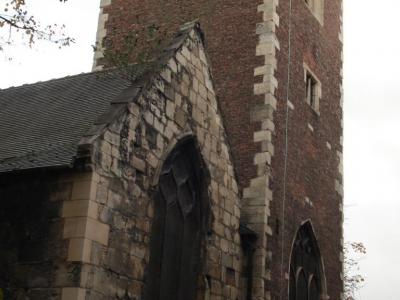


St. Martin-cum-Gregory Church, York
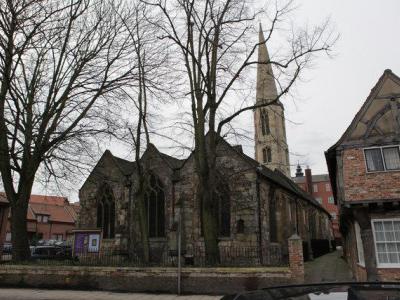
Saint Martin-cum-Gregory Church in York is a historical edifice, originally dating back to the 11th century, and is designated as a Grade I listed building. This former parish church of the Church of England is renowned for its architectural evolution through several centuries.
Initially dedicated solely to Saint Martin, the church was renamed Saint Martin-cum-Gregory after merging with Saint Gregory's Church in 1585, expanding its ecclesiastical and communal significance. Architectural developments across different periods have left a distinct mark on its structure. The north and south arcades from the 13th century and the north aisle from the mid-14th century showcase early medieval craftsmanship. By around 1430, significant reconstructions were undertaken with the chancel, chapels, and arcades being rebuilt, indicating a robust Gothic architectural style.
Further additions include a north porch in 1655 and a refacing of the west tower with brick in 1677, with a clock being installed in 1680. The 19th century saw further transformations with the upper stages of the tower rebuilt between 1844 and 1845 by J.B. and W. Atkinson of York. In 1875, a major restoration cleared the interior, removed old square pews, and introduced new seating and heating systems, enhancing both its aesthetic and functional elements.
The parish merged with Holy Trinity Church, Micklegate, in 1953, reflecting the evolving community dynamics and church needs. After being made redundant by the Church of England, Saint Martin-cum-Gregory found new life serving the community first as a public hall and, since 2008, as a center for stained glass, continuing its legacy as a cornerstone of cultural and historical preservation in York.
Initially dedicated solely to Saint Martin, the church was renamed Saint Martin-cum-Gregory after merging with Saint Gregory's Church in 1585, expanding its ecclesiastical and communal significance. Architectural developments across different periods have left a distinct mark on its structure. The north and south arcades from the 13th century and the north aisle from the mid-14th century showcase early medieval craftsmanship. By around 1430, significant reconstructions were undertaken with the chancel, chapels, and arcades being rebuilt, indicating a robust Gothic architectural style.
Further additions include a north porch in 1655 and a refacing of the west tower with brick in 1677, with a clock being installed in 1680. The 19th century saw further transformations with the upper stages of the tower rebuilt between 1844 and 1845 by J.B. and W. Atkinson of York. In 1875, a major restoration cleared the interior, removed old square pews, and introduced new seating and heating systems, enhancing both its aesthetic and functional elements.
The parish merged with Holy Trinity Church, Micklegate, in 1953, reflecting the evolving community dynamics and church needs. After being made redundant by the Church of England, Saint Martin-cum-Gregory found new life serving the community first as a public hall and, since 2008, as a center for stained glass, continuing its legacy as a cornerstone of cultural and historical preservation in York.
Want to visit this sight? Check out these Self-Guided Walking Tours in York. Alternatively, you can download the mobile app "GPSmyCity: Walks in 1K+ Cities" from Apple App Store or Google Play Store. The app turns your mobile device to a personal tour guide and it works offline, so no data plan is needed when traveling abroad.
Download The GPSmyCity App



St. Martin-cum-Gregory Church on Map
Sight Name: St. Martin-cum-Gregory Church
Sight Location: York, England (See walking tours in York)
Sight Type: Religious
Sight Location: York, England (See walking tours in York)
Sight Type: Religious
Nearby Sights

Walking Tours in York, England

Create Your Own Walk in York
Creating your own self-guided walk in York is easy and fun. Choose the city attractions that you want to see and a walk route map will be created just for you. You can even set your hotel as the start point of the walk.
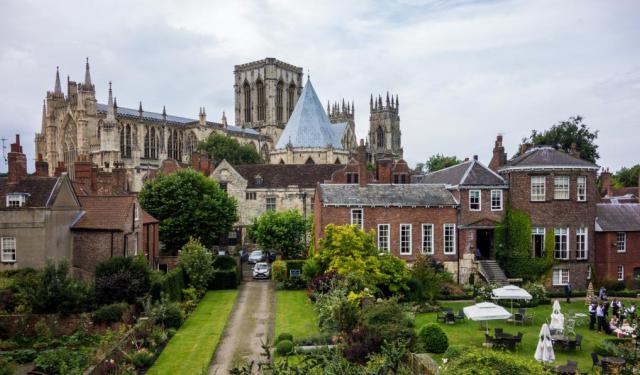
Walking Through York's Historical Old Town
King George VI famously said, “The history of York is the history of England.”
York’s Old Town is a remarkably well-preserved historic centre where more than 2,000 years of history unfold through its streets, buildings and ancient walls. Despite its relatively small size, the Old Town is packed with rich heritage, attracting visitors from around the world.
The story begins in AD 71,... view more
Tour Duration: 1 Hour(s)
Travel Distance: 1.3 Km or 0.8 Miles
York’s Old Town is a remarkably well-preserved historic centre where more than 2,000 years of history unfold through its streets, buildings and ancient walls. Despite its relatively small size, the Old Town is packed with rich heritage, attracting visitors from around the world.
The story begins in AD 71,... view more
Tour Duration: 1 Hour(s)
Travel Distance: 1.3 Km or 0.8 Miles
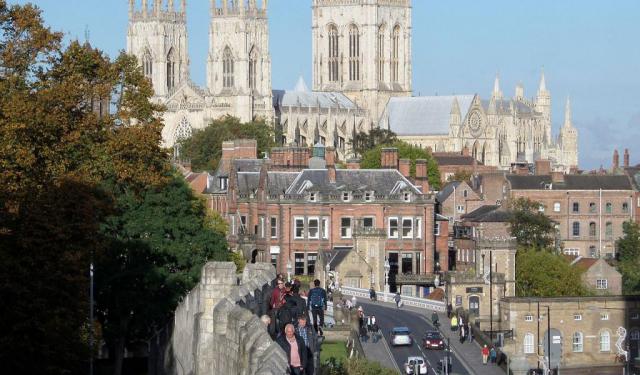
Discovering York's Top Attractions on Foot
After visiting York in the early 18th century, English writer Daniel Defoe called it “a pleasant and beautiful city.”
York is one of England’s most historically layered cities: a vibrant city with Roman roots and a Viking past that has played a central role throughout much of England’s history.
York’s story stretches back thousands of years, but its importance as a city began with... view more
Tour Duration: 2 Hour(s)
Travel Distance: 2.6 Km or 1.6 Miles
York is one of England’s most historically layered cities: a vibrant city with Roman roots and a Viking past that has played a central role throughout much of England’s history.
York’s story stretches back thousands of years, but its importance as a city began with... view more
Tour Duration: 2 Hour(s)
Travel Distance: 2.6 Km or 1.6 Miles
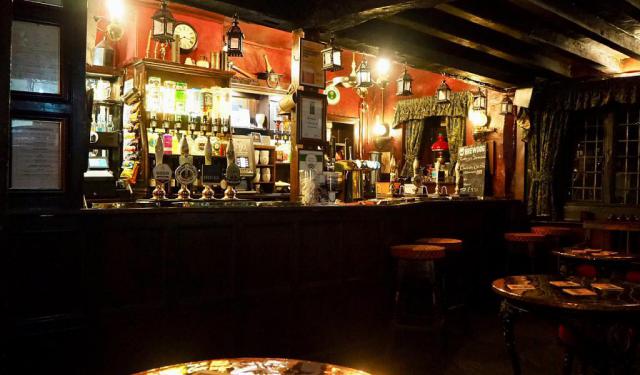
York's Historical Pubs Tour
Yorkshire is a haven for real ale enthusiasts and York does live up to this reputation. Many of local pubs are as old as churches, having served their clients for centuries.
There's a plethora of historic pubs in the heart of York, offering an array of quality cask ales alongside a menu of hearty British food, served in a cozy, traditional atmosphere. Low ceilings, wonky floors and open... view more
Tour Duration: 1 Hour(s)
Travel Distance: 1.3 Km or 0.8 Miles
There's a plethora of historic pubs in the heart of York, offering an array of quality cask ales alongside a menu of hearty British food, served in a cozy, traditional atmosphere. Low ceilings, wonky floors and open... view more
Tour Duration: 1 Hour(s)
Travel Distance: 1.3 Km or 0.8 Miles
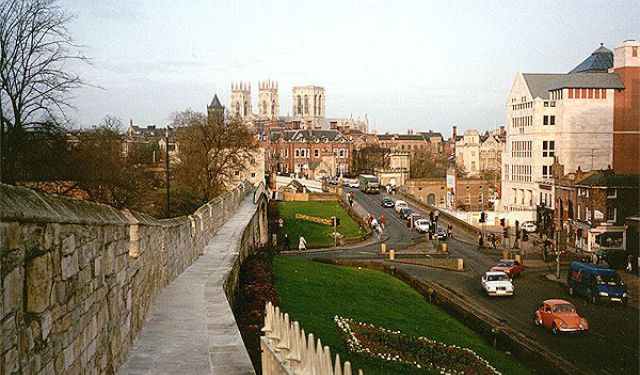
York City Wall Tour
York’s City Wall is one of the best-preserved medieval city defences in England, but its story begins long before the medieval period. Around 71–74 AD, the Romans established the fortress of Eboracum at the junction of the Rivers Ouse and Foss. Its earliest defences were probably made of earth and timber, but by around 107–108 AD, these had been replaced by substantial stone walls, including... view more
Tour Duration: 2 Hour(s)
Travel Distance: 3.8 Km or 2.4 Miles
Tour Duration: 2 Hour(s)
Travel Distance: 3.8 Km or 2.4 Miles
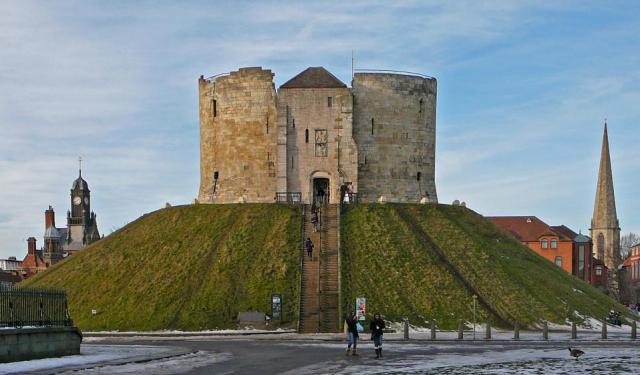
York's Historical Architecture
Being home to some of the best preserved historic architecture in England, York screams history and is undoubtedly the must-go destination for anyone keen on the country’s past. While the more recent history has also characterized York, it is the abundance of the ancient sites retained in their variety – from Medieval times to the Georgian and Victorian eras, and more – that makes the city... view more
Tour Duration: 2 Hour(s)
Travel Distance: 3.1 Km or 1.9 Miles
Tour Duration: 2 Hour(s)
Travel Distance: 3.1 Km or 1.9 Miles