

St. Paul's Church, Brighton
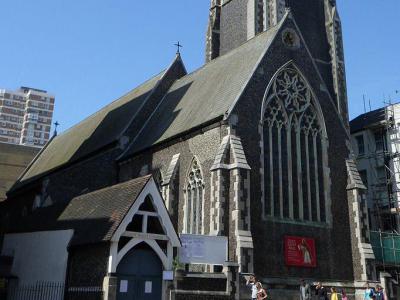
Saint Paul's Church, located on West Street in the heart of Brighton, is a historically significant Church of England parish church dedicated to Saint Paul of Tarsus, the Apostle to the Gentiles. Its central location near the seafront and main shopping areas highlights its prominence in the city.
Saint Paul's Church stands on a site with a rich history, originally home to a small chapel serving fishermen since 1830. The area, known for poor housing, was redeveloped in 1846 when Reverend Henry Michell Wagner, Vicar of Brighton since 1824, purchased the chapel and nearby buildings. Wagner, a key figure in Brighton's religious scene, had built three other churches in the town, but Saint Paul's is the earliest still in active Anglican use, preserving his legacy.
Saint Paul's Church was built by Brighton-based builders Cheesman & Son, who had a long-standing relationship with Wagner. The church's design was a collaboration between Wagner's son, Arthur, and architect R.C. Carpenter. Arthur, influenced by the Oxford Movement, incorporated 14th-century Gothic architecture into the church's design.
The exterior of Saint Paul's Church is notable for its use of knapped flint and Caen stone, the latter being a type of limestone famously used in the construction of the Tower of London. Inside, the church features a nave, chancel, two vestries, an organ chamber, and a small "crypt chapel" that has since been converted into a library. The Fishermen's Vestry, one of the original vestries, pays homage to the site's early connection with the local fishing community.
Today, Saint Paul's Church is recognized as a Grade II* listed building, a designation indicating its particular significance beyond local interest. This listing ensures that the church, with its rich history and architectural importance, is preserved for future generations to appreciate.
Saint Paul's Church stands on a site with a rich history, originally home to a small chapel serving fishermen since 1830. The area, known for poor housing, was redeveloped in 1846 when Reverend Henry Michell Wagner, Vicar of Brighton since 1824, purchased the chapel and nearby buildings. Wagner, a key figure in Brighton's religious scene, had built three other churches in the town, but Saint Paul's is the earliest still in active Anglican use, preserving his legacy.
Saint Paul's Church was built by Brighton-based builders Cheesman & Son, who had a long-standing relationship with Wagner. The church's design was a collaboration between Wagner's son, Arthur, and architect R.C. Carpenter. Arthur, influenced by the Oxford Movement, incorporated 14th-century Gothic architecture into the church's design.
The exterior of Saint Paul's Church is notable for its use of knapped flint and Caen stone, the latter being a type of limestone famously used in the construction of the Tower of London. Inside, the church features a nave, chancel, two vestries, an organ chamber, and a small "crypt chapel" that has since been converted into a library. The Fishermen's Vestry, one of the original vestries, pays homage to the site's early connection with the local fishing community.
Today, Saint Paul's Church is recognized as a Grade II* listed building, a designation indicating its particular significance beyond local interest. This listing ensures that the church, with its rich history and architectural importance, is preserved for future generations to appreciate.
Want to visit this sight? Check out these Self-Guided Walking Tours in Brighton. Alternatively, you can download the mobile app "GPSmyCity: Walks in 1K+ Cities" from Apple App Store or Google Play Store. The app turns your mobile device to a personal tour guide and it works offline, so no data plan is needed when traveling abroad.
Download The GPSmyCity App



St. Paul's Church on Map
Sight Name: St. Paul's Church
Sight Location: Brighton, England (See walking tours in Brighton)
Sight Type: Religious
Sight Location: Brighton, England (See walking tours in Brighton)
Sight Type: Religious
Nearby Sights
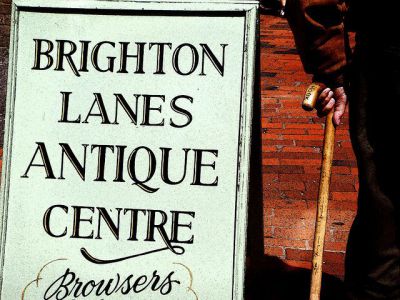
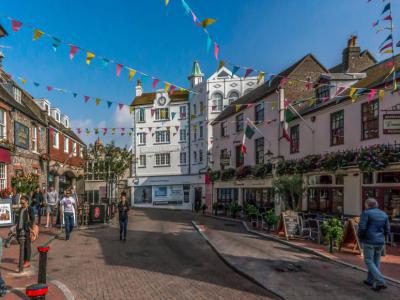
The Lanes (must see)

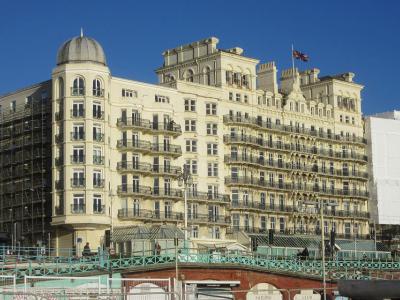
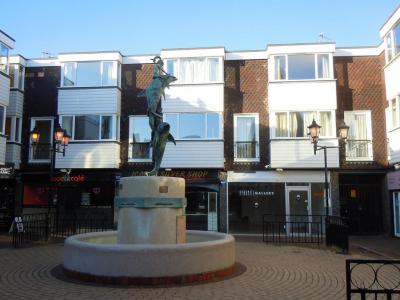
Walking Tours in Brighton, England

Create Your Own Walk in Brighton
Creating your own self-guided walk in Brighton is easy and fun. Choose the city attractions that you want to see and a walk route map will be created just for you. You can even set your hotel as the start point of the walk.
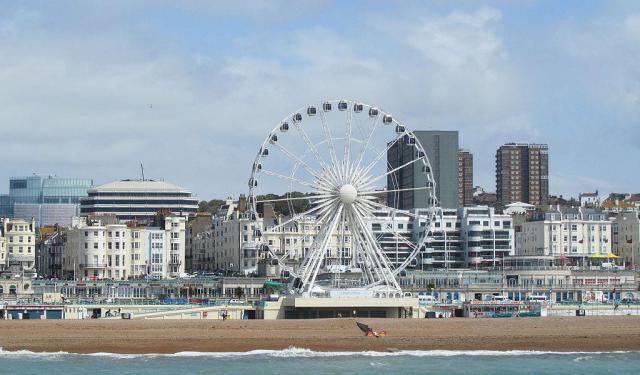
A Stroll Through Brighton's Charming Downtown
The town of Bristelmestune is first mentioned in William the Conqueror's Domesday Book of 1085. In 1810 it officially became Brighton. The area of Brighton has known settlements since the Bronze Age. It experienced Celts, Saxons, Romans. But the train stopped with the arrival of the Normans in 1066.
When Conquering William took the helm, Bristelmestune was a fishing village of 400 souls.... view more
Tour Duration: 1 Hour(s)
Travel Distance: 2.2 Km or 1.4 Miles
When Conquering William took the helm, Bristelmestune was a fishing village of 400 souls.... view more
Tour Duration: 1 Hour(s)
Travel Distance: 2.2 Km or 1.4 Miles
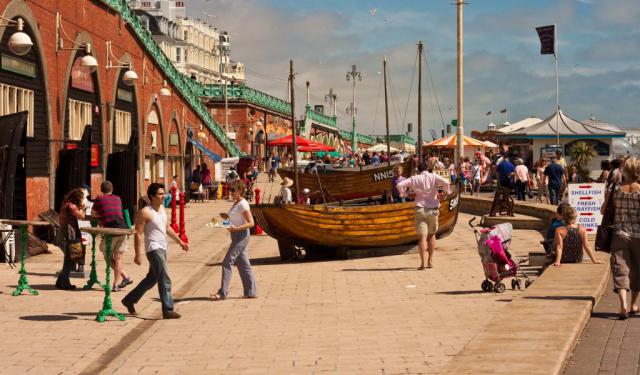
Brighton Seafront Walking Tour
No trip to Brighton is complete without a stroll along the seaside. Here you will know right away that you’re in an English seaside resort, catching the scent of fish and chips and watching deckchairs fluttering in the breeze. Stretching along the pebbly coastline for nearly 5 miles, Brighton's promenade has that Victorian glamour with a dash of youthful energy and style, buzzing with life... view more
Tour Duration: 2 Hour(s)
Travel Distance: 2.0 Km or 1.2 Miles
Tour Duration: 2 Hour(s)
Travel Distance: 2.0 Km or 1.2 Miles