

St. Peter's Church (Chiesa di San Pietro Somaldi), Lucca
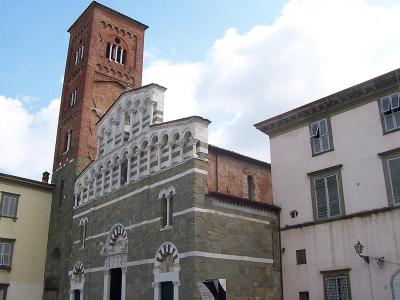
Saint Peter’s Church, or San Pietro Somaldi, is a historic Roman Catholic church located in the square of the same name in central Lucca. With origins tracing back to the Lombard era, the church was founded in 763 by Bishop Sumualdo (also referred to as Summal), from whom it derives its name. At one time, the church was under the possession of the Lombard king Aistulf before being transferred to the painter Auriperto.
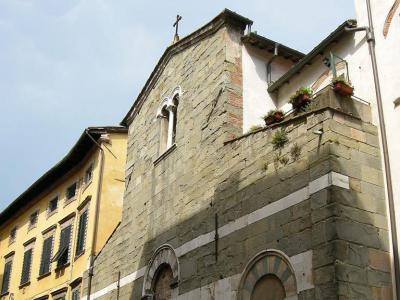
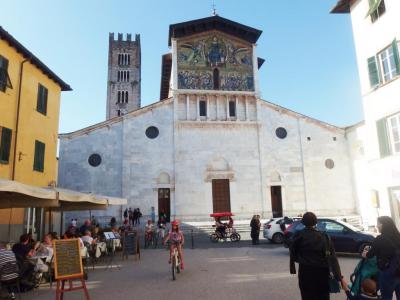
The church underwent significant reconstruction beginning in the 12th century, a process that extended into the 14th century. Its current form showcases a mix of Romanesque and Gothic architectural elements, characteristic of Lucca’s ecclesiastical style. The brick apse, dating from the 14th century, contrasts with the sandstone façade, which features sparse white stripes and ends with a blind arcade adorned with swollen and foliated capitals. The façade, completed in the second half of the 13th century, includes a central portal of particular artistic significance: the lintel above the entrance, created by Guido Bigarelli da Como in 1248, depicts The Delivery of the Keys to Peter.
Inside, the church is structured with three naves supported by sturdy pillars. While much of the church’s original furnishings have not survived, the interior houses a selection of 17th-century paintings alongside a few notable 19th-century works. Among its most treasured features is the 17th-century organ crafted by the renowned Luccan organ builder Domenico Cacioli. This organ, once played by Giacomo Puccini before his move to Milan, still bears his signature.
San Pietro Somaldi remains a significant landmark within Lucca, not only for its architectural beauty and historical roots but also for its cultural legacy tied to one of Italy’s greatest composers. Today, the church stands as a reminder of the city’s deep religious and artistic heritage, drawing visitors with its blend of history, art, and music.
The church underwent significant reconstruction beginning in the 12th century, a process that extended into the 14th century. Its current form showcases a mix of Romanesque and Gothic architectural elements, characteristic of Lucca’s ecclesiastical style. The brick apse, dating from the 14th century, contrasts with the sandstone façade, which features sparse white stripes and ends with a blind arcade adorned with swollen and foliated capitals. The façade, completed in the second half of the 13th century, includes a central portal of particular artistic significance: the lintel above the entrance, created by Guido Bigarelli da Como in 1248, depicts The Delivery of the Keys to Peter.
Inside, the church is structured with three naves supported by sturdy pillars. While much of the church’s original furnishings have not survived, the interior houses a selection of 17th-century paintings alongside a few notable 19th-century works. Among its most treasured features is the 17th-century organ crafted by the renowned Luccan organ builder Domenico Cacioli. This organ, once played by Giacomo Puccini before his move to Milan, still bears his signature.
San Pietro Somaldi remains a significant landmark within Lucca, not only for its architectural beauty and historical roots but also for its cultural legacy tied to one of Italy’s greatest composers. Today, the church stands as a reminder of the city’s deep religious and artistic heritage, drawing visitors with its blend of history, art, and music.
Want to visit this sight? Check out these Self-Guided Walking Tours in Lucca. Alternatively, you can download the mobile app "GPSmyCity: Walks in 1K+ Cities" from Apple App Store or Google Play Store. The app turns your mobile device to a personal tour guide and it works offline, so no data plan is needed when traveling abroad.
Download The GPSmyCity App



St. Peter's Church (Chiesa di San Pietro Somaldi) on Map
Sight Name: St. Peter's Church (Chiesa di San Pietro Somaldi)
Sight Location: Lucca, Italy (See walking tours in Lucca)
Sight Type: Religious
Sight Location: Lucca, Italy (See walking tours in Lucca)
Sight Type: Religious
Nearby Sights
Walking Tours in Lucca, Italy

Create Your Own Walk in Lucca
Creating your own self-guided walk in Lucca is easy and fun. Choose the city attractions that you want to see and a walk route map will be created just for you. You can even set your hotel as the start point of the walk.
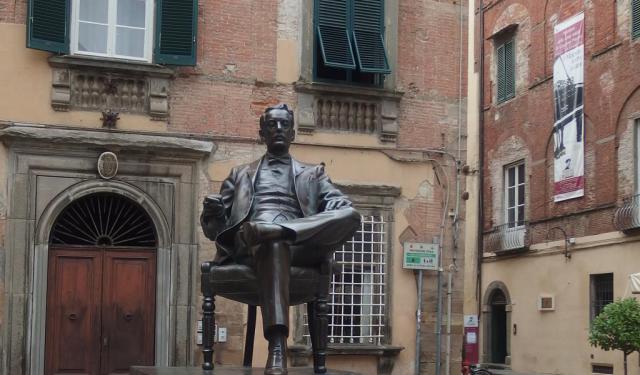
Discover Puccini's Lucca on Foot
One of the greatest musical talents of mankind, Italian composer Giacomo Puccini, was born and spent a substantial part of his life in the Tuscan city of Lucca. Today the legacy of Puccini resonates all over the world and even more so here.
Puccini's ancestors, also musicians, moved to Lucca in 1719. The future maestro was born in a house that had belonged to his family since 1815 – Casa... view more
Tour Duration: 1 Hour(s)
Travel Distance: 1.5 Km or 0.9 Miles
Puccini's ancestors, also musicians, moved to Lucca in 1719. The future maestro was born in a house that had belonged to his family since 1815 – Casa... view more
Tour Duration: 1 Hour(s)
Travel Distance: 1.5 Km or 0.9 Miles
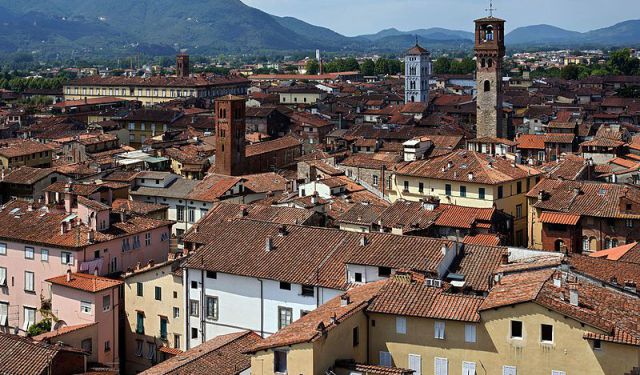
Lucca Old Town Walking Tour
Lucca is called many things: a city of arts, a city of churches, gardens, towers. Most of all it is known for its walls. From Roman times until now the walls have stood. It is the only city in Italy that has kept its walls intact.
The inner walled city is laid out in the ancient Roman grid plan. The Piazza San Michele is the site of the old forum. Bits of the Roman amphitheater can be found in... view more
Tour Duration: 2 Hour(s)
Travel Distance: 2.9 Km or 1.8 Miles
The inner walled city is laid out in the ancient Roman grid plan. The Piazza San Michele is the site of the old forum. Bits of the Roman amphitheater can be found in... view more
Tour Duration: 2 Hour(s)
Travel Distance: 2.9 Km or 1.8 Miles
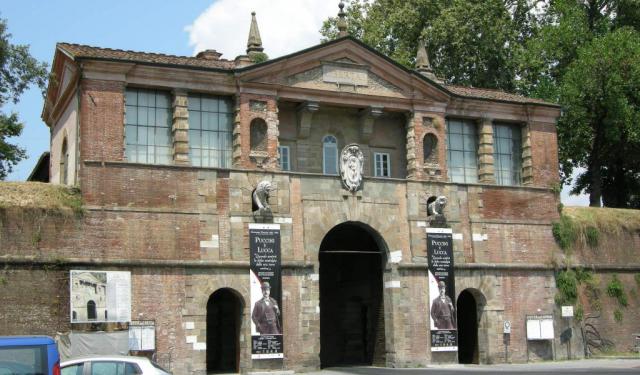
Lucca's City Wall and Gates Walking Tour
As one of Italy's Città d'arte's (arts towns), Lucca is famous, among other things, for its well-preserved ancient walls encircling the historic center. From about 570 AD until 1847 the city had been the center of the Longobard administration and the capital of old Tuscany, and as such required a defense system to render it an impenetrable fortress.
Back in the Middle Ages, the... view more
Tour Duration: 2 Hour(s)
Travel Distance: 3.7 Km or 2.3 Miles
Back in the Middle Ages, the... view more
Tour Duration: 2 Hour(s)
Travel Distance: 3.7 Km or 2.3 Miles