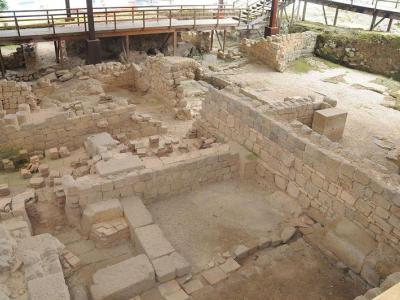


Termas Romanas de Maximinos (Roman Thermae of Maximinus), Braga
The Roman Thermae of Maximinus ancient ruins offer insights into the grandeur and sophistication of Bracara Augusta, the Roman provincial capital of Gallaecia, known today as Braga. The Thermae is a testament to the advanced urban development and architectural prowess of the Roman civilization. It reflects the importance of public bathhouses in Roman society and the significant role they played in daily life.
The complex was constructed in the second half of the 1st century BCE, during the periods of Julius Caesar and Claudius. It consisted of a bathhouse building and an adjacent theater. These structures remained in use until the end of the 3rd century, with some modifications made over time to accommodate changing needs. By the 4th century, the complex underwent significant alterations, with parts of it being reduced in size. Ultimately, the site was abandoned by the 5th century, marking the end of its active use.
Excavations and Discoveries: Systematic excavations of the site began in 1977 and continued until 1986. These efforts aimed to uncover the historical layers and structures buried beneath the surface. In 2005 and 2006, the Archaeological Unit of the University of Minho conducted further excavations to uncover the Roman theater adjacent to the site. While the theater's discovery initially occurred in 1999, it was during these later excavations that its remains were fully explored.
The complex was constructed in the second half of the 1st century BCE, during the periods of Julius Caesar and Claudius. It consisted of a bathhouse building and an adjacent theater. These structures remained in use until the end of the 3rd century, with some modifications made over time to accommodate changing needs. By the 4th century, the complex underwent significant alterations, with parts of it being reduced in size. Ultimately, the site was abandoned by the 5th century, marking the end of its active use.
Excavations and Discoveries: Systematic excavations of the site began in 1977 and continued until 1986. These efforts aimed to uncover the historical layers and structures buried beneath the surface. In 2005 and 2006, the Archaeological Unit of the University of Minho conducted further excavations to uncover the Roman theater adjacent to the site. While the theater's discovery initially occurred in 1999, it was during these later excavations that its remains were fully explored.
Want to visit this sight? Check out these Self-Guided Walking Tours in Braga. Alternatively, you can download the mobile app "GPSmyCity: Walks in 1K+ Cities" from Apple App Store or Google Play Store. The app turns your mobile device to a personal tour guide and it works offline, so no data plan is needed when traveling abroad.
Download The GPSmyCity App



Termas Romanas de Maximinos (Roman Thermae of Maximinus) on Map
Sight Name: Termas Romanas de Maximinos (Roman Thermae of Maximinus)
Sight Location: Braga, Portugal (See walking tours in Braga)
Sight Type: Attraction/Landmark
Sight Location: Braga, Portugal (See walking tours in Braga)
Sight Type: Attraction/Landmark
Nearby Sights



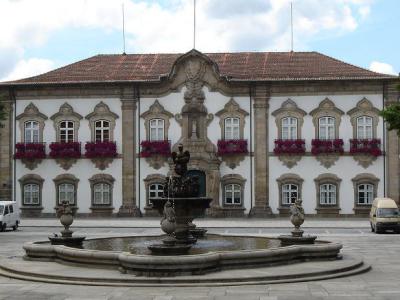

Walking Tours in Braga, Portugal

Create Your Own Walk in Braga
Creating your own self-guided walk in Braga is easy and fun. Choose the city attractions that you want to see and a walk route map will be created just for you. You can even set your hotel as the start point of the walk.
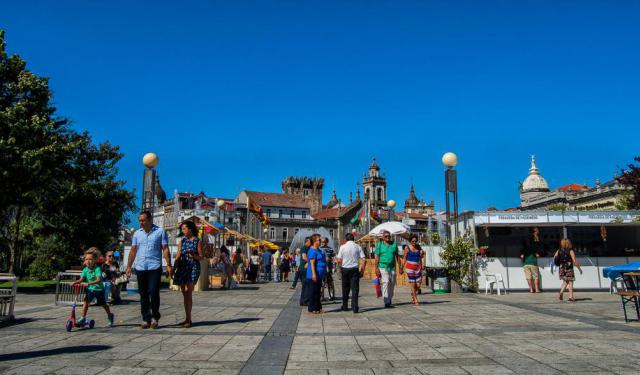
Braga Introduction Walking Tour
The history of Braga, Portugal's religious capital, spans millennia. Located in the northern Minho region, this city is also one of the country's oldest, reportedly founded by Bracari Celts.
Braga's origin is closely associated with the Roman conquest in 136 BC, culminating in the establishment of Bracara Augusta in 16 BC, a pivotal location within the newly-formed Gallaecia... view more
Tour Duration: 2 Hours
Travel Distance: 2 Km or 1.2 Miles
Braga's origin is closely associated with the Roman conquest in 136 BC, culminating in the establishment of Bracara Augusta in 16 BC, a pivotal location within the newly-formed Gallaecia... view more
Tour Duration: 2 Hours
Travel Distance: 2 Km or 1.2 Miles
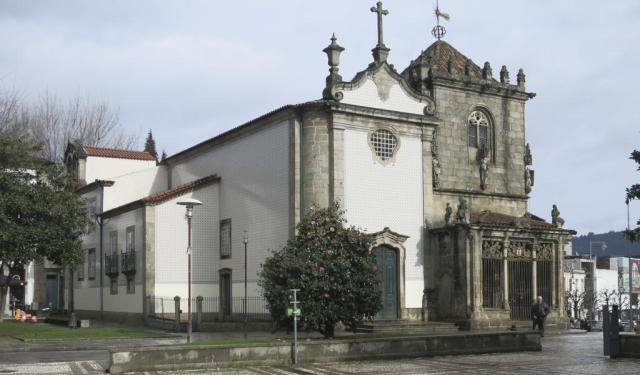
Historical Religious Sites Walking Tour
Braga is a prominent destination in Portugal's Religious Tourism segment, primarily due to its vibrant Holy Week celebrations and rich ecclesiastical architecture. Indeed, being one of the world's oldest Christian cities, Braga boasts an extensive religious legacy. Much like Rome, it seamlessly interweaves art and spirituality throughout its historic center.
Here, you will find a... view more
Tour Duration: 1 Hour
Travel Distance: 1.4 Km or 0.9 Miles
Here, you will find a... view more
Tour Duration: 1 Hour
Travel Distance: 1.4 Km or 0.9 Miles