


Teutonic Order Commandery and Ludwig Museum, Koblenz
The Teutonic Order Commandery is a reminder of the city’s medieval and early modern past. Established in the 13th century, it once served as the regional headquarters of the Teutonic Knights, a powerful military and religious order active throughout Europe. The complex, with its imposing Gothic and later Baroque additions, reflected the wealth and influence of the order along the Rhine. Though heavily damaged during World War II, the commandery has been carefully restored, and today it stands as a landmark linking Koblenz’s historic legacy with contemporary culture.
Housed within the restored commandery is the Ludwig Museum, one of Koblenz’s premier cultural institutions. The museum was founded in 1992 through the support of Peter and Irene Ludwig, noted art collectors and patrons whose donations have enriched museums worldwide. Its collection focuses on modern and contemporary art, with a strong emphasis on works from the second half of the 20th century. Visitors will encounter a diverse range of pieces, from American Pop Art to European avant-garde movements, including paintings, sculptures, and multimedia installations.
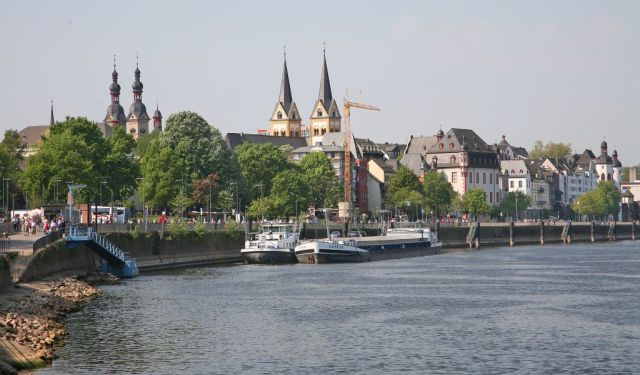
The museum’s riverside location adds to its appeal. With views of the Rhine, the site creates a unique dialogue between the historic setting of the commandery and the forward-looking energy of modern art. Exhibitions change regularly, featuring both highlights from the Ludwig collection and special shows that bring international artists to Koblenz. The juxtaposition of medieval walls and bold contemporary artworks makes for an experience that is as much about place as it is about the art itself.
Housed within the restored commandery is the Ludwig Museum, one of Koblenz’s premier cultural institutions. The museum was founded in 1992 through the support of Peter and Irene Ludwig, noted art collectors and patrons whose donations have enriched museums worldwide. Its collection focuses on modern and contemporary art, with a strong emphasis on works from the second half of the 20th century. Visitors will encounter a diverse range of pieces, from American Pop Art to European avant-garde movements, including paintings, sculptures, and multimedia installations.
The museum’s riverside location adds to its appeal. With views of the Rhine, the site creates a unique dialogue between the historic setting of the commandery and the forward-looking energy of modern art. Exhibitions change regularly, featuring both highlights from the Ludwig collection and special shows that bring international artists to Koblenz. The juxtaposition of medieval walls and bold contemporary artworks makes for an experience that is as much about place as it is about the art itself.
Want to visit this sight? Check out these Self-Guided Walking Tours in Koblenz. Alternatively, you can download the mobile app "GPSmyCity: Walks in 1K+ Cities" from Apple App Store or Google Play Store. The app turns your mobile device to a personal tour guide and it works offline, so no data plan is needed when traveling abroad.
Download The GPSmyCity App



Teutonic Order Commandery and Ludwig Museum on Map
Sight Name: Teutonic Order Commandery and Ludwig Museum
Sight Location: Koblenz, Germany (See walking tours in Koblenz)
Sight Type: Museum/Gallery
Sight Location: Koblenz, Germany (See walking tours in Koblenz)
Sight Type: Museum/Gallery
Nearby Sights
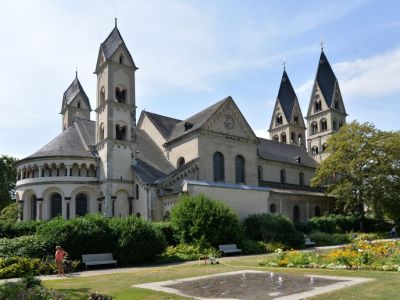
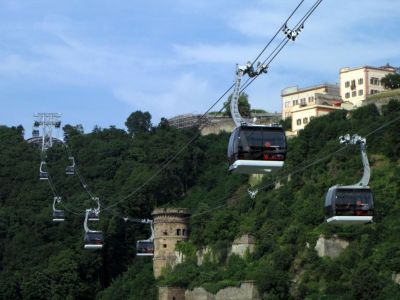
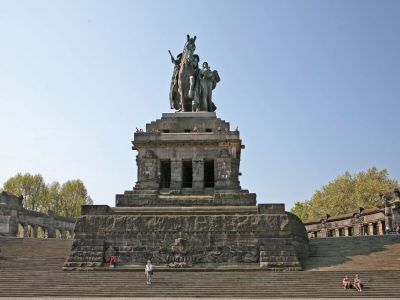
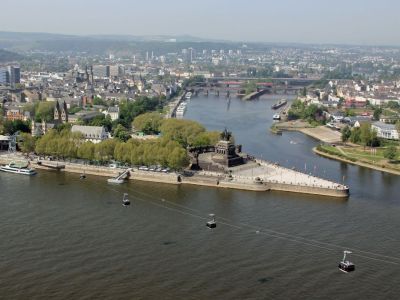
Walking Tours in Koblenz, Germany

Create Your Own Walk in Koblenz
Creating your own self-guided walk in Koblenz is easy and fun. Choose the city attractions that you want to see and a walk route map will be created just for you. You can even set your hotel as the start point of the walk.
Koblenz Introduction Walking Tour
Local legends say that one 16th century robber stuck out his tongue before being executed. Instead of finding this event grim, Koblenz residents made the cheeky robber a symbol, nowadays immortalized in the shape of a little boy's statue.
The city's name comes from the Latin ad confluentes, meaning “at the confluence”, referring to the meeting point of the great rivers Moselle... view more
Tour Duration: 3 Hour(s)
Travel Distance: 4.2 Km or 2.6 Miles
The city's name comes from the Latin ad confluentes, meaning “at the confluence”, referring to the meeting point of the great rivers Moselle... view more
Tour Duration: 3 Hour(s)
Travel Distance: 4.2 Km or 2.6 Miles