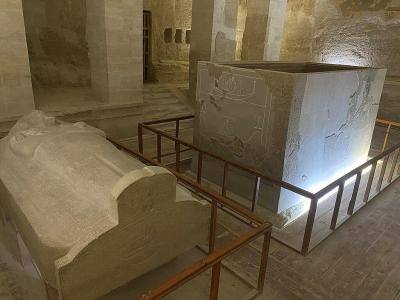


Tomb of Merenptah, Luxor
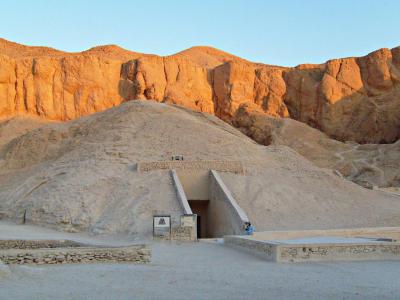
The Tomb of Merenptah is one of the largest royal burial places in the royal necropolis on the west bank of the Nile. Built for Pharaoh Merenptah, the son and successor of Ramesses II, it dates to the 13th century BCE during Egypt’s 19th Dynasty. The tomb descends through corridors and chambers symbolizing the king’s journey into the afterlife.
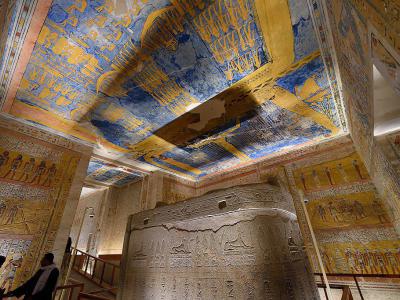
One of the tomb’s most notable features is its size and complex structure. The burial chamber held four nested stone sarcophagi, among ancient Egypt’s largest. Though its treasures are gone, key architectural details and decoration remain. Walls are inscribed with funerary texts such as the Book of Gates and other religious compositions intended to protect and guide the deceased king through the underworld.
Visitors can observe detailed carvings and traces of painted decoration that illustrate ancient Egyptian beliefs about death, rebirth, and divine protection. The tomb reflects Ramesside burial traditions through its large scale, symbolic design, and focus on the pharaoh’s afterlife.
One of the tomb’s most notable features is its size and complex structure. The burial chamber held four nested stone sarcophagi, among ancient Egypt’s largest. Though its treasures are gone, key architectural details and decoration remain. Walls are inscribed with funerary texts such as the Book of Gates and other religious compositions intended to protect and guide the deceased king through the underworld.
Visitors can observe detailed carvings and traces of painted decoration that illustrate ancient Egyptian beliefs about death, rebirth, and divine protection. The tomb reflects Ramesside burial traditions through its large scale, symbolic design, and focus on the pharaoh’s afterlife.
Want to visit this sight? Check out these Self-Guided Walking Tours in Luxor. Alternatively, you can download the mobile app "GPSmyCity: Walks in 1K+ Cities" from Apple App Store or Google Play Store. The app turns your mobile device to a personal tour guide and it works offline, so no data plan is needed when traveling abroad.
Download The GPSmyCity App



Tomb of Merenptah on Map
Sight Name: Tomb of Merenptah
Sight Location: Luxor, Egypt (See walking tours in Luxor)
Sight Type: Attraction/Landmark
Sight Location: Luxor, Egypt (See walking tours in Luxor)
Sight Type: Attraction/Landmark
Nearby Sights
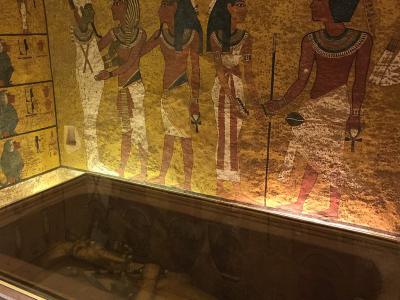
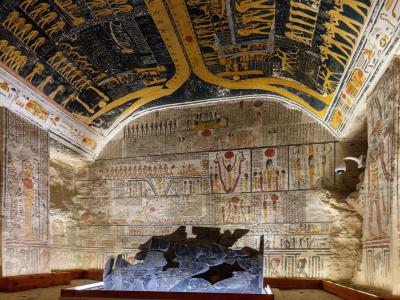
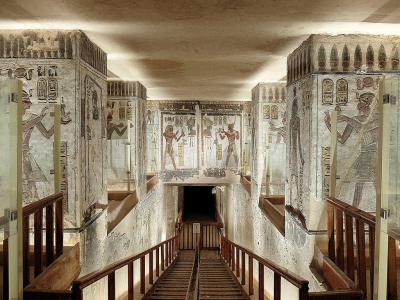
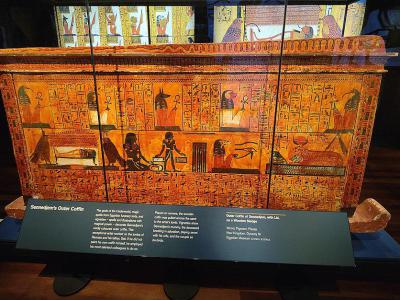
Walking Tours in Luxor, Egypt

Create Your Own Walk in Luxor
Creating your own self-guided walk in Luxor is easy and fun. Choose the city attractions that you want to see and a walk route map will be created just for you. You can even set your hotel as the start point of the walk.
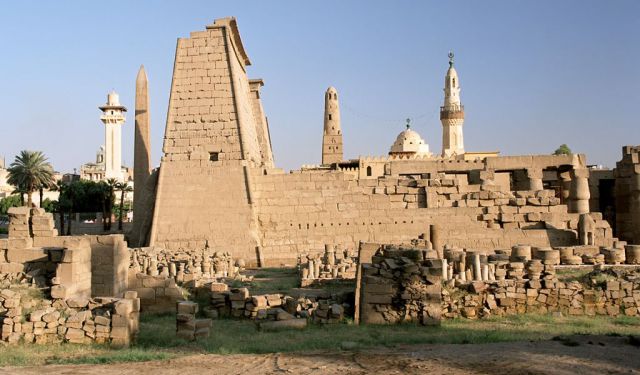
Luxor East Bank Walking Tour
The East Bank area is located in the heart of Luxor city. It has plenty of top sights including wonderful working temples and museums, such as the Luxor Temple, the Karnak Temple Complex, the Luxor Museum and the Mummification Museum. Take our tour to experience the beauty of Luxor’s East Bank district.
Tour Duration: 2 Hour(s)
Travel Distance: 4.7 Km or 2.9 Miles
Tour Duration: 2 Hour(s)
Travel Distance: 4.7 Km or 2.9 Miles
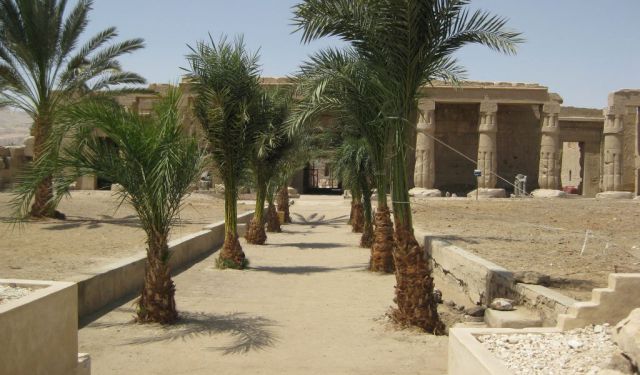
Luxor Archaeology Tour Part 2
The West Bank area of Luxor - located across the River Nile from the modern city itself - is a true archaeological paradise full of must-see sights for any visitor. There are a number of ancient Egyptian pharaoh tombs, necropolises and temples here, dating from the time of the ancient city of Thebes. Take our walking tour to see all the best sights in the area.
Tour Duration: 2 Hour(s)
Travel Distance: 3.9 Km or 2.4 Miles
Tour Duration: 2 Hour(s)
Travel Distance: 3.9 Km or 2.4 Miles
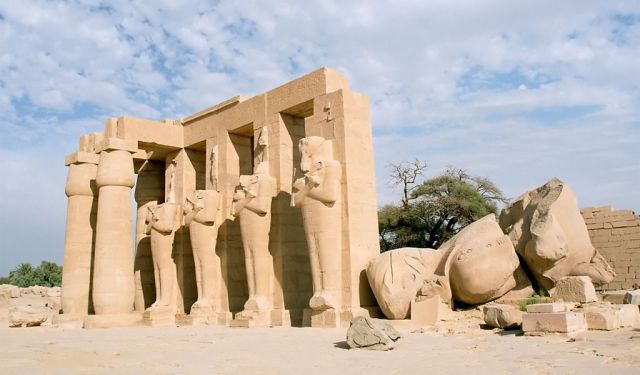
Luxor Archaeology Tour Part 1
The Theban necropolis area - located in Upper Egypt, across the River Nile from the modern city of Luxor - is considered to be one of the most significant archaeological sites in the world. You will be amazed by the many splendid temples, tombs and other historic attractions in this area, which is now known as Luxor's West Bank. The ruins of the Workers Village, the Colossi of Memnon, and... view more
Tour Duration: 3 Hour(s)
Travel Distance: 6.5 Km or 4 Miles
Tour Duration: 3 Hour(s)
Travel Distance: 6.5 Km or 4 Miles