


Via Giuseppe Garibaldi (Giuseppe Garibaldi Street), Genoa (must see)
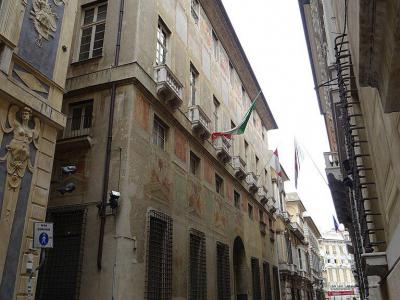
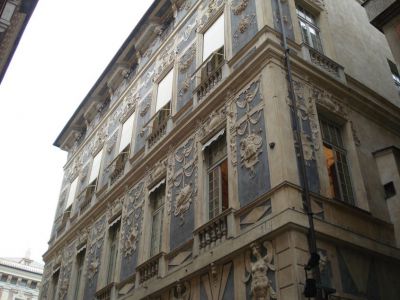
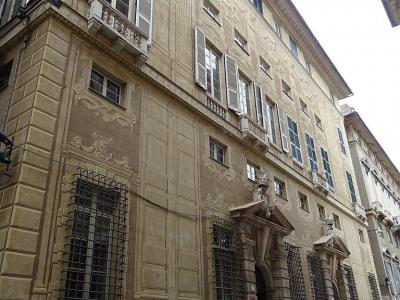
Giuseppe Garibaldi Street is where Genoa is showing off-and doing it with historical justification. This was one of the famous “New Streets,” laid out in 1583 when Genoese aristocrats decided their medieval lanes no longer matched their wealth.
At first, it went by practical names like Strada Maggiore (or Major Street) and Strada Nuova (New Street) before confidence kicked in, and it earned the nickname Strada Aurea, the Golden Street. Only in 1882 did it take on the name Giuseppe Garibaldi in honor of the general and revolutionary who greatly contributed to the Unification of Italy. The street's measurements were precise, but the ambition was anything but modest: just under a 1,000 feet long, relatively narrow, and packed edge to edge with palaces.
By the late 16th and 17th centuries, Genoa had enough money to burn and no interest in hiding it. The city’s oligarchs pushed north, reshaping the urban map and imagining a city of grand palaces and elegant villas beyond the old medieval core. This street became their architectural calling card-a place where wealth, taste, and rivalry all competed for attention, façade by façade.
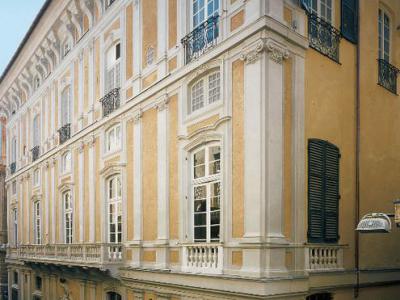
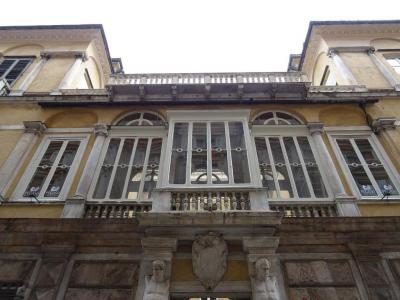
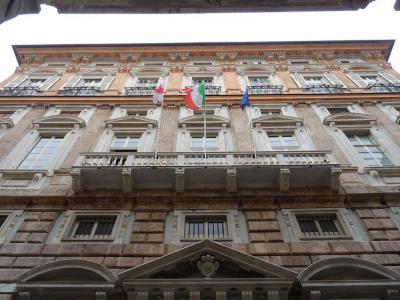
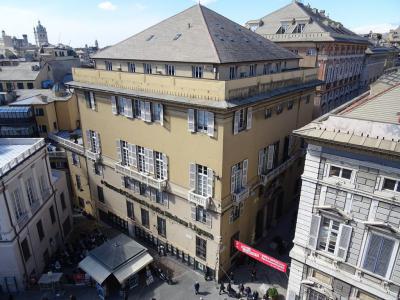
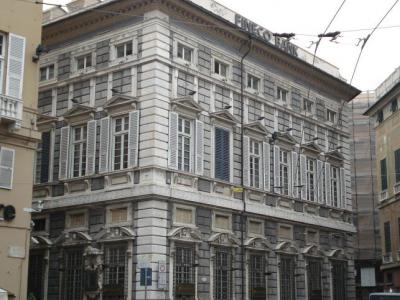
Names changed as fortunes rose, but the message stayed the same. Today, Garibaldi Street anchors the New Streets Museum complex, linking three high-end properties: the Doria Tursi Palace, now Genoa’s City Hall; the White Palace, home to major art collections; and the former Podestà’s Palace. Together, they read like a résumé written in stone.
Back in the days of the Republic, these palaces served a very practical purpose. Genoa kept official Rolli lists-ranked registers of noble homes approved to host visiting kings, princes, diplomats, and church authorities. The higher the guest, the grander the palace. Hospitality here was a civic duty, but also a competitive sport.
Today, you can time your visit with Rolli Days, held each spring and autumn, when normally closed palaces open their doors to the public. And if you’re wondering whether all this repetition ever becomes too much, Charles Dickens had an answer. Writing in Pictures from Italy, he confessed he couldn’t forget these “streets of palaces,” where one grand building follows another, again and again. Genoa, it seems, has always liked to leave a strong impression-and then add one more...
At first, it went by practical names like Strada Maggiore (or Major Street) and Strada Nuova (New Street) before confidence kicked in, and it earned the nickname Strada Aurea, the Golden Street. Only in 1882 did it take on the name Giuseppe Garibaldi in honor of the general and revolutionary who greatly contributed to the Unification of Italy. The street's measurements were precise, but the ambition was anything but modest: just under a 1,000 feet long, relatively narrow, and packed edge to edge with palaces.
By the late 16th and 17th centuries, Genoa had enough money to burn and no interest in hiding it. The city’s oligarchs pushed north, reshaping the urban map and imagining a city of grand palaces and elegant villas beyond the old medieval core. This street became their architectural calling card-a place where wealth, taste, and rivalry all competed for attention, façade by façade.
Names changed as fortunes rose, but the message stayed the same. Today, Garibaldi Street anchors the New Streets Museum complex, linking three high-end properties: the Doria Tursi Palace, now Genoa’s City Hall; the White Palace, home to major art collections; and the former Podestà’s Palace. Together, they read like a résumé written in stone.
Back in the days of the Republic, these palaces served a very practical purpose. Genoa kept official Rolli lists-ranked registers of noble homes approved to host visiting kings, princes, diplomats, and church authorities. The higher the guest, the grander the palace. Hospitality here was a civic duty, but also a competitive sport.
Today, you can time your visit with Rolli Days, held each spring and autumn, when normally closed palaces open their doors to the public. And if you’re wondering whether all this repetition ever becomes too much, Charles Dickens had an answer. Writing in Pictures from Italy, he confessed he couldn’t forget these “streets of palaces,” where one grand building follows another, again and again. Genoa, it seems, has always liked to leave a strong impression-and then add one more...
Want to visit this sight? Check out these Self-Guided Walking Tours in Genoa. Alternatively, you can download the mobile app "GPSmyCity: Walks in 1K+ Cities" from Apple App Store or Google Play Store. The app turns your mobile device to a personal tour guide and it works offline, so no data plan is needed when traveling abroad.
Download The GPSmyCity App



Via Giuseppe Garibaldi (Giuseppe Garibaldi Street) on Map
Sight Name: Via Giuseppe Garibaldi (Giuseppe Garibaldi Street)
Sight Location: Genoa, Italy (See walking tours in Genoa)
Sight Type: Attraction/Landmark
Guide(s) Containing This Sight:
Sight Location: Genoa, Italy (See walking tours in Genoa)
Sight Type: Attraction/Landmark
Guide(s) Containing This Sight:
Nearby Sights
Walking Tours in Genoa, Italy

Create Your Own Walk in Genoa
Creating your own self-guided walk in Genoa is easy and fun. Choose the city attractions that you want to see and a walk route map will be created just for you. You can even set your hotel as the start point of the walk.
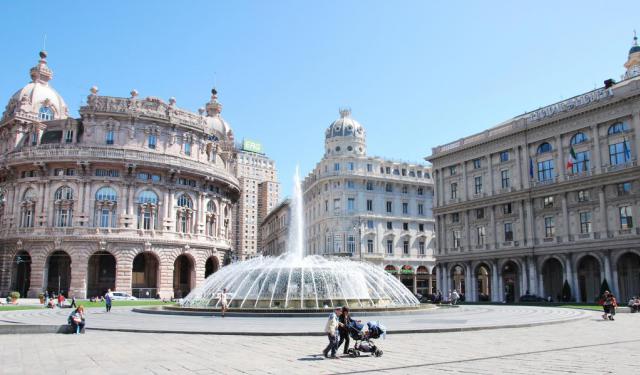
Genoa Introduction Walking Tour
Italian poet Petrarch called Genoa “The Superb One,” and quite fittingly so for a city that built its confidence the hard way-through ships, contracts, and a fierce sense of independence.
Pressed between the Ligurian Sea and the Apennines on a narrow strip of land, Genoa didn’t have much room to spread out, so it looked outward instead. By the Middle Ages, it had become one of the... view more
Tour Duration: 2 Hours
Travel Distance: 3.8 Km or 2.4 Miles
Pressed between the Ligurian Sea and the Apennines on a narrow strip of land, Genoa didn’t have much room to spread out, so it looked outward instead. By the Middle Ages, it had become one of the... view more
Tour Duration: 2 Hours
Travel Distance: 3.8 Km or 2.4 Miles
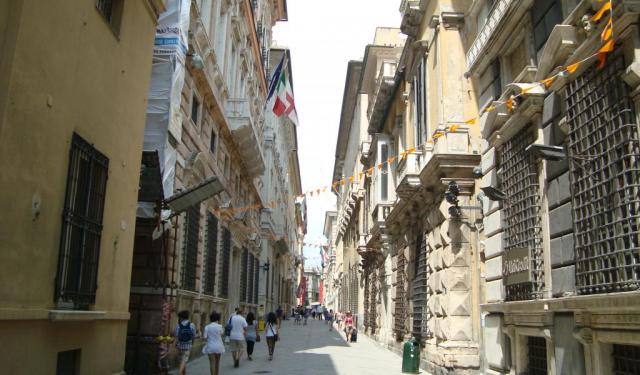
Rolli Palaces Walking Tour
At one point, back in 1576, when the Republic of Genoa was riding high on money, power, and confidence, the city faced a practical question: where do you put visiting kings, princes, and ambassadors? Genoa’s answer was very on brand. Instead of building one grand royal palace, they turned the entire local aristocracy into a hospitality network. The result was the lists of the public lodgings of... view more
Tour Duration: 1 Hour
Travel Distance: 0.4 Km or 0.2 Miles
Tour Duration: 1 Hour
Travel Distance: 0.4 Km or 0.2 Miles