

Winter Palace of Bogd Khan, Ulaanbaatar (must see)
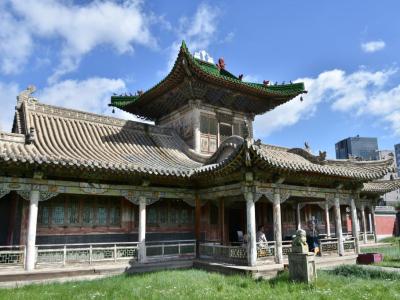
Considered one of Mongolia’s most important cultural treasures, the Winter Palace of the Bogd Khan was erected from 1893 to 1903 as part of the imperial complex for the eighth Jebtsundamba Khutuktu, who later became the Bogd Khan, the nation’s spiritual head and sovereign during the early 1900s.
What makes the palace especially significant is the extent to which its original contents have been preserved. Today the museum houses more than 8,600 artifacts, including the Bogd Khan’s personal belongings such as his throne, bed, ceremonial robes, gifts from foreign rulers, and even a collection of mounted animals. Equally important are the religious treasures on display, ranging from Buddhist statues and scroll paintings to ritual objects and volumes from the royal library.
Of the four palatial residences once maintained by the Bogd Khan, only the Winter Palace has survived. The site today encompasses the palace itself, several temples, the Gate of Peace and Happiness, and a number of auxiliary buildings, all contributing to an understanding of the scale and diversity of the original complex.
It highlights Mongolia’s architectural traditions, its political and religious history, and the artistic achievements of the era. The grounds include orderly pathways, temples adorned with traditional ornamentation, and courtyards that served both ritual and practical purposes.
What makes the palace especially significant is the extent to which its original contents have been preserved. Today the museum houses more than 8,600 artifacts, including the Bogd Khan’s personal belongings such as his throne, bed, ceremonial robes, gifts from foreign rulers, and even a collection of mounted animals. Equally important are the religious treasures on display, ranging from Buddhist statues and scroll paintings to ritual objects and volumes from the royal library.
Of the four palatial residences once maintained by the Bogd Khan, only the Winter Palace has survived. The site today encompasses the palace itself, several temples, the Gate of Peace and Happiness, and a number of auxiliary buildings, all contributing to an understanding of the scale and diversity of the original complex.
It highlights Mongolia’s architectural traditions, its political and religious history, and the artistic achievements of the era. The grounds include orderly pathways, temples adorned with traditional ornamentation, and courtyards that served both ritual and practical purposes.
Want to visit this sight? Check out these Self-Guided Walking Tours in Ulaanbaatar. Alternatively, you can download the mobile app "GPSmyCity: Walks in 1K+ Cities" from Apple App Store or Google Play Store. The app turns your mobile device to a personal tour guide and it works offline, so no data plan is needed when traveling abroad.
Download The GPSmyCity App



Winter Palace of Bogd Khan on Map
Sight Name: Winter Palace of Bogd Khan
Sight Location: Ulaanbaatar, Mongolia (See walking tours in Ulaanbaatar)
Sight Type: Museum/Gallery
Sight Location: Ulaanbaatar, Mongolia (See walking tours in Ulaanbaatar)
Sight Type: Museum/Gallery
Nearby Sights
Walking Tours in Ulaanbaatar, Mongolia

Create Your Own Walk in Ulaanbaatar
Creating your own self-guided walk in Ulaanbaatar is easy and fun. Choose the city attractions that you want to see and a walk route map will be created just for you. You can even set your hotel as the start point of the walk.
Ulaanbaatar Introduction Walking Tour
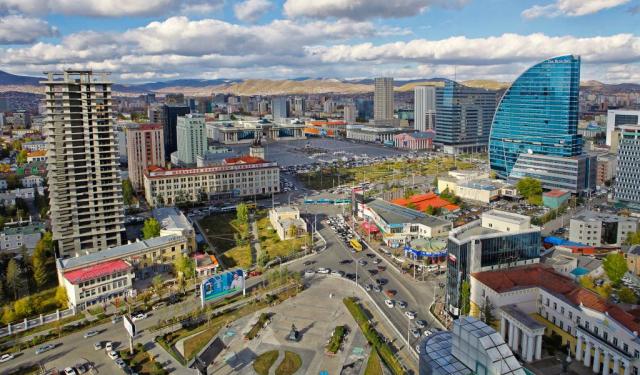
Nestled in the valley of the Tuul River surrounded by four sacred mountains, the capital of Mongolia, Ulaanbaatar, is the political and economic heart of the nation and a repository of Mongolian culture. The name "Ulaanbaatar" translates to "Red Hero," a title bestowed in 1924 to honor Mongolia's independence from China, facilitated by Soviet support.
Historically, the... view more
Tour Duration: 2 Hour(s)
Travel Distance: 3.8 Km or 2.4 Miles
Historically, the... view more
Tour Duration: 2 Hour(s)
Travel Distance: 3.8 Km or 2.4 Miles