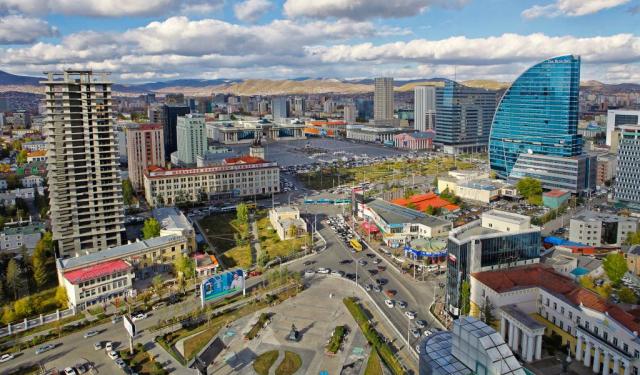


Ulaanbaatar Introduction Walking Tour (Self Guided), Ulaanbaatar
Nestled in the valley of the Tuul River surrounded by four sacred mountains, the capital of Mongolia, Ulaanbaatar, is the political and economic heart of the nation and a repository of Mongolian culture. The name "Ulaanbaatar" translates to "Red Hero," a title bestowed in 1924 to honor Mongolia's independence from China, facilitated by Soviet support.
Historically, the city emerged as a nomadic Buddhist monastic center in 1639 and was known initially as Urga (meaning "Palace-yurt"). The city changed locations 28 times before it permanently settled at its current site in 1778. The capital was central to Mongolia's independence movements, notably during the collapse of the Qing Dynasty in China in 1911 and the 1921 communist revolution, leading to the establishment of the Mongolian People's Republic. Post-1950s, Soviet-style urban planning replaced traditional ger districts (consisting of detached traditional mobile dwellings – gers). In 1990, the city became the cradle of Mongolia's democratic and economic reforms.
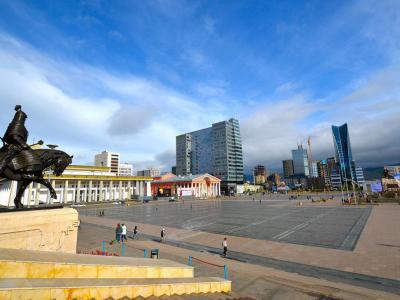
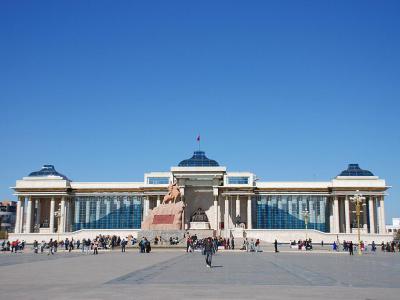
The old part of Ulaanbaatar is a blend of historical textures and layers of the city's past. Here, sites like Sükhbaatar Square pay homage to the revolutionary leader Damdin Sükhbaatar, who declared independence from China in 1921. Flanked by significant structures like the Government Palace, this square serves as a central hub for civic gatherings and national celebrations.
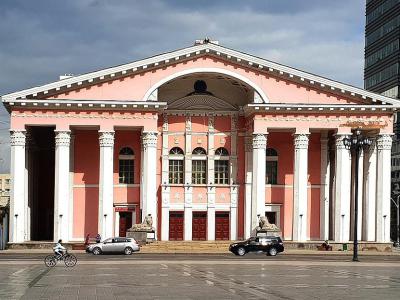
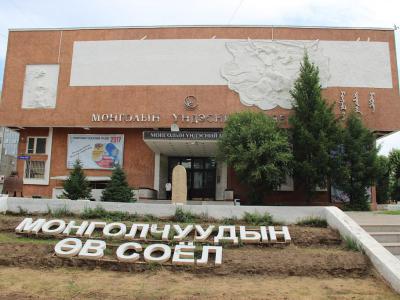
Adjacent to it is the Mongolian State Academic Theatre of Opera and Ballet, an eminent cultural institution since 1963. A short walk across the square leads to the National Museum of Mongolia, which showcases artifacts narrating the saga of Mongolia's past, from the era of the Great Mongol Empire to contemporary times.
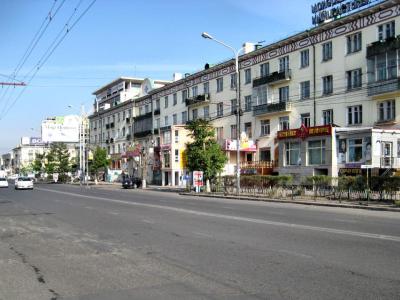
Peace Avenue, the main thoroughfare, is the city's lifeline, bustling with activity and bordered by various shops, restaurants, and cafes.
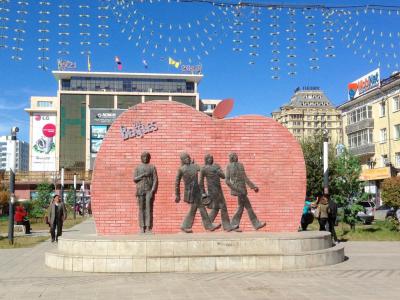
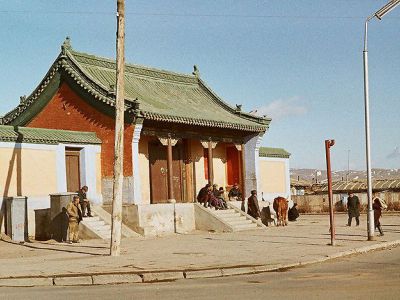
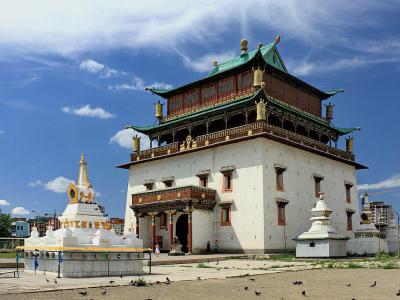
For those intrigued by more recent cultural influences, Beatles Square and Monument is a testament to the city's eclectic tastes, celebrating the global influence of the legendary British band. Additionally, spiritual tranquility can be found at the Gandan Monastery and Geser Sum Monastery-centers of Tibetan Buddhism that offer a glimpse into the spiritual practices woven into Mongolian societal fabric for centuries.
Ulaanbaatar offers a unique journey through the heritage of Mongolia. Visitors are encouraged to immerse themselves in the tapestry of history and culture found here and experience the warmth of Mongolian hospitality by taking this self-guided walk.
Historically, the city emerged as a nomadic Buddhist monastic center in 1639 and was known initially as Urga (meaning "Palace-yurt"). The city changed locations 28 times before it permanently settled at its current site in 1778. The capital was central to Mongolia's independence movements, notably during the collapse of the Qing Dynasty in China in 1911 and the 1921 communist revolution, leading to the establishment of the Mongolian People's Republic. Post-1950s, Soviet-style urban planning replaced traditional ger districts (consisting of detached traditional mobile dwellings – gers). In 1990, the city became the cradle of Mongolia's democratic and economic reforms.
The old part of Ulaanbaatar is a blend of historical textures and layers of the city's past. Here, sites like Sükhbaatar Square pay homage to the revolutionary leader Damdin Sükhbaatar, who declared independence from China in 1921. Flanked by significant structures like the Government Palace, this square serves as a central hub for civic gatherings and national celebrations.
Adjacent to it is the Mongolian State Academic Theatre of Opera and Ballet, an eminent cultural institution since 1963. A short walk across the square leads to the National Museum of Mongolia, which showcases artifacts narrating the saga of Mongolia's past, from the era of the Great Mongol Empire to contemporary times.
Peace Avenue, the main thoroughfare, is the city's lifeline, bustling with activity and bordered by various shops, restaurants, and cafes.
For those intrigued by more recent cultural influences, Beatles Square and Monument is a testament to the city's eclectic tastes, celebrating the global influence of the legendary British band. Additionally, spiritual tranquility can be found at the Gandan Monastery and Geser Sum Monastery-centers of Tibetan Buddhism that offer a glimpse into the spiritual practices woven into Mongolian societal fabric for centuries.
Ulaanbaatar offers a unique journey through the heritage of Mongolia. Visitors are encouraged to immerse themselves in the tapestry of history and culture found here and experience the warmth of Mongolian hospitality by taking this self-guided walk.
How it works: Download the app "GPSmyCity: Walks in 1K+ Cities" from Apple App Store or Google Play Store to your mobile phone or tablet. The app turns your mobile device into a personal tour guide and its built-in GPS navigation functions guide you from one tour stop to next. The app works offline, so no data plan is needed when traveling abroad.
Download The GPSmyCity App



Ulaanbaatar Introduction Walking Tour Map
Guide Name: Ulaanbaatar Introduction Walking Tour
Guide Location: Mongolia » Ulaanbaatar (See other walking tours in Ulaanbaatar)
Guide Type: Self-guided Walking Tour (Sightseeing)
Tour Duration: 2 Hour(s)
Travel Distance: 3.8 Km or 2.4 Miles
Guide Location: Mongolia » Ulaanbaatar (See other walking tours in Ulaanbaatar)
Guide Type: Self-guided Walking Tour (Sightseeing)
Tour Duration: 2 Hour(s)
Travel Distance: 3.8 Km or 2.4 Miles
Sights Featured in This Walk
The Most Popular Cities
/ view all