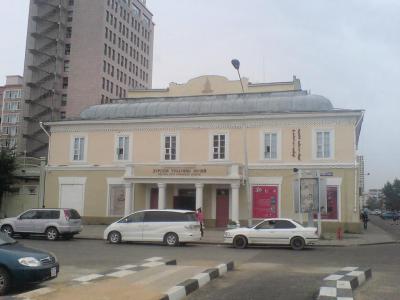


Zanabazar Museum of Fine Art, Ulaanbaatar
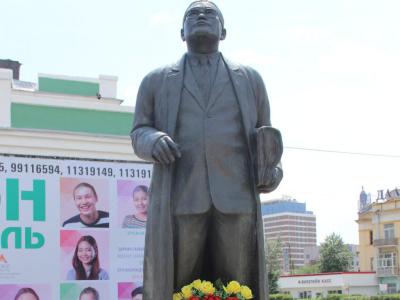
The Fine Arts Zanabazar Museum ranks among Mongolia’s leading art institutions. Established in 1966, it was officially renamed in 1995 to honor Zanabazar- the renowned 17th–18th century artist, spiritual leader, and statesman. The museum is housed in a building dating back to 1905, originally constructed by a Russian merchant, which over time served a number of civic and private roles before being adapted into its current use as an art museum.
Its collections cover an extraordinary breadth, stretching from Mongolia’s prehistoric eras to the early 20th century. Displays include Paleolithic artifacts, deer-stones, Hun-period ceramics, remnants of ancient urban settlements, and petroglyphs, alongside an outstanding collection of Buddhist art. Among these are statues, thangka scrolls, silk appliqué pieces, ritual implements, and ceremonial masks.
At the heart of the museum are the works of Zanabazar himself. Celebrated pieces such as the White Tara, four of the Five Dhyani Buddhas, and the Bodhi Stupa are highlights for many visitors. Beyond this, the museum also emphasizes Mongolia’s secular artistic heritage with paintings by Marzan Sharav, traditional costumes, folk art, and decorative objects that reveal the ways nomadic, Buddhist, and classical traditions have blended across centuries.
The galleries are organized into twelve themed halls, covering subjects such as Ancient Art, Zanabazar’s creations, Thangka painting, and Folk and Fine Arts. Together, they present tens of thousands of objects, offering visitors a rich and layered view of Mongolia’s cultural history.
Its collections cover an extraordinary breadth, stretching from Mongolia’s prehistoric eras to the early 20th century. Displays include Paleolithic artifacts, deer-stones, Hun-period ceramics, remnants of ancient urban settlements, and petroglyphs, alongside an outstanding collection of Buddhist art. Among these are statues, thangka scrolls, silk appliqué pieces, ritual implements, and ceremonial masks.
At the heart of the museum are the works of Zanabazar himself. Celebrated pieces such as the White Tara, four of the Five Dhyani Buddhas, and the Bodhi Stupa are highlights for many visitors. Beyond this, the museum also emphasizes Mongolia’s secular artistic heritage with paintings by Marzan Sharav, traditional costumes, folk art, and decorative objects that reveal the ways nomadic, Buddhist, and classical traditions have blended across centuries.
The galleries are organized into twelve themed halls, covering subjects such as Ancient Art, Zanabazar’s creations, Thangka painting, and Folk and Fine Arts. Together, they present tens of thousands of objects, offering visitors a rich and layered view of Mongolia’s cultural history.
Want to visit this sight? Check out these Self-Guided Walking Tours in Ulaanbaatar. Alternatively, you can download the mobile app "GPSmyCity: Walks in 1K+ Cities" from Apple App Store or Google Play Store. The app turns your mobile device to a personal tour guide and it works offline, so no data plan is needed when traveling abroad.
Download The GPSmyCity App



Zanabazar Museum of Fine Art on Map
Sight Name: Zanabazar Museum of Fine Art
Sight Location: Ulaanbaatar, Mongolia (See walking tours in Ulaanbaatar)
Sight Type: Museum/Gallery
Sight Location: Ulaanbaatar, Mongolia (See walking tours in Ulaanbaatar)
Sight Type: Museum/Gallery
Nearby Sights
Walking Tours in Ulaanbaatar, Mongolia

Create Your Own Walk in Ulaanbaatar
Creating your own self-guided walk in Ulaanbaatar is easy and fun. Choose the city attractions that you want to see and a walk route map will be created just for you. You can even set your hotel as the start point of the walk.
Ulaanbaatar City Center Walking Tour
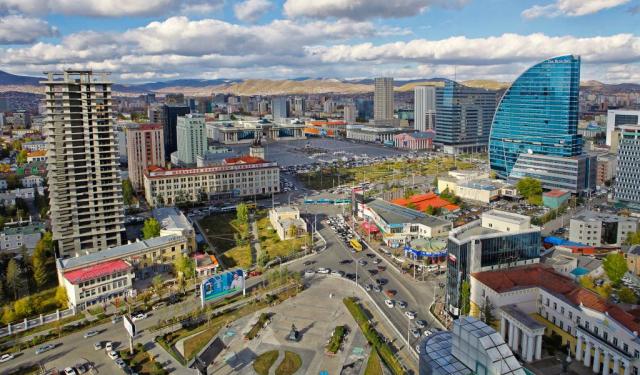
Nestled in the valley of the Tuul River surrounded by four sacred mountains, the capital of Mongolia, Ulaanbaatar, is the political and economic heart of the nation and a repository of Mongolian culture. The name "Ulaanbaatar" translates to "Red Hero," a title bestowed in 1924 to honor Mongolia's independence from China, facilitated by Soviet support.
Historically, the... view more
Tour Duration: 2 Hour(s)
Travel Distance: 3.8 Km or 2.4 Miles
Historically, the... view more
Tour Duration: 2 Hour(s)
Travel Distance: 3.8 Km or 2.4 Miles