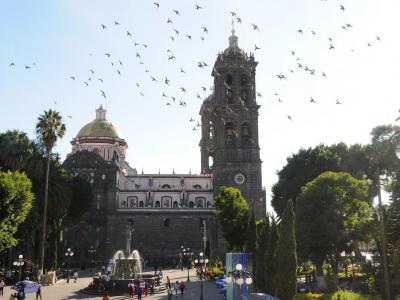


Zocalo Plaza and San Miguel Fountain, Puebla (must see)
Zócalo Plaza and the San Miguel Fountain form the civic heart of the historic centre, a place where planning, religion, trade, and daily life have overlapped since the colonial period. Laid out in the 16th century as the centre of the surrounding grid, the square was reportedly adjusted from an early rectangular plan into its present balanced form. The valley’s older Nahuatl name, Cuetlaxcuapan, meaning “the place where snakes change their skin,” adds a pre-Hispanic layer to its identity.
Although commonly called the Zócalo today, the square was historically known as the Plaza Mayor. The word “Zócalo,” meaning plinth or pedestal, became common here only in the early 20th century. Before the square became a place for strolling and ceremonies, it also served as an open-air market for food, clothing, and daily goods.
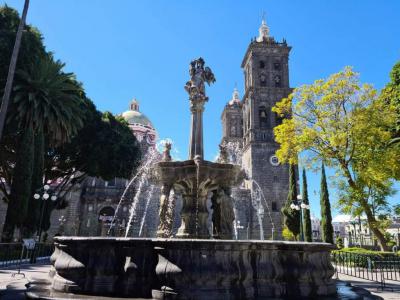
At the centre stands the San Miguel Fountain, created in the 18th century and focused on the figure of Saint Michael the Archangel. Today it serves as a sculptural landmark, though its original role was practical: supplying potable water during the colonial period. Removed in the 19th century for a decorative kiosk, it returned in the 1960s to restore the square’s older layout.
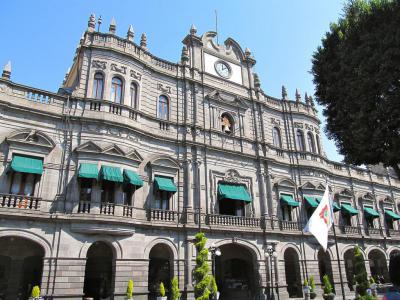
The plaza has also served as a stage for public entertainment, regulation, and civic ritual. Bullfights were held here from the late 16th to the early 18th century, when the square could be turned into an arena. The plaza also concentrated daily trade, including bread sales, while today its shaded paths, arcades, façades, and sculptural details preserve a strong sense of civic life.
Although commonly called the Zócalo today, the square was historically known as the Plaza Mayor. The word “Zócalo,” meaning plinth or pedestal, became common here only in the early 20th century. Before the square became a place for strolling and ceremonies, it also served as an open-air market for food, clothing, and daily goods.
At the centre stands the San Miguel Fountain, created in the 18th century and focused on the figure of Saint Michael the Archangel. Today it serves as a sculptural landmark, though its original role was practical: supplying potable water during the colonial period. Removed in the 19th century for a decorative kiosk, it returned in the 1960s to restore the square’s older layout.
The plaza has also served as a stage for public entertainment, regulation, and civic ritual. Bullfights were held here from the late 16th to the early 18th century, when the square could be turned into an arena. The plaza also concentrated daily trade, including bread sales, while today its shaded paths, arcades, façades, and sculptural details preserve a strong sense of civic life.
Want to visit this sight? Check out these Self-Guided Walking Tours in Puebla. Alternatively, you can download the mobile app "GPSmyCity: Walks in 1K+ Cities" from Apple App Store or Google Play Store. The app turns your mobile device to a personal tour guide and it works offline, so no data plan is needed when traveling abroad.
Download The GPSmyCity App



Zocalo Plaza and San Miguel Fountain on Map
Sight Name: Zocalo Plaza and San Miguel Fountain
Sight Location: Puebla, Mexico (See walking tours in Puebla)
Sight Type: Attraction/Landmark
Guide(s) Containing This Sight:
Sight Location: Puebla, Mexico (See walking tours in Puebla)
Sight Type: Attraction/Landmark
Guide(s) Containing This Sight:
Nearby Sights
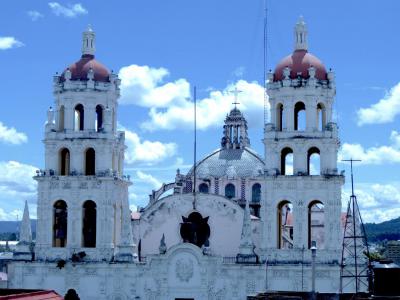
Walking Tours in Puebla, Mexico

Create Your Own Walk in Puebla
Creating your own self-guided walk in Puebla is easy and fun. Choose the city attractions that you want to see and a walk route map will be created just for you. You can even set your hotel as the start point of the walk.
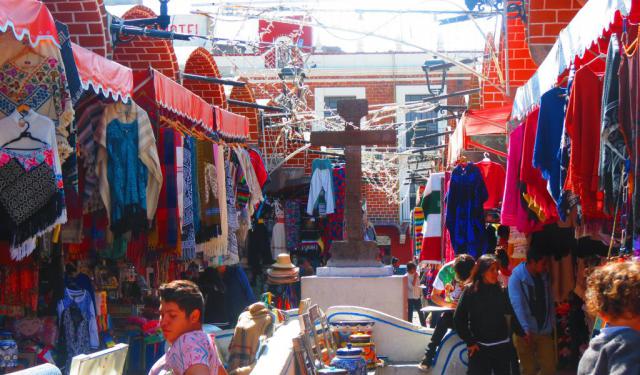
Puebla Food Tasting and Shopping Tour
Among other delights that the Mexican city of Puebla can pride itself on is the abundant food and shopping scene fit to delight even the most discerning travelers with an array of colors and flavors to treat themselves to.
One spot to visit for non-trivial shopping is the Alley of the Frogs (Callejón de los Sapos), where antique stores and vendors line the cobblestone streets, offering a... view more
Tour Duration: 1 Hour(s)
Travel Distance: 2.5 Km or 1.6 Miles
One spot to visit for non-trivial shopping is the Alley of the Frogs (Callejón de los Sapos), where antique stores and vendors line the cobblestone streets, offering a... view more
Tour Duration: 1 Hour(s)
Travel Distance: 2.5 Km or 1.6 Miles
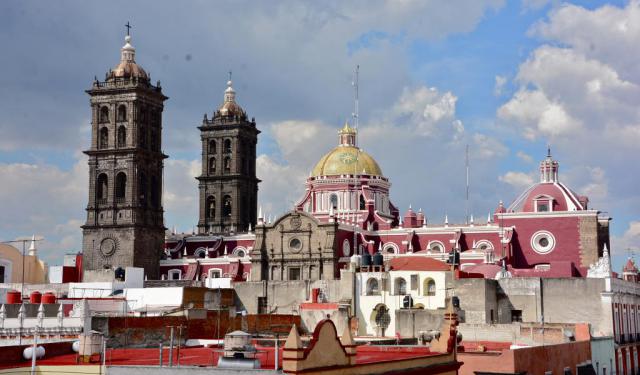
Puebla Introduction Walking Tour
The city of Puebla is the capital of the state of Puebla and the fourth largest city in Mexico. It was founded in 1531 in an uninhabited area between two indigenous settlements of the time, Tlaxcala and Cholula. The area used to be called Cuetlaxcoapan, which means "where serpents change their skin".
Spanish conquistador Hernán Cortés occupied the Puebla region in 1519, killing most... view more
Tour Duration: 2 Hour(s)
Travel Distance: 2.5 Km or 1.6 Miles
Spanish conquistador Hernán Cortés occupied the Puebla region in 1519, killing most... view more
Tour Duration: 2 Hour(s)
Travel Distance: 2.5 Km or 1.6 Miles
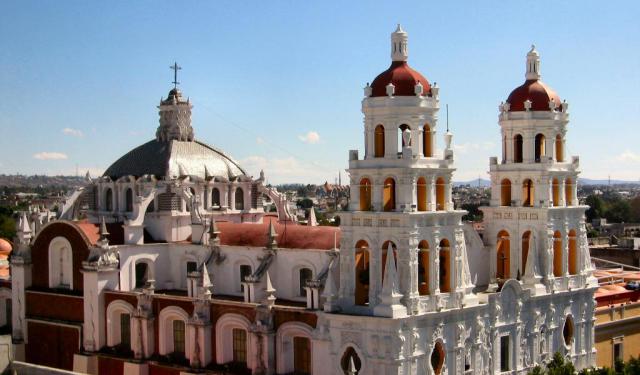
Puebla Colonial Architecture Walking Tour
One of the most authentic and traditional destinations in Mexico, the city of Puebla abounds in Baroque architecture, or rather the peculiar regional form thereof resulted from the fusion of European and indigenous styles in the 17th and 18th centuries.
Visiting this magical place you will find lots of (more than 70!) sumptuous churches, convents and sanctuaries, as well as other incredible... view more
Tour Duration: 2 Hour(s)
Travel Distance: 3.0 Km or 1.9 Miles
Visiting this magical place you will find lots of (more than 70!) sumptuous churches, convents and sanctuaries, as well as other incredible... view more
Tour Duration: 2 Hour(s)
Travel Distance: 3.0 Km or 1.9 Miles