Custom Walk in Dubai, United Arab Emirates by lynn_maguire7978 created on 2020-01-12
Guide Location: United Arab Emirates » Dubai
Guide Type: Custom Walk
# of Sights: 6
Tour Duration: 17 Hour(s)
Travel Distance: 50.4 Km or 31.3 Miles
Share Key: 47DZP
Guide Type: Custom Walk
# of Sights: 6
Tour Duration: 17 Hour(s)
Travel Distance: 50.4 Km or 31.3 Miles
Share Key: 47DZP
How It Works
Please retrieve this walk in the GPSmyCity app. Once done, the app will guide you from one tour stop to the next as if you had a personal tour guide. If you created the walk on this website or come to the page via a link, please follow the instructions below to retrieve the walk in the app.
Retrieve This Walk in App
Step 1. Download the app "GPSmyCity: Walks in 1K+ Cities" on Apple App Store or Google Play Store.



Step 2. In the GPSmyCity app, download(or launch) the guide "Dubai Map and Walking Tours".
Step 3. Tap the menu button located at upper right corner of the "Walks" screen and select "Retrieve custom walk". Enter the share key: 47DZP
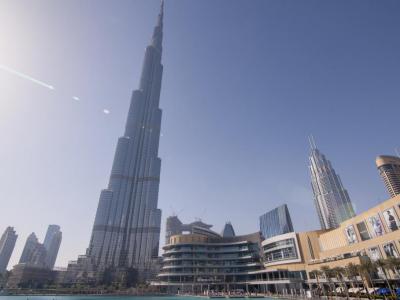
1) Burj Khalifa (Khalifa Tower) (must see)
Dubai’s ambitions have always been sky-high-quite literally. Once reliant on oil, the city shifted gears to tourism and real estate, turning its skyline into a vertical brag sheet. And right in the middle of it all, Downtown Dubai gives you the ultimate neck-stretching experience: standing at the foot of the Burj Khalifa, the tallest building on Earth!
This tower looks like it beamed down from a sci-fi blockbuster-sleek, shimmering, and almost 830 meters of pure “look what we can do” kind of appearance. It rises from a 27-acre park complete with palm-lined paths, fountains, and gardens that bloom thanks to an ingenious irrigation trick: the building’s own air-conditioning condensation. Only in Dubai, where water is scarce, can recycled humidity turn into flowers...
Inside, the Burj is a vertical city. It packs 160 stories of homes, offices, and attractions, plus another 46 for maintenance and communications, and two more underground for parking. Just gazing up at the spire is enough to make your head spin-or your phone camera fill up.
Luxury is mandatory here. There’s a pool on the 76th floor, fine dining on the 122nd, an observation deck with sweeping views on the 124th, a nightclub on the 144th, and even a mosque perched serenely on the 158th. If heaven had zoning laws, they’d look something like this.
The Burj Khalifa wasn’t cheap-it came with a $1.5-billion price tag and a dramatic twist. When Dubai’s finances wobbled during the world economic crisis, UAE President Khalifa bin Zayed Al Nahyan stepped in with a bailout. Out of gratitude, the tower was renamed in his honor, changing from “Burj Dubai” to “Burj Khalifa.”
And one last insider tip: book your tickets online at least a day or two in advance. Choose the second-highest viewing platform-it’ll save you serious money for nearly the same jaw-dropper. Because in Dubai, even your thriftiness can feel first-class...
This tower looks like it beamed down from a sci-fi blockbuster-sleek, shimmering, and almost 830 meters of pure “look what we can do” kind of appearance. It rises from a 27-acre park complete with palm-lined paths, fountains, and gardens that bloom thanks to an ingenious irrigation trick: the building’s own air-conditioning condensation. Only in Dubai, where water is scarce, can recycled humidity turn into flowers...
Inside, the Burj is a vertical city. It packs 160 stories of homes, offices, and attractions, plus another 46 for maintenance and communications, and two more underground for parking. Just gazing up at the spire is enough to make your head spin-or your phone camera fill up.
Luxury is mandatory here. There’s a pool on the 76th floor, fine dining on the 122nd, an observation deck with sweeping views on the 124th, a nightclub on the 144th, and even a mosque perched serenely on the 158th. If heaven had zoning laws, they’d look something like this.
The Burj Khalifa wasn’t cheap-it came with a $1.5-billion price tag and a dramatic twist. When Dubai’s finances wobbled during the world economic crisis, UAE President Khalifa bin Zayed Al Nahyan stepped in with a bailout. Out of gratitude, the tower was renamed in his honor, changing from “Burj Dubai” to “Burj Khalifa.”
And one last insider tip: book your tickets online at least a day or two in advance. Choose the second-highest viewing platform-it’ll save you serious money for nearly the same jaw-dropper. Because in Dubai, even your thriftiness can feel first-class...
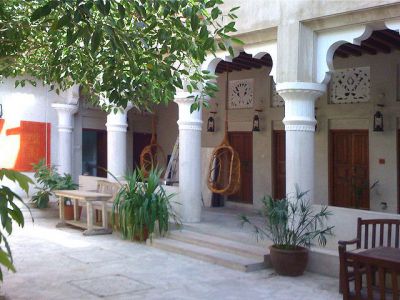
2) Courtyard
The Courtyard in Dubai is a lively and dynamic hub situated in the Al Quoz industrial area of the city. It truly embodies the energetic spirit of Dubai's artistic and cultural scene. This diverse neighborhood boasts a wide range of unique and trendy places, such as art galleries showcasing various forms of creative expression, temporary exhibitions brimming with innovative ideas, and photography studios capturing the essence of modern life.
Visitors are encouraged to explore a multitude of experiences, from the nostalgic charm of vintage theaters to the modern and inviting atmosphere of contemporary coffee shops and juice bars. The Courtyard also houses a business center that supports the growth of new ideas and businesses. You can also find bistros offering delicious culinary delights, as well as flower shops and bohemian home accessory stores that delight the senses with their vibrant displays and enticing fragrances.
Over time, The Courtyard has evolved into one of Dubai's most beloved artistic hubs and community gathering places. It's more than just a location; it's a destination where friends and families come together to enjoy the lively atmosphere. This vibrant enclave provides a peaceful escape from the hustle and bustle of the city, allowing visitors to immerse themselves in the cultural identity that lies at the heart of Dubai.
One essential aspect of the experience at The Courtyard is indulging in its culinary offerings. A visit wouldn't be complete without enjoying a coffee at Cassette, indulging in a delicious brunch at Boston Lane, and relaxing in the courtyard under the warm sun. The soothing ambiance is further enhanced by the melodious chimes from the interior design stores, creating a harmonious backdrop to this lively setting.
Visitors are encouraged to explore a multitude of experiences, from the nostalgic charm of vintage theaters to the modern and inviting atmosphere of contemporary coffee shops and juice bars. The Courtyard also houses a business center that supports the growth of new ideas and businesses. You can also find bistros offering delicious culinary delights, as well as flower shops and bohemian home accessory stores that delight the senses with their vibrant displays and enticing fragrances.
Over time, The Courtyard has evolved into one of Dubai's most beloved artistic hubs and community gathering places. It's more than just a location; it's a destination where friends and families come together to enjoy the lively atmosphere. This vibrant enclave provides a peaceful escape from the hustle and bustle of the city, allowing visitors to immerse themselves in the cultural identity that lies at the heart of Dubai.
One essential aspect of the experience at The Courtyard is indulging in its culinary offerings. A visit wouldn't be complete without enjoying a coffee at Cassette, indulging in a delicious brunch at Boston Lane, and relaxing in the courtyard under the warm sun. The soothing ambiance is further enhanced by the melodious chimes from the interior design stores, creating a harmonious backdrop to this lively setting.
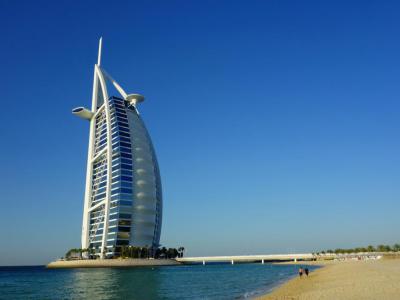
3) Burj Al Arab
The Burj Al Arab Jumeirah in Dubai is a marvel of luxury and architectural innovation, celebrated for its distinct 'seven-star status'. Opened in 1999, this all-suite hotel stands as a prominent landmark in Dubai, attracting a roster of VIPs and celebrities worldwide. Its iconic sail-shaped structure is built on its own island, soaring to a height of 321 meters, offering breathtaking views of the Arabian Gulf.
The opulence of the Burj Al Arab is evident in its gold-laden interiors and extravagant suites, making it a symbol of luxury in Dubai, comparable to other five-star establishments in the city. Guests at the hotel are treated to a range of fine-dining options, access to stunning beaches, and the expansive Burj Al Arab Terrace. This commitment to luxury and exclusive experiences cements its status as a 'seven-star' hotel.
A standout feature of the Burj Al Arab is the recently renovated Exit Lobby, which leaves a lasting impression on guests. The lobby boasts a bespoke spiral chandelier, a masterpiece designed by the Czech company Sans Souci. This chandelier, comprising 210 crystal tubes and weighing around 450 kilograms, adds to the hotel's atmosphere of elegance and grandeur.
The Burj Al Arab Jumeirah is not just a hotel but a symbol of Dubai's rise as a global destination for luxury tourism. Its unique design, unparalleled hospitality, and extravagant amenities make it one of the best places to stay in Dubai, offering an unforgettable experience to its guests.
Tip:
You can't actually access the bridge that leads up to the Burj unless you are a guest or have a reservation with one the restaurants/bars inside. You need to show security the proof of reservation to be allowed into the Burj. On a side note, make sure you also take passport ID if you look younger than 21.
The opulence of the Burj Al Arab is evident in its gold-laden interiors and extravagant suites, making it a symbol of luxury in Dubai, comparable to other five-star establishments in the city. Guests at the hotel are treated to a range of fine-dining options, access to stunning beaches, and the expansive Burj Al Arab Terrace. This commitment to luxury and exclusive experiences cements its status as a 'seven-star' hotel.
A standout feature of the Burj Al Arab is the recently renovated Exit Lobby, which leaves a lasting impression on guests. The lobby boasts a bespoke spiral chandelier, a masterpiece designed by the Czech company Sans Souci. This chandelier, comprising 210 crystal tubes and weighing around 450 kilograms, adds to the hotel's atmosphere of elegance and grandeur.
The Burj Al Arab Jumeirah is not just a hotel but a symbol of Dubai's rise as a global destination for luxury tourism. Its unique design, unparalleled hospitality, and extravagant amenities make it one of the best places to stay in Dubai, offering an unforgettable experience to its guests.
Tip:
You can't actually access the bridge that leads up to the Burj unless you are a guest or have a reservation with one the restaurants/bars inside. You need to show security the proof of reservation to be allowed into the Burj. On a side note, make sure you also take passport ID if you look younger than 21.
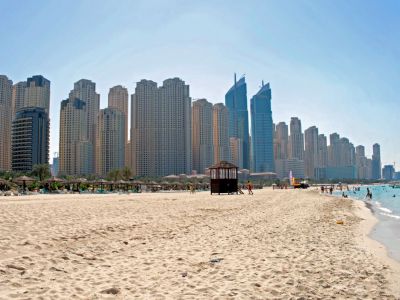
4) Jumeirah Beach
Jumeira Beach is a picturesque sandy shoreline situated in Dubai, specifically named after the Jumeirah district. It graces the coast along the southern part of the city's historic center and extends until it meets The Palm Jumeirah, concluding its stretch between the southern end of Jumeirah Beach Residence (adjacent to Dubai Marina) and the port facilities at Jebel Ali.
The surrounding neighborhoods near the beach encompass Jumeirah, Umm Suqeim, and Al Sufouh. Informally, this entire stretch of neighborhoods and districts, starting from the southern edge of Kerama and reaching the end of Palm Jumeirah at Knowledge Village, is sometimes collectively referred to as the Jumeirah Beach Road area.
The beachfront area is characterized by prominent hotels, resorts, and residential developments. Notable landmarks include the iconic Burj Al Arab (Arab Tower) hotel, the adventurous Wild Wadi Water Park, the luxurious Jumeirah Beach Hotel, and the charmingly traditional Madinat Jumeirah, which combines a hotel and shopping complex. Adjacent to the Burj Al Arab Hotel, you'll find a water park, while on the other side lies the serene Jumeirah Beach Park.
The surrounding neighborhoods near the beach encompass Jumeirah, Umm Suqeim, and Al Sufouh. Informally, this entire stretch of neighborhoods and districts, starting from the southern edge of Kerama and reaching the end of Palm Jumeirah at Knowledge Village, is sometimes collectively referred to as the Jumeirah Beach Road area.
The beachfront area is characterized by prominent hotels, resorts, and residential developments. Notable landmarks include the iconic Burj Al Arab (Arab Tower) hotel, the adventurous Wild Wadi Water Park, the luxurious Jumeirah Beach Hotel, and the charmingly traditional Madinat Jumeirah, which combines a hotel and shopping complex. Adjacent to the Burj Al Arab Hotel, you'll find a water park, while on the other side lies the serene Jumeirah Beach Park.
5) Dubai Museum and Al Fahidi Fort (must see)
If you want to peel back Dubai’s glittering skyline and see what life looked like before oil changed everything, head straight-well, figuratively speaking-to the Dubai Museum. Think of it as a time capsule wrapped in palm fronds and cannon smoke.
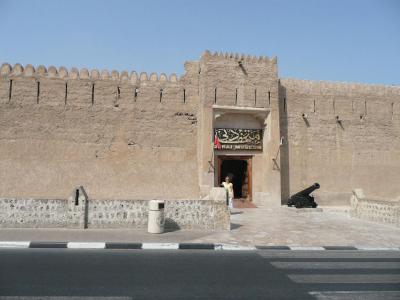
The museum sits inside Al Fahidi Fort, Dubai’s oldest surviving building, dating back to 1787-back when forts were built square, towers kept watch from three corners, and cannons weren’t just decorative. Step through the east entrance and you’re greeted by the UAE and Dubai flags flapping above two serious-looking cannons, as if still guarding the Creek from pirates. In the courtyard, there’s more artillery, plus an arish-a traditional summer house woven from palm fronds-complete with divans for lounging, a sleeping nook, and a kitchen where you can almost smell the old coffee.
Inside the fortress walls and underground galleries, history unfolds with flair. There’s a full display of weapons, a model of Dubai in 1820, and musical instruments paired with folk music that sounds like it’s drifting in from a village majlis (which is a special hall for receiving guests on formal occasions). One gallery features old maps and short films that rewind the city’s evolution-from pearl divers and dhow captains to skyscraper architects and metro lines.
Speaking of dhows (a lateen-rigged boat with one or two masts, used in the Arabian region), you’ll find one here-full-sized, naturally-alongside a recreated souk, complete with lifelike merchants selling goods as if they expect you to haggle. You’ll also come across a traditional mosque model, a family house, a Bedouin tent (camels included), and a celestial gallery where star maps explain how desert travelers once navigated by starlight rather than Google Maps...
The final stretch takes you into an archaeological diorama at Al Qusais, complete with ancient tombs and skeletons-as close to Indiana Jones as it possibly gets in Dubai.
Sound effects echo through every gallery, making it feel like the fort is alive again-market chatter, boat creaks, desert winds. And yes, there’s a gift shop that’s actually worth browsing.
Once you’ve soaked in the history, wander the nearby Al Fahidi district. Quiet lanes, coral-stone walls, and wind towers make the perfect contrast to the city’s steel and glass.
The museum sits inside Al Fahidi Fort, Dubai’s oldest surviving building, dating back to 1787-back when forts were built square, towers kept watch from three corners, and cannons weren’t just decorative. Step through the east entrance and you’re greeted by the UAE and Dubai flags flapping above two serious-looking cannons, as if still guarding the Creek from pirates. In the courtyard, there’s more artillery, plus an arish-a traditional summer house woven from palm fronds-complete with divans for lounging, a sleeping nook, and a kitchen where you can almost smell the old coffee.
Inside the fortress walls and underground galleries, history unfolds with flair. There’s a full display of weapons, a model of Dubai in 1820, and musical instruments paired with folk music that sounds like it’s drifting in from a village majlis (which is a special hall for receiving guests on formal occasions). One gallery features old maps and short films that rewind the city’s evolution-from pearl divers and dhow captains to skyscraper architects and metro lines.
Speaking of dhows (a lateen-rigged boat with one or two masts, used in the Arabian region), you’ll find one here-full-sized, naturally-alongside a recreated souk, complete with lifelike merchants selling goods as if they expect you to haggle. You’ll also come across a traditional mosque model, a family house, a Bedouin tent (camels included), and a celestial gallery where star maps explain how desert travelers once navigated by starlight rather than Google Maps...
The final stretch takes you into an archaeological diorama at Al Qusais, complete with ancient tombs and skeletons-as close to Indiana Jones as it possibly gets in Dubai.
Sound effects echo through every gallery, making it feel like the fort is alive again-market chatter, boat creaks, desert winds. And yes, there’s a gift shop that’s actually worth browsing.
Once you’ve soaked in the history, wander the nearby Al Fahidi district. Quiet lanes, coral-stone walls, and wind towers make the perfect contrast to the city’s steel and glass.
6) Grand Mosque (must see)
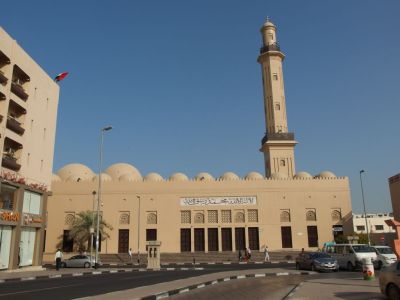
Wandering through Bur Dubai, you can't help spotting something suspiciously looking like a lighthouse with a prayer cap. If so, congratulations!-You’ve found the Grand Bur Dubai Mosque! Its 70-meter Anatolian-style minaret, rising above the skyline, is practically impossible to miss-unless you’re actively trying... Built in 1998 but styled to pass for something from 1900, this mosque is essentially Dubai’s architectural time traveler.
It stands where its predecessor once stood, a school where children once gathered to study the Quran. So yes, it's more than just a building but a quiet chapter of Dubai’s educational and spiritual story, rewritten in stone. And speaking of stone, the exterior keeps things calm and minimal, which only makes the nine large domes and 45 smaller ones on the roof stand out even more. Think of it as a celestial grid made local.
Once inside, you’ll find space for up to 1,200 worshipers-indeed, this mosque isn’t just a pretty face. A very much active house of worship, it anchors the neighborhood’s religious and cultural rhythm. Public tours run Sunday through Thursday, between 9:30 and 11:30 in the morning-just enough time to soak in the details without skipping lunch.
If you're not a worshiper but still asking yourself, Why come here?-The answer is simple. For this is a rare blend of historic spirit and modern craftsmanship-an artistic nod to Dubai’s past that still holds its own among the city’s sleek towers. And beyond the stone walls and domes, it offers something subtler: a glimpse into how deeply faith and daily life intertwine in a predominantly Muslim city.
Just one thing-dress modestly. It’s a working mosque, and respect is part of the experience.
It stands where its predecessor once stood, a school where children once gathered to study the Quran. So yes, it's more than just a building but a quiet chapter of Dubai’s educational and spiritual story, rewritten in stone. And speaking of stone, the exterior keeps things calm and minimal, which only makes the nine large domes and 45 smaller ones on the roof stand out even more. Think of it as a celestial grid made local.
Once inside, you’ll find space for up to 1,200 worshipers-indeed, this mosque isn’t just a pretty face. A very much active house of worship, it anchors the neighborhood’s religious and cultural rhythm. Public tours run Sunday through Thursday, between 9:30 and 11:30 in the morning-just enough time to soak in the details without skipping lunch.
If you're not a worshiper but still asking yourself, Why come here?-The answer is simple. For this is a rare blend of historic spirit and modern craftsmanship-an artistic nod to Dubai’s past that still holds its own among the city’s sleek towers. And beyond the stone walls and domes, it offers something subtler: a glimpse into how deeply faith and daily life intertwine in a predominantly Muslim city.
Just one thing-dress modestly. It’s a working mosque, and respect is part of the experience.
