Custom Walk in Detroit, Michigan by kas6564_ac284 created on 2025-05-29
Guide Location: USA » Detroit
Guide Type: Custom Walk
# of Sights: 14
Tour Duration: 12 Hour(s)
Travel Distance: 31.9 Km or 19.8 Miles
Share Key: TEAU8
Guide Type: Custom Walk
# of Sights: 14
Tour Duration: 12 Hour(s)
Travel Distance: 31.9 Km or 19.8 Miles
Share Key: TEAU8
How It Works
Please retrieve this walk in the GPSmyCity app. Once done, the app will guide you from one tour stop to the next as if you had a personal tour guide. If you created the walk on this website or come to the page via a link, please follow the instructions below to retrieve the walk in the app.
Retrieve This Walk in App
Step 1. Download the app "GPSmyCity: Walks in 1K+ Cities" on Apple App Store or Google Play Store.



Step 2. In the GPSmyCity app, download(or launch) the guide "Detroit Map and Walking Tours".
Step 3. Tap the menu button located at upper right corner of the "Walks" screen and select "Retrieve custom walk". Enter the share key: TEAU8
1) Campus Martius Park
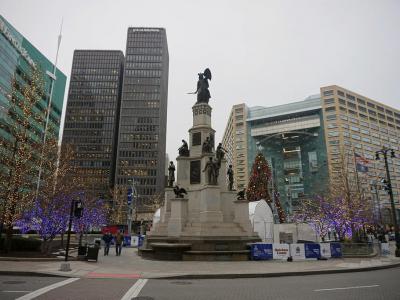
Campus Martius Park is a vibrant public space located in Downtown Detroit. Its history dates back to the aftermath of the Great Fire of 1805 when Judge Augustus Woodward used the area as the focal point for his plans to rebuild the city. The park's name, "Campus Martius," is derived from the Latin term for "Field of Mars," symbolizing a space where Roman heroes once walked. It was also named after the principal square in Marietta, Ohio, the first capital of the Northwest Territory.
Campus Martius was once a large central gathering space in Detroit but was lost in the early 1900s due to downtown reconfiguration for traffic. Although Hart Plaza was created as a replacement, its lack of greenery sparked efforts to restore Campus Martius, which reopened on November 19, 2004.
The revitalized Campus Martius Park covers 1.2 acres and features two performance stages, public spaces, sculptures, and a seasonal ice skating rink inspired by, and larger than, the iconic rink at Rockefeller Center in New York City. Although smaller than the original park, additional green space was created nearby with the opening of Cadillac Square Park in 2007.
The Woodward Fountain, surrounded by seating and beautiful landscaping, is a park highlight. Attractions include the Michigan Soldiers and Sailors Monument and the Point of Origin 1806 marker, which designates Detroit's coordinate system's starting point, aligning with roads like Seven Mile and Eight Mile.
Campus Martius Park has become a hub for year-round activities. It is the site of the annual Motown Winter Blast, attracting over 450,000 visitors to the downtown area, and it hosts Detroit’s official Christmas tree lighting celebration each November, drawing thousands for live music, festive decorations, and the holiday countdown.
Campus Martius was once a large central gathering space in Detroit but was lost in the early 1900s due to downtown reconfiguration for traffic. Although Hart Plaza was created as a replacement, its lack of greenery sparked efforts to restore Campus Martius, which reopened on November 19, 2004.
The revitalized Campus Martius Park covers 1.2 acres and features two performance stages, public spaces, sculptures, and a seasonal ice skating rink inspired by, and larger than, the iconic rink at Rockefeller Center in New York City. Although smaller than the original park, additional green space was created nearby with the opening of Cadillac Square Park in 2007.
The Woodward Fountain, surrounded by seating and beautiful landscaping, is a park highlight. Attractions include the Michigan Soldiers and Sailors Monument and the Point of Origin 1806 marker, which designates Detroit's coordinate system's starting point, aligning with roads like Seven Mile and Eight Mile.
Campus Martius Park has become a hub for year-round activities. It is the site of the annual Motown Winter Blast, attracting over 450,000 visitors to the downtown area, and it hosts Detroit’s official Christmas tree lighting celebration each November, drawing thousands for live music, festive decorations, and the holiday countdown.
2) Michigan Central Station
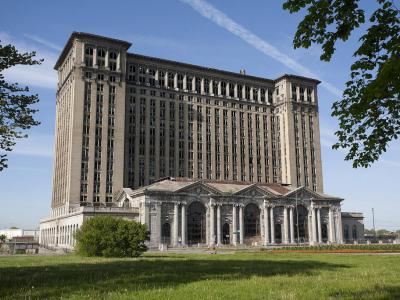
Michigan Central Station (MCS), also known as Michigan Central Depot, is a historic former intercity passenger rail station located in Detroit. Constructed between June 1912 and December 1913 for the Michigan Central Railroad, it replaced the original downtown depot after a major fire on December 26, 1913, forced the still-unfinished station into early service. The station was formally dedicated on January 4, 1914.
Designed in the Beaux-Arts style by the architectural firms Reed and Stem and Warren and Wetmore, who also worked on New York City's Grand Central Terminal, the building features a three-story train depot and an 18-story office tower, standing at 230 feet (70 meters). At the time of its construction, it was the tallest rail station in the world.
Located in Detroit's Corktown district near the Ambassador Bridge, approximately southwest of downtown, the station is situated behind Roosevelt Park, which serves as a grand entryway. The Roosevelt Warehouse is adjacent to the east, connected to MCS via a tunnel. The station was added to the National Register of Historic Places in 1975.
After decades of declining passenger numbers, the station closed on January 6, 1988, when Amtrak service was relocated. The building remained vacant for years, becoming a symbol of Detroit's urban decay. In May 2018, Ford Motor Company purchased the building, aiming to redevelop it into a mixed-use facility as part of the company's new Corktown campus. Following extensive renovations, the station reopened on June 6, 2024, serving as a tech and cultural hub.
The restored Michigan Central Station now offers guided tours, allowing visitors to explore its history and transformation. These 90-minute tours, powered by Detroit History Tours, take guests through the ground floor to experience the station's historic restoration and its role as the centerpiece of Michigan Central's 30-acre tech and cultural hub.
The station has also been featured in various films, music videos, and television shows, reflecting its iconic status in Detroit's architectural and cultural landscape.
Designed in the Beaux-Arts style by the architectural firms Reed and Stem and Warren and Wetmore, who also worked on New York City's Grand Central Terminal, the building features a three-story train depot and an 18-story office tower, standing at 230 feet (70 meters). At the time of its construction, it was the tallest rail station in the world.
Located in Detroit's Corktown district near the Ambassador Bridge, approximately southwest of downtown, the station is situated behind Roosevelt Park, which serves as a grand entryway. The Roosevelt Warehouse is adjacent to the east, connected to MCS via a tunnel. The station was added to the National Register of Historic Places in 1975.
After decades of declining passenger numbers, the station closed on January 6, 1988, when Amtrak service was relocated. The building remained vacant for years, becoming a symbol of Detroit's urban decay. In May 2018, Ford Motor Company purchased the building, aiming to redevelop it into a mixed-use facility as part of the company's new Corktown campus. Following extensive renovations, the station reopened on June 6, 2024, serving as a tech and cultural hub.
The restored Michigan Central Station now offers guided tours, allowing visitors to explore its history and transformation. These 90-minute tours, powered by Detroit History Tours, take guests through the ground floor to experience the station's historic restoration and its role as the centerpiece of Michigan Central's 30-acre tech and cultural hub.
The station has also been featured in various films, music videos, and television shows, reflecting its iconic status in Detroit's architectural and cultural landscape.
3) Motown Historical Museum (must see)
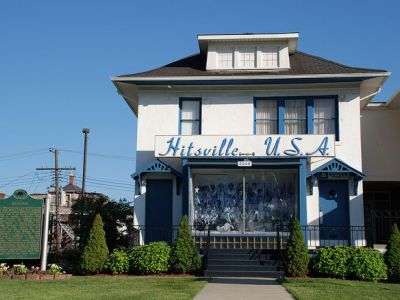
The Motown Museum draws visitors into an experience that introduces them to the unique music that makes Motown what it is. This museum celebrates the iconic music style's history, going back to 1959. One of the highlights of the museum is Studio A, where some of Motown's first hits were recorded. The upper flat where Gordy Berry once lived has also been restored and a favorite with visitors.
You'll also want to visit the Control Room, which has the original recording equipment on display. When you go through this room, you'll be able to imagine the artists at work easily.
One of the things that keeps everything in this museum fresh and exciting is that the main exhibit changes monthly to bi-monthly. Examples of main exhibits have included an exhibit dedicated to Jim Hendin. These themed exhibits help perfectly captured the spirit of the era that they represent.
If you want to have an experience that stands out from the crowd, consider an interactive guided tour. You'll learn a lot about the music and artists that made it great through these tours. One of the top highlights for many visitors is taking selfies to share across social media.
Visiting this museum is an excellent way to catch special performances and events. From spoken word to singing competitions, there is something to please almost anyone. Many of the events include educational offerings geared towards the larger community.
Why You Must Visit:
The chance to see where everything began with your favorite Motown artists and appreciate how they paved the way for others.
Tips:
This museum is customarily open Thursdays through Sundays, so you may want to confirm that the museum is open before visiting.
You'll also want to visit the Control Room, which has the original recording equipment on display. When you go through this room, you'll be able to imagine the artists at work easily.
One of the things that keeps everything in this museum fresh and exciting is that the main exhibit changes monthly to bi-monthly. Examples of main exhibits have included an exhibit dedicated to Jim Hendin. These themed exhibits help perfectly captured the spirit of the era that they represent.
If you want to have an experience that stands out from the crowd, consider an interactive guided tour. You'll learn a lot about the music and artists that made it great through these tours. One of the top highlights for many visitors is taking selfies to share across social media.
Visiting this museum is an excellent way to catch special performances and events. From spoken word to singing competitions, there is something to please almost anyone. Many of the events include educational offerings geared towards the larger community.
Why You Must Visit:
The chance to see where everything began with your favorite Motown artists and appreciate how they paved the way for others.
Tips:
This museum is customarily open Thursdays through Sundays, so you may want to confirm that the museum is open before visiting.
4) Fisher Building (must see)
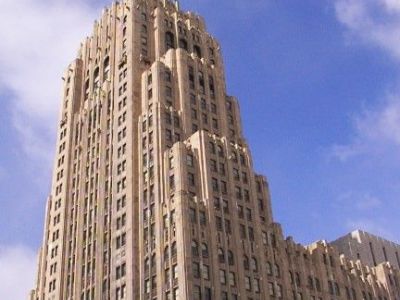
The Fisher Building is a local landmark in Detroit, in the ever-popular New Center. This building dates to 1928 and stands 30 stories tall. Like many other buildings of the time, the skyscraper features an Art Deco style. Granite, limestone, and several kinds of marble make up the construction, creating a very impressive sight. This skyscraper has been a National Historic Landmark since 1989.
One of the building's signature attractions is the Fisher Theatre, which seats 2,098. The theater specializes in Broadway and off-Broadway productions. Another exciting thing about this theater is that it has been used for tryouts for significant productions. Three radio stations for the area also have their studios in this building. A radio antenna on the top of the building highlights the importance that these radio stations have had.
The theater entrance area features impressive traditional decor. Visitors are sure to love the opportunity to take pictures of this decor.
One of the building's signature attractions is the Fisher Theatre, which seats 2,098. The theater specializes in Broadway and off-Broadway productions. Another exciting thing about this theater is that it has been used for tryouts for significant productions. Three radio stations for the area also have their studios in this building. A radio antenna on the top of the building highlights the importance that these radio stations have had.
The theater entrance area features impressive traditional decor. Visitors are sure to love the opportunity to take pictures of this decor.
5) Ford Piquette Avenue Plant (must see)
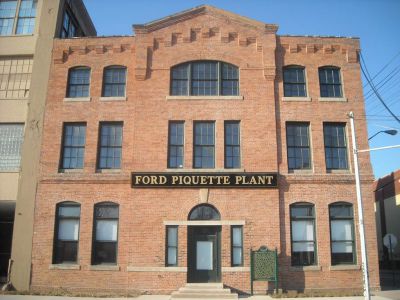
The Ford Piquette Avenue Plant is a popular tourist site dedicated to the preservation of the Model T car. This Victorian-era brick building dates to 1904, with a design that resembles the famed New England textile mills. The building was the first purpose-built structure constructed by the Ford Motor Company.
This building has an extensive collection of Model T vehicles that represent the company's early production years. Visitors can take a closer look at these vehicles and read informative placards that provide information about each of the models. Henry Ford's office has been preserved with period furniture to give visitors a sense of what working here was like.
Another feature worthy of mention is The Jerry and Dorene Hammes Museum Store. Some of the souvenir items you can buy are replicas of original Model T booklets and price lists. Other items that you might want to consider are commemorative books, ornaments, and bingo games.
This building has an extensive collection of Model T vehicles that represent the company's early production years. Visitors can take a closer look at these vehicles and read informative placards that provide information about each of the models. Henry Ford's office has been preserved with period furniture to give visitors a sense of what working here was like.
Another feature worthy of mention is The Jerry and Dorene Hammes Museum Store. Some of the souvenir items you can buy are replicas of original Model T booklets and price lists. Other items that you might want to consider are commemorative books, ornaments, and bingo games.
6) Motor City Brewing Works
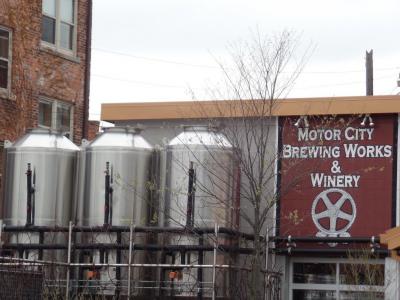
Motor City Brewing Works is a must-visit destination for true beer enthusiasts in Detroit. Known for its welcoming and homey atmosphere, it offers an inviting space to enjoy hand-crafted brews, great food, and warm company. The brewery features a cozy taproom, an open-air cedar deck overlooking Canfield Street and the downtown Detroit skyline, and an ambiance that celebrates Detroit’s rich cultural heritage.
Established in 1994, Motor City Brewing Works is Detroit’s oldest operating brewery and prides itself on crafting superior quality beer. Its offerings include original flavors such as Pale Ale, Amber Wheat, Nut Brown Ale, Lager, and the iconic Ghettoblaster. These can be enjoyed on-site, paired with brick oven pizzas, soups, and salads, or taken home. The menu extends beyond beer, featuring homemade hard cider, wine, and a selection of soda drinks, including ginger ale and grape.
The brewery embodies the city’s creative and industrial spirit, with its 20-barrel custom-fabricated brewery constructed from salvaged equipment and materials from Detroit's industrial past. It is a testament to the craftsmanship of local artists and fabricators. Visitors can also enjoy rotating displays of local art, adding to the vibrant cultural experience.
Brewery tours are available by appointment, offering a deeper glimpse into the operations of this historic microbrewery. As part of Detroit’s Cultural Center, Motor City Brewing Works stands as a proud contributor to the city’s legacy of art, literature, music, and beer. It has been serving Detroit with warm vibes and exceptional brews for over three decades, making it a cornerstone of the city’s thriving craft beer scene.
Established in 1994, Motor City Brewing Works is Detroit’s oldest operating brewery and prides itself on crafting superior quality beer. Its offerings include original flavors such as Pale Ale, Amber Wheat, Nut Brown Ale, Lager, and the iconic Ghettoblaster. These can be enjoyed on-site, paired with brick oven pizzas, soups, and salads, or taken home. The menu extends beyond beer, featuring homemade hard cider, wine, and a selection of soda drinks, including ginger ale and grape.
The brewery embodies the city’s creative and industrial spirit, with its 20-barrel custom-fabricated brewery constructed from salvaged equipment and materials from Detroit's industrial past. It is a testament to the craftsmanship of local artists and fabricators. Visitors can also enjoy rotating displays of local art, adding to the vibrant cultural experience.
Brewery tours are available by appointment, offering a deeper glimpse into the operations of this historic microbrewery. As part of Detroit’s Cultural Center, Motor City Brewing Works stands as a proud contributor to the city’s legacy of art, literature, music, and beer. It has been serving Detroit with warm vibes and exceptional brews for over three decades, making it a cornerstone of the city’s thriving craft beer scene.

7) Honest John's Bar & Grill
Nestled on Selden Street in Detroit, Honest John's Bar & Grill is a beloved local hangout known for its welcoming vibe, hearty food, and dedication to the community. This tavern-style spot is perfect for casual gatherings, whether you’re catching up with friends or enjoying a laid-back solo meal.
Honest John's is the kind of place where you feel like a regular from the moment you walk in. The warm and friendly atmosphere, coupled with cozy decor, creates a relaxing environment for diners of all ages. Adding to its charm is the owner’s reputation as a local hero, known for his generous contributions to charity and dedication to the community.
The menu at Honest John’s is as diverse as its patrons. Breakfast and brunch fans will love options like the Big "O" Omelet and Monte Cristo French Toast. For lunch or dinner, favorites like the BBQ Bacon & Cheddar Burger and Chicken Tenders offer classic comfort food, while vegan and vegetarian choices ensure there’s something for everyone. A late-night kitchen guarantees satisfying bites for those out after hours.
The bar serves a variety of drinks, including beer, wine, cocktails, and even fun, seasonal specials. With takeout options available, you can also enjoy their quality beverages on the go.
Whether you’re stopping in for a celebratory happy hour, a hearty brunch, or a late-night snack, this restaurant offers a casual, welcoming experience that’s hard to beat. Don't miss the chance to become a part of the Honest John's family!
Honest John's is the kind of place where you feel like a regular from the moment you walk in. The warm and friendly atmosphere, coupled with cozy decor, creates a relaxing environment for diners of all ages. Adding to its charm is the owner’s reputation as a local hero, known for his generous contributions to charity and dedication to the community.
The menu at Honest John’s is as diverse as its patrons. Breakfast and brunch fans will love options like the Big "O" Omelet and Monte Cristo French Toast. For lunch or dinner, favorites like the BBQ Bacon & Cheddar Burger and Chicken Tenders offer classic comfort food, while vegan and vegetarian choices ensure there’s something for everyone. A late-night kitchen guarantees satisfying bites for those out after hours.
The bar serves a variety of drinks, including beer, wine, cocktails, and even fun, seasonal specials. With takeout options available, you can also enjoy their quality beverages on the go.
Whether you’re stopping in for a celebratory happy hour, a hearty brunch, or a late-night snack, this restaurant offers a casual, welcoming experience that’s hard to beat. Don't miss the chance to become a part of the Honest John's family!
8) Grand Circus Park Historic District
The Grand Circus Park Historic District is a prominent area in downtown Detroit, encompassing the 5-acre (2.0 hectares) Grand Circus Park. Established in 1850 as part of Judge Augustus Woodward's plan to rebuild the city after the Great Fire of 1805, the park was originally intended to be a full circle. However, due to property owners north of Adams Street being reluctant to sell, it resulted in the current half-moon shape.
The district is bisected by Woodward Avenue and is roughly bounded by Clifford, John R., and Adams Streets. It serves as a connector between Detroit's theater district and financial district. Notable buildings surrounding the park include the David Broderick Tower, David Whitney Building, Kales Building, and the Central United Methodist Church. The Detroit Opera House overlooks the eastern edge of the park, adding to the area's cultural significance.
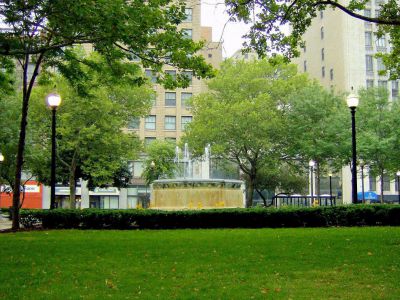
Grand Circus Park features several historic monuments and fountains. The eastern half houses the Russell Alger Memorial Fountain, designed by architect Henry Bacon in 1921, with a statue symbolizing Michigan by sculptor Daniel French. Additionally, there are statues of Mayor William Cotter Maybury and Mayor Hazen Pingree, both significant figures in Detroit's history.
In 1957, the City of Detroit constructed a parking garage beneath the two halves of the park to accommodate the growing need for parking spaces. The district was listed on the National Register of Historic Places in 1983, recognizing its architectural and historical significance.
Today, Grand Circus Park continues to be a central gathering place in Detroit, hosting various events and serving as a green oasis amidst the urban landscape.
The district is bisected by Woodward Avenue and is roughly bounded by Clifford, John R., and Adams Streets. It serves as a connector between Detroit's theater district and financial district. Notable buildings surrounding the park include the David Broderick Tower, David Whitney Building, Kales Building, and the Central United Methodist Church. The Detroit Opera House overlooks the eastern edge of the park, adding to the area's cultural significance.
Grand Circus Park features several historic monuments and fountains. The eastern half houses the Russell Alger Memorial Fountain, designed by architect Henry Bacon in 1921, with a statue symbolizing Michigan by sculptor Daniel French. Additionally, there are statues of Mayor William Cotter Maybury and Mayor Hazen Pingree, both significant figures in Detroit's history.
In 1957, the City of Detroit constructed a parking garage beneath the two halves of the park to accommodate the growing need for parking spaces. The district was listed on the National Register of Historic Places in 1983, recognizing its architectural and historical significance.
Today, Grand Circus Park continues to be a central gathering place in Detroit, hosting various events and serving as a green oasis amidst the urban landscape.
9) Belle Isle Park (must see)
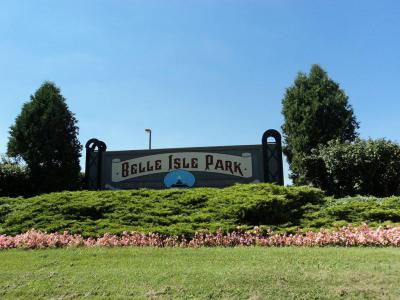
Belle Isle Park, often referred to simply as Belle Isle, is a sprawling 982-acre island park in the Detroit River, making it the largest city-owned island park in the United States. Located just south of the U.S.-Canada border, the park is connected to mainland Detroit via the historic MacArthur Bridge, offering residents and visitors an expansive retreat from urban life.
Originally known as "Hog Island" by French settlers in the 1700s, the land served as a communal grazing area before the City of Detroit purchased it in 1879. The park officially opened to the public in 1880 and soon became a cornerstone of urban recreation. Renowned landscape architect Frederick Law Olmsted designed elements of its layout, ensuring a harmonious blend of natural beauty and human-made structures.
Belle Isle Park offers diverse attractions, including the Anna Scripps Whitcomb Conservatory (1904), the oldest continuously operating U.S. conservatory, and the Belle Isle Aquarium, both designed by Albert Kahn. The Dossin Great Lakes Museum highlights maritime heritage, while the Belle Isle Nature Center features trails, wooded areas, and fallow deer. Recreational amenities include a sandy beach, golf course, picnic spots, and sports facilities, making it ideal for hiking, biking, and water activities.
Belle Isle has hosted the Detroit Grand Prix multiple times, further cementing its reputation as a dynamic recreational venue. Its rich history and diverse attractions draw locals and tourists alike, offering something for everyone-whether it's exploring maritime history, relaxing by the water, or marveling at historic structures.
Managed as a state park since 2013 under a lease agreement with the Michigan Department of Natural Resources, Belle Isle continues to be a treasured green space, blending natural beauty with cultural and recreational opportunities in the heart of Detroit.
Originally known as "Hog Island" by French settlers in the 1700s, the land served as a communal grazing area before the City of Detroit purchased it in 1879. The park officially opened to the public in 1880 and soon became a cornerstone of urban recreation. Renowned landscape architect Frederick Law Olmsted designed elements of its layout, ensuring a harmonious blend of natural beauty and human-made structures.
Belle Isle Park offers diverse attractions, including the Anna Scripps Whitcomb Conservatory (1904), the oldest continuously operating U.S. conservatory, and the Belle Isle Aquarium, both designed by Albert Kahn. The Dossin Great Lakes Museum highlights maritime heritage, while the Belle Isle Nature Center features trails, wooded areas, and fallow deer. Recreational amenities include a sandy beach, golf course, picnic spots, and sports facilities, making it ideal for hiking, biking, and water activities.
Belle Isle has hosted the Detroit Grand Prix multiple times, further cementing its reputation as a dynamic recreational venue. Its rich history and diverse attractions draw locals and tourists alike, offering something for everyone-whether it's exploring maritime history, relaxing by the water, or marveling at historic structures.
Managed as a state park since 2013 under a lease agreement with the Michigan Department of Natural Resources, Belle Isle continues to be a treasured green space, blending natural beauty with cultural and recreational opportunities in the heart of Detroit.
10) Belle Isle Aquarium
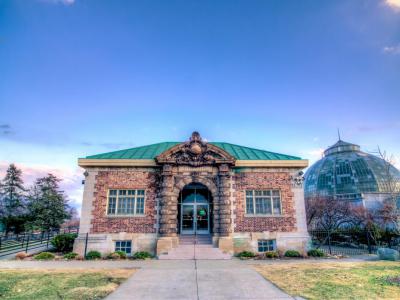
The Belle Isle Aquarium, nestled in the heart of Belle Isle Park in Detroit, is a historic gem and a testament to architectural and aquatic innovation. Designed by renowned architects George D. Mason and Albert Kahn, the aquarium opened its doors on August 18, 1904. At its inception, it was the third-largest aquarium in the world, holding an impressive 65,007 gallons of water. Its unique arched ceiling, covered with green glass tiles, creates an enchanting underwater ambiance that continues to delight visitors.
The aquarium is currently managed by the Belle Isle Conservancy, a non-profit organization dedicated to preserving and enhancing the park. This stewardship follows a storied history that includes its initial operation by the Detroit Zoological Society until its closure on April 3, 2005, due to budget constraints. After years of dedicated efforts by supporters, the aquarium triumphantly reopened on its 108th anniversary, August 18, 2012, now operating entirely through volunteer and community support.
Today, the Belle Isle Aquarium is home to over 200 species of aquatic animals, including several that are critically endangered or extinct in the wild. While originally focused on Great Lakes freshwater species, its collection now includes saltwater species from around the globe. The facility also spearheads numerous conservation and educational initiatives.
The aquarium offers programs designed to educate students and teachers across all grade levels, emphasizing water and environmental conservation. These initiatives aim to inspire the next generation to protect aquatic ecosystems and biodiversity.
The Belle Isle Aquarium stands as a beacon of resilience, conservation, and community dedication, continuing to enchant visitors while advancing crucial environmental efforts.
The aquarium is currently managed by the Belle Isle Conservancy, a non-profit organization dedicated to preserving and enhancing the park. This stewardship follows a storied history that includes its initial operation by the Detroit Zoological Society until its closure on April 3, 2005, due to budget constraints. After years of dedicated efforts by supporters, the aquarium triumphantly reopened on its 108th anniversary, August 18, 2012, now operating entirely through volunteer and community support.
Today, the Belle Isle Aquarium is home to over 200 species of aquatic animals, including several that are critically endangered or extinct in the wild. While originally focused on Great Lakes freshwater species, its collection now includes saltwater species from around the globe. The facility also spearheads numerous conservation and educational initiatives.
The aquarium offers programs designed to educate students and teachers across all grade levels, emphasizing water and environmental conservation. These initiatives aim to inspire the next generation to protect aquatic ecosystems and biodiversity.
The Belle Isle Aquarium stands as a beacon of resilience, conservation, and community dedication, continuing to enchant visitors while advancing crucial environmental efforts.
11) Anna Scripps Whitcomb Conservatory
The Anna Scripps Whitcomb Conservatory, also known locally as the Belle Isle Conservatory, is a historic greenhouse and botanical garden located on Belle Isle, a 982-acre island park in the Detroit River, within the city of Detroit. Despite its proximity to the Canada–United States border, Belle Isle is entirely within the United States. The conservatory occupies 13 acres of preserved land within the park, offering a serene escape filled with botanical wonders.
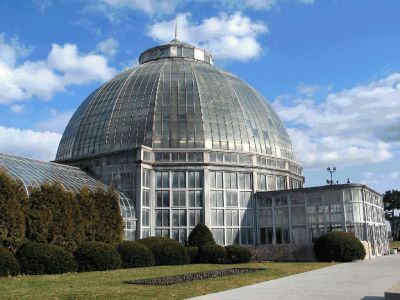
Opened on August 18, 1904, the Anna Scripps Whitcomb Conservatory holds the distinction of being the oldest continually operating conservatory in the United States. Designed by the renowned architectural firm of George D. Mason and Albert Kahn, the conservatory reflects inspiration from iconic 19th-century structures like The Crystal Palace and the Palm House at Kew Gardens. Its architectural centerpiece is the 85-foot-high central dome, which houses towering palm trees and other tropical species.
The conservatory features five sections: the Palm House (domed center), Tropical House (South Wing), Cactus House and Fernery (North Wing), and Show House (East Wing). Highlights include a lily pond to the north and perennial gardens to the west, featuring the Levi L. Barbour Memorial Fountain by Marshall Fredericks.
In 1955, the conservatory was renamed to honor Anna Scripps Whitcomb, who donated her collection of 600 orchids to the city. These orchids, some of which had been rescued from Britain during World War II, made the conservatory home to the largest municipally owned orchid collection in the United States. This gift cemented the conservatory’s reputation as a botanical treasure.
In the mid-1920s, the Belle Isle Conservatory attracted around 1.5 million visitors annually. Despite a 1953 renovation replacing its wooden dome frame with iron and aluminum, it retains its historic charm and remains a cherished symbol of Detroit’s dedication to natural beauty and heritage.
Opened on August 18, 1904, the Anna Scripps Whitcomb Conservatory holds the distinction of being the oldest continually operating conservatory in the United States. Designed by the renowned architectural firm of George D. Mason and Albert Kahn, the conservatory reflects inspiration from iconic 19th-century structures like The Crystal Palace and the Palm House at Kew Gardens. Its architectural centerpiece is the 85-foot-high central dome, which houses towering palm trees and other tropical species.
The conservatory features five sections: the Palm House (domed center), Tropical House (South Wing), Cactus House and Fernery (North Wing), and Show House (East Wing). Highlights include a lily pond to the north and perennial gardens to the west, featuring the Levi L. Barbour Memorial Fountain by Marshall Fredericks.
In 1955, the conservatory was renamed to honor Anna Scripps Whitcomb, who donated her collection of 600 orchids to the city. These orchids, some of which had been rescued from Britain during World War II, made the conservatory home to the largest municipally owned orchid collection in the United States. This gift cemented the conservatory’s reputation as a botanical treasure.
In the mid-1920s, the Belle Isle Conservatory attracted around 1.5 million visitors annually. Despite a 1953 renovation replacing its wooden dome frame with iron and aluminum, it retains its historic charm and remains a cherished symbol of Detroit’s dedication to natural beauty and heritage.
12) Detroit Riverfront (must see)
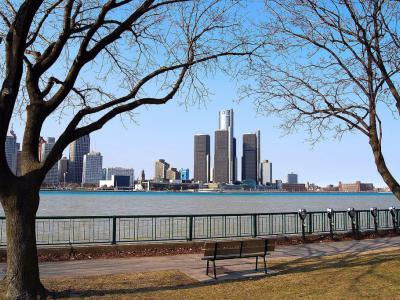
The Detroit Riverfront spans three and a half miles in an area ranging from the Joe Louis Arena to Gabriel Richard Park. A popular greenway known as the Dequindre Cut connects visitors to the green spaces accessible along the RiverWalk. This area is popular with runners and walkers and a favorite place for city residents to gather.
Milliken State Park and Harbor is one of the most popular green spaces found along the waterfront. One of the biggest attractions that draws people to this park is a lighthouse. This park also boasts a wetlands area, providing a nice touch of nature in the city.
The Aretha Franklin Amphitheater is one of the city's most popular outdoor entertainment venues, and you might have a chance to catch a performance as you make your way along the Riverfront. The Riverwalk Garden Rooms are also worth your time, giving you access to beautifully landscaped garden areas.
Milliken State Park and Harbor is one of the most popular green spaces found along the waterfront. One of the biggest attractions that draws people to this park is a lighthouse. This park also boasts a wetlands area, providing a nice touch of nature in the city.
The Aretha Franklin Amphitheater is one of the city's most popular outdoor entertainment venues, and you might have a chance to catch a performance as you make your way along the Riverfront. The Riverwalk Garden Rooms are also worth your time, giving you access to beautifully landscaped garden areas.
13) Mariner's Church
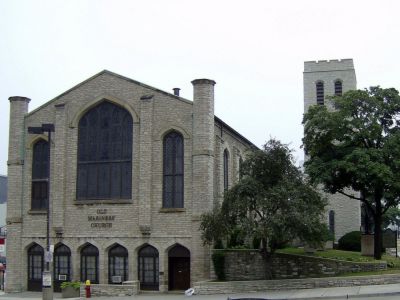
Mariners' Church of Detroit, established in 1842, is a historic church located on East Jefferson Avenue in Downtown Detroit. The church was created with a special mission to serve maritime travelers of the Great Lakes. The current Gothic Revival structure, designed by Calvin N. Otis and Hugh Moffat, was completed in 1849.
Originally situated at the corner of Woodbridge and Woodward streets, the church was relocated in 1955 to its present location to accommodate urban development. This move preserved its architectural integrity and historical significance.
Throughout its history, Mariners' Church has been dedicated to the spiritual well-being of sailors and the broader community. Notably, it served as a stop on the Underground Railroad, aiding enslaved individuals seeking freedom in Canada. In 1925, the church established Mariners' Inn, a shelter providing rehabilitation and counseling services for homeless substance abusers.
The church is renowned for its annual Blessing of the Fleet in March and the Great Lakes Memorial Service every November, honoring those who have lost their lives at sea. Following the sinking of the SS Edmund Fitzgerald in 1975, the church's bell tolled 29 times, once for each crew member lost, a tribute immortalized in Gordon Lightfoot's song "The Wreck of the Edmund Fitzgerald."
Architecturally, Mariners' Church features Lannon stone construction in the Gothic Revival style, with notable elements such as a 12-foot diameter rose window and a bell tower added during the 1955 relocation. The sanctuary includes stained glass windows depicting scenes from Detroit's history and the Bible, enhancing its historical and aesthetic significance.
Today, Mariners' Church continues its mission as "A House of Prayer for All People," offering services every Sunday at 8:30 and 11:00 AM.
Originally situated at the corner of Woodbridge and Woodward streets, the church was relocated in 1955 to its present location to accommodate urban development. This move preserved its architectural integrity and historical significance.
Throughout its history, Mariners' Church has been dedicated to the spiritual well-being of sailors and the broader community. Notably, it served as a stop on the Underground Railroad, aiding enslaved individuals seeking freedom in Canada. In 1925, the church established Mariners' Inn, a shelter providing rehabilitation and counseling services for homeless substance abusers.
The church is renowned for its annual Blessing of the Fleet in March and the Great Lakes Memorial Service every November, honoring those who have lost their lives at sea. Following the sinking of the SS Edmund Fitzgerald in 1975, the church's bell tolled 29 times, once for each crew member lost, a tribute immortalized in Gordon Lightfoot's song "The Wreck of the Edmund Fitzgerald."
Architecturally, Mariners' Church features Lannon stone construction in the Gothic Revival style, with notable elements such as a 12-foot diameter rose window and a bell tower added during the 1955 relocation. The sanctuary includes stained glass windows depicting scenes from Detroit's history and the Bible, enhancing its historical and aesthetic significance.
Today, Mariners' Church continues its mission as "A House of Prayer for All People," offering services every Sunday at 8:30 and 11:00 AM.
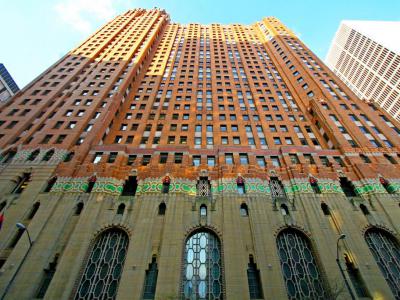
14) Guardian Building (must see)
The Guardian Building is one of Detroit's most famous skyscrapers, with a location at 500 Griswold Street, in the city's Financial District. This building was completed in 1929 and demonstrates the Art Deco style that was popular at that time. A highlight that makes the building stand out, in addition to its architecture, is the size of the American flag at the top of the building.
Most of the building spans 36 stories, with one of the spires featuring 40 stories. In addition to brickwork, the building features terra cotta, limestone, and tile. Sculptures make up part of the building's exterior, demonstrating the importance of commerce to the city.
The main entrance features a semi-circular dome that is colorful. Inside the building, the lower lobby has many features similar to the inside of a cathedral, including a ceiling with colorful tile designs. The elevator lobby has colorful lamps that are in keeping with the Art Deco design.
Most of the building spans 36 stories, with one of the spires featuring 40 stories. In addition to brickwork, the building features terra cotta, limestone, and tile. Sculptures make up part of the building's exterior, demonstrating the importance of commerce to the city.
The main entrance features a semi-circular dome that is colorful. Inside the building, the lower lobby has many features similar to the inside of a cathedral, including a ceiling with colorful tile designs. The elevator lobby has colorful lamps that are in keeping with the Art Deco design.
