Custom Walk in Lima, Peru by cameronirvine2006_54374 created on 2025-06-10
Guide Location: Peru » Lima
Guide Type: Custom Walk
# of Sights: 16
Tour Duration: 14 Hours
Travel Distance: 36.9 Km or 22.9 Miles
Share Key: 7ZA24
Guide Type: Custom Walk
# of Sights: 16
Tour Duration: 14 Hours
Travel Distance: 36.9 Km or 22.9 Miles
Share Key: 7ZA24
How It Works
Please retrieve this walk in the GPSmyCity app. Once done, the app will guide you from one tour stop to the next as if you had a personal tour guide. If you created the walk on this website or come to the page via a link, please follow the instructions below to retrieve the walk in the app.
Retrieve This Walk in App
Step 1. Download the app "GPSmyCity: Walks in 1K+ Cities" on Apple App Store or Google Play Store.



Step 2. In the GPSmyCity app, download(or launch) the guide "Lima Map and Walking Tours".
Step 3. Tap the menu button located at upper right corner of the "Walks" screen and select "Retrieve custom walk". Enter the share key: 7ZA24
1) Barranco
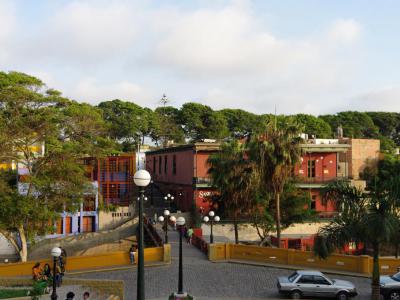
Barranco, one of the 43 districts in Lima, holds a special place as the city's most romantic and artistic neighborhood. Over the years, it has been a hub for Peru's leading artists, musicians, designers, and photographers. In the 19th century, it gained popularity as an upscale beach resort for the Limeño aristocracy, attracting summer vacationers from near and far, along with neighboring Chorrillos.
Today, Barranco's beaches have garnered international acclaim within the surfing community, while a modern marina, established in 2008, caters to the needs of its yacht club members.
The name "Barranco," which translates to "ravine" in Spanish, aptly describes its geographical features. The district boasts homes and eateries nestled around a ravine, perched atop a cliff that overlooks a sandy stretch extending from the Miraflores District to Chorrillos, now flanked by the Costa Verde Ave.
Barranco offers a picturesque pathway to the sea, known as the "Bajada de los Baños." Along this path stands the "Puente de los Suspiros," or the "Bridge of Sighs," an iconic structure spanning the ravine, inaugurated on Valentine's Day in 1876. On the opposite side of the bridge, a park features a statue honoring Chabuca Granda, a famous singer and composer hailing from Barranco.
Colonial and Republican-style houses, referred to as "casonas," adorn Barranco, along with charming parks, flower-filled streets, and inviting beachfront areas. The district hosts Lima's contemporary art museum, the MAC, and the Museo Pedro de Osma, which houses a remarkable collection of colonial art and stands as a well-preserved example of late-19th-century architectural style in Barranco.
The neighborhood is brimming with restaurants, nightclubs, discos, bars, and peñas, where visitors can enjoy Peruvian music performances. Along Pedro de Osma Ave., remnants of the former streetcar tracks, originally part of a railroad connecting Chorrillos/La Herradura to Downtown Lima, can still be spotted.
Today, Barranco's beaches have garnered international acclaim within the surfing community, while a modern marina, established in 2008, caters to the needs of its yacht club members.
The name "Barranco," which translates to "ravine" in Spanish, aptly describes its geographical features. The district boasts homes and eateries nestled around a ravine, perched atop a cliff that overlooks a sandy stretch extending from the Miraflores District to Chorrillos, now flanked by the Costa Verde Ave.
Barranco offers a picturesque pathway to the sea, known as the "Bajada de los Baños." Along this path stands the "Puente de los Suspiros," or the "Bridge of Sighs," an iconic structure spanning the ravine, inaugurated on Valentine's Day in 1876. On the opposite side of the bridge, a park features a statue honoring Chabuca Granda, a famous singer and composer hailing from Barranco.
Colonial and Republican-style houses, referred to as "casonas," adorn Barranco, along with charming parks, flower-filled streets, and inviting beachfront areas. The district hosts Lima's contemporary art museum, the MAC, and the Museo Pedro de Osma, which houses a remarkable collection of colonial art and stands as a well-preserved example of late-19th-century architectural style in Barranco.
The neighborhood is brimming with restaurants, nightclubs, discos, bars, and peñas, where visitors can enjoy Peruvian music performances. Along Pedro de Osma Ave., remnants of the former streetcar tracks, originally part of a railroad connecting Chorrillos/La Herradura to Downtown Lima, can still be spotted.
2) El Malecón Scenic Walkway
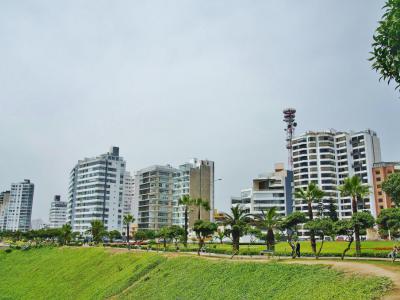
El Malecón Scenic Walkway is a six-mile coastal path that runs from the Malecón de la Marina through the Malecón Cisneros and culminates at the Malecón de la Reserva. The walkway is popular with both tourists and locals. It is offers good exercise for those wanting to walk or jog. Visitors can even rent bikes if they want a different experience.
From the scenic walkway, visitors can see the Pacific Ocean, stretches of beach, numerous parks and public art pieces. One of the most famous sculptures on the route is "The Kiss" at Parque del Amour. Visitors can stop at one of the benches to enjoy the fresh air while admiring this work by Peruvian artist Victor Delfín.
The lighthouse at Miraflores is one of the most famous lighthouses in the country. Located at Parque Antonio Raimondi, the landmark is 70 feet high. The vibrant blue and white stripes on the building make it a popular spot for photos.
Visitors can walk along the El Malecón Scenic Walkway anytime they wish, though it is wise to start early in the day so as not to miss the spectacular views that may be obscured by the evening sky.
From the scenic walkway, visitors can see the Pacific Ocean, stretches of beach, numerous parks and public art pieces. One of the most famous sculptures on the route is "The Kiss" at Parque del Amour. Visitors can stop at one of the benches to enjoy the fresh air while admiring this work by Peruvian artist Victor Delfín.
The lighthouse at Miraflores is one of the most famous lighthouses in the country. Located at Parque Antonio Raimondi, the landmark is 70 feet high. The vibrant blue and white stripes on the building make it a popular spot for photos.
Visitors can walk along the El Malecón Scenic Walkway anytime they wish, though it is wise to start early in the day so as not to miss the spectacular views that may be obscured by the evening sky.
3) Parque del Amor (Love Park) (must see)
“The eternal happiness in life is to love and be loved”, so is the famous saying by George Sand. If you wish to express love to your sweetheart like you've never done before or to make them feel special, then make your way to Parque del Amor in Miraflores, Lima. This lovers' park is laid out on the cliffs of Chorrillos, creating an illusion of floating over the Pacific Ocean. Environed by walls inscribed with love quotes, it is virtually breathing romance.
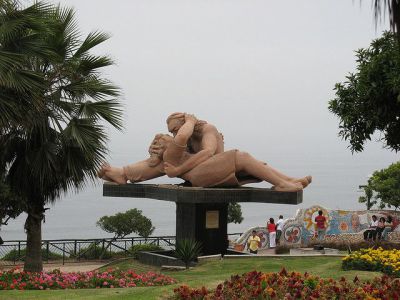
You will hardly find another place on Earth or a monument built specifically for lovers, except here, in Miraflores. A kiss, as an apt example of action, speaks louder than words; based on this assumption is the statue of El Beso, featuring a couple passionately absorbed in the act of kissing. The park celebrates the joy of love openly and unreservedly. It is a favorite hangout spot for people in love, of all ages. The park emanates immense freedom for a public display of love, without conventional brakes or boundaries.
There are various “themed” competitions held within, including that for the longest kiss. Watching the sunset at Parque del Amor, while embracing your dear one, brings a very special feeling. The atmosphere of serenity and tranquility seems to hold you back. Make sure to visit this place if you want to enjoy a unique sensation of love.
Why You Should Visit:
Situated in El Malecón, a six-mile stretch of parks high above the Pacific Ocean, this is a unique place to stroll along the wonderful cliffs landing in the ocean in the midst of Lima.
It is clean and nicely landscaped, has twisting trails taking you far away, beautiful sea views, flowers in near-perpetual full bloom, and the Gaudí-inspired wavy muraled wall.
Tip:
Keep walking a few minutes north of the park, and you'll see the taking-off point for parasailers. The Malecón is the prime spot for parasailing in Lima - gliders jump off the cliffs and ride the winds whipping off the ocean below. For $50, you can take a 10-min flight with a trained parasailing guide; buy tickets at the small kiosk at Block 2 of the Malecón.
You will hardly find another place on Earth or a monument built specifically for lovers, except here, in Miraflores. A kiss, as an apt example of action, speaks louder than words; based on this assumption is the statue of El Beso, featuring a couple passionately absorbed in the act of kissing. The park celebrates the joy of love openly and unreservedly. It is a favorite hangout spot for people in love, of all ages. The park emanates immense freedom for a public display of love, without conventional brakes or boundaries.
There are various “themed” competitions held within, including that for the longest kiss. Watching the sunset at Parque del Amor, while embracing your dear one, brings a very special feeling. The atmosphere of serenity and tranquility seems to hold you back. Make sure to visit this place if you want to enjoy a unique sensation of love.
Why You Should Visit:
Situated in El Malecón, a six-mile stretch of parks high above the Pacific Ocean, this is a unique place to stroll along the wonderful cliffs landing in the ocean in the midst of Lima.
It is clean and nicely landscaped, has twisting trails taking you far away, beautiful sea views, flowers in near-perpetual full bloom, and the Gaudí-inspired wavy muraled wall.
Tip:
Keep walking a few minutes north of the park, and you'll see the taking-off point for parasailers. The Malecón is the prime spot for parasailing in Lima - gliders jump off the cliffs and ride the winds whipping off the ocean below. For $50, you can take a 10-min flight with a trained parasailing guide; buy tickets at the small kiosk at Block 2 of the Malecón.
4) Miraflores Beach
Miraflores, situated in Lima, serves as both the city's tourist hub and the preferred residential neighborhood for affluent Peruvians. It's a hotspot for young, successful professionals who call Miraflores their home, evident when you visit local bars and restaurants during evenings and weekends.
The name "Miraflores" finds its origin in the abundance of beautiful flowers gracing the area. In Spanish, "Mira" means "to look," and "flores" translates to "flowers," effectively signifying "to look at the flowers." Even today, this name holds true, as the government invests heavily in maintaining the gardens and parks in Miraflores, making it a remarkably picturesque part of the city with flowers adorning every corner.
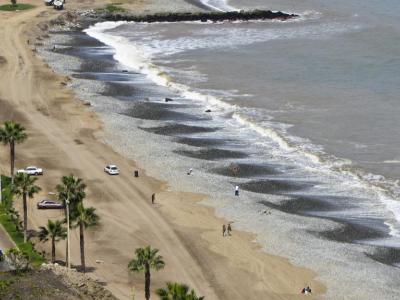
Miraflores Beach, nestled in the heart of Lima's bustling Miraflores district, stands out as one of Peru's most commercialized beaches. Predictably, it's surrounded by malls and skyscrapers on all sides. Nevertheless, this doesn't detract from its appeal as a splendid beach destination. The expansive sandy shoreline is interspersed with rocky formations, offering an ideal setting for a leisurely day in Lima.
However, sunny days aren't guaranteed, given Lima's reputation for overcast skies. You can lounge on the beach with a towel and a good book or partake in various water sports like parasailing. Miraflores Beach is particularly popular among surfers. After you've had your fill of beach time, consider heading to one of the nearby shopping centers for lunch and a refreshing drink.
Tip:
If you're looking for a beach that can be visited and traveled after dark, Playa La Pampilla has good lighting.
The name "Miraflores" finds its origin in the abundance of beautiful flowers gracing the area. In Spanish, "Mira" means "to look," and "flores" translates to "flowers," effectively signifying "to look at the flowers." Even today, this name holds true, as the government invests heavily in maintaining the gardens and parks in Miraflores, making it a remarkably picturesque part of the city with flowers adorning every corner.
Miraflores Beach, nestled in the heart of Lima's bustling Miraflores district, stands out as one of Peru's most commercialized beaches. Predictably, it's surrounded by malls and skyscrapers on all sides. Nevertheless, this doesn't detract from its appeal as a splendid beach destination. The expansive sandy shoreline is interspersed with rocky formations, offering an ideal setting for a leisurely day in Lima.
However, sunny days aren't guaranteed, given Lima's reputation for overcast skies. You can lounge on the beach with a towel and a good book or partake in various water sports like parasailing. Miraflores Beach is particularly popular among surfers. After you've had your fill of beach time, consider heading to one of the nearby shopping centers for lunch and a refreshing drink.
Tip:
If you're looking for a beach that can be visited and traveled after dark, Playa La Pampilla has good lighting.
5) Parque de las Leyendas
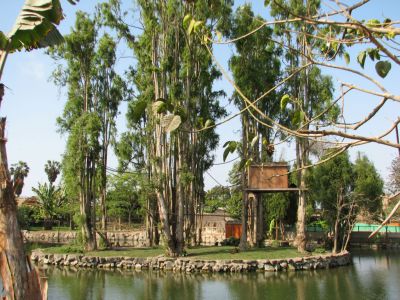
Parque de las Leyendas was founded as the first zoo from Peru in 1964 by Felipe Benavides Barreda. It is located in Distrito de San Miguel, Lima. At the present time besides the zoo the park also hosts a botanical garden, a local museum, and there is also the possibility to visit some huacas (different objects, typically monuments that are revered by the local Native Americans) that can be found around the park.
Peru is a country with a large biological diversity and the park houses an amazing collection of animals and birds of different Latin American species. The animals are distributed according to the natural regions found in Peru: Costa(Coast), Sierra(Highlands) and Selva(Jungle), so one gets to know the natural habitat of the animals and birds found in the zoo. Apart from the native species there is also an area called International Area, where can be found a great diversity of animals from the rest of the world.
Peru is a country with a large biological diversity and the park houses an amazing collection of animals and birds of different Latin American species. The animals are distributed according to the natural regions found in Peru: Costa(Coast), Sierra(Highlands) and Selva(Jungle), so one gets to know the natural habitat of the animals and birds found in the zoo. Apart from the native species there is also an area called International Area, where can be found a great diversity of animals from the rest of the world.
6) Francia Square
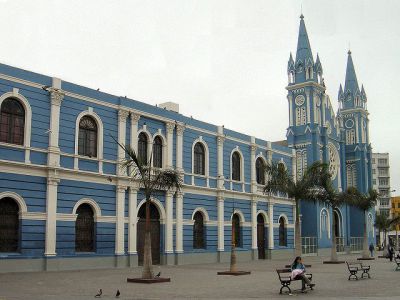
Plaza Francia, located in the center of Lima, is an enchanting urban square that blends history, culture, and modern life. Decorated with a wealth of historical elements, picturesque architecture, and a bustling atmosphere, Plaza Francia stands as a symbolic gateway to Lima's past and present, inviting visitors to immerse themselves in the city's unique blend of tradition and innovation.
Plaza Francia, a key part of Lima's history, served as a crossroads in pre-Hispanic times. It later housed a Dominican retreat called "La Magdalena" with a baroque church, which tragically burned down. In 1884, the French Congregation of the Sacred Hearts rebuilt the church in neo-Gothic style, featuring spire-shaped towers and a lasting rose window that still adorns the square.
In 1893, a school was founded next to the church by the French religious order of the Sacred Hearts. It became known as Lima's most prestigious institution, teaching prominent families' children and emphasizing French culture and language. Raúl Porras Barrenechea and other notable intellectuals attended. In the early 20th century, the school expanded with a second floor. Father Jorge Dintilhac, the Superior of the Sacred Hearts and a Frenchman, established the Catholic University of Peru on March 24, 1917, within its walls.
In the center of Plaza Francia stands the Statue of Liberty, a gift from the French community to commemorate Peru's centenary of independence. Crafted in bronze by René Bertrand-Boutée, the statue portrays a laurel-crowned woman holding a torch in her left hand and a laurel palm in her right. The usage of the torch in this Statue of Liberty draws inspiration from Bartholdi's iconic Statue of Liberty in New York (1876).
Plaza Francia, a key part of Lima's history, served as a crossroads in pre-Hispanic times. It later housed a Dominican retreat called "La Magdalena" with a baroque church, which tragically burned down. In 1884, the French Congregation of the Sacred Hearts rebuilt the church in neo-Gothic style, featuring spire-shaped towers and a lasting rose window that still adorns the square.
In 1893, a school was founded next to the church by the French religious order of the Sacred Hearts. It became known as Lima's most prestigious institution, teaching prominent families' children and emphasizing French culture and language. Raúl Porras Barrenechea and other notable intellectuals attended. In the early 20th century, the school expanded with a second floor. Father Jorge Dintilhac, the Superior of the Sacred Hearts and a Frenchman, established the Catholic University of Peru on March 24, 1917, within its walls.
In the center of Plaza Francia stands the Statue of Liberty, a gift from the French community to commemorate Peru's centenary of independence. Crafted in bronze by René Bertrand-Boutée, the statue portrays a laurel-crowned woman holding a torch in her left hand and a laurel palm in her right. The usage of the torch in this Statue of Liberty draws inspiration from Bartholdi's iconic Statue of Liberty in New York (1876).
7) Santo Domingo Church & Convent (must see)
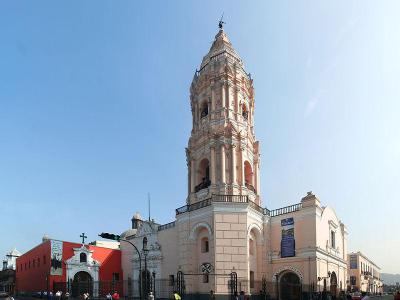
Santo Domingo Church stands on land donated in 1540 by Francisco Pizarro, the Spanish conquistador and founder of the city, to the Dominican friar Vicente Valverde. It is one of Lima’s oldest and most historically significant places of worship. Over the centuries, the church has undergone several renovations and modifications and today displays a distinctive Baroque style that continues to attract visitors from around the world.
The church features three naves-the Chapel of the Rosary, the Chapel of Saint Rose, and the Choir-all finely carved in cedar. Its main tower, rising about 60 meters, is one of the tallest in Lima and offers a splendid vantage point over the city. Santo Domingo is also a deeply revered site, housing the remains of Saint Martin de Porres, Saint Rose of Lima, and Saint John Macías. A statue of Saint Rose, presented by Pope Clement X, is also preserved here.
The chapter house of Santo Domingo holds special historical importance as the birthplace of the University of San Marcos, founded in the 16th century as the first university in Peru and the oldest in the Americas. The adjoining library, with its shelves of ancient volumes and serene atmosphere, is a treasure in itself-an inspiring space for anyone who appreciates history, art, and the quiet beauty of old books.
Tip:
Interesting tour with the Spanish/English-speaking guides is included in the ticket price for the convent.
The church features three naves-the Chapel of the Rosary, the Chapel of Saint Rose, and the Choir-all finely carved in cedar. Its main tower, rising about 60 meters, is one of the tallest in Lima and offers a splendid vantage point over the city. Santo Domingo is also a deeply revered site, housing the remains of Saint Martin de Porres, Saint Rose of Lima, and Saint John Macías. A statue of Saint Rose, presented by Pope Clement X, is also preserved here.
The chapter house of Santo Domingo holds special historical importance as the birthplace of the University of San Marcos, founded in the 16th century as the first university in Peru and the oldest in the Americas. The adjoining library, with its shelves of ancient volumes and serene atmosphere, is a treasure in itself-an inspiring space for anyone who appreciates history, art, and the quiet beauty of old books.
Tip:
Interesting tour with the Spanish/English-speaking guides is included in the ticket price for the convent.
8) Alameda Chabuca Granda Vantage Point
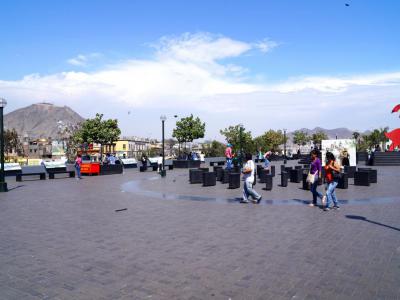
Alameda Chabuca Granda is a large pedestrian strip and vantage point stretching for two blocks along the Rimac River. The area is packed with street entertainers and snack vendors selling traditional Peruvian food at remarkably reasonable prices, and is completely safe and family-friendly until late at night. The area's signature attraction - red statue of a dancing woman - is in fact a monument to Chabuca Granda, famous Peruvian singer of the 20th century after whom it has been named.
From here you can get a view of the old neighborhood of Rímac, San Cristóbal Hill, Desamparados Train Station, the Rayos del Sol Bridge, and a vast horizon of colonial mansions. In the 1990s, a new mall was built to replace the old market of Polvos Azules. Alameda Chabuca Granda is also home to three amphitheaters often staging local Creole music performances.
From here you can get a view of the old neighborhood of Rímac, San Cristóbal Hill, Desamparados Train Station, the Rayos del Sol Bridge, and a vast horizon of colonial mansions. In the 1990s, a new mall was built to replace the old market of Polvos Azules. Alameda Chabuca Granda is also home to three amphitheaters often staging local Creole music performances.
9) Government Palace
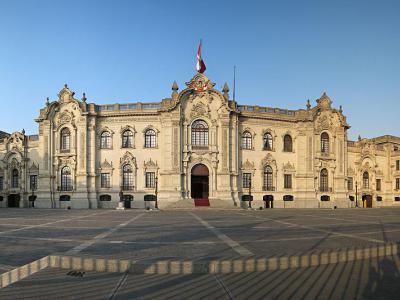
Also known as the House of Pizarro, the Government Palace is the official residence of the President of Peru, located on the bank of the Rimac river, overlooking the northern side of Main Square. This imposing site is graced with history and presented both strategic and spiritual importance to the ancient Incas as a former burial ground that had once housed the shrine of Taulichusco, the last chief of the Incas.
Construction of the palace was ordered by Francisco Pizarro in 1535. Since then it has endured multiple renovations with the last one occurring in the 1930s, resulting from which is the current French Baroque look of the building. The project was undertaken by architects, Ricardo Malachowski of Poland and Jean Claude Sahut of France, and was overseen by Peruvian dictators.
Though the Government Palace is normally closed to public wandering, you can request a special tour through the protocol/public relations office (often with advance notice). The Changing of the Guard takes place daily at noon, visible from the plaza without any ticket. Inside, highlights include the Golden Hall and Jorge Basadre Hall among other ceremonial rooms.
Tip:
Arrive by 11:30 a.m. if you wish to catch the musical buildup. Also, at 6 p.m., watch the flag lowering ceremony at the palace gates - a quieter but dignified ritual of the day’s close.
Construction of the palace was ordered by Francisco Pizarro in 1535. Since then it has endured multiple renovations with the last one occurring in the 1930s, resulting from which is the current French Baroque look of the building. The project was undertaken by architects, Ricardo Malachowski of Poland and Jean Claude Sahut of France, and was overseen by Peruvian dictators.
Though the Government Palace is normally closed to public wandering, you can request a special tour through the protocol/public relations office (often with advance notice). The Changing of the Guard takes place daily at noon, visible from the plaza without any ticket. Inside, highlights include the Golden Hall and Jorge Basadre Hall among other ceremonial rooms.
Tip:
Arrive by 11:30 a.m. if you wish to catch the musical buildup. Also, at 6 p.m., watch the flag lowering ceremony at the palace gates - a quieter but dignified ritual of the day’s close.
10) Historic Centre of Lima
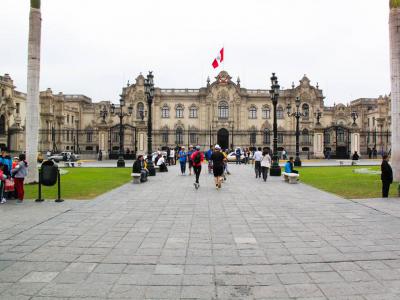
Situated primarily in the heart of Lima, specifically in the Cercado de Lima and Rímac areas, the Historic Centre of Lima stands out as one of Peru's top tourist attractions. This area holds significant historical value as the city of Lima was established by Francisco Pizarro on January 18, 1535, and originally named the "City of the Kings." Interestingly, despite this early name, Lima retained its original name over time. There are two possible sources for this name: the Aymara language term "lima-limaq," which means "yellow flower," or the Spanish pronunciation of the Quechuan word "rimaq," meaning "talker." In the nearby Quechua I languages, this Quechuan word is actually written and pronounced as "limaq." Early maps of Peru often display both names together.
Within the historical center of Lima, you can find over 1,600 balconies that were constructed during both the viceroyalty period and the republican era. To ensure their preservation, the Municipality of Lima has invited individuals and businesses to adopt a balcony and maintain it in pristine condition. The profusion of these balconies contributes to the distinctive charm and authenticity of this part of the city.
During the Viceroyalty of Peru, a rich tapestry of art, magnificence, grandeur, and a legendary royal lifestyle emerged. The authority of the viceroy, who represented the Spanish monarchy, held great significance, as their appointment marked a significant ascent and the successful culmination of a career in colonial administration.
The ceremonial entrances of new viceroys into Lima were particularly opulent affairs. On such occasions, the streets were paved with silver bars from the city's gates to the Palace of the Viceroy, symbolizing the grandeur and wealth associated with this era.
In 1988, UNESCO recognized the historic center of Lima as a World Heritage Site due to its unique character and the abundance of historic monuments dating back to the Spanish colonial era.
Within the historical center of Lima, you can find over 1,600 balconies that were constructed during both the viceroyalty period and the republican era. To ensure their preservation, the Municipality of Lima has invited individuals and businesses to adopt a balcony and maintain it in pristine condition. The profusion of these balconies contributes to the distinctive charm and authenticity of this part of the city.
During the Viceroyalty of Peru, a rich tapestry of art, magnificence, grandeur, and a legendary royal lifestyle emerged. The authority of the viceroy, who represented the Spanish monarchy, held great significance, as their appointment marked a significant ascent and the successful culmination of a career in colonial administration.
The ceremonial entrances of new viceroys into Lima were particularly opulent affairs. On such occasions, the streets were paved with silver bars from the city's gates to the Palace of the Viceroy, symbolizing the grandeur and wealth associated with this era.
In 1988, UNESCO recognized the historic center of Lima as a World Heritage Site due to its unique character and the abundance of historic monuments dating back to the Spanish colonial era.
11) Plaza de Armas (Main Square) (must see)
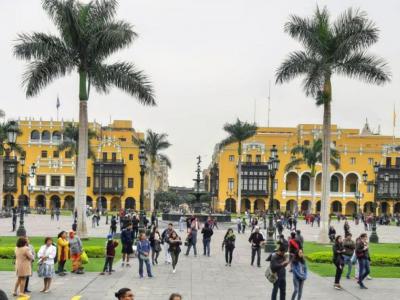
The Main Square marks the birthplace of Lima, founded here in 1535 by Spanish conquistador Francisco Pizarro. It is also the spot from which José de San Martín proclaimed Peru’s independence from Spain in 1821. Surrounding the square are many of the city’s most important historic landmarks, including the Government Palace, Municipal Palace, Archbishop’s Palace, Palace of the Union, and the Cathedral of Lima.
A set of four streets- Union Street, Carabaya Street, Junin Street, and Huallaga Street-frame the square in a perfect grid. After the conquest of the Incas, King Charles I of Spain decreed that new colonial cities must be designed following such a grid plan, with streets radiating from a central square. Lima’s orderly layout remains one of the best examples of this early urban planning.
Beyond the square, several other landmarks of historical interest lie nearby, such as House of the Oidor and the San Francisco Church with its famous catacombs. The entire area breathes history, blending colonial architecture, political legacy, and the rhythm of daily life.
Tip:
Be sure to pack a pair of sunglasses to be able to see the details on the bright yellow buildings. At noon at the Presidential Palace, there is the Changing of the Guard - really interesting to watch. Check out a few places before buying expensive souvenirs, as many stores carry the same goods at varying prices. They'll try to sell you at the highest price - so negotiate!
A set of four streets- Union Street, Carabaya Street, Junin Street, and Huallaga Street-frame the square in a perfect grid. After the conquest of the Incas, King Charles I of Spain decreed that new colonial cities must be designed following such a grid plan, with streets radiating from a central square. Lima’s orderly layout remains one of the best examples of this early urban planning.
Beyond the square, several other landmarks of historical interest lie nearby, such as House of the Oidor and the San Francisco Church with its famous catacombs. The entire area breathes history, blending colonial architecture, political legacy, and the rhythm of daily life.
Tip:
Be sure to pack a pair of sunglasses to be able to see the details on the bright yellow buildings. At noon at the Presidential Palace, there is the Changing of the Guard - really interesting to watch. Check out a few places before buying expensive souvenirs, as many stores carry the same goods at varying prices. They'll try to sell you at the highest price - so negotiate!
12) Cathedral of Lima (must see)
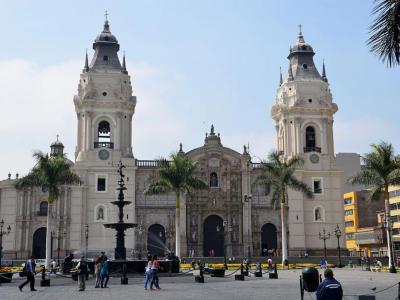
The Cathedral of Lima is one of the oldest and most historic structures in the city. The Spanish conquistador Francisco Pizarro is said to have laid the first stone himself, even carrying the first log used in its construction. The cathedral was officially consecrated in 1625, though its origins date back to 1535, making it nearly as old as Lima itself.
The cathedral is particularly noted for its opulent interior, featuring a delicately vaulted ceiling, a checkerboard floor, and exquisite Baroque furnishings. Among its most remarkable features are the beautifully carved choir stalls and the mosaic chapel that houses Pizarro’s tomb. The façade, designed in Renaissance style and later completed with neoclassical touches, mirrors the grandeur of Lima’s colonial era.
Inside the cathedral, a small museum displays religious artifacts and artworks that are well worth seeing. The marble flooring, 17th-century golden altars, and impressive paintings enhance the building’s grandeur, while its chapels, and upper galleries make exploration both fascinating and rewarding. Among the artworks are paintings by the Cusco School, a renowned colonial art movement blending European and Andean traditions. The museum also preserves antique liturgical vestments, silver chalices, and historic documents reflecting Lima’s ecclesiastical heritage.
The cathedral contains 15 smaller chapels, each dedicated to a different saint. A true monument of immense historical and cultural value, it offers visitors an extraordinary glimpse into Lima’s colonial and religious past. Together with the surrounding buildings on the Main Square, the Cathedral of Lima forms the centerpiece of the city’s UNESCO World Heritage-listed historic centre. The building also serves as the seat of the Archdiocese of Lima, maintaining its role as the spiritual heart of the Peruvian capital. Its bells continue to mark major religious events and national ceremonies.
Tip:
Consider buying a combo ticket to visit both the Cathedral of Lima and the neighboring Archbishop’s Palace. Each showcases stunning colonial architecture and art, and guided tours offer valuable insight into their history. While tipping your guide isn’t mandatory, a small gratuity is appreciated for a well-conducted tour.
The cathedral is particularly noted for its opulent interior, featuring a delicately vaulted ceiling, a checkerboard floor, and exquisite Baroque furnishings. Among its most remarkable features are the beautifully carved choir stalls and the mosaic chapel that houses Pizarro’s tomb. The façade, designed in Renaissance style and later completed with neoclassical touches, mirrors the grandeur of Lima’s colonial era.
Inside the cathedral, a small museum displays religious artifacts and artworks that are well worth seeing. The marble flooring, 17th-century golden altars, and impressive paintings enhance the building’s grandeur, while its chapels, and upper galleries make exploration both fascinating and rewarding. Among the artworks are paintings by the Cusco School, a renowned colonial art movement blending European and Andean traditions. The museum also preserves antique liturgical vestments, silver chalices, and historic documents reflecting Lima’s ecclesiastical heritage.
The cathedral contains 15 smaller chapels, each dedicated to a different saint. A true monument of immense historical and cultural value, it offers visitors an extraordinary glimpse into Lima’s colonial and religious past. Together with the surrounding buildings on the Main Square, the Cathedral of Lima forms the centerpiece of the city’s UNESCO World Heritage-listed historic centre. The building also serves as the seat of the Archdiocese of Lima, maintaining its role as the spiritual heart of the Peruvian capital. Its bells continue to mark major religious events and national ceremonies.
Tip:
Consider buying a combo ticket to visit both the Cathedral of Lima and the neighboring Archbishop’s Palace. Each showcases stunning colonial architecture and art, and guided tours offer valuable insight into their history. While tipping your guide isn’t mandatory, a small gratuity is appreciated for a well-conducted tour.
13) Basilica and Convent of San Francisco (must see)
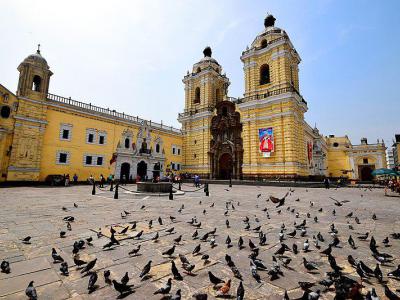
The Basilica and Convent of San Francisco is a magnificent piece of architecture and a site of great religious importance in Lima, popular with both locals and visitors alike. Tourists are often awestruck by its dome and the fascinating half-spherical vault intricately carved in cedar. Together with its adjoining church, the convent forms part of the Historic Centre of Lima, which was inscribed as a UNESCO World Heritage Site in 1991. The complex also includes the famous catacombs and an impressive library.
Book lovers will find a treasure trove in the vast library, which houses nearly 25,000 volumes, including incunabula and manuscripts dating back to the 15th century. Those seeking adventure can descend into the eerie catacombs, an experience that feels straight out of an old-world exploration film. Each year, during the Saint Jude festival, a solemn procession of forty people carries a special silver stand through the convent’s grounds. Combined with its library, church, and catacombs, this site offers a truly unforgettable glimpse into Lima’s colonial and spiritual heritage.
Tip:
It’s worth paying a little extra for the catacombs tour, which includes a guided visit through the convent. Tours are available in both English and Spanish, and the stories shared along the way make the experience especially rewarding.
Book lovers will find a treasure trove in the vast library, which houses nearly 25,000 volumes, including incunabula and manuscripts dating back to the 15th century. Those seeking adventure can descend into the eerie catacombs, an experience that feels straight out of an old-world exploration film. Each year, during the Saint Jude festival, a solemn procession of forty people carries a special silver stand through the convent’s grounds. Combined with its library, church, and catacombs, this site offers a truly unforgettable glimpse into Lima’s colonial and spiritual heritage.
Tip:
It’s worth paying a little extra for the catacombs tour, which includes a guided visit through the convent. Tours are available in both English and Spanish, and the stories shared along the way make the experience especially rewarding.
14) Magic Water Tour (must see)
The Magic Water Tour, which opened on July 26, 2007, is currently part of the Park of the Reserve. Initially, the project faced criticism due to its high costs and its significant redesign of a historically important park. Some people also objected to the idea of charging entrance fees for a public place. The revenue from these entrance fees was initially used to renovate the Municipal Theatre of Lima, which has since reopened. By March 1, 2008, the tour had welcomed its two millionth visitor.
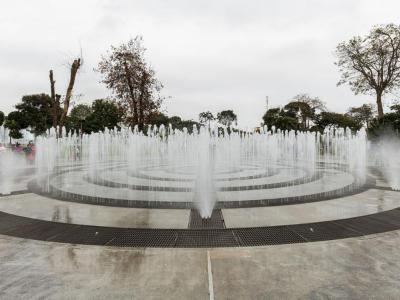
The Magic Water Tour currently holds the world record for the largest fountain complex, featuring 13 distinct fountains, many of which are interactive. All of these fountains are illuminated at night, with various color schemes that change continuously.
The largest fountain within the Park of the Reserve, known as the "Magic Fountain" (Fuente Mágica), shoots water to a height of over 80 meters. Other attractions include the "Tunnel Fountain of Surprises" (Fuente Túnel de las Sorpresas), a 35-meter walk-through water tunnel; the "Children's Fountain" (Fuente de los Niños), an automated walk-in fountain; and a tunnel that connects the two sections of the park, featuring an exhibition showcasing recent public works projects in Lima. The "Fantasia Fountain" (Fuente de la Fantasia), which hosts regular laser and light shows synchronized to music, stretches 120 meters in length.
The Magic Water Tour currently holds the world record for the largest fountain complex, featuring 13 distinct fountains, many of which are interactive. All of these fountains are illuminated at night, with various color schemes that change continuously.
The largest fountain within the Park of the Reserve, known as the "Magic Fountain" (Fuente Mágica), shoots water to a height of over 80 meters. Other attractions include the "Tunnel Fountain of Surprises" (Fuente Túnel de las Sorpresas), a 35-meter walk-through water tunnel; the "Children's Fountain" (Fuente de los Niños), an automated walk-in fountain; and a tunnel that connects the two sections of the park, featuring an exhibition showcasing recent public works projects in Lima. The "Fantasia Fountain" (Fuente de la Fantasia), which hosts regular laser and light shows synchronized to music, stretches 120 meters in length.

15) Huaca Pucllana Archaeological Site (must see)
Huaca Pucllana is an archaeological site dating circa 200-700 AD, located in the Miraflores district of Lima. The staggering seven platform pyramid is made of adobe (small, handmade bricks, dried in the sun) and clay, and was popularly known as the place for ritual games. The mega structure stands almost 22 meters high, and is divided into two sections: one for ceremonial and the other for administrative use. The ceremonial section contains benches and deep pits that were designated for offerings of fish and miscellaneous marine life to the gods in a bid to win their favor. A part of this section features multiple small huts and clay structures with few walls still in place that once served as courtyards and patios.
The intended purpose of this pyramid was to demonstrate the religious might of the elite clergy and their ability to control the use of local natural water resources. The place serves as a significant ceremonial and administrative center for promoting Peruvian culture. There are tourist guides available for visitors to the museum, a little park whith native flora and fauna, and a house of craftsmen where handicrafts are exhibited and offered for sale.
Why You Should Visit:
Easily accessible from Miraflores, well preserved, with tour guides sharing interesting details about the construction, religion, and lifestyle of the original and subsequent inhabitants.
The pyramid is attractively lit up at night and one of the best spots to view this is at the on-site restaurant which features delicious haute cuisine.
The small garden and animal farm (with llama, cuyi, etc.) is cute and adds a little dimension to the place.
Tip:
This is a "guided-tour-only" site with the duration of a little over an hour (~20 mins above the pyramid). You could stop by here on your way to the Miraflores clifftop which is about a half-hour walk south (by turning right onto Ave. Arequipa), with the small John F. Kennedy park along the way for a brief stop before getting to the cliff where you can spend about half a day up and down.
The intended purpose of this pyramid was to demonstrate the religious might of the elite clergy and their ability to control the use of local natural water resources. The place serves as a significant ceremonial and administrative center for promoting Peruvian culture. There are tourist guides available for visitors to the museum, a little park whith native flora and fauna, and a house of craftsmen where handicrafts are exhibited and offered for sale.
Why You Should Visit:
Easily accessible from Miraflores, well preserved, with tour guides sharing interesting details about the construction, religion, and lifestyle of the original and subsequent inhabitants.
The pyramid is attractively lit up at night and one of the best spots to view this is at the on-site restaurant which features delicious haute cuisine.
The small garden and animal farm (with llama, cuyi, etc.) is cute and adds a little dimension to the place.
Tip:
This is a "guided-tour-only" site with the duration of a little over an hour (~20 mins above the pyramid). You could stop by here on your way to the Miraflores clifftop which is about a half-hour walk south (by turning right onto Ave. Arequipa), with the small John F. Kennedy park along the way for a brief stop before getting to the cliff where you can spend about half a day up and down.
16) Miraflores Central Park (must see)
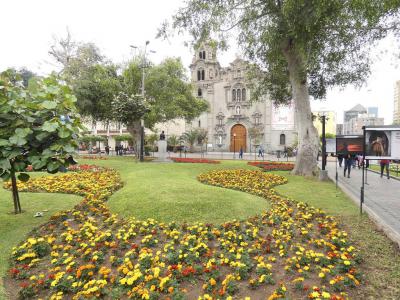
The Central Park in Miraflores, commonly referred to as "Parque Kennedy" or the Miraflores Park, stands out as one of Lima's most popular and frequently visited parks. Its prime location in the heart of the Miraflores district contributes to its popularity. This park encompasses two adjoining areas: Parque 7 de Junio and Parque Kennedy, together spanning an impressive 22,000 square meters.
What distinguishes this park and has earned it widespread recognition is the notable presence of numerous cats. These feline residents freely roam the park's lush gardens, seeking both sustenance and affection from park-goers. This peculiar situation traces back to 1994 when the area faced a mouse infestation. In response, individuals began introducing cats to the park, and over time, these cats multiplied, becoming an integral part of the park's identity.
Within the central section of Parque Kennedy, tourists can discover the Park Kennedy Crafts Market, a small artisanal marketplace. Vendors typically commence selling local crafts around 5 p.m. and often continue until as late as 11 p.m. This market offers an excellent evening destination and an ideal spot to find souvenirs.
Additionally, nestled within the park is the "Chabuca Granda Amphitheater," where weekends come alive with artistic and folkloric performances. Adjacent to the park stands the Parroquia de la Virgen Milagrosa, a Catholic church erected in 1939. The church features captivating stained glass windows portraying scenes from the life of Jesus Christ.
Thanks to its central position in the community, the park serves as a hub for various activities catering to both residents and tourists of the district. Events such as the Ricardo Palma Book Fair and traditional celebrations during National Holidays in July, like the "Corso Wong," are commonly held here. Furthermore, the park serves as a venue for sporting events and political gatherings.
Surrounding the park lies the commercial and nightlife epicenter of Miraflores. Facing the park along Diagonal Avenue, a multitude of restaurants await, while the adjacent "pizza street" comes alive on weekend nights with bustling bars and dance venues.
What distinguishes this park and has earned it widespread recognition is the notable presence of numerous cats. These feline residents freely roam the park's lush gardens, seeking both sustenance and affection from park-goers. This peculiar situation traces back to 1994 when the area faced a mouse infestation. In response, individuals began introducing cats to the park, and over time, these cats multiplied, becoming an integral part of the park's identity.
Within the central section of Parque Kennedy, tourists can discover the Park Kennedy Crafts Market, a small artisanal marketplace. Vendors typically commence selling local crafts around 5 p.m. and often continue until as late as 11 p.m. This market offers an excellent evening destination and an ideal spot to find souvenirs.
Additionally, nestled within the park is the "Chabuca Granda Amphitheater," where weekends come alive with artistic and folkloric performances. Adjacent to the park stands the Parroquia de la Virgen Milagrosa, a Catholic church erected in 1939. The church features captivating stained glass windows portraying scenes from the life of Jesus Christ.
Thanks to its central position in the community, the park serves as a hub for various activities catering to both residents and tourists of the district. Events such as the Ricardo Palma Book Fair and traditional celebrations during National Holidays in July, like the "Corso Wong," are commonly held here. Furthermore, the park serves as a venue for sporting events and political gatherings.
Surrounding the park lies the commercial and nightlife epicenter of Miraflores. Facing the park along Diagonal Avenue, a multitude of restaurants await, while the adjacent "pizza street" comes alive on weekend nights with bustling bars and dance venues.
