Custom Walk in Zermatt, Switzerland by av_martin4285 created on 2025-07-02
Guide Location: Switzerland » Zermatt
Guide Type: Custom Walk
# of Sights: 8
Tour Duration: 2 Hour(s)
Travel Distance: 2.7 Km or 1.7 Miles
Share Key: DZMWF
Guide Type: Custom Walk
# of Sights: 8
Tour Duration: 2 Hour(s)
Travel Distance: 2.7 Km or 1.7 Miles
Share Key: DZMWF
How It Works
Please retrieve this walk in the GPSmyCity app. Once done, the app will guide you from one tour stop to the next as if you had a personal tour guide. If you created the walk on this website or come to the page via a link, please follow the instructions below to retrieve the walk in the app.
Retrieve This Walk in App
Step 1. Download the app "GPSmyCity: Walks in 1K+ Cities" on Apple App Store or Google Play Store.



Step 2. In the GPSmyCity app, download(or launch) the guide "Zermatt Map and Walking Tours".
Step 3. Tap the menu button located at upper right corner of the "Walks" screen and select "Retrieve custom walk". Enter the share key: DZMWF
1) Hinterdorfstrasse (Hinterdorf Street) (must see)
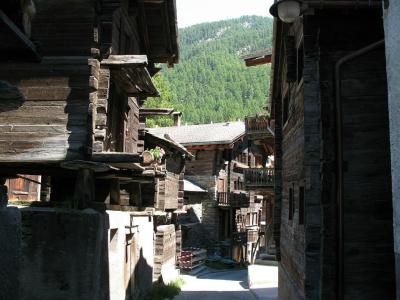
Hinterdorf Street (Hinterdorfstrasse) is a hidden gem that captures the essence of the village's rich history. This charming street is home to a collection of unique old houses, barns, and sheds, each with its own story to tell.
The houses along Hinterdorf Street date back to the 17th and 18th centuries, showcasing the craftsmanship and design of that era. To preserve their historical significance, all the buildings in this area are protected, and any alterations or renovations are strictly regulated to ensure they adhere to the codes and guidelines of the region.
While some of these houses serve as private residences, others can be rented out for vacation stays. Many of them have undergone interior renovations to provide modern comforts, but the exteriors remain untouched, maintaining the authenticity and charm of the past. The scrutiny and regulation placed on any exterior updates ensure that the street retains its unique atmosphere and historical integrity.
One of the notable features of Hinterdorf Street is the elevated storage sheds, some of which are built on stilts. In the past, these elevated structures served as a safeguard against rodents and other unwanted guests that could compromise the food supplies stored inside. The ingenuity of this design choice reflects the resourcefulness and practicality of the villagers from centuries ago.
As you stroll down Hinterdorf Street and its neighboring streets, you'll notice a distinct lack of tourists, providing a tranquil and intimate experience. The absence of the bustling crowds from the main street allows you to immerse yourself in the surroundings and appreciate the serene ambiance. Surrounded by these well-preserved historic structures, it's easy to transport yourself back in time and envision what village life must have been like several hundred years ago.
The houses along Hinterdorf Street date back to the 17th and 18th centuries, showcasing the craftsmanship and design of that era. To preserve their historical significance, all the buildings in this area are protected, and any alterations or renovations are strictly regulated to ensure they adhere to the codes and guidelines of the region.
While some of these houses serve as private residences, others can be rented out for vacation stays. Many of them have undergone interior renovations to provide modern comforts, but the exteriors remain untouched, maintaining the authenticity and charm of the past. The scrutiny and regulation placed on any exterior updates ensure that the street retains its unique atmosphere and historical integrity.
One of the notable features of Hinterdorf Street is the elevated storage sheds, some of which are built on stilts. In the past, these elevated structures served as a safeguard against rodents and other unwanted guests that could compromise the food supplies stored inside. The ingenuity of this design choice reflects the resourcefulness and practicality of the villagers from centuries ago.
As you stroll down Hinterdorf Street and its neighboring streets, you'll notice a distinct lack of tourists, providing a tranquil and intimate experience. The absence of the bustling crowds from the main street allows you to immerse yourself in the surroundings and appreciate the serene ambiance. Surrounded by these well-preserved historic structures, it's easy to transport yourself back in time and envision what village life must have been like several hundred years ago.
2) St. Peter's Church
Saint Peter's Church, also known as the English Church, stands as a symbol of the town's history and enduring ties to British visitors. This sacred place has been intertwined with the rich tapestry of Zermatt's past, playing a significant role in the resort's development and representing the golden age of alpinism. British visitors were among the first to venture to this alpine wonderland, and Saint Peter's Church became an essential institution for the English-speaking community.
The idea to build an English church took shape in May 1865, and a donation list was initiated shortly thereafter. Notably, the Catholic hoteliers Alexander Seiler and Joseph Clemenz were among the first to contribute, highlighting their ecumenical and inclusive views. The tragic event of the first ascent of the Matterhorn, where several climbers lost their lives, including Lord Francis Douglas, Douglas R. Hadow, and the Reverend Charles Hudson, did not deter the initiative but rather intensified the resolve to create the church.
On 29 June 1869, a mere five years after the inception of the donation list, the foundation stone for Saint Peter's Church was laid. Within a year, on 29 June 1870, the inaugural service took place, marking the beginning of the church's storied existence.
Inside this historic sanctuary, numerous plaques serve as touching memorials to mountaineers who shared deep bonds with Zermatt and its alpine wonders. Among them lies the remains of the Reverend Charles Hudson, buried beneath the main altar, a poignant reminder of his enduring connection to this sacred space.
The idea to build an English church took shape in May 1865, and a donation list was initiated shortly thereafter. Notably, the Catholic hoteliers Alexander Seiler and Joseph Clemenz were among the first to contribute, highlighting their ecumenical and inclusive views. The tragic event of the first ascent of the Matterhorn, where several climbers lost their lives, including Lord Francis Douglas, Douglas R. Hadow, and the Reverend Charles Hudson, did not deter the initiative but rather intensified the resolve to create the church.
On 29 June 1869, a mere five years after the inception of the donation list, the foundation stone for Saint Peter's Church was laid. Within a year, on 29 June 1870, the inaugural service took place, marking the beginning of the church's storied existence.
Inside this historic sanctuary, numerous plaques serve as touching memorials to mountaineers who shared deep bonds with Zermatt and its alpine wonders. Among them lies the remains of the Reverend Charles Hudson, buried beneath the main altar, a poignant reminder of his enduring connection to this sacred space.
3) Matterhorn Museum (must see)
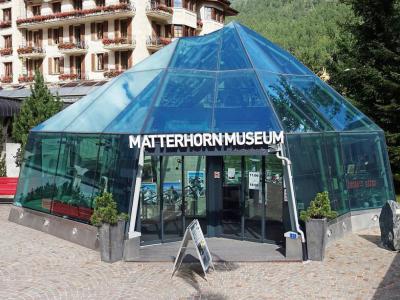
Designed with a contemporary flair, the Matterhorn Museum weaves a compelling narrative that revolves around the early climbers who played a pivotal role in shaping the destiny of Zermatt. Dramatic excerpts from the classic film ''The Mountain Calls" (''Der Berg Ruft''), shot in Zermatt between 1937 and 1938, transport visitors back in time, evoking the spirit of adventure and courage that defined the early mountaineering era. Accompanying these cinematic marvels are a plethora of artifacts, photographs, and a detailed relief of the Matterhorn, showcasing the various routes that climbers took to reach its summit.
However, the Matterhorn Museum has much more to offer beyond the world of climbing. Step into the well-curated exhibits displaying furnishings and home interiors, providing a fascinating insight into the lives of those who called the mountains their home. These displays offer a glimpse into the essence of mountain life, revealing the unique challenges and joys that come with residing amidst the awe-inspiring alpine landscape.
But the museum's journey through time does not stop there; it delves even further into the past, unearthing artifacts and relics from the Neolithic Age. These finds bridge the gap between modern-day Zermatt and its ancient origins, allowing visitors to appreciate the historical depth and continuity of human presence in the region.
However, the Matterhorn Museum has much more to offer beyond the world of climbing. Step into the well-curated exhibits displaying furnishings and home interiors, providing a fascinating insight into the lives of those who called the mountains their home. These displays offer a glimpse into the essence of mountain life, revealing the unique challenges and joys that come with residing amidst the awe-inspiring alpine landscape.
But the museum's journey through time does not stop there; it delves even further into the past, unearthing artifacts and relics from the Neolithic Age. These finds bridge the gap between modern-day Zermatt and its ancient origins, allowing visitors to appreciate the historical depth and continuity of human presence in the region.
4) St. Mauritius Church (must see)
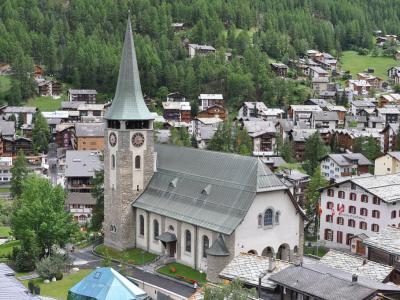
Perched in the picturesque town of Zermatt the church of Saint Mauritius stands tall as a symbol of community, history, and vibrant spiritual life. Its roots trace back centuries, and it has evolved from a modest place of worship to a magnificent testament of architectural and cultural significance. The first historical mention of the church dates back to the year 1285, hinting at a humble origin. It is believed that in its early days, the church was a small structure, barely resembling the grand edifice it is today.
Over the course of many centuries, the church underwent various expansions and renovations, each contributing to its current magnificence. The precursor to the present-day church, likely built in 1587 in an Italian architectural style, bears testament to the enduring heritage and influences that have shaped this sacred place. During the Gothic period, the church boasted three intricately crafted altars. However, the 18th-century Baroque movement led to their replacement, as was the custom of the time.
As visitors approach the church, they are treated to a breathtaking view of the majestic Matterhorn from the entrance steps. This awe-inspiring sight sets the stage for a memorable experience within its hallowed walls.
Inside the church, art enthusiasts can find an art guide to aid them in appreciating the various artistic elements that adorn the building. One such masterpiece is the ceiling painting entitled "Noah's Ark," skillfully created by Paolo Parente. This artwork captures the imagination and brings a touch of biblical history to the sacred space.
To enhance the spiritual experience, sung masses with a choir are held approximately every other Sunday and on feast days. The enchanting music resonates within the church's sacred walls, creating an atmosphere of profound reverence and devotion.
Over the course of many centuries, the church underwent various expansions and renovations, each contributing to its current magnificence. The precursor to the present-day church, likely built in 1587 in an Italian architectural style, bears testament to the enduring heritage and influences that have shaped this sacred place. During the Gothic period, the church boasted three intricately crafted altars. However, the 18th-century Baroque movement led to their replacement, as was the custom of the time.
As visitors approach the church, they are treated to a breathtaking view of the majestic Matterhorn from the entrance steps. This awe-inspiring sight sets the stage for a memorable experience within its hallowed walls.
Inside the church, art enthusiasts can find an art guide to aid them in appreciating the various artistic elements that adorn the building. One such masterpiece is the ceiling painting entitled "Noah's Ark," skillfully created by Paolo Parente. This artwork captures the imagination and brings a touch of biblical history to the sacred space.
To enhance the spiritual experience, sung masses with a choir are held approximately every other Sunday and on feast days. The enchanting music resonates within the church's sacred walls, creating an atmosphere of profound reverence and devotion.
5) Matterhorn Railway
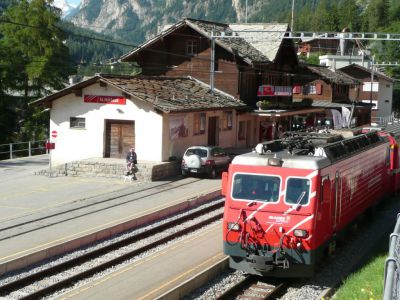
The Matterhorn Railway, a fun-filled cog train journey in Zermatt, offers visitors a chance to get as close as possible to the iconic Matterhorn without skis. This scenic ride takes you to a breathtaking observation deck, where the stunning Alpine views make for an unforgettable experience. The train runs frequently throughout the day, allowing passengers to hop on and off for hiking adventures.
This railway is part of the Matterhorn Gotthard Bahn, which travels through the picturesque Swiss Alps, connecting Zermatt with Disentis and Andermatt with Göschenen, covering a 144-kilometer route. Along the journey, the train crosses 126 bridges, passes through 33 tunnels, and climbs an impressive 3,300 meters altitude. The route's lowest point is at Visp (625 meters above sea level), and it reaches its highest at the Oberalp Pass (2,033 meters).
One of the highlights of the Matterhorn Railway is the Gornergrat Railway, Europe’s highest open-air cog railway, which has been in operation since 1898. This eco-friendly train, powered by a regenerative braking system, takes passengers from Zermatt (1,620 meters) to the Gornergrat summit (3,089 meters) in just 33 minutes. The journey offers spectacular views of 29 peaks above 4,000 meters, including Switzerland’s highest peak, Dufourspitze, and the magnificent Matterhorn.
The Gornergrat's sunny observation platform is a year-round destination, offering awe-inspiring views of the Monte Rosa massif and the Gorner Glacier, making it a must-visit for anyone traveling through the Swiss Alps.
This railway is part of the Matterhorn Gotthard Bahn, which travels through the picturesque Swiss Alps, connecting Zermatt with Disentis and Andermatt with Göschenen, covering a 144-kilometer route. Along the journey, the train crosses 126 bridges, passes through 33 tunnels, and climbs an impressive 3,300 meters altitude. The route's lowest point is at Visp (625 meters above sea level), and it reaches its highest at the Oberalp Pass (2,033 meters).
One of the highlights of the Matterhorn Railway is the Gornergrat Railway, Europe’s highest open-air cog railway, which has been in operation since 1898. This eco-friendly train, powered by a regenerative braking system, takes passengers from Zermatt (1,620 meters) to the Gornergrat summit (3,089 meters) in just 33 minutes. The journey offers spectacular views of 29 peaks above 4,000 meters, including Switzerland’s highest peak, Dufourspitze, and the magnificent Matterhorn.
The Gornergrat's sunny observation platform is a year-round destination, offering awe-inspiring views of the Monte Rosa massif and the Gorner Glacier, making it a must-visit for anyone traveling through the Swiss Alps.
6) Chapel Winkelmatten
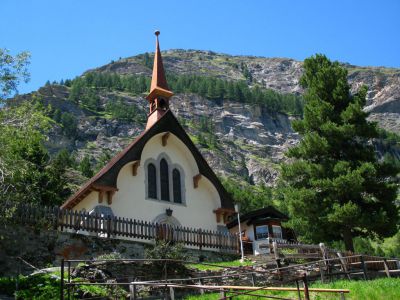
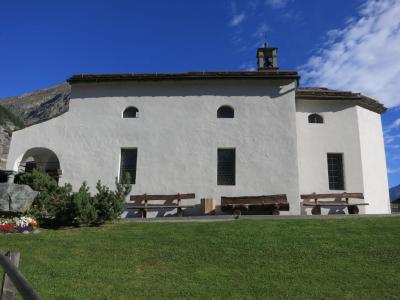
The Chapel Winkelmatten is a captivating site, nestled on the outskirts of Zermatt in the peaceful Winkelmatten quarter. Built in 1607, this charming little white chapel is a smaller replica of Zermatt's old village church and stands as a symbol of the region's religious heritage. The location of the chapel, with its stunning backdrop of the Matterhorn, offers a serene atmosphere perfect for both worship and reflection.
Rich in tradition, the Chapel Winkelmatten has long been a pilgrimage site, especially popular among young couples. According to legend, the hamlet of Winkelmatten almost became home to the parish church, but a clever nighttime relocation of tools by the villagers of Zermatt convinced the people of Winkelmatten that divine will had shifted the plans.
The chapel’s most notable feature is its intricate baroque altar, created by Anton Sigristen in 1730. The altar, carved from Swiss stone pine, showcases the Holy Family in the center, surrounded by gilded decorations, angelic figures, and twisting columns adorned with acanthus garlands. The craftsmanship and detail of this altar make it a true masterpiece, drawing visitors from far and wide.
Tradition still thrives at this chapel, especially for weddings, with its history deeply intertwined with local customs. In earlier times, young men and women would walk together to the chapel for celebrations during Carnival, and those who returned together on Easter Sunday were considered virtually engaged.
The Chapel Winkelmatten remains a beloved site for both locals and visitors, offering a blend of spiritual significance, historical intrigue, and scenic beauty.
Rich in tradition, the Chapel Winkelmatten has long been a pilgrimage site, especially popular among young couples. According to legend, the hamlet of Winkelmatten almost became home to the parish church, but a clever nighttime relocation of tools by the villagers of Zermatt convinced the people of Winkelmatten that divine will had shifted the plans.
The chapel’s most notable feature is its intricate baroque altar, created by Anton Sigristen in 1730. The altar, carved from Swiss stone pine, showcases the Holy Family in the center, surrounded by gilded decorations, angelic figures, and twisting columns adorned with acanthus garlands. The craftsmanship and detail of this altar make it a true masterpiece, drawing visitors from far and wide.
Tradition still thrives at this chapel, especially for weddings, with its history deeply intertwined with local customs. In earlier times, young men and women would walk together to the chapel for celebrations during Carnival, and those who returned together on Easter Sunday were considered virtually engaged.
The Chapel Winkelmatten remains a beloved site for both locals and visitors, offering a blend of spiritual significance, historical intrigue, and scenic beauty.
7) Kirchbrucke (Church Bridge Viewpoint)
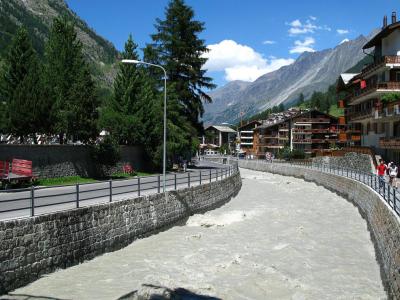
The Church Bridge (Kirchbrucke) stands as a remarkable vantage point offering unparalleled views of the majestic Matterhorn. Renowned for its captivating beauty, this iconic bridge attracts visitors from far and wide, seeking to capture the essence of this natural wonder through their lenses. Whether it's the break of dawn or the enchanting hours of the night, the Church Bridge presents an ideal setting to photograph the Matterhorn in all its glory.
During the summer months, as the first light of dawn starts to break, a symphony of whispers fills the air surrounding the Church Bridge. Early morning enthusiasts and avid photographers gather at this location, eagerly selecting their perfect spot for witnessing the ultimate spectacle. Cameras and video recorders are poised, ready to capture the ethereal moment when the sun's rays grace the pinnacle of the Matterhorn with their golden touch.
As the sun ascends the sky, a mesmerizing play of light and color unfolds before the beholder's eyes. The dark silhouette of the Matterhorn gradually transforms into a vibrant canvas, bathed in warm hues and soft shades. This enchanting transformation lasts only a few minutes, creating a fleeting yet unforgettable display of nature's grandeur. It is during this magical interval that the Kirchbrücke bridge becomes an unrivaled stage for photographers, allowing them to immortalize the breathtaking beauty of the Matterhorn at its most radiant.
Beyond the spectacle of the early morning, the Church Bridge continues to offer captivating views of the Matterhorn throughout the day. On the Matterhorn's summit, a weathervane becomes visible, serving as a small but intriguing detail against the grandeur of the mountain. This subtle addition adds a touch of intrigue and character to the iconic silhouette of the Matterhorn, offering photographers an alternative subject to explore and capture.
During the summer months, as the first light of dawn starts to break, a symphony of whispers fills the air surrounding the Church Bridge. Early morning enthusiasts and avid photographers gather at this location, eagerly selecting their perfect spot for witnessing the ultimate spectacle. Cameras and video recorders are poised, ready to capture the ethereal moment when the sun's rays grace the pinnacle of the Matterhorn with their golden touch.
As the sun ascends the sky, a mesmerizing play of light and color unfolds before the beholder's eyes. The dark silhouette of the Matterhorn gradually transforms into a vibrant canvas, bathed in warm hues and soft shades. This enchanting transformation lasts only a few minutes, creating a fleeting yet unforgettable display of nature's grandeur. It is during this magical interval that the Kirchbrücke bridge becomes an unrivaled stage for photographers, allowing them to immortalize the breathtaking beauty of the Matterhorn at its most radiant.
Beyond the spectacle of the early morning, the Church Bridge continues to offer captivating views of the Matterhorn throughout the day. On the Matterhorn's summit, a weathervane becomes visible, serving as a small but intriguing detail against the grandeur of the mountain. This subtle addition adds a touch of intrigue and character to the iconic silhouette of the Matterhorn, offering photographers an alternative subject to explore and capture.
8) Mountaineers' Cemetery (must see)
Nestled amidst the stunning alpine landscape, the Mountaineers' Cemetery stands as a reminder that amidst the allure of adventure, safety must always remain a top priority. Visitors are urged to approach these magnificent mountains with a deep sense of caution and respect for their untamed beauty.
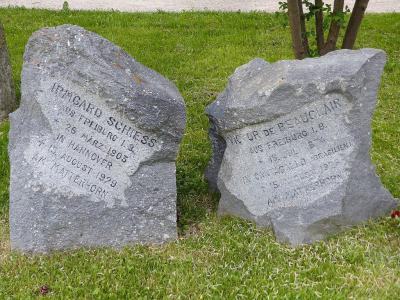
This hallowed ground is a sanctuary dedicated to honoring the memory of courageous climbers who lost their lives in pursuit of their passion. Around 50 gravestones, each bearing witness to a life cut short, serve as tangible memorials to the climbers who perished in the embrace of these towering peaks.
For those who venture to conquer the Matterhorn, these residual risks are a constant companion, reminding climbers of the unforgiving nature of these majestic peaks. Unfortunately, for some, the quest ends tragically, leaving behind a haunting legacy. The powerful impact of falling on exposed rock ledges often fragments the bodies of those who lose their lives, making full recovery impossible. As a result, decades later, fragments of these brave souls are occasionally discovered at the mountain's foot, their identities forever lost to the passage of time.
To honor and remember those who met their fate on the Matterhorn, the Grave of the Unknown Climber was established in the summer of 2015. This poignant site pays tribute to the 27 climbers who are still missing to this day, their stories etched in the annals of mountain history. The establishment of this memorial coincided with the 150th anniversary of the first ascent of the Matterhorn in 1865, a historic milestone in mountaineering history.
This hallowed ground is a sanctuary dedicated to honoring the memory of courageous climbers who lost their lives in pursuit of their passion. Around 50 gravestones, each bearing witness to a life cut short, serve as tangible memorials to the climbers who perished in the embrace of these towering peaks.
For those who venture to conquer the Matterhorn, these residual risks are a constant companion, reminding climbers of the unforgiving nature of these majestic peaks. Unfortunately, for some, the quest ends tragically, leaving behind a haunting legacy. The powerful impact of falling on exposed rock ledges often fragments the bodies of those who lose their lives, making full recovery impossible. As a result, decades later, fragments of these brave souls are occasionally discovered at the mountain's foot, their identities forever lost to the passage of time.
To honor and remember those who met their fate on the Matterhorn, the Grave of the Unknown Climber was established in the summer of 2015. This poignant site pays tribute to the 27 climbers who are still missing to this day, their stories etched in the annals of mountain history. The establishment of this memorial coincided with the 150th anniversary of the first ascent of the Matterhorn in 1865, a historic milestone in mountaineering history.
