Custom Walk in Seoul, South Korea by tramnguyen189_439a7 created on 2025-07-27
Guide Location: South Korea » Seoul
Guide Type: Custom Walk
# of Sights: 5
Tour Duration: 8 Hour(s)
Travel Distance: 21.6 Km or 13.4 Miles
Share Key: 555WW
Guide Type: Custom Walk
# of Sights: 5
Tour Duration: 8 Hour(s)
Travel Distance: 21.6 Km or 13.4 Miles
Share Key: 555WW
How It Works
Please retrieve this walk in the GPSmyCity app. Once done, the app will guide you from one tour stop to the next as if you had a personal tour guide. If you created the walk on this website or come to the page via a link, please follow the instructions below to retrieve the walk in the app.
Retrieve This Walk in App
Step 1. Download the app "GPSmyCity: Walks in 1K+ Cities" on Apple App Store or Google Play Store.



Step 2. In the GPSmyCity app, download(or launch) the guide "Seoul Map and Walking Tours".
Step 3. Tap the menu button located at upper right corner of the "Walks" screen and select "Retrieve custom walk". Enter the share key: 555WW
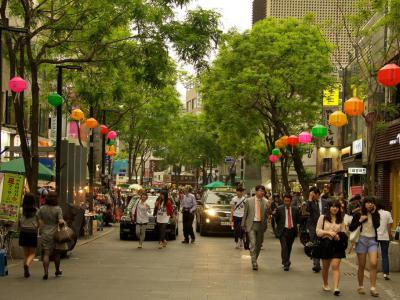
1) Insadong Shopping Street (must see)
The abundance of wooden tea houses (nearly 40), boutique galleries and street vendors offering traditional Korean snacks makes Insa-dong street in Seoul a true magnet for visitors of the Korean capital. Alongside the free entertainment the area is famous for, Insa-dong is also one of the key destinations in the city for buying traditional Korean art, products and souvenirs, such as hanbok (traditional clothing), hanji (traditional paper), traditional teas, pottery, and folk crafts.
There is a plethora of antique shops (more than 50), art galleries (80+), traditional stationery shops, handicraft shops, pottery and porcelain shops, bookstores, and art supply stores. On top of that, there are almost 100 restaurants specialized in traditional Korean cuisine. With such a variety on offer, one is really bound to be spoilt for choice here.
On Sundays the street turns pedestrian-only and is flooded with street performers, buskers and the lively crowds of young and old rushing to enjoy one of Seoul’s most exiting and creative neighborhoods. The tastefully decorated traditional teashops invite passers-by to relax in a calm zen-like atmosphere. For those interested in Korean traditional culture and crafts, Insa-dong is undoubtedly a must-see attraction which will leave imprint of Seoul in one's memory for the years to come.
There is a plethora of antique shops (more than 50), art galleries (80+), traditional stationery shops, handicraft shops, pottery and porcelain shops, bookstores, and art supply stores. On top of that, there are almost 100 restaurants specialized in traditional Korean cuisine. With such a variety on offer, one is really bound to be spoilt for choice here.
On Sundays the street turns pedestrian-only and is flooded with street performers, buskers and the lively crowds of young and old rushing to enjoy one of Seoul’s most exiting and creative neighborhoods. The tastefully decorated traditional teashops invite passers-by to relax in a calm zen-like atmosphere. For those interested in Korean traditional culture and crafts, Insa-dong is undoubtedly a must-see attraction which will leave imprint of Seoul in one's memory for the years to come.
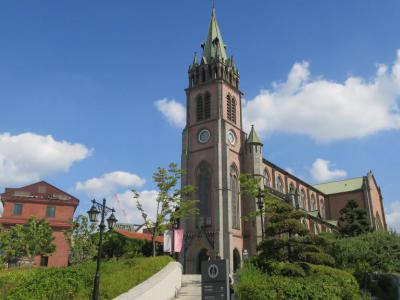
2) Myeongdong Cathedral
Myeongdong Cathedral was established on a site where Korean Catholics first gathered in 1784. The present Gothic brick structure began construction in 1892, with King Gojong laying the cornerstone. Built under the guidance of French missionaries, the cathedral was completed in 1898, making it the first brick Gothic-style church in Korea and the official seat of the Archbishop of Seoul.
The cathedral’s architecture features stained-glass windows, ribbed vault ceilings, and a 45-meter‑tall bell tower, contrasting beautifully with the red and grey brick facade. Its Latin cross‑plan design reflects Western ecclesiastical influence while blending seamlessly into the modern urban fabric of Myeongdong. Inside, the crypte houses relics and the remains of early Korean Catholic martyrs-a moving tribute to those persecuted during the Joseon era religious suppressions.
Beyond its religious function, Myeongdong Cathedral has played a potent role in Korea’s modern social history. During the 1970s and 1980s, it served as a sanctuary for pro-democracy activists and a stage for human rights protests against authoritarian rule-earning it the nickname "Mecca of democracy" in Seoul. In recent years, it also attracted attention as the site of the landmark 1995 migrant labor protest, which helped spark Korea’s labor rights movement.
The cathedral’s architecture features stained-glass windows, ribbed vault ceilings, and a 45-meter‑tall bell tower, contrasting beautifully with the red and grey brick facade. Its Latin cross‑plan design reflects Western ecclesiastical influence while blending seamlessly into the modern urban fabric of Myeongdong. Inside, the crypte houses relics and the remains of early Korean Catholic martyrs-a moving tribute to those persecuted during the Joseon era religious suppressions.
Beyond its religious function, Myeongdong Cathedral has played a potent role in Korea’s modern social history. During the 1970s and 1980s, it served as a sanctuary for pro-democracy activists and a stage for human rights protests against authoritarian rule-earning it the nickname "Mecca of democracy" in Seoul. In recent years, it also attracted attention as the site of the landmark 1995 migrant labor protest, which helped spark Korea’s labor rights movement.
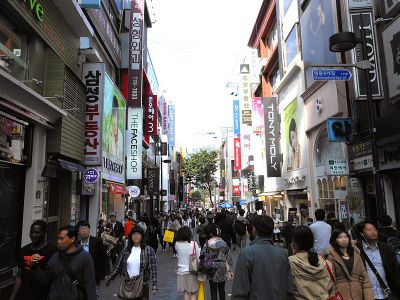
3) Myong-dong Shopping Street (must see)
Myeongdong is Korea's best-known shopping district. You will find mid-priced malls, high-end flagship stores, Korean brands, and international designer brands. Add in a smorgasbord of street food, cafes, restaurants, and night-life, and you have an exciting destination that will leave you dazzled.
During the Joseon Dynasty, this was a residential area. It became more commercial during the Japanese era. As the economy boomed after the Korean War, this area became the extensive shopping center that it is today. It's consistently named as one of the most expensive shopping districts in the world.
Myeongdong Shopping Street has every brand and item you could want. Shop international brands such as Polo Ralph Lauren and Louis Vuitton. Popular Korean cosmetic brands include Missha and The Face Shop. There are hotels, restaurants, cinemas, and theaters to keep you entertained.
Lotte Department Store, a Korean brand, is an impressive 14 stories tall. It features western styles as well as traditional Korean goods and has a food court.
If the weather is getting you down, keep going down to the Myeongdong Underground Shopping Center. The prices go down too--you'll find discount brands, cosmetics, and salons.
The Myeongdong Festival is held twice a year, in spring and autumn. Parades, live music, dance performances, and fashion shows are sure to impress.
Myeongdong Cathedral is a Catholic church that was dedicated in 1898. This beautiful church features a 45-meter steeple and ornate stained-glass windows.
Why You Should Visit:
Myeongdong is the shopping mecca of Seoul. Come during the day for retail therapy. At night, enjoy the city night-life and street food.
Tips:
Visit in the evening and try as much street food as you can devour. You'll find savory chicken, spicy options, and an array of desserts.
During the Joseon Dynasty, this was a residential area. It became more commercial during the Japanese era. As the economy boomed after the Korean War, this area became the extensive shopping center that it is today. It's consistently named as one of the most expensive shopping districts in the world.
Myeongdong Shopping Street has every brand and item you could want. Shop international brands such as Polo Ralph Lauren and Louis Vuitton. Popular Korean cosmetic brands include Missha and The Face Shop. There are hotels, restaurants, cinemas, and theaters to keep you entertained.
Lotte Department Store, a Korean brand, is an impressive 14 stories tall. It features western styles as well as traditional Korean goods and has a food court.
If the weather is getting you down, keep going down to the Myeongdong Underground Shopping Center. The prices go down too--you'll find discount brands, cosmetics, and salons.
The Myeongdong Festival is held twice a year, in spring and autumn. Parades, live music, dance performances, and fashion shows are sure to impress.
Myeongdong Cathedral is a Catholic church that was dedicated in 1898. This beautiful church features a 45-meter steeple and ornate stained-glass windows.
Why You Should Visit:
Myeongdong is the shopping mecca of Seoul. Come during the day for retail therapy. At night, enjoy the city night-life and street food.
Tips:
Visit in the evening and try as much street food as you can devour. You'll find savory chicken, spicy options, and an array of desserts.
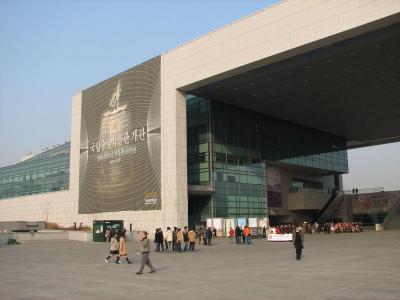
4) National Museum of Korea (must see)
The National Museum of Korea is Korea’s flagship institution showcasing over 5,000 years of history, art, and culture-from prehistoric times to the modern era. Opened in its current state in 2005, the museum spans an impressive footprint of over 300,000 m², making it one of the largest museums in the world and the centerpiece of Korea’s cultural preservation efforts. Serving as both a research hub and a public space, the Museum welcomes nearly 3.5 million visitors annually.
Inside, visitors will find six major permanent galleries: Prehistoric & Ancient History, Medieval & Early Modern History, Donated Works, Calligraphy & Painting, Sculpture & Crafts, and World Art. These galleries feature national treasures such as the magnificent Ten‑Story Pagoda from Gyeongcheonsa Temple, a 7th‑century Pensive Bodhisattva, Goryeo celadon works, and an ornate Silla gold crown.
Beyond viewing priceless relics, the museum offers enriching cultural activities. The Children’s Museum is ideal for families, providing hands‑on programs and interactive exhibits, while its Immersive Digital Gallery offers VR and multimedia experiences. In addition, the Museum hosts walking‑tour commentary in multiple languages and offers garden paths, scenic ponds, and photo spots with views of Namsan and N Seoul Tower.
Inside, visitors will find six major permanent galleries: Prehistoric & Ancient History, Medieval & Early Modern History, Donated Works, Calligraphy & Painting, Sculpture & Crafts, and World Art. These galleries feature national treasures such as the magnificent Ten‑Story Pagoda from Gyeongcheonsa Temple, a 7th‑century Pensive Bodhisattva, Goryeo celadon works, and an ornate Silla gold crown.
Beyond viewing priceless relics, the museum offers enriching cultural activities. The Children’s Museum is ideal for families, providing hands‑on programs and interactive exhibits, while its Immersive Digital Gallery offers VR and multimedia experiences. In addition, the Museum hosts walking‑tour commentary in multiple languages and offers garden paths, scenic ponds, and photo spots with views of Namsan and N Seoul Tower.
5) Hangang Park (must see)
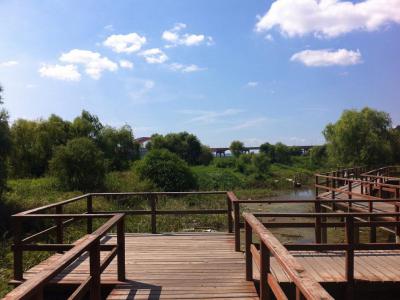
Hangang Park, a ribbon of greenery stretching along the banks of the Han River, consists of twelve distinct sections dotted throughout Seoul-from Yeouido to Ttukseom and Banpo-each offering its own character and recreational focus. Originally developed in the 1980s as part of the Han River Development Project and later enhanced by the Hangang Renaissance initiative, the park system transformed over 39 km² of riverside into environmentally-friendly public space.
Visitors can enjoy a wide variety of outdoor activities across its different sections. Well-maintained cycling and walking trails span the shoreline, with easy bicycle rental options in areas like Yeouido and Ttukseom. Water sports such as kayaking, paddleboarding, motorboat riding, and even water-skiing are supported in many parks, while select areas offer seasonal swimming pools and family-friendly amenities including rock-climbing zones, sports courts, and inline skating parks.
Several Hangang Park sites host lively events throughout the year. Yeouido Park, becomes a highlight each spring with the Yeouido Cherry Blossom Festival and bursts into color again in autumn during the International Fireworks Festival, drawing large crowds for spectacular displays. Meanwhile, Banpo Park is well-known for the Moonlight Rainbow Fountain show beneath Banpo Bridge-an illuminated water spectacle running multiple times nightly from spring through early fall.
Visitors can enjoy a wide variety of outdoor activities across its different sections. Well-maintained cycling and walking trails span the shoreline, with easy bicycle rental options in areas like Yeouido and Ttukseom. Water sports such as kayaking, paddleboarding, motorboat riding, and even water-skiing are supported in many parks, while select areas offer seasonal swimming pools and family-friendly amenities including rock-climbing zones, sports courts, and inline skating parks.
Several Hangang Park sites host lively events throughout the year. Yeouido Park, becomes a highlight each spring with the Yeouido Cherry Blossom Festival and bursts into color again in autumn during the International Fireworks Festival, drawing large crowds for spectacular displays. Meanwhile, Banpo Park is well-known for the Moonlight Rainbow Fountain show beneath Banpo Bridge-an illuminated water spectacle running multiple times nightly from spring through early fall.
