Custom Walk in Victoria, British Columbia by mitchellalexanderjordan_229b33 created on 2026-02-09
Guide Location: Canada » Victoria
Guide Type: Custom Walk
# of Sights: 8
Tour Duration: 3 Hour(s)
Travel Distance: 6.1 Km or 3.8 Miles
Share Key: 38T2H
Guide Type: Custom Walk
# of Sights: 8
Tour Duration: 3 Hour(s)
Travel Distance: 6.1 Km or 3.8 Miles
Share Key: 38T2H
How It Works
Please retrieve this walk in the GPSmyCity app. Once done, the app will guide you from one tour stop to the next as if you had a personal tour guide. If you created the walk on this website or come to the page via a link, please follow the instructions below to retrieve the walk in the app.
Retrieve This Walk in App
Step 1. Download the app "GPSmyCity: Walks in 1K+ Cities" on Apple App Store or Google Play Store.



Step 2. In the GPSmyCity app, download(or launch) the guide "Victoria Map and Walking Tours".
Step 3. Tap the menu button located at upper right corner of the "Walks" screen and select "Retrieve custom walk". Enter the share key: 38T2H
1) Fairmont Empress Hotel (must see)
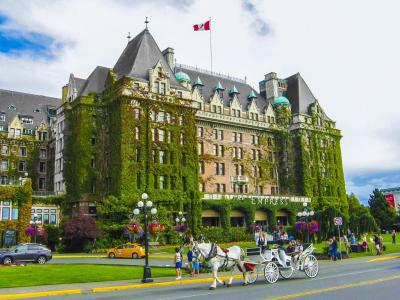
The Fairmont Empress hotel has been a celebrated symbol of the city since it was first opened in 1908. Its architecture is grand and majestic, with a mix of Châteauesque, Renaissance Revival, and Beaux-Arts styles, and features an imposing facade with a prominent central dome and grand entrances that lead to the opulent interior.
The Fairmont has been described as one of Canada's finest examples of Edwardian architecture, and has been recognized as a National Historic Site. Its grand exterior is matched by its equally grand interior, which features ornate furnishings, luxurious finishes, and grand public spaces that showcase the best of early 20th-century design.
The most iconic feature -- the grand lobby -- features a grand staircase, high ceilings, elegant chandeliers, and is dominated by a large fireplace, which is a popular gathering spot for guests and locals alike.
Another popular feature is the world-famous tea room, where guests can enjoy the hotel's signature Afternoon Tea experience. The tea room has been serving high tea since 1908, and its opulent decor and traditional service have made it a Victoria institution.
In addition to the tea room, the hotel has several other dining options, including a seafood restaurant and a lounge bar. Guests can also take advantage of the waterfront location, with views of the Inner Harbour and easy access to nearby attractions.
The Fairmont has been described as one of Canada's finest examples of Edwardian architecture, and has been recognized as a National Historic Site. Its grand exterior is matched by its equally grand interior, which features ornate furnishings, luxurious finishes, and grand public spaces that showcase the best of early 20th-century design.
The most iconic feature -- the grand lobby -- features a grand staircase, high ceilings, elegant chandeliers, and is dominated by a large fireplace, which is a popular gathering spot for guests and locals alike.
Another popular feature is the world-famous tea room, where guests can enjoy the hotel's signature Afternoon Tea experience. The tea room has been serving high tea since 1908, and its opulent decor and traditional service have made it a Victoria institution.
In addition to the tea room, the hotel has several other dining options, including a seafood restaurant and a lounge bar. Guests can also take advantage of the waterfront location, with views of the Inner Harbour and easy access to nearby attractions.
2) Inner Harbour (must see)
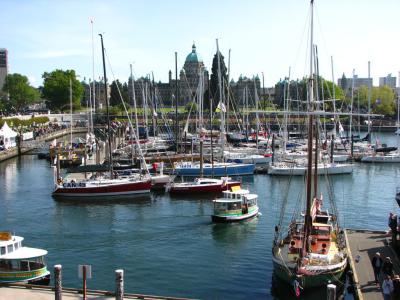
Victoria's Inner Harbour is a feast for the senses! Upon arrival, visitors are greeted by the picturesque sight of the stunning Fairmont Empress Hotel, standing proudly with its historic façade and elegant architecture.
Historically, the area was a mudflat used for clam beds in the 18th century before being developed by the Hudson's Bay Company. Today, the hustle and bustle of the harbour is irresistible, with horse-drawn carriage rides, whale-watching excursions, and harbour ferries adding to the lively atmosphere.
Picturesque views abound, from yachts bobbing gently in the water to the majestic British Columbia Parliament Buildings standing tall in the distance, and charming historic buildings—now renovated into restaurants and shops—lining the waterfront.
As visitors meander along the harbour, they are treated to the melodies of street musicians, the performances of jugglers, and the mesmerizing creations of local artists. Set against the sparkling waters and grand architecture, this vibrant scene creates memories that will last a lifetime.
One of the most beautiful waterfront walkways anywhere—scenic, quaint, and full of free entertainment. Don’t miss seeing the Parliament Buildings illuminated at night for a completely different perspective.
Tip:
If you're into it, take a horse-drawn carriage ride, or take a mini-boat tour (for a fee).
Historically, the area was a mudflat used for clam beds in the 18th century before being developed by the Hudson's Bay Company. Today, the hustle and bustle of the harbour is irresistible, with horse-drawn carriage rides, whale-watching excursions, and harbour ferries adding to the lively atmosphere.
Picturesque views abound, from yachts bobbing gently in the water to the majestic British Columbia Parliament Buildings standing tall in the distance, and charming historic buildings—now renovated into restaurants and shops—lining the waterfront.
As visitors meander along the harbour, they are treated to the melodies of street musicians, the performances of jugglers, and the mesmerizing creations of local artists. Set against the sparkling waters and grand architecture, this vibrant scene creates memories that will last a lifetime.
One of the most beautiful waterfront walkways anywhere—scenic, quaint, and full of free entertainment. Don’t miss seeing the Parliament Buildings illuminated at night for a completely different perspective.
Tip:
If you're into it, take a horse-drawn carriage ride, or take a mini-boat tour (for a fee).
3) Gate of Harmonious Interest and Chinatown
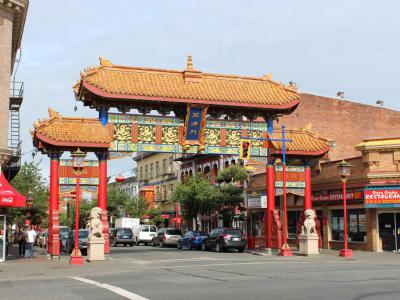
The Gate of Harmonious Interest is not only a cultural symbol but also a magnificent gateway to Victoria's Chinatown, the oldest in Canada and second only to San Francisco's in North America. Its history dates back to the mid-19th century, when a mass influx of miners arrived from California to what is now British Columbia.
The gate was erected in 1981 to celebrate the revitalization of Chinatown by the City of Victoria and the Chinese Consolidated Benevolent Association, with participation from both Chinese and non-Chinese communities. It stands as a shining emblem of unity and harmony, reflected in the two inscriptions: "To work together with one heart" and "To help each other achieve harmony."
The structure itself is a spectacular piece of architecture, adorned with elaborate red and gold decorations—a true feast for the eyes. Two hand-carved stone lions, gifted by Victoria's twin city, Suzhou in China, stand guard on either side, adding a touch of grandeur. The outer red pillars each contain two time capsules, set to be opened in 2081 and 2096, providing a glimpse into the past for future generations.
A plaque engraved with the names of 61 Chinese Canadians who fought and died for Canada during World War II is also located at the site, honoring their sacrifices.
The ambiance of Victoria's Chinatown is vibrant, with alleys brimming with unique boutique shops. From vegan cork purses to specialty soaps, these shops offer items that cannot be found elsewhere. Other stops include fresh produce, chocolate, bakeries, and metaphysical literature. The alleys themselves are charming, featuring exposed brick, vibrant colors, and impeccable cleanliness, creating a welcoming and atmospheric experience.
Tip:
Not all restaurants are great, so make sure you read some reviews before choosing where to eat.
The gate was erected in 1981 to celebrate the revitalization of Chinatown by the City of Victoria and the Chinese Consolidated Benevolent Association, with participation from both Chinese and non-Chinese communities. It stands as a shining emblem of unity and harmony, reflected in the two inscriptions: "To work together with one heart" and "To help each other achieve harmony."
The structure itself is a spectacular piece of architecture, adorned with elaborate red and gold decorations—a true feast for the eyes. Two hand-carved stone lions, gifted by Victoria's twin city, Suzhou in China, stand guard on either side, adding a touch of grandeur. The outer red pillars each contain two time capsules, set to be opened in 2081 and 2096, providing a glimpse into the past for future generations.
A plaque engraved with the names of 61 Chinese Canadians who fought and died for Canada during World War II is also located at the site, honoring their sacrifices.
The ambiance of Victoria's Chinatown is vibrant, with alleys brimming with unique boutique shops. From vegan cork purses to specialty soaps, these shops offer items that cannot be found elsewhere. Other stops include fresh produce, chocolate, bakeries, and metaphysical literature. The alleys themselves are charming, featuring exposed brick, vibrant colors, and impeccable cleanliness, creating a welcoming and atmospheric experience.
Tip:
Not all restaurants are great, so make sure you read some reviews before choosing where to eat.
4) Thunderbird Park
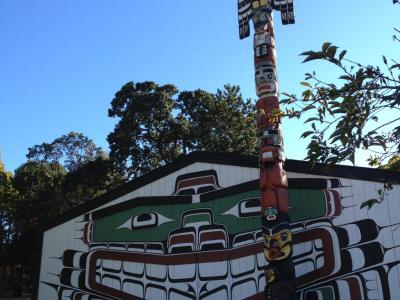
Thunderbird Park, located in Victoria, is an enchanting park adjacent to the Royal British Columbia Museum. Within this park, visitors can immerse themselves in the rich cultural heritage of the First Nations through the presence of numerous totem poles (monumental carvings), predominantly representing the Gitxsan, Haida, and Kwakwaka'wakw peoples. These awe-inspiring totem poles prominently feature the mythological Thunderbird, a significant figure in Indigenous North American cultures.
Thunderbird Park features historic landmarks like Saint Anne's Schoolhouse (1844), Helmcken House (1852), and the Mungo Martin House (Wawadit'la) (1953). These structures represent the area's educational heritage, Victorian-era architecture, and traditional Kwakwaka'wakw style, respectively.
Thunderbird Park forms an integral part of the Royal BC Museum Cultural Precinct, a captivating area encompassing the museum and various historical sites and monuments. It serves as a living testament to the deep-rooted history and artistic expressions of the Indigenous peoples.
The park's story began in 1940 when totem poles were erected in Thunderbird Park to conserve Aboriginal art. The park was officially designated in 1941. However, by 1951, the original poles decayed. The Royal BC Museum launched a restoration program in 1952, led by Chief Martin. After Chief Martin's passing in 1962, Henry Hunt became the head carver. Throughout the years, talented artists like Richard Hunt, Tony Hunt, Tim Paul, Lawrence Bell, David Gladstone, David Martin, and Bill Reid joined the program. By 1992, all original poles were replaced, with some originals preserved in the museum.
Thunderbird Park features historic landmarks like Saint Anne's Schoolhouse (1844), Helmcken House (1852), and the Mungo Martin House (Wawadit'la) (1953). These structures represent the area's educational heritage, Victorian-era architecture, and traditional Kwakwaka'wakw style, respectively.
Thunderbird Park forms an integral part of the Royal BC Museum Cultural Precinct, a captivating area encompassing the museum and various historical sites and monuments. It serves as a living testament to the deep-rooted history and artistic expressions of the Indigenous peoples.
The park's story began in 1940 when totem poles were erected in Thunderbird Park to conserve Aboriginal art. The park was officially designated in 1941. However, by 1951, the original poles decayed. The Royal BC Museum launched a restoration program in 1952, led by Chief Martin. After Chief Martin's passing in 1962, Henry Hunt became the head carver. Throughout the years, talented artists like Richard Hunt, Tony Hunt, Tim Paul, Lawrence Bell, David Gladstone, David Martin, and Bill Reid joined the program. By 1992, all original poles were replaced, with some originals preserved in the museum.
5) Beacon Hill Park (must see)
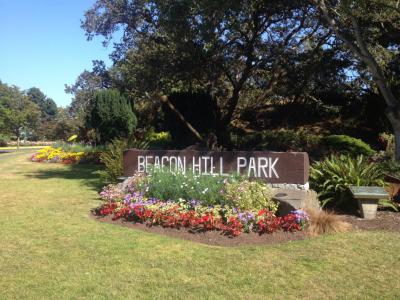
Victoria is renowned for its vast array of beautiful parks, but Beacon Hill Park is perhaps one of the most beloved. This sprawling 62-acre space in the heart of downtown boasts a diverse range of attractions to suit all interests. Visitors can explore scenic walking trails, visit the petting farm and wading pool, admire the water fountains and monuments, play sports on the fields and playgrounds, attend concerts at the band pavilion, and marvel at what was once the world's tallest totem pole.
Beacon Hill Park is steeped in history, having been officially established as a park in 1882. Its name originates from a pair of masts that were erected on a hill to act as a beacon for mariners approaching Victoria’s inner harbour. Today, the park is a lush oasis of landscaped gardens, lakes and ponds, and an alpine and rock garden. It is home to a variety of bird species, including Bald Eagles and Great Blue Herons, as well as an assortment of other wildlife.
One of the most charming features of Beacon Hill Park is the presence of peacocks that roam freely throughout. Children will love visiting the petting zoo, and there are plenty of sports fields and playgrounds for active visitors to enjoy. During the summer months, the park comes alive with the sound of music, as concerts are held regularly at the bandshell.
Beacon Hill Park is a peaceful and idyllic retreat from the hustle and bustle of downtown Victoria. The park is home to a staggering array of exotic and native trees, including Garry Oak, Arbutus, Douglas-fir, Western Red Cedar, birch, willow and maples. Visitors can enjoy a picnic on a sunny day or take a quiet stroll through the park's many trails. And of course, the totem pole – once the world's tallest – still stands tall as a testament to the rich cultural heritage of the region.
Why You Should Visit:
Spectacular grounds with manicured beds, rose garden, bandstand, lakes.
The petting zoo is wonderful and the running of the goats (twice daily – at 10am and 4pm) is a must.
At the South end of the park, you can walk along the cliffs and admire the view of the ocean.
Tip:
Visit the Bird Cages Confectionery at the corner of Michigan and Government before you come and buy a bag of oats to feed to the ducks.
Beacon Hill Park is steeped in history, having been officially established as a park in 1882. Its name originates from a pair of masts that were erected on a hill to act as a beacon for mariners approaching Victoria’s inner harbour. Today, the park is a lush oasis of landscaped gardens, lakes and ponds, and an alpine and rock garden. It is home to a variety of bird species, including Bald Eagles and Great Blue Herons, as well as an assortment of other wildlife.
One of the most charming features of Beacon Hill Park is the presence of peacocks that roam freely throughout. Children will love visiting the petting zoo, and there are plenty of sports fields and playgrounds for active visitors to enjoy. During the summer months, the park comes alive with the sound of music, as concerts are held regularly at the bandshell.
Beacon Hill Park is a peaceful and idyllic retreat from the hustle and bustle of downtown Victoria. The park is home to a staggering array of exotic and native trees, including Garry Oak, Arbutus, Douglas-fir, Western Red Cedar, birch, willow and maples. Visitors can enjoy a picnic on a sunny day or take a quiet stroll through the park's many trails. And of course, the totem pole – once the world's tallest – still stands tall as a testament to the rich cultural heritage of the region.
Why You Should Visit:
Spectacular grounds with manicured beds, rose garden, bandstand, lakes.
The petting zoo is wonderful and the running of the goats (twice daily – at 10am and 4pm) is a must.
At the South end of the park, you can walk along the cliffs and admire the view of the ocean.
Tip:
Visit the Bird Cages Confectionery at the corner of Michigan and Government before you come and buy a bag of oats to feed to the ducks.
6) British Columbia Parliament Buildings (must see)
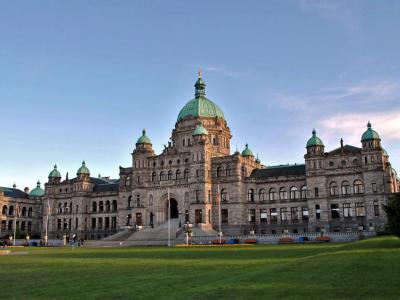
Standing proudly on Victoria’s Inner Harbour, the British Columbia Parliament Buildings are impossible to miss. Completed in 1898, they are considered a perfect example of Neo-Baroque Renaissance architecture. Their stunning design incorporates a range of features, including columns, pediments, domes, and classical motifs.
The central building is the most notable of the complex, featuring a magnificent central dome reaching a height of 75 meters, making it one of the tallest domes in the world. Atop it stands a gold-covered statue of Captain George Vancouver.
The Neo-Baroque complex consists of three main buildings: the central legislative building, the west wing, and the east wing. The central building houses the Legislative Assembly, the lawmaking body of the province, open to the public when the legislature is not in session.
The west wing of the complex contains the offices of Members of the Legislative Assembly and the Legislative Library. The east wing is home to government administrative offices, including those of the Premier and the Lieutenant Governor.
The interiors are adorned with mosaic tiles, painted ceilings, and beautiful stained glass windows, as well as numerous works of art, including paintings, sculptures, and murals.
These buildings are rich in history, having witnessed many significant events since their opening in 1898, including the introduction of women’s suffrage, the establishment of the provincial flag and coat of arms, and the first meeting of the Western Premiers’ Conference.
Today, they are a popular tourist destination and open for public tours. Visitors can explore the stunning architecture, learn about the history of the buildings and the province, and witness the daily workings of the Legislative Assembly. Self-guided and guided tour of portions of the Parliament are available.
The Parliament Buildings and the surrounding garden knoll are spectacular both by day and by night.
Tip:
Make sure to take both the indoor and garden tours—they’re spectacular by day and by night, and best of all, both are free!
You can also sign in at the security desk and visit the basement restaurant which is frequented by all the politicians.
The central building is the most notable of the complex, featuring a magnificent central dome reaching a height of 75 meters, making it one of the tallest domes in the world. Atop it stands a gold-covered statue of Captain George Vancouver.
The Neo-Baroque complex consists of three main buildings: the central legislative building, the west wing, and the east wing. The central building houses the Legislative Assembly, the lawmaking body of the province, open to the public when the legislature is not in session.
The west wing of the complex contains the offices of Members of the Legislative Assembly and the Legislative Library. The east wing is home to government administrative offices, including those of the Premier and the Lieutenant Governor.
The interiors are adorned with mosaic tiles, painted ceilings, and beautiful stained glass windows, as well as numerous works of art, including paintings, sculptures, and murals.
These buildings are rich in history, having witnessed many significant events since their opening in 1898, including the introduction of women’s suffrage, the establishment of the provincial flag and coat of arms, and the first meeting of the Western Premiers’ Conference.
Today, they are a popular tourist destination and open for public tours. Visitors can explore the stunning architecture, learn about the history of the buildings and the province, and witness the daily workings of the Legislative Assembly. Self-guided and guided tour of portions of the Parliament are available.
The Parliament Buildings and the surrounding garden knoll are spectacular both by day and by night.
Tip:
Make sure to take both the indoor and garden tours—they’re spectacular by day and by night, and best of all, both are free!
You can also sign in at the security desk and visit the basement restaurant which is frequented by all the politicians.
7) Fisherman's Wharf (must see)
A popular destination for visitors to Victoria, Fisherman's Wharf is a newly-formed space that has been rehabilitated from previously unused land. This park is now home to a variety of attractions, including a rain garden that serves to filter storm drain waters, a public herb garden, a children's playground, a 'beach', a playing field, and areas for visitors to relax and read a book.
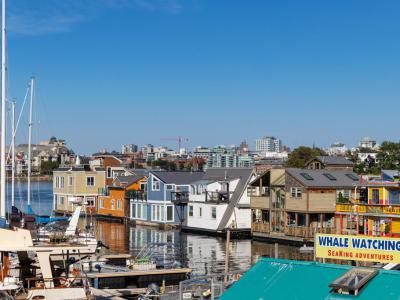
Adjacent to the park is the actual wharf that the park is named for; a unique marine location that offers food kiosks, interesting shops, and eco-tour adventures in the heart of the working harbour. Visitors can wander along the docks with their lunch, buy seafood fresh off the boat, view moored pleasure vessels and float homes, and watch as fishing vessels unload their day's catch.
One of the most enjoyable things to do at Fisherman's Wharf is to feed the resident seals. These friendly creatures are used to people and will usually come looking for a handout. Food (fish) for the seals can be purchased at a small fish store located at the wharf.
Just steps away from the bustling and festive commercial plaza, the eastern end of Fisherman's Wharf is largely populated by colorful float homes, which serve as permanent residences for their owners. The residents share their lively neighborhood with a variety of wildlife, including harbour seals, herons, eagles, geese, cormorants, gulls, otters, and raccoons.
Adjacent to the park is the actual wharf that the park is named for; a unique marine location that offers food kiosks, interesting shops, and eco-tour adventures in the heart of the working harbour. Visitors can wander along the docks with their lunch, buy seafood fresh off the boat, view moored pleasure vessels and float homes, and watch as fishing vessels unload their day's catch.
One of the most enjoyable things to do at Fisherman's Wharf is to feed the resident seals. These friendly creatures are used to people and will usually come looking for a handout. Food (fish) for the seals can be purchased at a small fish store located at the wharf.
Just steps away from the bustling and festive commercial plaza, the eastern end of Fisherman's Wharf is largely populated by colorful float homes, which serve as permanent residences for their owners. The residents share their lively neighborhood with a variety of wildlife, including harbour seals, herons, eagles, geese, cormorants, gulls, otters, and raccoons.
8) Royal British Columbia Museum (must see)
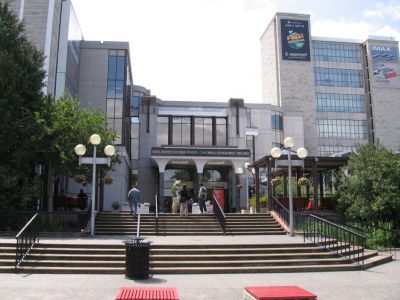
Founded in 1886, the Royal British Columbia Museum is divided into several permanent galleries, including the Natural History Gallery, the First Peoples Gallery, and the Modern History Gallery.
The Natural History Gallery features exhibits on the province's flora and fauna, with displays of taxidermied animals and interactive installations that explore the region's diverse ecosystems. The First Peoples Gallery showcases the history and culture of British Columbia's Indigenous peoples, including ceremonial regalia, carvings, and artwork. The Modern History Gallery examines the province's more recent past, highlighting the colonial period, the gold rush, and the impact of industrialization on the region.
The museum’s main focus is a fascinating journey through time, centered on two primary themes: the rich history of British Columbia’s major cities and the captivating history of the Indigenous peoples who have long called this area home. Artifacts and exhibits vividly illustrate daily life, cultural traditions, and historic transformations. They offer insight into a region at the crossroads of nature and exploration during the pivotal period when the first Europeans arrived.
A highlight is the 20th-century Vancouver and Victoria exhibit, featuring life-size recreations of bustling streets, a vintage movie theater showcasing Charlie Chaplin, busy Chinatown lanes, and a hotel reflecting key historical moments. Visitors can also view Captain Vancouver’s ship and a gold panning operation.
The museum hosts temporary exhibitions on topics ranging from the RMS Titanic to Leonardo da Vinci, Vikings, and Egyptian treasures, and houses the IMAX Victoria theater, presenting both educational and entertainment films.
Tip:
Don't skip the outdoor section on the side of the main entrance. You can visit one of the original houses of the first big settlement in Victoria, totems, and a First Nation chief house, in a very nice and quiet setting. Otherwise, plan at least 3 hours to enjoy all the exhibitions (permanent and temporary).
The Natural History Gallery features exhibits on the province's flora and fauna, with displays of taxidermied animals and interactive installations that explore the region's diverse ecosystems. The First Peoples Gallery showcases the history and culture of British Columbia's Indigenous peoples, including ceremonial regalia, carvings, and artwork. The Modern History Gallery examines the province's more recent past, highlighting the colonial period, the gold rush, and the impact of industrialization on the region.
The museum’s main focus is a fascinating journey through time, centered on two primary themes: the rich history of British Columbia’s major cities and the captivating history of the Indigenous peoples who have long called this area home. Artifacts and exhibits vividly illustrate daily life, cultural traditions, and historic transformations. They offer insight into a region at the crossroads of nature and exploration during the pivotal period when the first Europeans arrived.
A highlight is the 20th-century Vancouver and Victoria exhibit, featuring life-size recreations of bustling streets, a vintage movie theater showcasing Charlie Chaplin, busy Chinatown lanes, and a hotel reflecting key historical moments. Visitors can also view Captain Vancouver’s ship and a gold panning operation.
The museum hosts temporary exhibitions on topics ranging from the RMS Titanic to Leonardo da Vinci, Vikings, and Egyptian treasures, and houses the IMAX Victoria theater, presenting both educational and entertainment films.
Tip:
Don't skip the outdoor section on the side of the main entrance. You can visit one of the original houses of the first big settlement in Victoria, totems, and a First Nation chief house, in a very nice and quiet setting. Otherwise, plan at least 3 hours to enjoy all the exhibitions (permanent and temporary).
