Custom Walk in Nassau, Bahamas by sondrap4503_9cca64 created on 2026-02-24
Guide Location: Bahamas » Nassau
Guide Type: Custom Walk
# of Sights: 13
Tour Duration: 3 Hour(s)
Travel Distance: 6.5 Km or 4 Miles
Share Key: G64Q2
Guide Type: Custom Walk
# of Sights: 13
Tour Duration: 3 Hour(s)
Travel Distance: 6.5 Km or 4 Miles
Share Key: G64Q2
How It Works
Please retrieve this walk in the GPSmyCity app. Once done, the app will guide you from one tour stop to the next as if you had a personal tour guide. If you created the walk on this website or come to the page via a link, please follow the instructions below to retrieve the walk in the app.
Retrieve This Walk in App
Step 1. Download the app "GPSmyCity: Walks in 1K+ Cities" on Apple App Store or Google Play Store.



Step 2. In the GPSmyCity app, download(or launch) the guide "Nassau Map and Walking Tours".
Step 3. Tap the menu button located at upper right corner of the "Walks" screen and select "Retrieve custom walk". Enter the share key: G64Q2
1) Prince George Wharf
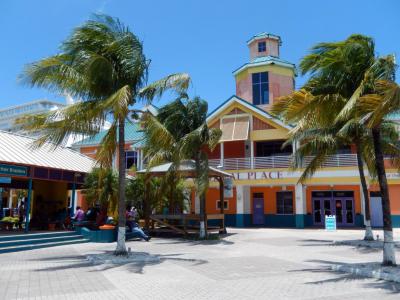
Prince George Wharf is the main cruise port of The Bahamas and one of the busiest cruise gateways in the Caribbean. Large cruise liners berth directly along the downtown waterfront. Following a major redevelopment completed in 2023, the port significantly expanded its berthing capacity and visitor infrastructure, accommodating multiple megaships simultaneously and handling several million cruise passengers annually in peak years.
Passenger arrivals now pass through the Nassau Cruise Port terminal complex, which replaced the former “Festival Place” branding. The terminal combines arrival halls with retail zones designed to manage high passenger volumes efficiently. Dozens of vendor stalls and shops offer resort wear, souvenirs, and locally made crafts, including straw goods, textiles, paintings, and small decorative items associated with Bahamian visual culture.
The wharf functions as a practical starting point for short excursions and services. Nearby operators arrange activities such as horse-drawn carriage rides, scooter rentals, boat trips, and hair-braiding, many catering specifically to cruise schedules. On busy port days, live Bahamian music and informal performances are often staged within the terminal area, reinforcing the waterfront’s active, transit-oriented atmosphere.
Adjacent to the terminals, Woodes Rogers Walk offers an elevated viewpoint overlooking the harbor. From here, visitors can observe the constant movement of ships and passengers along a stretch of waterfront that has shaped Nassau’s maritime role for centuries.
Passenger arrivals now pass through the Nassau Cruise Port terminal complex, which replaced the former “Festival Place” branding. The terminal combines arrival halls with retail zones designed to manage high passenger volumes efficiently. Dozens of vendor stalls and shops offer resort wear, souvenirs, and locally made crafts, including straw goods, textiles, paintings, and small decorative items associated with Bahamian visual culture.
The wharf functions as a practical starting point for short excursions and services. Nearby operators arrange activities such as horse-drawn carriage rides, scooter rentals, boat trips, and hair-braiding, many catering specifically to cruise schedules. On busy port days, live Bahamian music and informal performances are often staged within the terminal area, reinforcing the waterfront’s active, transit-oriented atmosphere.
Adjacent to the terminals, Woodes Rogers Walk offers an elevated viewpoint overlooking the harbor. From here, visitors can observe the constant movement of ships and passengers along a stretch of waterfront that has shaped Nassau’s maritime role for centuries.
2) Parliament Square
Parliament Square developed in its present form in the early 19th century, following the arrival of Loyalists from the former American colonies who remained loyal to the British Crown after the American Revolutionary War. Their influence shaped both the layout of the square and the establishment of Nassau as a permanent seat of colonial government.
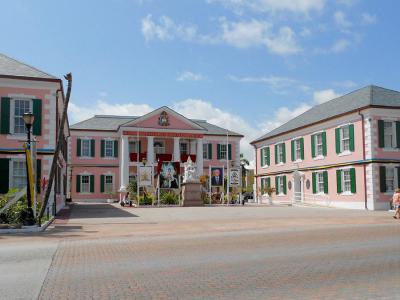
The square is visually defined by a tight grouping of pastel pink, Georgian-style government buildings arranged around an open civic space. Directly facing the square are the House of Assembly and the Senate of The Bahamas. The Supreme Court of The Bahamas sits slightly behind this frontage, visible beyond the main buildings rather than forming part of the square’s immediate edge.
The House of Assembly serves as the lower chamber of Parliament and is one of the oldest continuously operating legislative bodies in the Western Hemisphere, having first convened in 1729. When sessions are underway, visitors may observe debates from the public gallery, offering a direct view into parliamentary procedure within a historic setting. In front of the Senate Building stands a marble statue of Queen Victoria, erected in 1905.
Beyond the main parliamentary buildings, behind the Supreme Court, lies the Garden of Remembrance. This quieter, enclosed space contains a cenotaph commemorating Bahamian soldiers who died in the First and Second World Wars, with engraved plaques listing their names.
The square is visually defined by a tight grouping of pastel pink, Georgian-style government buildings arranged around an open civic space. Directly facing the square are the House of Assembly and the Senate of The Bahamas. The Supreme Court of The Bahamas sits slightly behind this frontage, visible beyond the main buildings rather than forming part of the square’s immediate edge.
The House of Assembly serves as the lower chamber of Parliament and is one of the oldest continuously operating legislative bodies in the Western Hemisphere, having first convened in 1729. When sessions are underway, visitors may observe debates from the public gallery, offering a direct view into parliamentary procedure within a historic setting. In front of the Senate Building stands a marble statue of Queen Victoria, erected in 1905.
Beyond the main parliamentary buildings, behind the Supreme Court, lies the Garden of Remembrance. This quieter, enclosed space contains a cenotaph commemorating Bahamian soldiers who died in the First and Second World Wars, with engraved plaques listing their names.
3) Queen's Staircase (must see)
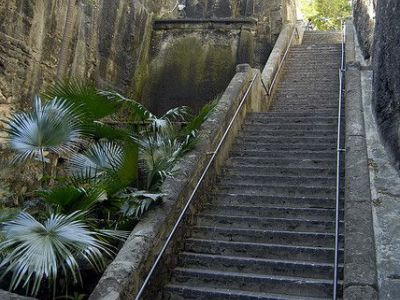
Queen’s Staircase, often referred to as the 66 Steps, was hand-carved out of solid limestone in the late 18th century, most likely between 1793 and 1794, and provides a direct pedestrian route up Bennet’s Hill to Fort Fincastle. Although only 65 steps are visible today, the missing 66th step was buried during later paving works at the base of the staircase.
The staircase was created during a period when the British colony was strengthening its defenses against potential foreign threats in the Caribbean. Rather than responding specifically to pirate attacks, it formed part of a broader defensive network that included Fort Fincastle, Fort Montagu, and Fort Charlotte. Fort Fincastle stands at the highest elevation of the three, and the staircase functioned as a practical shortcut between the town below and the hilltop fortification.
The carving was carried out by enslaved Africans, using only hand tools to cut directly through the limestone cliff. One lesser-noted detail is that the chisel marks left by this work are still visible along the walls, offering a rare, tactile reminder of the labor involved. In the mid-19th century, the staircase was renamed in honor of Queen Victoria, who reigned from 1837 to 1901, reflecting the colony’s continued ties to the British Crown.
The water feature that runs alongside the staircase and the surrounding garden setting are later additions. Today, high stone walls, shade, and flowing water give the staircase a cool, grotto-like atmosphere. Although it still leads to Fort Fincastle, Queen’s Staircase is now appreciated less as a military route and more as one of Nassau’s atmospheric historic passages.
The staircase was created during a period when the British colony was strengthening its defenses against potential foreign threats in the Caribbean. Rather than responding specifically to pirate attacks, it formed part of a broader defensive network that included Fort Fincastle, Fort Montagu, and Fort Charlotte. Fort Fincastle stands at the highest elevation of the three, and the staircase functioned as a practical shortcut between the town below and the hilltop fortification.
The carving was carried out by enslaved Africans, using only hand tools to cut directly through the limestone cliff. One lesser-noted detail is that the chisel marks left by this work are still visible along the walls, offering a rare, tactile reminder of the labor involved. In the mid-19th century, the staircase was renamed in honor of Queen Victoria, who reigned from 1837 to 1901, reflecting the colony’s continued ties to the British Crown.
The water feature that runs alongside the staircase and the surrounding garden setting are later additions. Today, high stone walls, shade, and flowing water give the staircase a cool, grotto-like atmosphere. Although it still leads to Fort Fincastle, Queen’s Staircase is now appreciated less as a military route and more as one of Nassau’s atmospheric historic passages.
4) Fort Fincastle (must see)
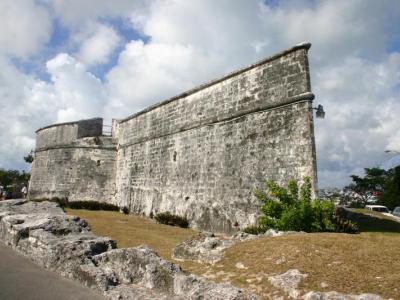
Fort Fincastle was constructed in 1793 using cut limestone and occupies the summit of Bennet’s Hill, a position selected for its clear command over Nassau and the harbor. The fort was commissioned by John Murray, then Governor of The Bahamas. Most visitors arrive on foot via the historic Queen’s Staircase, which emerges at the base of the fort and leads directly into the outer grounds.
Viewed from above, the fort’s circular form is often said to resemble a paddle-wheel steamer. The structure was designed to mount approximately a dozen cannons, though there is no record of the fort ever firing its guns in combat. For a short period in the early 19th century, the fort also served as a lighthouse, before navigational duties were transferred to later harbor lights.
Once inside the fort grounds, the main viewing area is reached by walking along the outer parapet, where the low stone walls open outward toward the city and sea. Looking west, you can see the dense layout of historic downtown Nassau, with its low-rise buildings and street grid spreading outward from the harbor. Turning south, the view opens toward Nassau Harbor itself, where cruise ships and smaller vessels trace the same maritime routes once monitored by the fort’s garrison. To the east, Paradise Island comes into view across the water, its shoreline and bridges clearly visible from this elevated position.
Interpretive information panels are positioned along the inner walls and near the cannon mounts. These panels explain the fort’s construction, its relationship to other defensive sites such as Fort Charlotte and Fort Montagu, and the strategic importance of Bennet’s Hill. Together, the viewpoints and signage help visitors understand how Fort Fincastle functioned within Nassau’s wider system of coastal defenses while offering one of the clearest panoramic perspectives in the city.
Viewed from above, the fort’s circular form is often said to resemble a paddle-wheel steamer. The structure was designed to mount approximately a dozen cannons, though there is no record of the fort ever firing its guns in combat. For a short period in the early 19th century, the fort also served as a lighthouse, before navigational duties were transferred to later harbor lights.
Once inside the fort grounds, the main viewing area is reached by walking along the outer parapet, where the low stone walls open outward toward the city and sea. Looking west, you can see the dense layout of historic downtown Nassau, with its low-rise buildings and street grid spreading outward from the harbor. Turning south, the view opens toward Nassau Harbor itself, where cruise ships and smaller vessels trace the same maritime routes once monitored by the fort’s garrison. To the east, Paradise Island comes into view across the water, its shoreline and bridges clearly visible from this elevated position.
Interpretive information panels are positioned along the inner walls and near the cannon mounts. These panels explain the fort’s construction, its relationship to other defensive sites such as Fort Charlotte and Fort Montagu, and the strategic importance of Bennet’s Hill. Together, the viewpoints and signage help visitors understand how Fort Fincastle functioned within Nassau’s wider system of coastal defenses while offering one of the clearest panoramic perspectives in the city.
5) Balcony House Museum
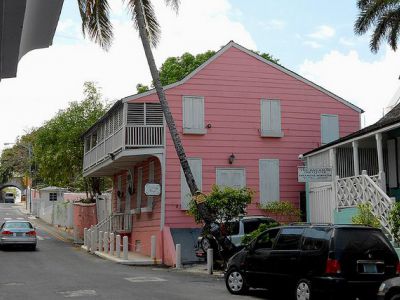
The Balcony House Museum is the oldest, still-standing wooden house in Nassau. Though there is no record of an exact date when the home was built, historical maps show its presence from at least the late-18th century. It is named for the prominent balcony that stretches along the entirety of the home's second floor.
Stephen Dillet, the first black member of the Bahamian House of Assembly, lived in the home in the mid-1800s. Dillet also served as inspect of the Nassau Police and justice of the peace.
The house was converted into a museum in 1992. It is appointed with antique furnishings and unique items that show the history of the Bahamas from the 18th and 19th centuries. The house also displays the Loyalist architecture of the period with its balcony and mahogany staircase.
The Balcony House Museum is open on Monday through Friday from 9:30 AM to 4:30 PM. It is closed on weekends. Admission to the Balcony House Museum is free.
Stephen Dillet, the first black member of the Bahamian House of Assembly, lived in the home in the mid-1800s. Dillet also served as inspect of the Nassau Police and justice of the peace.
The house was converted into a museum in 1992. It is appointed with antique furnishings and unique items that show the history of the Bahamas from the 18th and 19th centuries. The house also displays the Loyalist architecture of the period with its balcony and mahogany staircase.
The Balcony House Museum is open on Monday through Friday from 9:30 AM to 4:30 PM. It is closed on weekends. Admission to the Balcony House Museum is free.
6) Government House
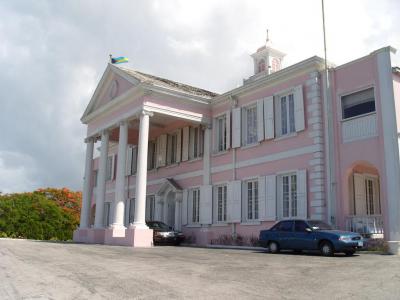
Government House is the official residence of the Governor-General of The Bahamas and one of Nassau’s most prominent examples of Georgian colonial architecture. The building overlooks the harbor and has long served as a symbol of colonial authority and state ceremony.
The house is painted in the traditional conch-pink color associated with Bahamian civic buildings. Its formal entrance is marked by four Ionic columns, reflecting British Georgian design principles. Elements such as wooden shutters and the use of color reflect local adaptation to climate and materials, while the overall symmetry and proportions follow British architectural conventions introduced during the Loyalist period after the American Revolutionary War.
The first Government House on this site was constructed in 1737, though the present building dates largely to 1806, following reconstruction and expansion. Over time, the residence has undergone several modifications. An east wing was added in 1909, and after hurricane damage in 1929, major repairs in the 1930s included changes to the roof, facade, and entrance.
One of the residence’s most notable occupants was Edward VIII, who served as Governor of The Bahamas from 1940 to 1945 under the title Duke of Windsor, after abdicating the British throne in 1936 to marry Wallis Simpson. During their tenure, a west wing, known as the Windsor Wing, was added. The Duchess also installed a distinctive black glass plaque on the front door, shipped from the couple’s residence in France and bearing the Duke’s Order of the Garter.
The house is painted in the traditional conch-pink color associated with Bahamian civic buildings. Its formal entrance is marked by four Ionic columns, reflecting British Georgian design principles. Elements such as wooden shutters and the use of color reflect local adaptation to climate and materials, while the overall symmetry and proportions follow British architectural conventions introduced during the Loyalist period after the American Revolutionary War.
The first Government House on this site was constructed in 1737, though the present building dates largely to 1806, following reconstruction and expansion. Over time, the residence has undergone several modifications. An east wing was added in 1909, and after hurricane damage in 1929, major repairs in the 1930s included changes to the roof, facade, and entrance.
One of the residence’s most notable occupants was Edward VIII, who served as Governor of The Bahamas from 1940 to 1945 under the title Duke of Windsor, after abdicating the British throne in 1936 to marry Wallis Simpson. During their tenure, a west wing, known as the Windsor Wing, was added. The Duchess also installed a distinctive black glass plaque on the front door, shipped from the couple’s residence in France and bearing the Duke’s Order of the Garter.
7) Fort Charlotte
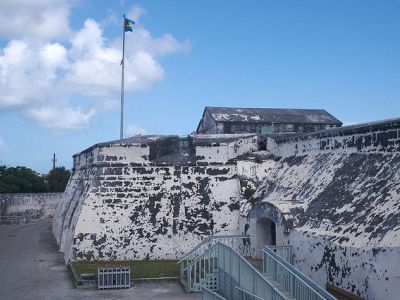
Fort Charlotte is an impressive British-colonial era fort located on a hill that overlooks the beautiful harbor of Nassau, The Bahamas. It was constructed by the British colonial governor Lord Dunmore in the late 18th century, following the end of the American Revolutionary war. Interestingly, the fort was never used in battle, despite being part of a series of English forts in Nassau that were intended to serve as battle stations to defend against the invading Spaniards.
Fort Charlotte's construction began in 1789, as a replacement for the Old Fort of Nassau which had been largely destroyed by the Spaniards in 1782. It was finished in 1819, and remains one of the most imposing structures in the Bahamas. The fort complex consists of a 100-acre area, which includes two other forts, Stanley and D’Arcy. Visitors can tour these forts and learn about their history while enjoying magnificent views of the western harbor.
Fort Charlotte is surrounded by a dry moat and is a massive stronghold that has never seen any action. Despite its size, the fort was named after Charlotte of Mecklenburg-Strelitz, the wife of King George III of the United Kingdom, and the mother of his 15 children. The fort's cannons have never been used in battle, but they serve as a reminder of the strategic importance of the site.
Fort Charlotte's construction began in 1789, as a replacement for the Old Fort of Nassau which had been largely destroyed by the Spaniards in 1782. It was finished in 1819, and remains one of the most imposing structures in the Bahamas. The fort complex consists of a 100-acre area, which includes two other forts, Stanley and D’Arcy. Visitors can tour these forts and learn about their history while enjoying magnificent views of the western harbor.
Fort Charlotte is surrounded by a dry moat and is a massive stronghold that has never seen any action. Despite its size, the fort was named after Charlotte of Mecklenburg-Strelitz, the wife of King George III of the United Kingdom, and the mother of his 15 children. The fort's cannons have never been used in battle, but they serve as a reminder of the strategic importance of the site.
8) Junkanoo Beach
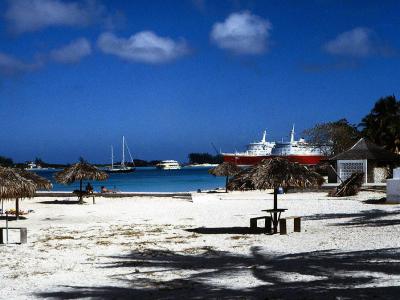
Junkanoo Beach in Nassau is a must-visit destination if you are looking for a pristine beach area to relax and enjoy. Located on the north side of Nassau, it boasts the best location of all the beaches on the island. The beach is situated right in the middle of downtown Nassau, making it easily accessible and conveniently located for visitors.
The crystal clear turquoise waters and soft sandy beach make Junkanoo Beach the perfect place to spend an entire day. It is also lined with a variety of shops, restaurants, and water sports activities, providing endless entertainment options for visitors. From shopping to dining, there is something for everyone at Junkanoo Beach.
Despite being located in a busy area, Junkanoo Beach remains relatively quiet for much of the year, making it a perfect family destination. The beach is well-maintained and offers clean restroom and changing facilities, providing visitors with all the necessary amenities for a comfortable and enjoyable day out.
The crystal clear turquoise waters and soft sandy beach make Junkanoo Beach the perfect place to spend an entire day. It is also lined with a variety of shops, restaurants, and water sports activities, providing endless entertainment options for visitors. From shopping to dining, there is something for everyone at Junkanoo Beach.
Despite being located in a busy area, Junkanoo Beach remains relatively quiet for much of the year, making it a perfect family destination. The beach is well-maintained and offers clean restroom and changing facilities, providing visitors with all the necessary amenities for a comfortable and enjoyable day out.
9) Pirates of Nassau Museum (must see)
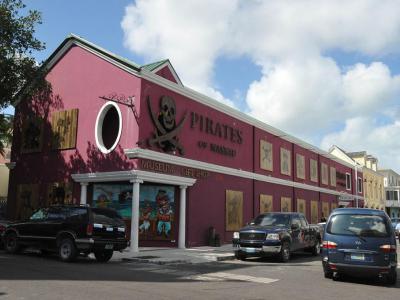
Pirates of Nassau Museum is an interactive museum designed to introduce visitors to the pirate era that shaped Nassau’s early history. Rather than a traditional display museum, it uses immersive sets and walk-through exhibits to recreate the atmosphere of the town during its most notorious period. Visitors enter the experience by boarding a full-scale replica of the pirate ship Revenge, which serves as the starting point for the exhibition.
The period roughly between the late 17th century and the early 18th century is commonly referred to as the Golden Age of Piracy. During these years, Nassau gained a reputation as a major pirate base due to its protected harbor and surrounding shallow waters. These conditions allowed pirates to navigate small, shallow-draft vessels through channels inaccessible to larger naval ships, while still maintaining quick access to major Atlantic trade routes.
The museum presents this history in an accessible, theatrical format. Visitors move through a recreated dockside settlement before stepping aboard the ship, where exhibits explain pirate life, maritime navigation, and the social codes that governed pirate crews. Displays include reconstructed living quarters, weapons, tools, and everyday objects associated with seafaring life.
Several historical figures are introduced along the route, including well-known pirates such as Blackbeard, as well as Woodes Rogers, whose arrival in 1718 marked the end of Nassau’s pirate era. The museum also highlights women pirates, notably Anne Bonny and Mary Read, whose stories challenge common assumptions about piracy.
Thematic rooms include the Marooned exhibit, illustrating punishments for breaking pirate codes, and the Flag Room, which explains the symbolism of pirate flags used to intimidate targets. An on-site restaurant, Smugglers, offers Bahamian dishes such as conch salad, allowing visitors to extend the experience beyond the exhibition.
The period roughly between the late 17th century and the early 18th century is commonly referred to as the Golden Age of Piracy. During these years, Nassau gained a reputation as a major pirate base due to its protected harbor and surrounding shallow waters. These conditions allowed pirates to navigate small, shallow-draft vessels through channels inaccessible to larger naval ships, while still maintaining quick access to major Atlantic trade routes.
The museum presents this history in an accessible, theatrical format. Visitors move through a recreated dockside settlement before stepping aboard the ship, where exhibits explain pirate life, maritime navigation, and the social codes that governed pirate crews. Displays include reconstructed living quarters, weapons, tools, and everyday objects associated with seafaring life.
Several historical figures are introduced along the route, including well-known pirates such as Blackbeard, as well as Woodes Rogers, whose arrival in 1718 marked the end of Nassau’s pirate era. The museum also highlights women pirates, notably Anne Bonny and Mary Read, whose stories challenge common assumptions about piracy.
Thematic rooms include the Marooned exhibit, illustrating punishments for breaking pirate codes, and the Flag Room, which explains the symbolism of pirate flags used to intimidate targets. An on-site restaurant, Smugglers, offers Bahamian dishes such as conch salad, allowing visitors to extend the experience beyond the exhibition.
10) Christ Church Cathedral
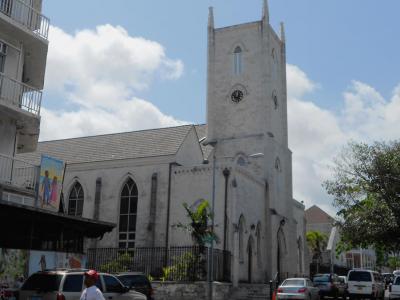
Christ Church Cathedral stands on the site of Nassau’s earliest Anglican place of worship, with the first church recorded here in 1670. As you approach the building, you are standing on ground that has been used for Christian worship for more than three centuries. Earlier churches on this site were repeatedly destroyed, including during Spanish raids in the late 17th and early 18th centuries. Over time, rebuilding progressed from simple wooden structures to more durable stone.
The present cathedral, completed in 1841, faces the surrounding streets with a restrained, symmetrical facade. When Nassau was granted city status in 1861, the church was elevated to cathedral status and became the seat of the Anglican Diocese of Nassau and the Bahamas. As part of the Anglican Communion, it follows traditions closely related to those of the Episcopal Church.
Before entering, take note of the square stone tower and the light-colored exterior, both characteristic of Victorian Gothic Revival design. Inside, toward the back of the sanctuary, you’ll find the wooden baptismal font. Look closely near its base for a small carved mouse left by a British craftsman and now one of the cathedral’s most talked-about curiosities.
As you move along the nave, the stained-glass windows reflect different periods in the cathedral’s history. The east window, depicting the Crucifixion, was dedicated in 1949 and anchors the sanctuary visually. Along the side walls, the windows were hand-crafted and installed during a major refurbishment in the 1990s by the Statesville Stained Glass Company, continuing the tradition of stained glass in a modern context. Mounted along the interior walls are memorial tablets dedicated to prominent Nassau residents of the 18th and 19th centuries, many connected to maritime trade, colonial administration, or church life.
After exiting, spend a moment in the churchyard, one of the oldest continuously used religious sites in The Bahamas.
The present cathedral, completed in 1841, faces the surrounding streets with a restrained, symmetrical facade. When Nassau was granted city status in 1861, the church was elevated to cathedral status and became the seat of the Anglican Diocese of Nassau and the Bahamas. As part of the Anglican Communion, it follows traditions closely related to those of the Episcopal Church.
Before entering, take note of the square stone tower and the light-colored exterior, both characteristic of Victorian Gothic Revival design. Inside, toward the back of the sanctuary, you’ll find the wooden baptismal font. Look closely near its base for a small carved mouse left by a British craftsman and now one of the cathedral’s most talked-about curiosities.
As you move along the nave, the stained-glass windows reflect different periods in the cathedral’s history. The east window, depicting the Crucifixion, was dedicated in 1949 and anchors the sanctuary visually. Along the side walls, the windows were hand-crafted and installed during a major refurbishment in the 1990s by the Statesville Stained Glass Company, continuing the tradition of stained glass in a modern context. Mounted along the interior walls are memorial tablets dedicated to prominent Nassau residents of the 18th and 19th centuries, many connected to maritime trade, colonial administration, or church life.
After exiting, spend a moment in the churchyard, one of the oldest continuously used religious sites in The Bahamas.
11) Pompey Square
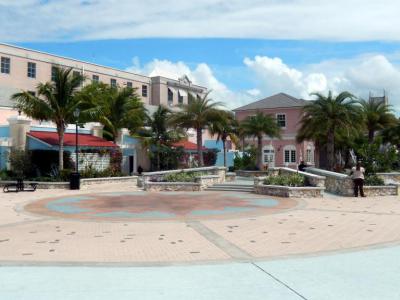
Pompey Square is a lively and vibrant square named after the slavery rebel Pompey. The square was conceptualized in 2008 as a venue where tourists could immerse themselves in the culture, music, and arts scene of the Bahamas.
One of the main events that take place at Pompey Square is the famous Miss Bahamas Pageant Costume contest. The performances of the Royal Bahamas Police Force Band are also a regular feature, which adds to the festive atmosphere. During festivals such as Christmas and New Year's, the square is bustling with activities such as the Kids' festival, Carolling, Holiday Lunch Buffet, and much more.
The square is adorned with beautiful sculptures that capture the essence of the Bahamas. Visitors can also enjoy shopping at the various shops that line the square. If you have a sweet tooth, be sure to visit The Sweet festival, which showcases mouth-watering treats. Another must-visit festival is the Goombay Festival, which celebrates the Bahamian culture through music, dance, and food.
One of the highlights of Pompey Square is the centrally located water fountain, which provides a refreshing respite on hot summer days. It's the perfect spot to sit, relax and take in the sights and sounds of the bustling square.
One of the main events that take place at Pompey Square is the famous Miss Bahamas Pageant Costume contest. The performances of the Royal Bahamas Police Force Band are also a regular feature, which adds to the festive atmosphere. During festivals such as Christmas and New Year's, the square is bustling with activities such as the Kids' festival, Carolling, Holiday Lunch Buffet, and much more.
The square is adorned with beautiful sculptures that capture the essence of the Bahamas. Visitors can also enjoy shopping at the various shops that line the square. If you have a sweet tooth, be sure to visit The Sweet festival, which showcases mouth-watering treats. Another must-visit festival is the Goombay Festival, which celebrates the Bahamian culture through music, dance, and food.
One of the highlights of Pompey Square is the centrally located water fountain, which provides a refreshing respite on hot summer days. It's the perfect spot to sit, relax and take in the sights and sounds of the bustling square.
12) Straw Market (must see)
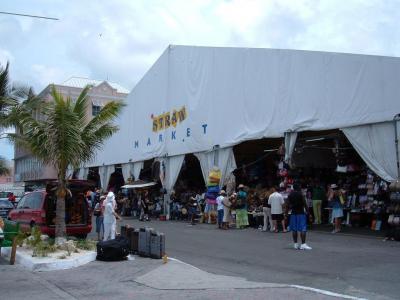
Nassau Straw Market is one of the city’s best-known marketplaces and reflects a long tradition of Bahamian straw work. Long before it became a tourist attraction, straw weaving formed part of everyday island life, with baskets and braided items used for fishing, storage, and carrying produce. The Straw Market itself became firmly established as a public market in the mid-20th century, when rising tourism created demand for handmade goods that visitors could easily carry home.
The original market structure was destroyed by fire in 2001. Its replacement, a two-story building completed in 2011, introduced a more organized layout with mostly covered walkways and partially air-conditioned interior areas, offering relief from heat and rain while preserving the informal feel of a traditional market.
Inside, the market unfolds as a dense grid of hundreds of small vendor stalls, many operated by the same families for generations. Straw bags, hats, and baskets remain the core products, but visitors will also see wood carvings, shell jewelry, paintings, spices, and small locally inspired food items. A mix of handmade crafts and mass-produced souvenirs fills the aisles.
Bargaining is customary and usually friendly rather than confrontational. Prices are rarely fixed, and polite conversation often leads to better deals. A useful tip is to walk through the market once before buying-many stalls sell similar items, and prices can vary. Vendors are often happy to explain how straw items are made or how long a particular piece took to weave.
The original market structure was destroyed by fire in 2001. Its replacement, a two-story building completed in 2011, introduced a more organized layout with mostly covered walkways and partially air-conditioned interior areas, offering relief from heat and rain while preserving the informal feel of a traditional market.
Inside, the market unfolds as a dense grid of hundreds of small vendor stalls, many operated by the same families for generations. Straw bags, hats, and baskets remain the core products, but visitors will also see wood carvings, shell jewelry, paintings, spices, and small locally inspired food items. A mix of handmade crafts and mass-produced souvenirs fills the aisles.
Bargaining is customary and usually friendly rather than confrontational. Prices are rarely fixed, and polite conversation often leads to better deals. A useful tip is to walk through the market once before buying-many stalls sell similar items, and prices can vary. Vendors are often happy to explain how straw items are made or how long a particular piece took to weave.
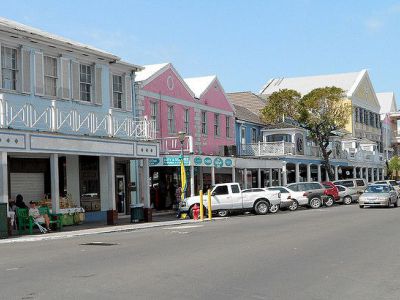
13) Bay Street (must see)
Bay Street is Nassau’s main commercial thoroughfare and its busiest shopping street. Running parallel to the harbor, it blends everyday retail with tourist-oriented shops. As you walk along the street, you’ll pass stores selling jewelry, watches, designer handbags, spirits, and souvenirs, alongside smaller vendors offering locally made crafts and beachwear.
The street also serves as a connective spine for many of downtown Nassau’s historical and cultural sites. Along or just off Bay Street are attractions such as the Pirates of Nassau Museum, the Nassau Public Library-housed in a former Carnegie Library building-Rawson Square, Parliament Square, and the Pompey Museum of Slavery & Emancipation. Toward the waterfront, tour operators and kiosks line the harbor side, offering short boat excursions, snorkeling trips, and island-hopping tours.
Retail highlights include several long-established cigar shops specializing in premium Cuban-style and Caribbean cigars, as well as duty-free stores popular with cruise visitors. Just off Bay Street, the Nassau Straw Market adds a more informal atmosphere, where bargaining is expected and straw goods, handicrafts, and souvenirs are sold in dense rows of stalls.
Dining options along Bay Street range from casual cafes to sit-down restaurants and bars. Many menus feature Bahamian staples such as conch fritters alongside familiar international dishes. For a more concentrated local food scene, Arawak Cay’s Fish Fry is located about one mile west of Rawson Square, where a cluster of restaurants serves traditional Bahamian cuisine in a lively setting.
The street also serves as a connective spine for many of downtown Nassau’s historical and cultural sites. Along or just off Bay Street are attractions such as the Pirates of Nassau Museum, the Nassau Public Library-housed in a former Carnegie Library building-Rawson Square, Parliament Square, and the Pompey Museum of Slavery & Emancipation. Toward the waterfront, tour operators and kiosks line the harbor side, offering short boat excursions, snorkeling trips, and island-hopping tours.
Retail highlights include several long-established cigar shops specializing in premium Cuban-style and Caribbean cigars, as well as duty-free stores popular with cruise visitors. Just off Bay Street, the Nassau Straw Market adds a more informal atmosphere, where bargaining is expected and straw goods, handicrafts, and souvenirs are sold in dense rows of stalls.
Dining options along Bay Street range from casual cafes to sit-down restaurants and bars. Many menus feature Bahamian staples such as conch fritters alongside familiar international dishes. For a more concentrated local food scene, Arawak Cay’s Fish Fry is located about one mile west of Rawson Square, where a cluster of restaurants serves traditional Bahamian cuisine in a lively setting.
