Custom Walk in Delft, Netherlands by klmills3455 created on 2026-02-25
Guide Location: Netherlands » Delft
Guide Type: Custom Walk
# of Sights: 8
Tour Duration: 2 Hour(s)
Travel Distance: 5.1 Km or 3.2 Miles
Share Key: ZW7XX
Guide Type: Custom Walk
# of Sights: 8
Tour Duration: 2 Hour(s)
Travel Distance: 5.1 Km or 3.2 Miles
Share Key: ZW7XX
How It Works
Please retrieve this walk in the GPSmyCity app. Once done, the app will guide you from one tour stop to the next as if you had a personal tour guide. If you created the walk on this website or come to the page via a link, please follow the instructions below to retrieve the walk in the app.
Retrieve This Walk in App
Step 1. Download the app "GPSmyCity: Walks in 1K+ Cities" on Apple App Store or Google Play Store.



Step 2. In the GPSmyCity app, download(or launch) the guide "Delft Map and Walking Tours".
Step 3. Tap the menu button located at upper right corner of the "Walks" screen and select "Retrieve custom walk". Enter the share key: ZW7XX
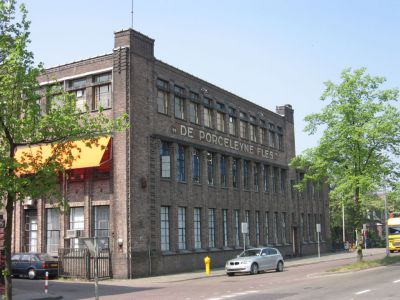
1) Royal Delft (must see)
The Royal Delft is an earthenware factory that has been in operation in Delft since the 17th century. The famous Delft Blue ceramics are still made here. Painters still practice their craft in the traditional way. The factory was established in 1653.
Visitors to the factory will travel in time through the history of pottery in Delft. The history of Royal Delft is followed by a thorough explanation of the production process. Lectures include anecdotes of prominent personalities of Delft, including Johannes Vermeer and members of the royal family, past and present.
The museum can present all the salient points of the iconic collections of Delft Blue and Royal Delftware. Audio tours are available in eight languages: Dutch, English, German, French, Italian, Spanish, Chinese and Japanese. It is possible combine a group guided tour with workshop experience, painting a tile or plate for oneself, followed by a high tea.
Visitors to the factory will travel in time through the history of pottery in Delft. The history of Royal Delft is followed by a thorough explanation of the production process. Lectures include anecdotes of prominent personalities of Delft, including Johannes Vermeer and members of the royal family, past and present.
The museum can present all the salient points of the iconic collections of Delft Blue and Royal Delftware. Audio tours are available in eight languages: Dutch, English, German, French, Italian, Spanish, Chinese and Japanese. It is possible combine a group guided tour with workshop experience, painting a tile or plate for oneself, followed by a high tea.
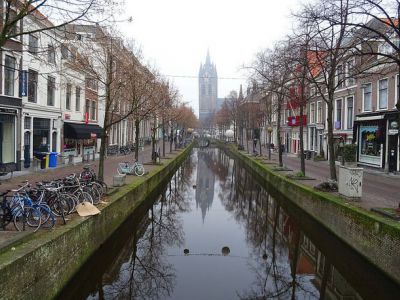
2) Old Canal
A quick walk from the Old City finds the Old Canal, crossing the city from north to south. This is the first canal of Delft. It was dug in 1100 as the town was founded. It extends mainly through the Noordeinde. The canals were primarily made to drain the land. Later they were used for transport of products especially peat.
Delft canals are at a level with the streets, making them unique compared to other canal cities in Europe. Canals in Delft are still used for transportation of people and goods and water management. Water taxis are available as well as private boats. Boats or taxis can be rented by phone or by flagging one down. Delft is best seen by water.
The Old Canal, is a great way to explore the city by day or by night. The canal is lined with picturesque old houses such as the Begijnhof with its late Gothic tower and the "Hidden Shelter Church" built by Daniel Merot in 1743 for persecuted Catholics.
Delft canals are at a level with the streets, making them unique compared to other canal cities in Europe. Canals in Delft are still used for transportation of people and goods and water management. Water taxis are available as well as private boats. Boats or taxis can be rented by phone or by flagging one down. Delft is best seen by water.
The Old Canal, is a great way to explore the city by day or by night. The canal is lined with picturesque old houses such as the Begijnhof with its late Gothic tower and the "Hidden Shelter Church" built by Daniel Merot in 1743 for persecuted Catholics.
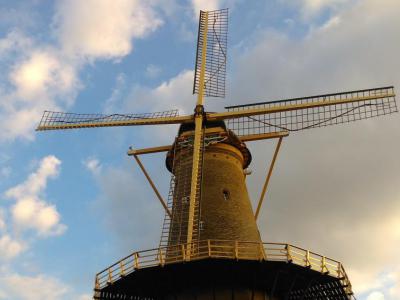
3) Molen de Roos (Rose Windmill)
The Rose Windmill (Molen de Roos) is one of Delft’s most iconic historical landmarks and a must-see for visitors interested in Dutch culture, heritage, and traditional craftsmanship. Built in 1679, this impressive tower mill was originally constructed to grind grain, providing flour for the local community. Over the centuries, it has withstood the test of time, witnessing the evolution of Delft from a bustling trade hub of the Dutch Golden Age to the charming, picturesque city it is today.
Located just a short walk from Delft’s historic center, the Molen de Roos is the only remaining windmill within the city walls. Its distinctive silhouette offers a perfect backdrop for photos and a glimpse into the Netherlands’ enduring relationship with wind power. After an extensive restoration, the mill is now fully operational again, allowing visitors to see its massive sails turning on windy days.
Inside, you can explore multiple levels of the mill, where fascinating exhibits explain the history of milling, traditional techniques, and the role windmills played in Dutch daily life. Friendly guides often provide demonstrations, making it an engaging experience for all ages. From the top, enjoy panoramic views over Delft’s canals, red-tiled rooftops, and famous landmarks such as the Nieuwe Kerk and Oude Kerk.
History enthusiasts, families seeking an authentic Dutch experience, and visitors looking to enjoy a piece of living heritage will all find Molen de Roos an unforgettable journey into Delft’s past and the timeless charm of the Netherlands’ windmills.
Located just a short walk from Delft’s historic center, the Molen de Roos is the only remaining windmill within the city walls. Its distinctive silhouette offers a perfect backdrop for photos and a glimpse into the Netherlands’ enduring relationship with wind power. After an extensive restoration, the mill is now fully operational again, allowing visitors to see its massive sails turning on windy days.
Inside, you can explore multiple levels of the mill, where fascinating exhibits explain the history of milling, traditional techniques, and the role windmills played in Dutch daily life. Friendly guides often provide demonstrations, making it an engaging experience for all ages. From the top, enjoy panoramic views over Delft’s canals, red-tiled rooftops, and famous landmarks such as the Nieuwe Kerk and Oude Kerk.
History enthusiasts, families seeking an authentic Dutch experience, and visitors looking to enjoy a piece of living heritage will all find Molen de Roos an unforgettable journey into Delft’s past and the timeless charm of the Netherlands’ windmills.
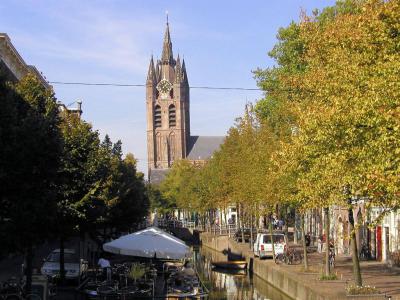
4) Oude Kerk (Old Church) (must see)
The Old Church, nicknamed "Old John," is a Gothic Protestant temple in Delft whose most recognizable feature is a 75-meter-high brick tower leaning about two meters from the vertical. The layout followed that of a traditional basilica, with a nave flanked by two smaller aisles. The church was founded as Saint Bartholomew's in 1246 on the site previously occupied by other temples for two centuries.
There are three pipe organs inside the church: the main one (installed in 1857), the north aisle (installed in 1873), and the choir (installed in 1770). The most massive bell in the tower, cast in 1570 and called Trinitasklok or Bourdon, weighs nearly nine tonnes. Because of its strong and potentially damaging vibrations, it is rung only on special occasions, such as the burial of a Dutch royal family member in the nearby New Church.
The Old Church is also notable as the last resting place of Johannes Vermeer – the artist was buried here on 15th December 1675 in a family crypt in the northern transept, bought by his mother-in-law Maria Thins in 1661. His grave remained unmarked for some time because, upon the artist's death, his family had no money for a tombstone.
Today there are two markers for Vermeer's burial site: an austere plaque installed in 1975 to commemorate the 300th anniversary of his death; and a new, more elaborate tombstone, added in 2007, near the western
entrance. This creates a bit of confusion regarding the exact location of Vermeer's tomb. One thing is certain, though, that the artist rests in the company of some truly excellent citizens of Delft.
There are three pipe organs inside the church: the main one (installed in 1857), the north aisle (installed in 1873), and the choir (installed in 1770). The most massive bell in the tower, cast in 1570 and called Trinitasklok or Bourdon, weighs nearly nine tonnes. Because of its strong and potentially damaging vibrations, it is rung only on special occasions, such as the burial of a Dutch royal family member in the nearby New Church.
The Old Church is also notable as the last resting place of Johannes Vermeer – the artist was buried here on 15th December 1675 in a family crypt in the northern transept, bought by his mother-in-law Maria Thins in 1661. His grave remained unmarked for some time because, upon the artist's death, his family had no money for a tombstone.
Today there are two markers for Vermeer's burial site: an austere plaque installed in 1975 to commemorate the 300th anniversary of his death; and a new, more elaborate tombstone, added in 2007, near the western
entrance. This creates a bit of confusion regarding the exact location of Vermeer's tomb. One thing is certain, though, that the artist rests in the company of some truly excellent citizens of Delft.
5) Markt (Market Square) (must see)
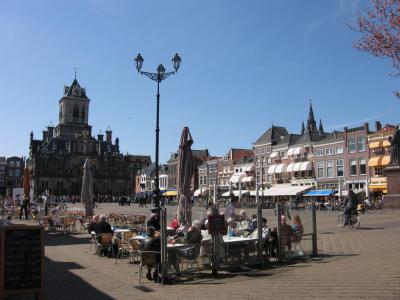
The name "Delft" derives from the word to dig. The digging relates to a canal across the creek wall of the shallow Gantel river. A manor was built here in the year 1075. It was a good place for an important market town of the middle ages. From its beginnings until today, the vast Market Square has been the center of town.
Bordering the square are the Renaissance Town Hall and the 16th century New Church, the Gothic resting place of the royal families of the Netherlands. Near the New Church is the statue of Hugo Grotius, humanist, jurist, poet and playwright of the 16th and 17th centuries.
Visitors to Delft inexorably wind up on the Market Square. It is essentially the center of the old town. Thursdays are market days. The square is jammed with at least 150 covered stalls, offering flowers, vegetables, tasty cheeses, hand-crafted souvenirs, fresh bread, antiques, books and jewelry.
The square also offers clothing, bicycle parts, and electronics. There are pubs and fresh-air terraces, cafes and restaurants. Shoppers, visitors and locals bargaining and tasting together, hip and thigh. One can browse the kiosks, sample cheeses and try out the stoopwaffles.
Bordering the square are the Renaissance Town Hall and the 16th century New Church, the Gothic resting place of the royal families of the Netherlands. Near the New Church is the statue of Hugo Grotius, humanist, jurist, poet and playwright of the 16th and 17th centuries.
Visitors to Delft inexorably wind up on the Market Square. It is essentially the center of the old town. Thursdays are market days. The square is jammed with at least 150 covered stalls, offering flowers, vegetables, tasty cheeses, hand-crafted souvenirs, fresh bread, antiques, books and jewelry.
The square also offers clothing, bicycle parts, and electronics. There are pubs and fresh-air terraces, cafes and restaurants. Shoppers, visitors and locals bargaining and tasting together, hip and thigh. One can browse the kiosks, sample cheeses and try out the stoopwaffles.
6) Voldersgracht Street
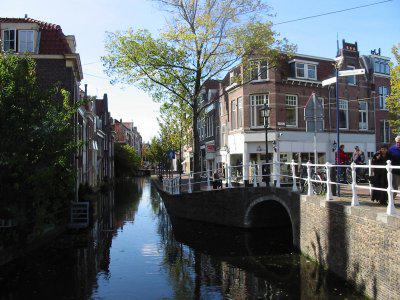
Voldersgracht is one of Delft’s oldest and most picturesque streets, offering visitors a unique glimpse into the city’s medieval past and vibrant present. Dating back to at least 1348, this historic canal is unlike most others in Delft, as it features a street on one side and houses built directly on the water on the other. Its name comes from the cloth fullers who once worked here during the Middle Ages, using the canal to wash away the remnants of their trade.
Located just steps from the bustling Markt Square and the iconic Nieuwe Kerk, Voldersgracht combines historic charm with modern life. Strolling along its narrow, canal-lined path, visitors will encounter elegant 17th-century architecture, quaint bridges, boutique shops, and cozy cafés that invite you to pause and soak in the relaxed Delft atmosphere.
Art enthusiasts will find a special connection here: several art historians have speculated that Voldersgracht may have inspired Johannes Vermeer’s famous painting The Little Street. Vermeer’s father once ran an inn nearby, and the artist himself was affiliated with the St. Lucas Guild, which stood on this very street. Today, the reconstructed guild building houses the Vermeer Centrum Delft, dedicated to his life and works.
Located just steps from the bustling Markt Square and the iconic Nieuwe Kerk, Voldersgracht combines historic charm with modern life. Strolling along its narrow, canal-lined path, visitors will encounter elegant 17th-century architecture, quaint bridges, boutique shops, and cozy cafés that invite you to pause and soak in the relaxed Delft atmosphere.
Art enthusiasts will find a special connection here: several art historians have speculated that Voldersgracht may have inspired Johannes Vermeer’s famous painting The Little Street. Vermeer’s father once ran an inn nearby, and the artist himself was affiliated with the St. Lucas Guild, which stood on this very street. Today, the reconstructed guild building houses the Vermeer Centrum Delft, dedicated to his life and works.
7) Nieuwe Kerk (New Church) (must see)
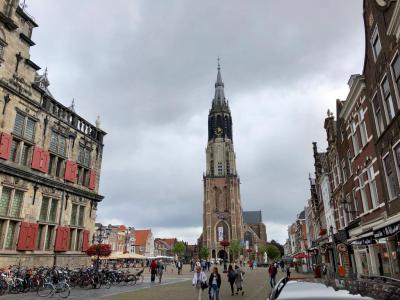
The New Church came after the Old Church. No surprise there. The very first New Church was temporary, made of wood in 1381 and consecrated in 1382. The Gothic stone basilica New Church structure was begun in 1384 and the inner wooden church was disassembled. The church is on the Market Square, opposite the Town Hall.
The tower, designed by Jacob van de Borch, was not started until 1396. It was slow building, finished in 1496. The tower was ill-fated. In May, 1536, a lightning strike on the tower started a blaze that nearly consumed the entire town. The city archives went up in smoke, resulting in the loss of close to all public records before 1536.
Bad luck came back again. 1654 was the year of the Delft Thunderclap. A gunpowder storage magazine in the northeast corner of town exploded. The center of the city was erased and the New Church did not escape damage. All the stained glass windows in the church disintegrated. The next magazine was situated well out of town.
In 1872 the church tower attracted lightning once again. Pierre Cuypers, architect, designed a new tower strengthened with Benteimer sandstone. Pierre also replaced the spire, making the New Church the tallest in the Netherlands after the Dom Tower in Utrecht. The tower can be climbed using no less than 356 steps.
The New Church was a Roman Catholic church named for the Virgin Mary and Saint Ursula of Cologne. The Reformation changed all that in 1572, when the New Church was usurped by the Dutch Reformed Church. In 2004 the Dutch Reformed Church merged with other Protestant churches to form the Protestant Church of the Netherlands.
For centuries, the New Church has been the burial place for members of the House of Orange-Nassau. The first of them, William the Silent, was entombed in a mausoleum in 1584. The latest burial – of Queen Juliana and her husband Prince Bernhard – took place in 2004. The royal family crypt is private and not open to the public.
The native of Delft painter Johannes Vermeer, christened in the New Church on October 31, 1632, had pictured this church's tower in his masterful landscape “View of Delft”. Notably, in his painting the bells are not yet seen. According to the independent Dutch art historian Kees Kaldenbach, the delivery of carillon for the New Church started in 1660 and was completed in the summer of 1661, which corresponds with the dating previously suggested, based on Vermeer's painting.
A historical chronicle says that the 36 bells installed in the New Church were "the latest piece of technology." Their music must have been a source of constant pleasure to Vermeer's ears, who would have heard them every day from his nearby studio.
The tower, designed by Jacob van de Borch, was not started until 1396. It was slow building, finished in 1496. The tower was ill-fated. In May, 1536, a lightning strike on the tower started a blaze that nearly consumed the entire town. The city archives went up in smoke, resulting in the loss of close to all public records before 1536.
Bad luck came back again. 1654 was the year of the Delft Thunderclap. A gunpowder storage magazine in the northeast corner of town exploded. The center of the city was erased and the New Church did not escape damage. All the stained glass windows in the church disintegrated. The next magazine was situated well out of town.
In 1872 the church tower attracted lightning once again. Pierre Cuypers, architect, designed a new tower strengthened with Benteimer sandstone. Pierre also replaced the spire, making the New Church the tallest in the Netherlands after the Dom Tower in Utrecht. The tower can be climbed using no less than 356 steps.
The New Church was a Roman Catholic church named for the Virgin Mary and Saint Ursula of Cologne. The Reformation changed all that in 1572, when the New Church was usurped by the Dutch Reformed Church. In 2004 the Dutch Reformed Church merged with other Protestant churches to form the Protestant Church of the Netherlands.
For centuries, the New Church has been the burial place for members of the House of Orange-Nassau. The first of them, William the Silent, was entombed in a mausoleum in 1584. The latest burial – of Queen Juliana and her husband Prince Bernhard – took place in 2004. The royal family crypt is private and not open to the public.
The native of Delft painter Johannes Vermeer, christened in the New Church on October 31, 1632, had pictured this church's tower in his masterful landscape “View of Delft”. Notably, in his painting the bells are not yet seen. According to the independent Dutch art historian Kees Kaldenbach, the delivery of carillon for the New Church started in 1660 and was completed in the summer of 1661, which corresponds with the dating previously suggested, based on Vermeer's painting.
A historical chronicle says that the 36 bells installed in the New Church were "the latest piece of technology." Their music must have been a source of constant pleasure to Vermeer's ears, who would have heard them every day from his nearby studio.
8) Oostpoort (East Gate) (must see)
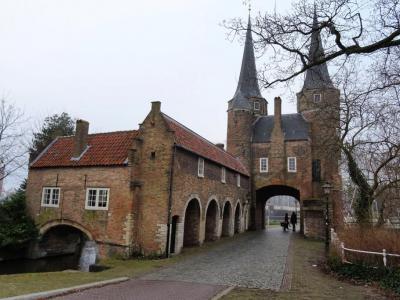
The East Gate, formerly Saint Catherine's Gate, is an example of Brick Gothic architecture. Its twin towers flank an entrance moat and bridge. The towers were built around 1400. In the 16th century they were raised with hexagonal floors and high pointed spires. Behind the towers is a residence and an art gallery. The East Gate is the last gate in town.
The East Gate was once attached the old city walls. Loopholes in the ground floor wall could be used to shoot arrows at attackers. The upper floor has a studio space and the old parapet is available for art exhibits. Originally there were nine gates to Delft. Eight were demolished by 1847.
A number of 17th century painters are featured at the East Gate. Janvander Verde the Younger, Jan van Goyen, Gerbrand van der Eeckhout and Jan de Bischophave have all painted the Gate. No, East Gate does not appear in Vermeer's View of Delft.
There were once nine mills to go with the nine gates in the 16th century. All but four mills were torn down.
The East Gate was once attached the old city walls. Loopholes in the ground floor wall could be used to shoot arrows at attackers. The upper floor has a studio space and the old parapet is available for art exhibits. Originally there were nine gates to Delft. Eight were demolished by 1847.
A number of 17th century painters are featured at the East Gate. Janvander Verde the Younger, Jan van Goyen, Gerbrand van der Eeckhout and Jan de Bischophave have all painted the Gate. No, East Gate does not appear in Vermeer's View of Delft.
There were once nine mills to go with the nine gates in the 16th century. All but four mills were torn down.
