Custom Walk in Vienna, Austria by emurphy_74f69 created on 2026-04-29
Guide Location: Austria » Vienna
Guide Type: Custom Walk
# of Sights: 5
Tour Duration: 2 Hour(s)
Travel Distance: 5 Km or 3.1 Miles
Share Key: QB344
Guide Type: Custom Walk
# of Sights: 5
Tour Duration: 2 Hour(s)
Travel Distance: 5 Km or 3.1 Miles
Share Key: QB344
How It Works
Please retrieve this walk in the GPSmyCity app. Once done, the app will guide you from one tour stop to the next as if you had a personal tour guide. If you created the walk on this website or come to the page via a link, please follow the instructions below to retrieve the walk in the app.
Retrieve This Walk in App
Step 1. Download the app "GPSmyCity: Walks in 1K+ Cities" on Apple App Store or Google Play Store.



Step 2. In the GPSmyCity app, download(or launch) the guide "Vienna Map and Walking Tours".
Step 3. Tap the menu button located at upper right corner of the "Walks" screen and select "Retrieve custom walk". Enter the share key: QB344
1) Cafe Central (must see)
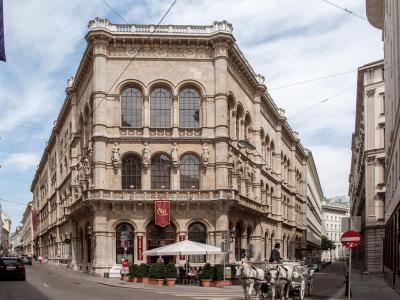
Café Central stands as a quintessential Viennese coffeehouse, nestled on the ground floor of the Palais Ferstel, formerly known as the Bank and Stockmarket Building, designed by architect Heinrich von Ferstel.
Established back in 1876, this café gained significant prominence during the late 19th century, evolving into a pivotal hub for Vienna's intellectual elite. Distinguished regulars included luminaries such as Peter Altenberg, Theodor Herzl, Alfred Adler, Egon Friedell, Hugo von Hofmannsthal, Anton Kuh, Adolf Loos, Leo Perutz, Robert Musil, Stefan Zweig, Alfred Polgar, Adolf Hitler, and Leon Trotsky. Remarkably, in January 1913 alone, notable figures like Josip Broz Tito, Sigmund Freud, and the ever-present Trotsky frequented this establishment.
It was often colloquially referred to as the "Chess school" (Die Schachhochschule), owing to the prevalence of chess enthusiasts who gathered on the first floor to engage in their games. The Vienna Circle, a group of logical positivists, convened numerous meetings here both before and after World War I.
One intriguing anecdote recalls a conversation between Victor Adler and Count Berchtold, the foreign minister of Austria-Hungary, where Adler warned that war might incite revolution in Russia, if not within the Habsburg monarchy itself. In response, Berchtold facetiously queried, "And who will lead this revolution? Perhaps Mr. Bronstein (Leon Trotsky) sitting over there at the Cafe Central?"
Following the conclusion of World War II, the café ceased its operations. However, in 1975, the Palais Ferstel underwent a renovation, and Café Central was resurrected in a different part of the building. Subsequently, in 1986, it underwent another comprehensive renovation.
Today, Café Central remains a cherished tourist attraction and a popular coffeehouse, revered for its enduring place in literary history.
Established back in 1876, this café gained significant prominence during the late 19th century, evolving into a pivotal hub for Vienna's intellectual elite. Distinguished regulars included luminaries such as Peter Altenberg, Theodor Herzl, Alfred Adler, Egon Friedell, Hugo von Hofmannsthal, Anton Kuh, Adolf Loos, Leo Perutz, Robert Musil, Stefan Zweig, Alfred Polgar, Adolf Hitler, and Leon Trotsky. Remarkably, in January 1913 alone, notable figures like Josip Broz Tito, Sigmund Freud, and the ever-present Trotsky frequented this establishment.
It was often colloquially referred to as the "Chess school" (Die Schachhochschule), owing to the prevalence of chess enthusiasts who gathered on the first floor to engage in their games. The Vienna Circle, a group of logical positivists, convened numerous meetings here both before and after World War I.
One intriguing anecdote recalls a conversation between Victor Adler and Count Berchtold, the foreign minister of Austria-Hungary, where Adler warned that war might incite revolution in Russia, if not within the Habsburg monarchy itself. In response, Berchtold facetiously queried, "And who will lead this revolution? Perhaps Mr. Bronstein (Leon Trotsky) sitting over there at the Cafe Central?"
Following the conclusion of World War II, the café ceased its operations. However, in 1975, the Palais Ferstel underwent a renovation, and Café Central was resurrected in a different part of the building. Subsequently, in 1986, it underwent another comprehensive renovation.
Today, Café Central remains a cherished tourist attraction and a popular coffeehouse, revered for its enduring place in literary history.
2) Kunsthistorisches Museum (Art History Museum) (must see)
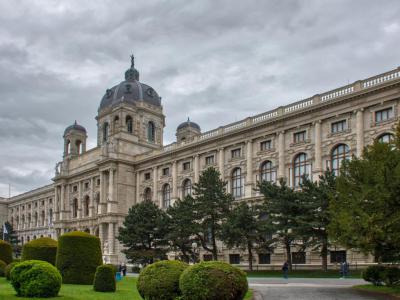
Fuel up with a cup of coffee or tea and head to one of the world-class museums along the Ring. The Kunsthistorisches Museum's galleries house vast collections of fine art and antiquities, based largely on those accumulated over the centuries by generations of Habsburg monarchs. Lavishly decorated interiors, ornate cupolas and sweeping Neo-Classical stairways create a fitting setting for the treasures housed here, with many of the works on display – particularly the Old Masters (Bruegel, Rembrandt, Michelangelo, Caravaggio, Titian, etc.) – being considered among the most spectacular in the world. Not only that, but the museum is among the most visitor-friendly you're likely to visit, with comfortable sofas available in most exhibition rooms and long closing hours on Thursdays.
The galleries occupy the top three floors (although the uppermost is not nearly as extensive), with an entrance hall, shop and cloakroom below. The ground floor contains ancient objects on one side – starting with the age of the Pharaohs in Egypt, then proceeding through ancient Greece and Rome while touching on other cultures along the way – which are joined by rare Renaissance and Baroque treasures collected by and/or made for the Hapsburg monarchs on the other side. The quality and quantity of the material presented is simply astounding, but items are generally labeled simply in German, so you'll want to spring for the audio guide (available in English) to get a more detailed commentary on highlighted objects. The second gallery floor (or "1" level) houses the Picture Gallery, which is again a huge collection of just plain amazing works by every famous artist from the 17th through the 19th centuries. The top floor (or "2" level) only houses a coin and medal gallery along with what are listed as the "Vermeyen Cartoons" – a series of impressive life-sized tapestries that portray Charles V's Tunis campaign of 1535.
The museum's grand central staircase is adorned with murals by the Klimt brothers and others, which depict the history of art from ancient Egypt to Florence. Gustav Klimt's especially ornate gilded frescoes are probably his best works, although they are illustrative, which in the critical art world loses you points (indeed, they were criticized for being "too erotic"). Diagrams point out which mural was painted by which artist, and sometimes a viewing scope is provided for visitors to see them up close.
Tip:
An adult ticket entitles you to a one-time pass to the museum, as well as, the Neue Burg located at Heldenplatz, which has amazing collections of imperial armoury, historic musical instruments, etc. – well worth a visit.
The galleries occupy the top three floors (although the uppermost is not nearly as extensive), with an entrance hall, shop and cloakroom below. The ground floor contains ancient objects on one side – starting with the age of the Pharaohs in Egypt, then proceeding through ancient Greece and Rome while touching on other cultures along the way – which are joined by rare Renaissance and Baroque treasures collected by and/or made for the Hapsburg monarchs on the other side. The quality and quantity of the material presented is simply astounding, but items are generally labeled simply in German, so you'll want to spring for the audio guide (available in English) to get a more detailed commentary on highlighted objects. The second gallery floor (or "1" level) houses the Picture Gallery, which is again a huge collection of just plain amazing works by every famous artist from the 17th through the 19th centuries. The top floor (or "2" level) only houses a coin and medal gallery along with what are listed as the "Vermeyen Cartoons" – a series of impressive life-sized tapestries that portray Charles V's Tunis campaign of 1535.
The museum's grand central staircase is adorned with murals by the Klimt brothers and others, which depict the history of art from ancient Egypt to Florence. Gustav Klimt's especially ornate gilded frescoes are probably his best works, although they are illustrative, which in the critical art world loses you points (indeed, they were criticized for being "too erotic"). Diagrams point out which mural was painted by which artist, and sometimes a viewing scope is provided for visitors to see them up close.
Tip:
An adult ticket entitles you to a one-time pass to the museum, as well as, the Neue Burg located at Heldenplatz, which has amazing collections of imperial armoury, historic musical instruments, etc. – well worth a visit.
3) Naschmarkt (must see)
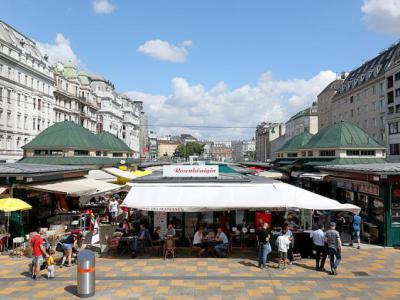
Vienna's most famous market boasts approximately 120 market stalls and restaurants, offering a diverse range of culinary delights that span from traditional Viennese dishes to Indian, Vietnamese, and Italian cuisine. The Naschmarkt has evolved into a popular gathering spot for both young and old alike. The Saturday Flea Market has even attained a cult-like status.
At the Naschmarkt, a vibrant mix of people can be seen purchasing fresh produce, vegetables, and various gourmet treats from around the world, from the early morning until sunset. In recent times, an increasing number of trendy establishments have found their place among the market's 120 or so stalls.
Do-An and Naschmarkt Deli were among the pioneering gastronomic ventures that succeeded in making the Naschmarkt an attractive destination for the young, urban crowd. On weekends, DJs provide entertainment at these locations. Consequently, numerous traditional market stalls have also garnered popularity due to their modern architectural designs.
Tewa at the Naschmarkt offers organic cuisine, while Neni serves Israeli-Oriental specialties ranging from shakshuka (eggs with vegetables) to taboulleh (a Lebanese salad). Orient & Occident, on the other hand, features Turkish home cooking prepared by the owner's wives. Umar is a haven for seafood enthusiasts and is often regarded as the best fish restaurant in Vienna.
Urbanek, initially a fine food and cheese store, doubles as a legendary wine bar-a quintessentially Viennese experience. The delicacies on offer here are simply a must-try. Kilgers am Naschmarkt also functions as a wine bar and gourmet grocery store, while the little market kitchen serves up delightful dishes. For a taste of traditional Viennese fare, Eiserne Zeit is an excellent choice; dining here is an experience in itself.
Many dining and drinking spots surround Naschmarkt. Drechsler offers all-day breakfast, Market serves Asian-inspired cuisine from morning to late night with colorful decor, and ChinaBar an der Wien serves Sichuan cuisine. Naschmarkt is vibrant, especially on Saturdays, with a diverse crowd and outdoor dining in the summer for food, drinks, and people-watching.
At the Naschmarkt, a vibrant mix of people can be seen purchasing fresh produce, vegetables, and various gourmet treats from around the world, from the early morning until sunset. In recent times, an increasing number of trendy establishments have found their place among the market's 120 or so stalls.
Do-An and Naschmarkt Deli were among the pioneering gastronomic ventures that succeeded in making the Naschmarkt an attractive destination for the young, urban crowd. On weekends, DJs provide entertainment at these locations. Consequently, numerous traditional market stalls have also garnered popularity due to their modern architectural designs.
Tewa at the Naschmarkt offers organic cuisine, while Neni serves Israeli-Oriental specialties ranging from shakshuka (eggs with vegetables) to taboulleh (a Lebanese salad). Orient & Occident, on the other hand, features Turkish home cooking prepared by the owner's wives. Umar is a haven for seafood enthusiasts and is often regarded as the best fish restaurant in Vienna.
Urbanek, initially a fine food and cheese store, doubles as a legendary wine bar-a quintessentially Viennese experience. The delicacies on offer here are simply a must-try. Kilgers am Naschmarkt also functions as a wine bar and gourmet grocery store, while the little market kitchen serves up delightful dishes. For a taste of traditional Viennese fare, Eiserne Zeit is an excellent choice; dining here is an experience in itself.
Many dining and drinking spots surround Naschmarkt. Drechsler offers all-day breakfast, Market serves Asian-inspired cuisine from morning to late night with colorful decor, and ChinaBar an der Wien serves Sichuan cuisine. Naschmarkt is vibrant, especially on Saturdays, with a diverse crowd and outdoor dining in the summer for food, drinks, and people-watching.
4) Altmann & Kühne
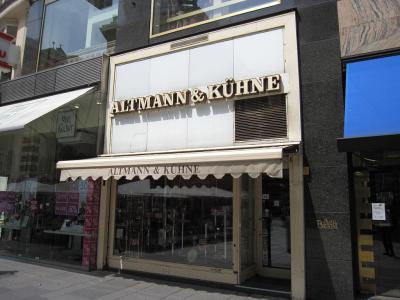
Altmann & Kühne is a confiserie and chocolaterie in Vienna, Austria, established in 1928. It produces handmade chocolates and bonbons with a special packaging designed by Wiener Werkstätte.
The business, which advertised itself as a supplier to the former Imperial Court, successfully grew during the interwar period. By 1938, Altmann and Kühne was Vienna's fourth chocolatier - a "smaller but upscale producer" trailing after the "big three" of Victor Schmidt, Heller and Küfferle. After the Nazi takeover Emile Altmann and Ernst Kühne, who were Jewish, fled to New York City. But the business survived through the Nazi years and World War II owing to the persistence of one loyal employee, Mrs. Mercek.
Today visitors with a sweet-tooth will be glad to find this shop of tasty souvenirs. Inside the store, the chocolates packages featured modernist designs by the artists of Wiener Werkstätte school.
The business, which advertised itself as a supplier to the former Imperial Court, successfully grew during the interwar period. By 1938, Altmann and Kühne was Vienna's fourth chocolatier - a "smaller but upscale producer" trailing after the "big three" of Victor Schmidt, Heller and Küfferle. After the Nazi takeover Emile Altmann and Ernst Kühne, who were Jewish, fled to New York City. But the business survived through the Nazi years and World War II owing to the persistence of one loyal employee, Mrs. Mercek.
Today visitors with a sweet-tooth will be glad to find this shop of tasty souvenirs. Inside the store, the chocolates packages featured modernist designs by the artists of Wiener Werkstätte school.
5) The Prater (must see)
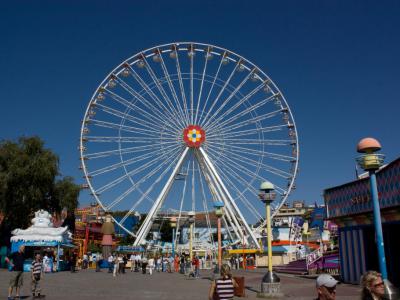
Situated in Vienna's Leopoldstadt district, Prater Park is a captivating destination boasting approximately 250 attractions. One of its standout features is the Giant Ferris Wheel, known as the Wiener Riesenrad, which elevates visitors 60 meters above the ground, providing breathtaking vistas. Erected in 1897, this iconic wheel has been delighting both locals and tourists for over a century.
For those seeking a more exhilarating experience than a leisurely ride, the Prater Tower is an option. This ride offers similarly stunning city views at a height of 117 meters, all while spinning at a speed of 61 kilometers per hour. Additionally, the park offers a planetarium for stargazing enthusiasts and a variety of rides to entertain children.
Prater Park boasts an impressive array of over 60 food establishments, catering to various tastes and preferences. Whether you desire a simple cup of coffee with a pastry and a panoramic view of passersby or a more substantial culinary experience, there's something to satisfy your cravings. After indulging in these delectable treats, consider taking a leisurely walk in the Green Prater. The Hauptallee, a 4.5-kilometer-long, tree-lined boulevard, provides a picturesque setting for walking, biking, skating, or even enjoying a carriage ride. It features more than 2,000 trees, and bicycles and horses are available for rent. Additionally, on the lake, you can rent boats, and there's even a golf course for those interested.
Plan on dedicating at least half a day to explore the Prater, although it's entirely possible to spend an entire day here and still not see everything it has to offer. Occasionally, themed events take place, but even without a special occasion, the rides and activities at Prater Park are worth experiencing. Entry is free, and you only pay for the rides and food if you choose to partake. Alternatively, you can simply enter and take a leisurely stroll around the park at no cost.
For those seeking a more exhilarating experience than a leisurely ride, the Prater Tower is an option. This ride offers similarly stunning city views at a height of 117 meters, all while spinning at a speed of 61 kilometers per hour. Additionally, the park offers a planetarium for stargazing enthusiasts and a variety of rides to entertain children.
Prater Park boasts an impressive array of over 60 food establishments, catering to various tastes and preferences. Whether you desire a simple cup of coffee with a pastry and a panoramic view of passersby or a more substantial culinary experience, there's something to satisfy your cravings. After indulging in these delectable treats, consider taking a leisurely walk in the Green Prater. The Hauptallee, a 4.5-kilometer-long, tree-lined boulevard, provides a picturesque setting for walking, biking, skating, or even enjoying a carriage ride. It features more than 2,000 trees, and bicycles and horses are available for rent. Additionally, on the lake, you can rent boats, and there's even a golf course for those interested.
Plan on dedicating at least half a day to explore the Prater, although it's entirely possible to spend an entire day here and still not see everything it has to offer. Occasionally, themed events take place, but even without a special occasion, the rides and activities at Prater Park are worth experiencing. Entry is free, and you only pay for the rides and food if you choose to partake. Alternatively, you can simply enter and take a leisurely stroll around the park at no cost.
