Custom Walk in Victoria, British Columbia by keeledover_486875 created on 2026-05-02
Guide Location: Canada » Victoria
Guide Type: Custom Walk
# of Sights: 14
Tour Duration: 4 Hour(s)
Travel Distance: 7.8 Km or 4.8 Miles
Share Key: R8M3D
Guide Type: Custom Walk
# of Sights: 14
Tour Duration: 4 Hour(s)
Travel Distance: 7.8 Km or 4.8 Miles
Share Key: R8M3D
How It Works
Please retrieve this walk in the GPSmyCity app. Once done, the app will guide you from one tour stop to the next as if you had a personal tour guide. If you created the walk on this website or come to the page via a link, please follow the instructions below to retrieve the walk in the app.
Retrieve This Walk in App
Step 1. Download the app "GPSmyCity: Walks in 1K+ Cities" on Apple App Store or Google Play Store.



Step 2. In the GPSmyCity app, download(or launch) the guide "Victoria Map and Walking Tours".
Step 3. Tap the menu button located at upper right corner of the "Walks" screen and select "Retrieve custom walk". Enter the share key: R8M3D
1) Fairmont Empress Hotel (must see)
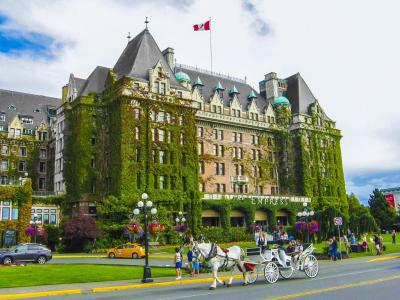
The Fairmont Empress hotel has been a celebrated symbol of the city since it was first opened in 1908. Its architecture is grand and majestic, with a mix of Châteauesque, Renaissance Revival, and Beaux-Arts styles, and features an imposing facade with a prominent central dome and grand entrances that lead to the opulent interior.
The Fairmont has been described as one of Canada's finest examples of Edwardian architecture, and has been recognized as a National Historic Site. Its grand exterior is matched by its equally grand interior, which features ornate furnishings, luxurious finishes, and grand public spaces that showcase the best of early 20th-century design.
The most iconic feature -- the grand lobby -- features a grand staircase, high ceilings, elegant chandeliers, and is dominated by a large fireplace, which is a popular gathering spot for guests and locals alike.
Another popular feature is the world-famous tea room, where guests can enjoy the hotel's signature Afternoon Tea experience. The tea room has been serving high tea since 1908, and its opulent decor and traditional service have made it a Victoria institution.
In addition to the tea room, the hotel has several other dining options, including a seafood restaurant and a lounge bar. Guests can also take advantage of the waterfront location, with views of the Inner Harbour and easy access to nearby attractions.
The Fairmont has been described as one of Canada's finest examples of Edwardian architecture, and has been recognized as a National Historic Site. Its grand exterior is matched by its equally grand interior, which features ornate furnishings, luxurious finishes, and grand public spaces that showcase the best of early 20th-century design.
The most iconic feature -- the grand lobby -- features a grand staircase, high ceilings, elegant chandeliers, and is dominated by a large fireplace, which is a popular gathering spot for guests and locals alike.
Another popular feature is the world-famous tea room, where guests can enjoy the hotel's signature Afternoon Tea experience. The tea room has been serving high tea since 1908, and its opulent decor and traditional service have made it a Victoria institution.
In addition to the tea room, the hotel has several other dining options, including a seafood restaurant and a lounge bar. Guests can also take advantage of the waterfront location, with views of the Inner Harbour and easy access to nearby attractions.
2) Government Street
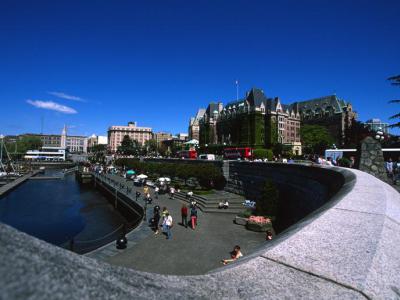
Come take a stroll down Government Street, a vibrant hub of entertainment and commerce in Victoria. This bustling street is a veritable treasure trove of fashion, handicrafts, museums, and historical landmarks, including Canada's oldest Chinatown. With its wide sidewalks, Government Street is perfect for leisurely strolls on foot. Begin your journey at the opulent British Columbia Parliament Buildings, a neo-baroque palace that towers over Victoria's picturesque Inner Harbour. Follow the street northwards past the Edwardian gem, The Fairmont Empress hotel, which was built in the early 1900s.
Satisfy your sweet tooth at Roger's Chocolates, a local favorite that has been serving up delectable treats since 1885. Antique enthusiasts will relish exploring the auction houses on Antique Row, where precious furniture and objects abound. For a truly spine-tingling experience, visit the harbor's visitor information center and sign up for a Ghostly Walks tour, where a knowledgeable local guide will regale you with the street's fascinating history on a 90-minute walk.
Government Street also boasts bookstores, a mall with international department stores, and coffee shops, offering visitors a one-stop-shop for all their needs. Don't forget to explore the pedestrian-only alleys off Government Street, such as Trounce Alley, where you'll find a bevy of fashionable boutiques. At Bastion Square, be sure to catch the street performers at work and browse the market during weekends and the warmer seasons. Don't miss the Maritime Museum of British Columbia housed in the historic Old Courthouse building.
Chinatown Victoria is undoubtedly one of Government Street's highlights, and the colorful Gate of Harmonious Interest marks its entrance. This historic district is impeccably preserved and boasts fortune tellers, souvenir shops, restaurants, and teahouses. Visitors can indulge in a "tea flight," comprising three blends that harmonize perfectly with each other.
Satisfy your sweet tooth at Roger's Chocolates, a local favorite that has been serving up delectable treats since 1885. Antique enthusiasts will relish exploring the auction houses on Antique Row, where precious furniture and objects abound. For a truly spine-tingling experience, visit the harbor's visitor information center and sign up for a Ghostly Walks tour, where a knowledgeable local guide will regale you with the street's fascinating history on a 90-minute walk.
Government Street also boasts bookstores, a mall with international department stores, and coffee shops, offering visitors a one-stop-shop for all their needs. Don't forget to explore the pedestrian-only alleys off Government Street, such as Trounce Alley, where you'll find a bevy of fashionable boutiques. At Bastion Square, be sure to catch the street performers at work and browse the market during weekends and the warmer seasons. Don't miss the Maritime Museum of British Columbia housed in the historic Old Courthouse building.
Chinatown Victoria is undoubtedly one of Government Street's highlights, and the colorful Gate of Harmonious Interest marks its entrance. This historic district is impeccably preserved and boasts fortune tellers, souvenir shops, restaurants, and teahouses. Visitors can indulge in a "tea flight," comprising three blends that harmonize perfectly with each other.
3) Emily Carr House
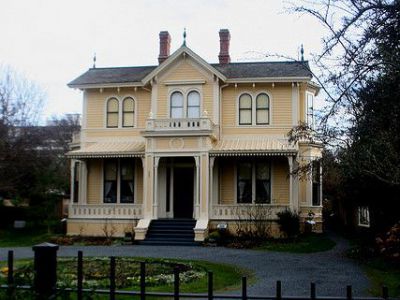
A National Historic Site located in the James Bay neighborhood of Victoria, this house was built in 1863 and was originally owned by the O'Reilly family, but it is best known as the childhood home of the renowned Canadian artist and writer, Emily Carr (b. 1871), who lived in there with her family until 1886. Emily Carr's sisters later donated the house to the Province of British Columbia as a memorial to their sister's life and work.
The house has been restored to its original state and features exhibits that showcase the life and work of Emily Carr. Visitors can take guided tours to learn about the artist's upbringing, her relationship with her family, and her development as an artist and writer.
Emily Carr is considered one of Canada's most important artists and writers. Her work, which was inspired by the landscape and Indigenous cultures of British Columbia, is renowned for its bold and expressive style. Carr's writing, including her autobiography "Growing Pains," is also highly regarded for its insightful reflections on her life and the world around her.
In all, a popular destination for art lovers, history enthusiasts, and anyone interested in learning more about one of Canada's most important cultural figures.
Why You Should Visit:
Charming and very nostalgic place that definitely gives you a glimpse into history.
There are many of Carr's writings on display, together with some reproductions of her art.
The gardens are beautifully maintained and there's a small gift shop where good books about her life and her art are available.
Tip:
Along the way, you may see many fine examples of older Victorian and craftsman style homes, many of them with very nice gardens.
The house has been restored to its original state and features exhibits that showcase the life and work of Emily Carr. Visitors can take guided tours to learn about the artist's upbringing, her relationship with her family, and her development as an artist and writer.
Emily Carr is considered one of Canada's most important artists and writers. Her work, which was inspired by the landscape and Indigenous cultures of British Columbia, is renowned for its bold and expressive style. Carr's writing, including her autobiography "Growing Pains," is also highly regarded for its insightful reflections on her life and the world around her.
In all, a popular destination for art lovers, history enthusiasts, and anyone interested in learning more about one of Canada's most important cultural figures.
Why You Should Visit:
Charming and very nostalgic place that definitely gives you a glimpse into history.
There are many of Carr's writings on display, together with some reproductions of her art.
The gardens are beautifully maintained and there's a small gift shop where good books about her life and her art are available.
Tip:
Along the way, you may see many fine examples of older Victorian and craftsman style homes, many of them with very nice gardens.
4) British Columbia Parliament Buildings (must see)
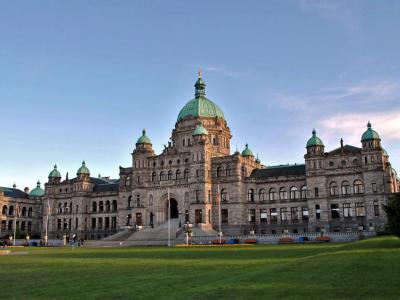
Standing proudly on Victoria’s Inner Harbour, the British Columbia Parliament Buildings are impossible to miss. Completed in 1898, they are considered a perfect example of Neo-Baroque Renaissance architecture. Their stunning design incorporates a range of features, including columns, pediments, domes, and classical motifs.
The central building is the most notable of the complex, featuring a magnificent central dome reaching a height of 75 meters, making it one of the tallest domes in the world. Atop it stands a gold-covered statue of Captain George Vancouver.
The Neo-Baroque complex consists of three main buildings: the central legislative building, the west wing, and the east wing. The central building houses the Legislative Assembly, the lawmaking body of the province, open to the public when the legislature is not in session.
The west wing of the complex contains the offices of Members of the Legislative Assembly and the Legislative Library. The east wing is home to government administrative offices, including those of the Premier and the Lieutenant Governor.
The interiors are adorned with mosaic tiles, painted ceilings, and beautiful stained glass windows, as well as numerous works of art, including paintings, sculptures, and murals.
These buildings are rich in history, having witnessed many significant events since their opening in 1898, including the introduction of women’s suffrage, the establishment of the provincial flag and coat of arms, and the first meeting of the Western Premiers’ Conference.
Today, they are a popular tourist destination and open for public tours. Visitors can explore the stunning architecture, learn about the history of the buildings and the province, and witness the daily workings of the Legislative Assembly. Self-guided and guided tour of portions of the Parliament are available.
The Parliament Buildings and the surrounding garden knoll are spectacular both by day and by night.
Tip:
Make sure to take both the indoor and garden tours-they’re spectacular by day and by night, and best of all, both are free!
You can also sign in at the security desk and visit the basement restaurant which is frequented by all the politicians.
The central building is the most notable of the complex, featuring a magnificent central dome reaching a height of 75 meters, making it one of the tallest domes in the world. Atop it stands a gold-covered statue of Captain George Vancouver.
The Neo-Baroque complex consists of three main buildings: the central legislative building, the west wing, and the east wing. The central building houses the Legislative Assembly, the lawmaking body of the province, open to the public when the legislature is not in session.
The west wing of the complex contains the offices of Members of the Legislative Assembly and the Legislative Library. The east wing is home to government administrative offices, including those of the Premier and the Lieutenant Governor.
The interiors are adorned with mosaic tiles, painted ceilings, and beautiful stained glass windows, as well as numerous works of art, including paintings, sculptures, and murals.
These buildings are rich in history, having witnessed many significant events since their opening in 1898, including the introduction of women’s suffrage, the establishment of the provincial flag and coat of arms, and the first meeting of the Western Premiers’ Conference.
Today, they are a popular tourist destination and open for public tours. Visitors can explore the stunning architecture, learn about the history of the buildings and the province, and witness the daily workings of the Legislative Assembly. Self-guided and guided tour of portions of the Parliament are available.
The Parliament Buildings and the surrounding garden knoll are spectacular both by day and by night.
Tip:
Make sure to take both the indoor and garden tours-they’re spectacular by day and by night, and best of all, both are free!
You can also sign in at the security desk and visit the basement restaurant which is frequented by all the politicians.
5) Helmcken House
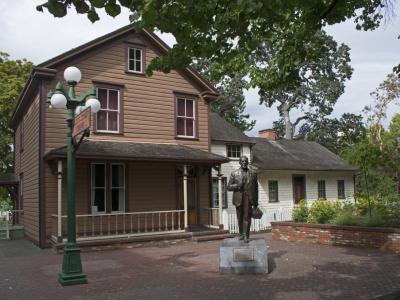
Helmcken House was built in 1852 for Dr. John Sebastian Helmcken, a prominent physician, and politician who played a crucial role in the early history of British Columbia. Considered one of the oldest remaining houses in British Columbia, it is now a popular tourist attraction.
The building's architecture reflects the colonial style of the mid-19th century. It is a simple, rectangular wooden structure, with a steep gabled roof and a central chimney. The walls are made of hand-hewn, square-cut timbers that were covered with split cedar shakes. Inside, the house is divided into several rooms, with a central hallway and a staircase leading to the upper level. Interior furnishings are mainly original or replicas from the mid-19th century.
The history of Helmcken House is closely linked to the history of British Columbia. Dr. Helmcken played a significant role in the establishment of the colony and the creation of the province. He was also one of the signatories of the BC Terms of Union, which united British Columbia with the rest of Canada in 1871.
Helmcken House remained in the Helmcken family until 1930, when it was purchased by the Province. The house was restored to its original condition in the 1940s and became a historic site open to the public in 1955.
Why You Should Visit:
Quick glimpse into the past that provides some additional insight and history in a different context than that of the Royal Museum.
The building's architecture reflects the colonial style of the mid-19th century. It is a simple, rectangular wooden structure, with a steep gabled roof and a central chimney. The walls are made of hand-hewn, square-cut timbers that were covered with split cedar shakes. Inside, the house is divided into several rooms, with a central hallway and a staircase leading to the upper level. Interior furnishings are mainly original or replicas from the mid-19th century.
The history of Helmcken House is closely linked to the history of British Columbia. Dr. Helmcken played a significant role in the establishment of the colony and the creation of the province. He was also one of the signatories of the BC Terms of Union, which united British Columbia with the rest of Canada in 1871.
Helmcken House remained in the Helmcken family until 1930, when it was purchased by the Province. The house was restored to its original condition in the 1940s and became a historic site open to the public in 1955.
Why You Should Visit:
Quick glimpse into the past that provides some additional insight and history in a different context than that of the Royal Museum.
6) Thunderbird Park
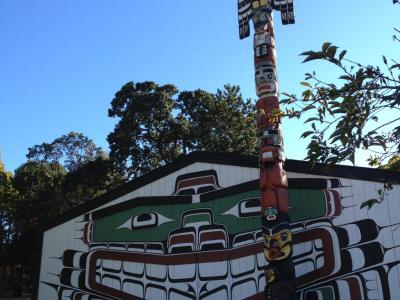
Thunderbird Park, located in Victoria, is an enchanting park adjacent to the Royal British Columbia Museum. Within this park, visitors can immerse themselves in the rich cultural heritage of the First Nations through the presence of numerous totem poles (monumental carvings), predominantly representing the Gitxsan, Haida, and Kwakwaka'wakw peoples. These awe-inspiring totem poles prominently feature the mythological Thunderbird, a significant figure in Indigenous North American cultures.
Thunderbird Park features historic landmarks like Saint Anne's Schoolhouse (1844), Helmcken House (1852), and the Mungo Martin House (Wawadit'la) (1953). These structures represent the area's educational heritage, Victorian-era architecture, and traditional Kwakwaka'wakw style, respectively.
Thunderbird Park forms an integral part of the Royal BC Museum Cultural Precinct, a captivating area encompassing the museum and various historical sites and monuments. It serves as a living testament to the deep-rooted history and artistic expressions of the Indigenous peoples.
The park's story began in 1940 when totem poles were erected in Thunderbird Park to conserve Aboriginal art. The park was officially designated in 1941. However, by 1951, the original poles decayed. The Royal BC Museum launched a restoration program in 1952, led by Chief Martin. After Chief Martin's passing in 1962, Henry Hunt became the head carver. Throughout the years, talented artists like Richard Hunt, Tony Hunt, Tim Paul, Lawrence Bell, David Gladstone, David Martin, and Bill Reid joined the program. By 1992, all original poles were replaced, with some originals preserved in the museum.
Thunderbird Park features historic landmarks like Saint Anne's Schoolhouse (1844), Helmcken House (1852), and the Mungo Martin House (Wawadit'la) (1953). These structures represent the area's educational heritage, Victorian-era architecture, and traditional Kwakwaka'wakw style, respectively.
Thunderbird Park forms an integral part of the Royal BC Museum Cultural Precinct, a captivating area encompassing the museum and various historical sites and monuments. It serves as a living testament to the deep-rooted history and artistic expressions of the Indigenous peoples.
The park's story began in 1940 when totem poles were erected in Thunderbird Park to conserve Aboriginal art. The park was officially designated in 1941. However, by 1951, the original poles decayed. The Royal BC Museum launched a restoration program in 1952, led by Chief Martin. After Chief Martin's passing in 1962, Henry Hunt became the head carver. Throughout the years, talented artists like Richard Hunt, Tony Hunt, Tim Paul, Lawrence Bell, David Gladstone, David Martin, and Bill Reid joined the program. By 1992, all original poles were replaced, with some originals preserved in the museum.
7) St. Ann's Academy
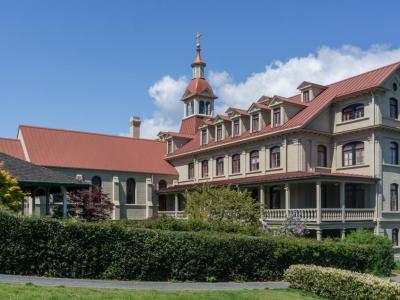
As you enter Saint Ann's Academy, you'll be greeted by a grand wrought-iron gate and an elegant drive that leads you to the formal entrance of the former school. Step inside and you'll find yourself transported to the 1920s, with the parlours and chapel boasting stunning ornate details, reminiscent of rural French Canadian churches.
The chapel, once Victoria's first Roman Catholic Cathedral, was originally built in 1858 and later moved and added to the school in 1886. It features intricate carvings on the altar and ceiling, gold-leaf detailing, original oil paintings, beautiful stained glass windows, and the 1913 Casavant pipe organ, which fills the space with majestic music.
As you stroll through the Novitiate garden at the side entrance of the chapel, you'll find a geometric herb bed, perennials, and a delightful recreated 1925 summerhouse. The formal garden at the north-west corner of the property, built in 1910, is equally impressive, with rare trees and the remains of a unique fountain.
A portion of the building, known as the Interpretive Centre, has been restored to its original 1920s appearance, while the rest has been converted into modern office space leased by the Ministry of Advanced Education. The Ministry of Technology, Innovation and Citizens' Services operates the Interpretive Center, which celebrates the rich history of this important landmark. Additionally, the beautifully restored 1910 auditorium and 6 acres of grounds are available for public use. So come and experience the grandeur and history of Saint Ann's Academy for yourself.
The chapel, once Victoria's first Roman Catholic Cathedral, was originally built in 1858 and later moved and added to the school in 1886. It features intricate carvings on the altar and ceiling, gold-leaf detailing, original oil paintings, beautiful stained glass windows, and the 1913 Casavant pipe organ, which fills the space with majestic music.
As you stroll through the Novitiate garden at the side entrance of the chapel, you'll find a geometric herb bed, perennials, and a delightful recreated 1925 summerhouse. The formal garden at the north-west corner of the property, built in 1910, is equally impressive, with rare trees and the remains of a unique fountain.
A portion of the building, known as the Interpretive Centre, has been restored to its original 1920s appearance, while the rest has been converted into modern office space leased by the Ministry of Advanced Education. The Ministry of Technology, Innovation and Citizens' Services operates the Interpretive Center, which celebrates the rich history of this important landmark. Additionally, the beautifully restored 1910 auditorium and 6 acres of grounds are available for public use. So come and experience the grandeur and history of Saint Ann's Academy for yourself.
8) Fort Street
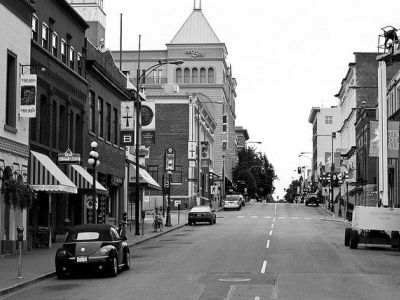
Fort Street, located in the heart of Victoria, is a charming and vibrant thoroughfare that offers a delightful blend of history, shopping, and dining experiences. As one of the main streets in Downtown Victoria, Fort Street is often included in sightseeing tours, providing visitors with a glimpse into the city's rich heritage and an opportunity to explore its diverse offerings.
Fort Street, stretching from Wharf Street to Cadboro Bay Road and Foul Bay Road, is named after its association with Fort Victoria. Near the waterfront, you'll find the Fort Victoria National Historic Site of Canada. Despite limited remnants like mooring rings, bastions, and a palisade, these artifacts pay tribute to the former 19th-century fort. A commemorative plaque adds to the historical experience.
Fort Street, known as Antique Row, between Blanshard and Linden Avenue, is a haven for antique enthusiasts, collectors, and art lovers. It's filled with antique shops, collectibles dealers, art galleries, and specialty stores for home and garden. You'll find British antique furniture, military memorabilia, rare prints, fine china, silverware, and Victorian knickknacks. It's a delightful browsing experience for all.
Explore the culinary delights east and west of Blanshard Street on Fort Street-a must-visit for food lovers! With a plethora of cafes, bakeries, and ethnic eateries, this area is a popular stop-off on food tours. Indulge in gourmet coffee, delicious pastries, and diverse international cuisine to satisfy your cravings.
Fort Street, stretching from Wharf Street to Cadboro Bay Road and Foul Bay Road, is named after its association with Fort Victoria. Near the waterfront, you'll find the Fort Victoria National Historic Site of Canada. Despite limited remnants like mooring rings, bastions, and a palisade, these artifacts pay tribute to the former 19th-century fort. A commemorative plaque adds to the historical experience.
Fort Street, known as Antique Row, between Blanshard and Linden Avenue, is a haven for antique enthusiasts, collectors, and art lovers. It's filled with antique shops, collectibles dealers, art galleries, and specialty stores for home and garden. You'll find British antique furniture, military memorabilia, rare prints, fine china, silverware, and Victorian knickknacks. It's a delightful browsing experience for all.
Explore the culinary delights east and west of Blanshard Street on Fort Street-a must-visit for food lovers! With a plethora of cafes, bakeries, and ethnic eateries, this area is a popular stop-off on food tours. Indulge in gourmet coffee, delicious pastries, and diverse international cuisine to satisfy your cravings.
9) Craigdarroch Castle (must see)
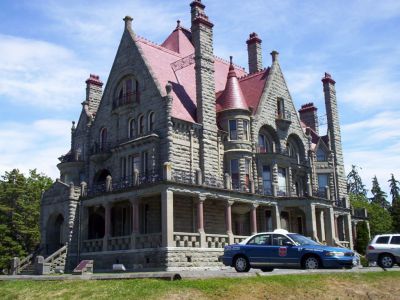
Built between 1887 and 1890 by wealthy coal baron Robert Dunsmuir, Craigdarroch Castle is an impressive Scottish Baronial mansion that is now open to the public as a museum.
The castle's architecture is a prime example of the Victorian architectural style, characterized by its ornate details, intricate woodwork, and elaborate stonework. The exterior is made of local granite, while the interior features a mix of exotic woods, stained glass windows, and intricate plasterwork.
Visitors to Craigdarroch Castle can take a self-guided tour of the mansion's four floors, which are filled with period furniture, artwork, and other artifacts. Some of the tour's highlights include the grand staircase, the drawing room, the billiard room, and the bedrooms, which are decorated in a variety of styles ranging from Gothic Revival to Rococo.
In addition to the castle itself, the property also features stunning gardens that are open to the public, meticulously maintained and including a mix of exotic and native plants, as well as several fountains and statues.
Throughout the year, Craigdarroch Castle hosts a variety of events and activities, including holiday-themed tours, concerts, and educational programs for children. There is also a gift shop on site, where visitors can purchase souvenirs and other items related to the castle and its history.
Why You Should Visit:
Very unique place for western Canada. Apart from the self-guided tour, the young volunteers stationed around the various rooms are very helpful. If you enjoy anything exquisitely Victorian-era or are a fan of wooden craftsmanship, then this is a must.
Tip:
To fully appreciate the castle, you will need to be fit enough to walk up the staircases (no elevator) to the different sections from the restored bedrooms to the upstairs ballroom. Make sure to also walk up the top turret and admire the views!
The castle's architecture is a prime example of the Victorian architectural style, characterized by its ornate details, intricate woodwork, and elaborate stonework. The exterior is made of local granite, while the interior features a mix of exotic woods, stained glass windows, and intricate plasterwork.
Visitors to Craigdarroch Castle can take a self-guided tour of the mansion's four floors, which are filled with period furniture, artwork, and other artifacts. Some of the tour's highlights include the grand staircase, the drawing room, the billiard room, and the bedrooms, which are decorated in a variety of styles ranging from Gothic Revival to Rococo.
In addition to the castle itself, the property also features stunning gardens that are open to the public, meticulously maintained and including a mix of exotic and native plants, as well as several fountains and statues.
Throughout the year, Craigdarroch Castle hosts a variety of events and activities, including holiday-themed tours, concerts, and educational programs for children. There is also a gift shop on site, where visitors can purchase souvenirs and other items related to the castle and its history.
Why You Should Visit:
Very unique place for western Canada. Apart from the self-guided tour, the young volunteers stationed around the various rooms are very helpful. If you enjoy anything exquisitely Victorian-era or are a fan of wooden craftsmanship, then this is a must.
Tip:
To fully appreciate the castle, you will need to be fit enough to walk up the staircases (no elevator) to the different sections from the restored bedrooms to the upstairs ballroom. Make sure to also walk up the top turret and admire the views!
10) Gate of Harmonious Interest and Chinatown
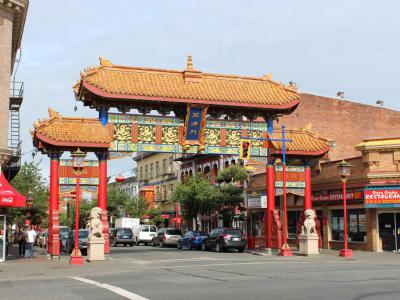
The Gate of Harmonious Interest is not only a cultural symbol but also a magnificent gateway to Victoria's Chinatown, the oldest in Canada and second only to San Francisco's in North America. Its history dates back to the mid-19th century, when a mass influx of miners arrived from California to what is now British Columbia.
The gate was erected in 1981 to celebrate the revitalization of Chinatown by the City of Victoria and the Chinese Consolidated Benevolent Association, with participation from both Chinese and non-Chinese communities. It stands as a shining emblem of unity and harmony, reflected in the two inscriptions: "To work together with one heart" and "To help each other achieve harmony."
The structure itself is a spectacular piece of architecture, adorned with elaborate red and gold decorations-a true feast for the eyes. Two hand-carved stone lions, gifted by Victoria's twin city, Suzhou in China, stand guard on either side, adding a touch of grandeur. The outer red pillars each contain two time capsules, set to be opened in 2081 and 2096, providing a glimpse into the past for future generations.
A plaque engraved with the names of 61 Chinese Canadians who fought and died for Canada during World War II is also located at the site, honoring their sacrifices.
The ambiance of Victoria's Chinatown is vibrant, with alleys brimming with unique boutique shops. From vegan cork purses to specialty soaps, these shops offer items that cannot be found elsewhere. Other stops include fresh produce, chocolate, bakeries, and metaphysical literature. The alleys themselves are charming, featuring exposed brick, vibrant colors, and impeccable cleanliness, creating a welcoming and atmospheric experience.
Tip:
Not all restaurants are great, so make sure you read some reviews before choosing where to eat.
The gate was erected in 1981 to celebrate the revitalization of Chinatown by the City of Victoria and the Chinese Consolidated Benevolent Association, with participation from both Chinese and non-Chinese communities. It stands as a shining emblem of unity and harmony, reflected in the two inscriptions: "To work together with one heart" and "To help each other achieve harmony."
The structure itself is a spectacular piece of architecture, adorned with elaborate red and gold decorations-a true feast for the eyes. Two hand-carved stone lions, gifted by Victoria's twin city, Suzhou in China, stand guard on either side, adding a touch of grandeur. The outer red pillars each contain two time capsules, set to be opened in 2081 and 2096, providing a glimpse into the past for future generations.
A plaque engraved with the names of 61 Chinese Canadians who fought and died for Canada during World War II is also located at the site, honoring their sacrifices.
The ambiance of Victoria's Chinatown is vibrant, with alleys brimming with unique boutique shops. From vegan cork purses to specialty soaps, these shops offer items that cannot be found elsewhere. Other stops include fresh produce, chocolate, bakeries, and metaphysical literature. The alleys themselves are charming, featuring exposed brick, vibrant colors, and impeccable cleanliness, creating a welcoming and atmospheric experience.
Tip:
Not all restaurants are great, so make sure you read some reviews before choosing where to eat.
11) Market Square
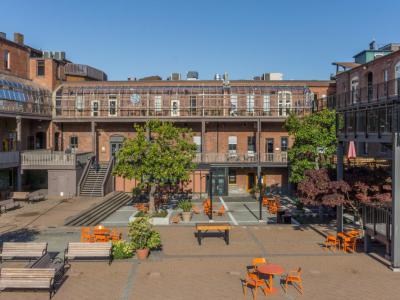
Market Square, located in the heart of downtown Victoria, is a vibrant town square and shopping center that exudes a charming blend of history and contemporary flair. Nestled adjacent to Chinatown, this bustling square offers visitors a delightful mix of shops, restaurants, and clubs, making it a popular destination for locals and tourists alike.
Stepping into Market Square feels like taking a journey back in time. The square's rich history dates back to the late 19th century when it was initially established. During this era, the building housed a three-level structure that served as a gathering place for sailors, lumberjacks, and whalers seeking entertainment and relaxation during their days off. This historical significance imbues the square with a unique character that sets it apart from other shopping destinations in Victoria.
Today, Market Square boasts a diverse collection of over 35 shops, each offering a distinct shopping experience. From the moment you enter, you'll be greeted by a plethora of specialty stores that cater to a wide range of interests. Whether you're in search of exotic teas, high-quality camping gear, or charming souvenir t-shirts, you're sure to find something that catches your eye.
Beyond its shopping allure, Market Square offers more than just a place to browse and buy. The square's central courtyard serves as a hub for vibrant live festivals and events, which are held regularly throughout the year. These festivities create an electric atmosphere, filling the air with excitement and attracting visitors from all walks of life.
Stepping into Market Square feels like taking a journey back in time. The square's rich history dates back to the late 19th century when it was initially established. During this era, the building housed a three-level structure that served as a gathering place for sailors, lumberjacks, and whalers seeking entertainment and relaxation during their days off. This historical significance imbues the square with a unique character that sets it apart from other shopping destinations in Victoria.
Today, Market Square boasts a diverse collection of over 35 shops, each offering a distinct shopping experience. From the moment you enter, you'll be greeted by a plethora of specialty stores that cater to a wide range of interests. Whether you're in search of exotic teas, high-quality camping gear, or charming souvenir t-shirts, you're sure to find something that catches your eye.
Beyond its shopping allure, Market Square offers more than just a place to browse and buy. The square's central courtyard serves as a hub for vibrant live festivals and events, which are held regularly throughout the year. These festivities create an electric atmosphere, filling the air with excitement and attracting visitors from all walks of life.
12) Bastion Square
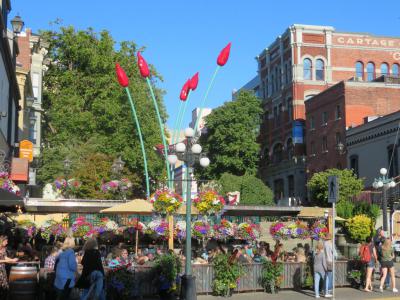
Bastion Square, located in Victoria, holds great historical significance and now serves as a charming pedestrian mall. As you enter the square from View and Government Streets, you'll be greeted by a ceremonial arch, marking the beginning of this captivating area. On the Wharf Street side, the exit opens up to a staircase that provides a picturesque view of the Inner Harbour.
Back in 1963, under the guidance of city planner Rod Clack, Bastion Square underwent development as part of the modernization efforts for Centennial Square. View Street was closed off to vehicular traffic, giving rise to a pedestrian-friendly space. The square was skillfully enclosed by beautifully restored historic buildings on three sides, while the fourth side offered a scenic vista of the harbor.
Among the notable historic buildings within the square are Burnes House, the Beaver Building, the Board of Trade Building, Chancery Chambers, the Law Chambers, the Rithet Building, and the Supreme Court Building. These architectural gems add to the overall charm and character of the square.
Bastion Square is also known for hosting various events throughout the year, including the Bastion Square Public Market, the Holiday Market, and the Art Walk. These gatherings further enhance the vibrant atmosphere and provide opportunities for locals and visitors to engage with art, crafts, and local produce.
Back in 1963, under the guidance of city planner Rod Clack, Bastion Square underwent development as part of the modernization efforts for Centennial Square. View Street was closed off to vehicular traffic, giving rise to a pedestrian-friendly space. The square was skillfully enclosed by beautifully restored historic buildings on three sides, while the fourth side offered a scenic vista of the harbor.
Among the notable historic buildings within the square are Burnes House, the Beaver Building, the Board of Trade Building, Chancery Chambers, the Law Chambers, the Rithet Building, and the Supreme Court Building. These architectural gems add to the overall charm and character of the square.
Bastion Square is also known for hosting various events throughout the year, including the Bastion Square Public Market, the Holiday Market, and the Art Walk. These gatherings further enhance the vibrant atmosphere and provide opportunities for locals and visitors to engage with art, crafts, and local produce.
13) Wharf Street
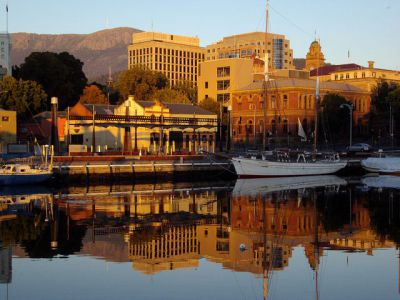
In the late 1800s, Wharf Street was the bustling center of Victoria's shipping industry, where ships would dock to unload cargo and passengers. The street was lined with warehouses, hotels, and businesses that catered to the needs of sailors and merchants.
Today, it still retains much of its historic charm, with beautifully restored buildings that house a variety of shops, restaurants, and galleries. Visitors can stroll along the waterfront and enjoy views of the harbor, the Parliament Buildings, and the historic Johnson Street Bridge.
In recent years, Wharf Street has undergone significant redevelopment, with new buildings and attractions popping up. The street is now a bustling hub of activity, with a lively mix of locals and visitors enjoying the sights, sounds, and flavors of Victoria. The combination of old-world charm and modern amenities makes it a memorable experience.
Today, it still retains much of its historic charm, with beautifully restored buildings that house a variety of shops, restaurants, and galleries. Visitors can stroll along the waterfront and enjoy views of the harbor, the Parliament Buildings, and the historic Johnson Street Bridge.
In recent years, Wharf Street has undergone significant redevelopment, with new buildings and attractions popping up. The street is now a bustling hub of activity, with a lively mix of locals and visitors enjoying the sights, sounds, and flavors of Victoria. The combination of old-world charm and modern amenities makes it a memorable experience.
14) Inner Harbour (must see)
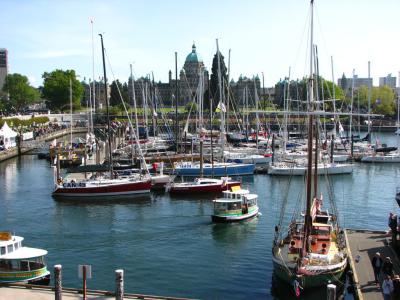
Victoria's Inner Harbour is a feast for the senses! Upon arrival, visitors are greeted by the picturesque sight of the stunning Fairmont Empress Hotel, standing proudly with its historic façade and elegant architecture.
Historically, the area was a mudflat used for clam beds in the 18th century before being developed by the Hudson's Bay Company. Today, the hustle and bustle of the harbour is irresistible, with horse-drawn carriage rides, whale-watching excursions, and harbour ferries adding to the lively atmosphere.
Picturesque views abound, from yachts bobbing gently in the water to the majestic British Columbia Parliament Buildings standing tall in the distance, and charming historic buildings-now renovated into restaurants and shops-lining the waterfront.
As visitors meander along the harbour, they are treated to the melodies of street musicians, the performances of jugglers, and the mesmerizing creations of local artists. Set against the sparkling waters and grand architecture, this vibrant scene creates memories that will last a lifetime.
One of the most beautiful waterfront walkways anywhere-scenic, quaint, and full of free entertainment. Don’t miss seeing the Parliament Buildings illuminated at night for a completely different perspective.
Tip:
If you're into it, take a horse-drawn carriage ride, or take a mini-boat tour (for a fee).
Historically, the area was a mudflat used for clam beds in the 18th century before being developed by the Hudson's Bay Company. Today, the hustle and bustle of the harbour is irresistible, with horse-drawn carriage rides, whale-watching excursions, and harbour ferries adding to the lively atmosphere.
Picturesque views abound, from yachts bobbing gently in the water to the majestic British Columbia Parliament Buildings standing tall in the distance, and charming historic buildings-now renovated into restaurants and shops-lining the waterfront.
As visitors meander along the harbour, they are treated to the melodies of street musicians, the performances of jugglers, and the mesmerizing creations of local artists. Set against the sparkling waters and grand architecture, this vibrant scene creates memories that will last a lifetime.
One of the most beautiful waterfront walkways anywhere-scenic, quaint, and full of free entertainment. Don’t miss seeing the Parliament Buildings illuminated at night for a completely different perspective.
Tip:
If you're into it, take a horse-drawn carriage ride, or take a mini-boat tour (for a fee).
