Custom Walk in Lima, Peru by billingham1731_cdd97f created on 2026-06-18
Guide Location: Peru » Lima
Guide Type: Custom Walk
# of Sights: 12
Tour Duration: 2 Hour(s)
Travel Distance: 3.1 Km or 1.9 Miles
Share Key: 73DGV
Guide Type: Custom Walk
# of Sights: 12
Tour Duration: 2 Hour(s)
Travel Distance: 3.1 Km or 1.9 Miles
Share Key: 73DGV
How It Works
Please retrieve this walk in the GPSmyCity app. Once done, the app will guide you from one tour stop to the next as if you had a personal tour guide. If you created the walk on this website or come to the page via a link, please follow the instructions below to retrieve the walk in the app.
Retrieve This Walk in App
Step 1. Download the app "GPSmyCity: Walks in 1K+ Cities" on Apple App Store or Google Play Store.



Step 2. In the GPSmyCity app, download(or launch) the guide "Lima Map and Walking Tours".
Step 3. Tap the menu button located at upper right corner of the "Walks" screen and select "Retrieve custom walk". Enter the share key: 73DGV
1) Alameda Chabuca Granda Vantage Point
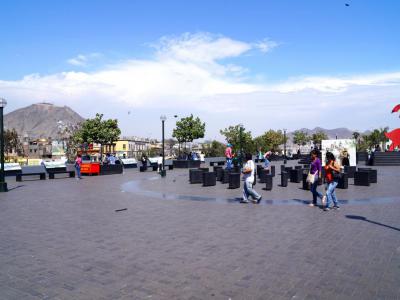
Alameda Chabuca Granda is a large pedestrian strip and vantage point stretching for two blocks along the Rimac River. The area is packed with street entertainers and snack vendors selling traditional Peruvian food at remarkably reasonable prices, and is completely safe and family-friendly until late at night. The area's signature attraction - red statue of a dancing woman - is in fact a monument to Chabuca Granda, famous Peruvian singer of the 20th century after whom it has been named.
From here you can get a view of the old neighborhood of Rímac, San Cristóbal Hill, Desamparados Train Station, the Rayos del Sol Bridge, and a vast horizon of colonial mansions. In the 1990s, a new mall was built to replace the old market of Polvos Azules. Alameda Chabuca Granda is also home to three amphitheaters often staging local Creole music performances.
From here you can get a view of the old neighborhood of Rímac, San Cristóbal Hill, Desamparados Train Station, the Rayos del Sol Bridge, and a vast horizon of colonial mansions. In the 1990s, a new mall was built to replace the old market of Polvos Azules. Alameda Chabuca Granda is also home to three amphitheaters often staging local Creole music performances.
2) Jiron de la Union (Union Street)
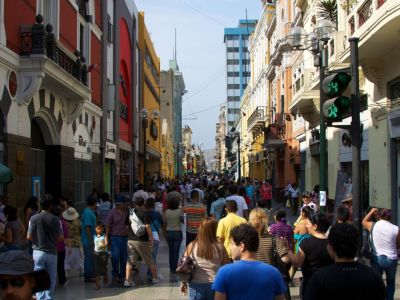
Union Street is one of Lima’s most iconic pedestrian thoroughfares, linking the historic Main Square with the bustling Civic Center. Known as the heart of the city’s historic center, the street is lined with elegant colonial-era buildings, ornate balconies, and vibrant facades, creating a picturesque setting for exploring the city on foot. Its wide sidewalks and lively atmosphere make it a favorite destination for both locals and tourists.
For shopping enthusiasts, Union Street offers a mix of traditional and modern retail experiences. From small boutiques selling Peruvian textiles, alpaca garments, and handcrafted jewelry to larger stores offering clothing, shoes, and accessories, there is something for every taste and budget. Artisans often display their crafts along the street, providing visitors with the chance to take home unique souvenirs and experience Lima’s rich artisanal culture.
The street is also home to numerous cafés, bakeries, and restaurants, perfect for pausing between shopping excursions. Traditional Peruvian snacks, coffee, and fresh juices are readily available, allowing visitors to enjoy local flavors while watching the bustling city life unfold. Street performers, musicians, and occasional art exhibitions add a lively cultural touch to the shopping experience.
Union Street is more than just a shopping destination; it is a vibrant corridor that combines commerce, culture, and history. Walking along the street offers a glimpse into Lima’s colonial past while providing the opportunity to discover modern Peruvian products, making it an essential stop for anyone looking to shop, explore, and soak up the city’s lively energy.
For shopping enthusiasts, Union Street offers a mix of traditional and modern retail experiences. From small boutiques selling Peruvian textiles, alpaca garments, and handcrafted jewelry to larger stores offering clothing, shoes, and accessories, there is something for every taste and budget. Artisans often display their crafts along the street, providing visitors with the chance to take home unique souvenirs and experience Lima’s rich artisanal culture.
The street is also home to numerous cafés, bakeries, and restaurants, perfect for pausing between shopping excursions. Traditional Peruvian snacks, coffee, and fresh juices are readily available, allowing visitors to enjoy local flavors while watching the bustling city life unfold. Street performers, musicians, and occasional art exhibitions add a lively cultural touch to the shopping experience.
Union Street is more than just a shopping destination; it is a vibrant corridor that combines commerce, culture, and history. Walking along the street offers a glimpse into Lima’s colonial past while providing the opportunity to discover modern Peruvian products, making it an essential stop for anyone looking to shop, explore, and soak up the city’s lively energy.
3) Central Market
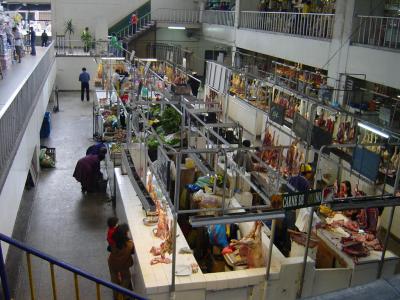
The Central Market is a microcosm of Peruvian life, bustling with countless stalls offering fresh produce, meats, seafood, spices, household goods, clothing, and local specialties. Originally, a market on this site dates back to the mid-19th century under the name “Market of La Concepción”, and after a devastating fire in 1964 the current structure was rebuilt and inaugurated in 1967 under architect Alfredo Dammert y Garrido Lecca.
For tourists, the Central Market offers a sensory immersion: colorful fruit and vegetable displays, live seafood counters, and the hum of daily trade set the pace. Many guided foodie tours use the market as a first stop, where you can sample seasonal fruits, olives, ceviche, and learn from local vendors about Peru’s culinary traditions.
The market isn’t just about food. You’ll also find sections selling kitchenware, textiles, toys, and everyday goods, making it a one-stop place to see how many Limeños shop. Because it serves mainly locals, the Central Market gives a more authentic and unfiltered peek into city life than purely tourist markets. It’s busiest in the morning, when products are freshest and the energy highest, so visiting early is wise.
For tourists, the Central Market offers a sensory immersion: colorful fruit and vegetable displays, live seafood counters, and the hum of daily trade set the pace. Many guided foodie tours use the market as a first stop, where you can sample seasonal fruits, olives, ceviche, and learn from local vendors about Peru’s culinary traditions.
The market isn’t just about food. You’ll also find sections selling kitchenware, textiles, toys, and everyday goods, making it a one-stop place to see how many Limeños shop. Because it serves mainly locals, the Central Market gives a more authentic and unfiltered peek into city life than purely tourist markets. It’s busiest in the morning, when products are freshest and the energy highest, so visiting early is wise.
4) Inquisition Museum
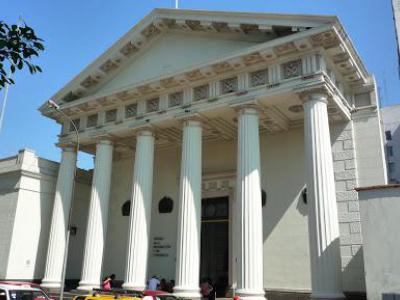
The Inquisition Museum is one of the best maintained and most often visited museums in Peru. It sits on Bolivar Square and is housed in the old building of the Peruvian Congress and National Senate. The building is now considered a site of national importance and was first opened to the public on July 26th 1968.
It was from here that the Spanish Inquisition was run between 1570 and 1820. The Spanish Inquisition in the 16th century sought to eradicate blasphemy and heresy, pursuant to which objective it used to have the suspects of such deeds brought here for torture that took place in the basement. The Inquisition targeted, in particular, Spanish Jews who were often accused of secret dealings.
Today, visitors can see the dungeons where the prisoners were held and the life-size wax models graphically depicting the acts of the torture that the victims had to endure. Some visitors may find such sight quite disturbing and sending shivers down one's spine! However, the museum is a sure must for history lovers.
In addition to paying homage to the Peruvian Congress, the museum missions to preserve and to pass down to future generations the historical and cultural richness of the nation. The artifacts exhibited here highlight the importance and the impact that the Inquisition has had on Peruvian history.
It was from here that the Spanish Inquisition was run between 1570 and 1820. The Spanish Inquisition in the 16th century sought to eradicate blasphemy and heresy, pursuant to which objective it used to have the suspects of such deeds brought here for torture that took place in the basement. The Inquisition targeted, in particular, Spanish Jews who were often accused of secret dealings.
Today, visitors can see the dungeons where the prisoners were held and the life-size wax models graphically depicting the acts of the torture that the victims had to endure. Some visitors may find such sight quite disturbing and sending shivers down one's spine! However, the museum is a sure must for history lovers.
In addition to paying homage to the Peruvian Congress, the museum missions to preserve and to pass down to future generations the historical and cultural richness of the nation. The artifacts exhibited here highlight the importance and the impact that the Inquisition has had on Peruvian history.
5) Bolivar Square
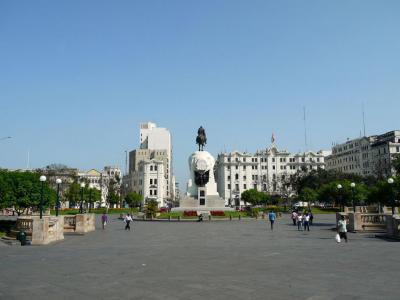
If you are fascinated by history and drawn to places of heritage, then Bolívar Square is the perfect spot for you. Formerly known as Inquisition Square and Congress Square, it lies in the Barrios Altos district of downtown Lima.
Dominating the square is the Legislative Palace, the seat of the Peruvian Congress and once home to the Inquisition Tribunal, which operated here until 1813 under the authority of the Spanish viceroys.
In 1859, the square was renamed Bolívar Square and a replica of the Simón Bolívar Monument was installed at its center. Simón Bolívar, one of South America’s most revered figures, played a pivotal role in the liberation of Venezuela, Bolivia, Colombia, Ecuador, Peru, and Panama. He is remembered as a leader of vision, endurance, and deep compassion for his people. The square stands as a tribute to his enduring legacy as a champion of freedom.
During national holidays, Bolívar Square becomes the scene of public gatherings and military parades. For the rest of the year, despite its historic and political importance, it remains a tranquil spot-a pleasant place to relax beneath the shade of its old, leafy trees.
Dominating the square is the Legislative Palace, the seat of the Peruvian Congress and once home to the Inquisition Tribunal, which operated here until 1813 under the authority of the Spanish viceroys.
In 1859, the square was renamed Bolívar Square and a replica of the Simón Bolívar Monument was installed at its center. Simón Bolívar, one of South America’s most revered figures, played a pivotal role in the liberation of Venezuela, Bolivia, Colombia, Ecuador, Peru, and Panama. He is remembered as a leader of vision, endurance, and deep compassion for his people. The square stands as a tribute to his enduring legacy as a champion of freedom.
During national holidays, Bolívar Square becomes the scene of public gatherings and military parades. For the rest of the year, despite its historic and political importance, it remains a tranquil spot-a pleasant place to relax beneath the shade of its old, leafy trees.
6) Basilica and Convent of San Francisco (must see)
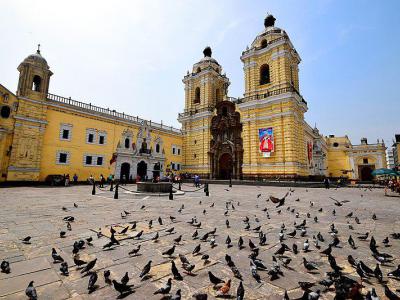
The Basilica and Convent of San Francisco is a magnificent piece of architecture and a site of great religious importance in Lima, popular with both locals and visitors alike. Tourists are often awestruck by its dome and the fascinating half-spherical vault intricately carved in cedar. Together with its adjoining church, the convent forms part of the Historic Centre of Lima, which was inscribed as a UNESCO World Heritage Site in 1991. The complex also includes the famous catacombs and an impressive library.
Book lovers will find a treasure trove in the vast library, which houses nearly 25,000 volumes, including incunabula and manuscripts dating back to the 15th century. Those seeking adventure can descend into the eerie catacombs, an experience that feels straight out of an old-world exploration film. Each year, during the Saint Jude festival, a solemn procession of forty people carries a special silver stand through the convent’s grounds. Combined with its library, church, and catacombs, this site offers a truly unforgettable glimpse into Lima’s colonial and spiritual heritage.
Tip:
It’s worth paying a little extra for the catacombs tour, which includes a guided visit through the convent. Tours are available in both English and Spanish, and the stories shared along the way make the experience especially rewarding.
Book lovers will find a treasure trove in the vast library, which houses nearly 25,000 volumes, including incunabula and manuscripts dating back to the 15th century. Those seeking adventure can descend into the eerie catacombs, an experience that feels straight out of an old-world exploration film. Each year, during the Saint Jude festival, a solemn procession of forty people carries a special silver stand through the convent’s grounds. Combined with its library, church, and catacombs, this site offers a truly unforgettable glimpse into Lima’s colonial and spiritual heritage.
Tip:
It’s worth paying a little extra for the catacombs tour, which includes a guided visit through the convent. Tours are available in both English and Spanish, and the stories shared along the way make the experience especially rewarding.
7) House of Oidor
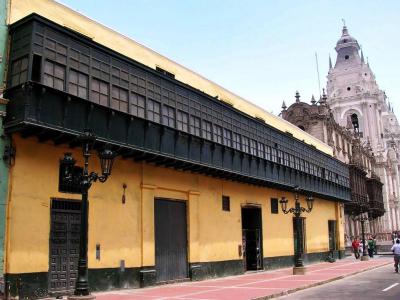
House of Oidor is a 17th century mansion, one of the oldest in Lima. It was built shortly after the city was founded. Its name translates as “the house that hears and listens” and reportedly is due to the fact that during a certain period of time the city magistrate, duly appointed by the king, had presided here over the court that used to hear complaints from members of the public.
It is also said that ladies of the house would peep from the balconies, hidden behind the shutters, to see what's going on down in the square. The balconies appear quite amazing from the square below which is completely surrounded by walls.
The stone mansion is painted pale orange with a black trim and represents a fine piece of architecture. Sadly, it can be viewed only from the outside as the property is closed for the general public.
It is also said that ladies of the house would peep from the balconies, hidden behind the shutters, to see what's going on down in the square. The balconies appear quite amazing from the square below which is completely surrounded by walls.
The stone mansion is painted pale orange with a black trim and represents a fine piece of architecture. Sadly, it can be viewed only from the outside as the property is closed for the general public.
8) Cathedral of Lima (must see)
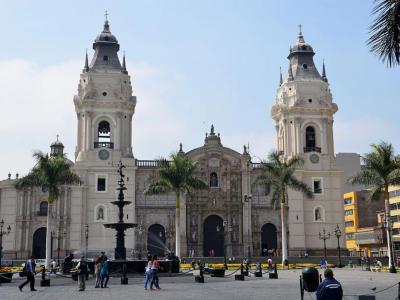
The Cathedral of Lima is one of the oldest and most historic structures in the city. The Spanish conquistador Francisco Pizarro is said to have laid the first stone himself, even carrying the first log used in its construction. The cathedral was officially consecrated in 1625, though its origins date back to 1535, making it nearly as old as Lima itself.
The cathedral is particularly noted for its opulent interior, featuring a delicately vaulted ceiling, a checkerboard floor, and exquisite Baroque furnishings. Among its most remarkable features are the beautifully carved choir stalls and the mosaic chapel that houses Pizarro’s tomb. The façade, designed in Renaissance style and later completed with neoclassical touches, mirrors the grandeur of Lima’s colonial era.
Inside the cathedral, a small museum displays religious artifacts and artworks that are well worth seeing. The marble flooring, 17th-century golden altars, and impressive paintings enhance the building’s grandeur, while its chapels, and upper galleries make exploration both fascinating and rewarding. Among the artworks are paintings by the Cusco School, a renowned colonial art movement blending European and Andean traditions. The museum also preserves antique liturgical vestments, silver chalices, and historic documents reflecting Lima’s ecclesiastical heritage.
The cathedral contains 15 smaller chapels, each dedicated to a different saint. A true monument of immense historical and cultural value, it offers visitors an extraordinary glimpse into Lima’s colonial and religious past. Together with the surrounding buildings on the Main Square, the Cathedral of Lima forms the centerpiece of the city’s UNESCO World Heritage-listed historic centre. The building also serves as the seat of the Archdiocese of Lima, maintaining its role as the spiritual heart of the Peruvian capital. Its bells continue to mark major religious events and national ceremonies.
Tip:
Consider buying a combo ticket to visit both the Cathedral of Lima and the neighboring Archbishop’s Palace. Each showcases stunning colonial architecture and art, and guided tours offer valuable insight into their history. While tipping your guide isn’t mandatory, a small gratuity is appreciated for a well-conducted tour.
The cathedral is particularly noted for its opulent interior, featuring a delicately vaulted ceiling, a checkerboard floor, and exquisite Baroque furnishings. Among its most remarkable features are the beautifully carved choir stalls and the mosaic chapel that houses Pizarro’s tomb. The façade, designed in Renaissance style and later completed with neoclassical touches, mirrors the grandeur of Lima’s colonial era.
Inside the cathedral, a small museum displays religious artifacts and artworks that are well worth seeing. The marble flooring, 17th-century golden altars, and impressive paintings enhance the building’s grandeur, while its chapels, and upper galleries make exploration both fascinating and rewarding. Among the artworks are paintings by the Cusco School, a renowned colonial art movement blending European and Andean traditions. The museum also preserves antique liturgical vestments, silver chalices, and historic documents reflecting Lima’s ecclesiastical heritage.
The cathedral contains 15 smaller chapels, each dedicated to a different saint. A true monument of immense historical and cultural value, it offers visitors an extraordinary glimpse into Lima’s colonial and religious past. Together with the surrounding buildings on the Main Square, the Cathedral of Lima forms the centerpiece of the city’s UNESCO World Heritage-listed historic centre. The building also serves as the seat of the Archdiocese of Lima, maintaining its role as the spiritual heart of the Peruvian capital. Its bells continue to mark major religious events and national ceremonies.
Tip:
Consider buying a combo ticket to visit both the Cathedral of Lima and the neighboring Archbishop’s Palace. Each showcases stunning colonial architecture and art, and guided tours offer valuable insight into their history. While tipping your guide isn’t mandatory, a small gratuity is appreciated for a well-conducted tour.
9) Plaza de Armas (Main Square) (must see)
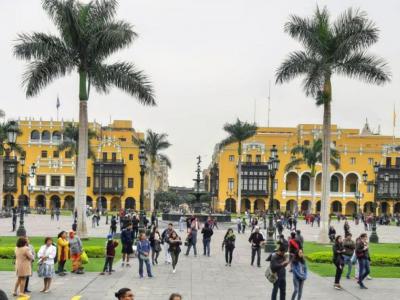
The Main Square marks the birthplace of Lima, founded here in 1535 by Spanish conquistador Francisco Pizarro. It is also the spot from which José de San Martín proclaimed Peru’s independence from Spain in 1821. Surrounding the square are many of the city’s most important historic landmarks, including the Government Palace, Municipal Palace, Archbishop’s Palace, Palace of the Union, and the Cathedral of Lima.
A set of four streets- Union Street, Carabaya Street, Junin Street, and Huallaga Street-frame the square in a perfect grid. After the conquest of the Incas, King Charles I of Spain decreed that new colonial cities must be designed following such a grid plan, with streets radiating from a central square. Lima’s orderly layout remains one of the best examples of this early urban planning.
Beyond the square, several other landmarks of historical interest lie nearby, such as House of the Oidor and the San Francisco Church with its famous catacombs. The entire area breathes history, blending colonial architecture, political legacy, and the rhythm of daily life.
Tip:
Be sure to pack a pair of sunglasses to be able to see the details on the bright yellow buildings. At noon at the Presidential Palace, there is the Changing of the Guard – really interesting to watch. Check out a few places before buying expensive souvenirs, as many stores carry the same goods at varying prices. They'll try to sell you at the highest price – so negotiate!
A set of four streets- Union Street, Carabaya Street, Junin Street, and Huallaga Street-frame the square in a perfect grid. After the conquest of the Incas, King Charles I of Spain decreed that new colonial cities must be designed following such a grid plan, with streets radiating from a central square. Lima’s orderly layout remains one of the best examples of this early urban planning.
Beyond the square, several other landmarks of historical interest lie nearby, such as House of the Oidor and the San Francisco Church with its famous catacombs. The entire area breathes history, blending colonial architecture, political legacy, and the rhythm of daily life.
Tip:
Be sure to pack a pair of sunglasses to be able to see the details on the bright yellow buildings. At noon at the Presidential Palace, there is the Changing of the Guard – really interesting to watch. Check out a few places before buying expensive souvenirs, as many stores carry the same goods at varying prices. They'll try to sell you at the highest price – so negotiate!
10) Government Palace
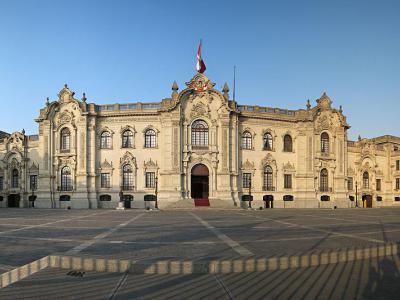
Also known as the House of Pizarro, the Government Palace is the official residence of the President of Peru, located on the bank of the Rimac river, overlooking the northern side of Main Square. This imposing site is graced with history and presented both strategic and spiritual importance to the ancient Incas as a former burial ground that had once housed the shrine of Taulichusco, the last chief of the Incas.
Construction of the palace was ordered by Francisco Pizarro in 1535. Since then it has endured multiple renovations with the last one occurring in the 1930s, resulting from which is the current French Baroque look of the building. The project was undertaken by architects, Ricardo Malachowski of Poland and Jean Claude Sahut of France, and was overseen by Peruvian dictators.
Though the Government Palace is normally closed to public wandering, you can request a special tour through the protocol/public relations office (often with advance notice). The Changing of the Guard takes place daily at noon, visible from the plaza without any ticket. Inside, highlights include the Golden Hall and Jorge Basadre Hall among other ceremonial rooms.
Tip:
Arrive by 11:30 a.m. if you wish to catch the musical buildup. Also, at 6 p.m., watch the flag lowering ceremony at the palace gates - a quieter but dignified ritual of the day’s close.
Construction of the palace was ordered by Francisco Pizarro in 1535. Since then it has endured multiple renovations with the last one occurring in the 1930s, resulting from which is the current French Baroque look of the building. The project was undertaken by architects, Ricardo Malachowski of Poland and Jean Claude Sahut of France, and was overseen by Peruvian dictators.
Though the Government Palace is normally closed to public wandering, you can request a special tour through the protocol/public relations office (often with advance notice). The Changing of the Guard takes place daily at noon, visible from the plaza without any ticket. Inside, highlights include the Golden Hall and Jorge Basadre Hall among other ceremonial rooms.
Tip:
Arrive by 11:30 a.m. if you wish to catch the musical buildup. Also, at 6 p.m., watch the flag lowering ceremony at the palace gates - a quieter but dignified ritual of the day’s close.
11) Santo Domingo Church & Convent (must see)
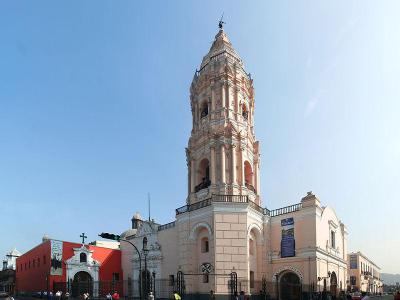
Santo Domingo Church stands on land donated in 1540 by Francisco Pizarro, the Spanish conquistador and founder of the city, to the Dominican friar Vicente Valverde. It is one of Lima’s oldest and most historically significant places of worship. Over the centuries, the church has undergone several renovations and modifications and today displays a distinctive Baroque style that continues to attract visitors from around the world.
The church features three naves-the Chapel of the Rosary, the Chapel of Saint Rose, and the Choir-all finely carved in cedar. Its main tower, rising about 60 meters, is one of the tallest in Lima and offers a splendid vantage point over the city. Santo Domingo is also a deeply revered site, housing the remains of Saint Martin de Porres, Saint Rose of Lima, and Saint John Macías. A statue of Saint Rose, presented by Pope Clement X, is also preserved here.
The chapter house of Santo Domingo holds special historical importance as the birthplace of the University of San Marcos, founded in the 16th century as the first university in Peru and the oldest in the Americas. The adjoining library, with its shelves of ancient volumes and serene atmosphere, is a treasure in itself-an inspiring space for anyone who appreciates history, art, and the quiet beauty of old books.
Tip:
Interesting tour with the Spanish/English-speaking guides is included in the ticket price for the convent.
The church features three naves-the Chapel of the Rosary, the Chapel of Saint Rose, and the Choir-all finely carved in cedar. Its main tower, rising about 60 meters, is one of the tallest in Lima and offers a splendid vantage point over the city. Santo Domingo is also a deeply revered site, housing the remains of Saint Martin de Porres, Saint Rose of Lima, and Saint John Macías. A statue of Saint Rose, presented by Pope Clement X, is also preserved here.
The chapter house of Santo Domingo holds special historical importance as the birthplace of the University of San Marcos, founded in the 16th century as the first university in Peru and the oldest in the Americas. The adjoining library, with its shelves of ancient volumes and serene atmosphere, is a treasure in itself-an inspiring space for anyone who appreciates history, art, and the quiet beauty of old books.
Tip:
Interesting tour with the Spanish/English-speaking guides is included in the ticket price for the convent.
12) Historical Aliaga House
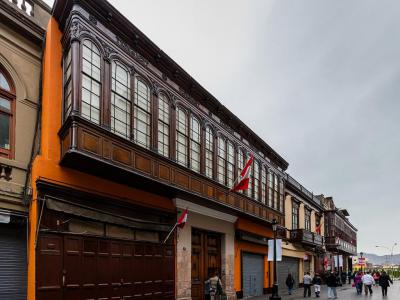
The Aliaga House is one of the oldest and most historically significant homes in Peru. Located near the Plaza Mayor, this colonial-era mansion was built in 1535, shortly after the founding of Lima, and has been continuously owned by the Aliaga family for over 480 years, making it the oldest private residence in Latin America.
The house is an example of Spanish colonial architecture, with elegant wooden balconies, intricate carvings, and beautiful courtyards. Inside, visitors can explore a collection of historical artifacts, period furniture, and paintings that reflect the family’s prominent role in Peruvian history. The mansion is also home to a grand chapel, where local aristocracy once held religious ceremonies.
One of the most remarkable features of Aliaga House is its association with Francisco Pizarro, the Spanish conquistador. The mansion was built on land granted to the Aliaga family by Pizarro himself, and the family has maintained close ties with the country’s elite throughout Peru’s history.
Today, Aliaga House serves as both a museum and a private residence. It offers guided tours, providing an immersive glimpse into Lima’s colonial past, as well as the unique history of the Aliaga family. A visit here is a fascinating journey into Peru’s rich heritage.
The house is an example of Spanish colonial architecture, with elegant wooden balconies, intricate carvings, and beautiful courtyards. Inside, visitors can explore a collection of historical artifacts, period furniture, and paintings that reflect the family’s prominent role in Peruvian history. The mansion is also home to a grand chapel, where local aristocracy once held religious ceremonies.
One of the most remarkable features of Aliaga House is its association with Francisco Pizarro, the Spanish conquistador. The mansion was built on land granted to the Aliaga family by Pizarro himself, and the family has maintained close ties with the country’s elite throughout Peru’s history.
Today, Aliaga House serves as both a museum and a private residence. It offers guided tours, providing an immersive glimpse into Lima’s colonial past, as well as the unique history of the Aliaga family. A visit here is a fascinating journey into Peru’s rich heritage.
