Custom Walk in Pittsburgh, Pennsylvania by odarveau_1995_549472 created on 2026-06-22
Guide Location: USA » Pittsburgh
Guide Type: Custom Walk
# of Sights: 13
Tour Duration: 2 Hour(s)
Travel Distance: 3.6 Km or 2.2 Miles
Share Key: P8VHK
Guide Type: Custom Walk
# of Sights: 13
Tour Duration: 2 Hour(s)
Travel Distance: 3.6 Km or 2.2 Miles
Share Key: P8VHK
How It Works
Please retrieve this walk in the GPSmyCity app. Once done, the app will guide you from one tour stop to the next as if you had a personal tour guide. If you created the walk on this website or come to the page via a link, please follow the instructions below to retrieve the walk in the app.
Retrieve This Walk in App
Step 1. Download the app "GPSmyCity: Walks in 1K+ Cities" on Apple App Store or Google Play Store.



Step 2. In the GPSmyCity app, download(or launch) the guide "Pittsburgh Map and Walking Tours".
Step 3. Tap the menu button located at upper right corner of the "Walks" screen and select "Retrieve custom walk". Enter the share key: P8VHK
1) Cultural District
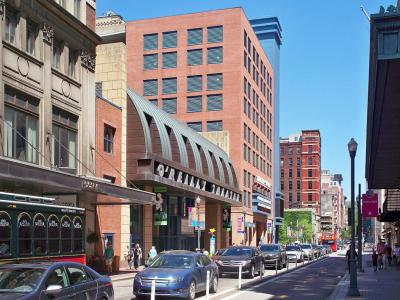
The Cultural District stretches across roughly fourteen blocks of downtown Pittsburgh, centered along Penn Avenue and Liberty Avenue. Developed beginning in the 1980s by the Pittsburgh Cultural Trust, the district transformed a once-declining commercial area into one of the largest concentrated arts districts in the United States. Today, it serves as the city’s main center for performing arts, galleries, restaurants, public spaces, and nightlife.
Walking east from the western side of the district, one of the first major landmarks you encounter is Pittsburgh Public Theater, near the intersection of Barkers Place and Penn Avenue. From there, continue toward Heinz Hall for the Performing Arts, located to the southwest along Penn Avenue near the middle of 6th Street. Opened in 1927 as the Loew’s Penn Theater, it now serves as the home of the Pittsburgh Symphony Orchestra. Just beyond Heinz Hall, continue east along Penn Avenue for a short distance to reach the Benedum Center at the intersection with 7th Street. Originally opened in 1928 as the Stanley Theater, this restored movie palace now hosts Broadway productions, concerts, and large touring performances.
Continuing eastward toward 10th Street brings you to the August Wilson African American Cultural Center near the intersection with Liberty Avenue. Named after Pulitzer Prize-winning playwright August Wilson, who was born in Pittsburgh, the centre hosts exhibitions, performances, and programs celebrating African American culture and creativity.
Walking through the Cultural District reveals more than theaters alone. Public plazas, riverfront access, and art installations shape the neighborhood’s identity, especially along Penn Avenue. Outdoor sculptures, murals, and seasonal lighting create visual interest throughout the year, while nearby cafés, wine bars, and restaurants keep the streets active before and after performances. For visitors exploring downtown Pittsburgh, the Cultural District offers a concentrated mix of architecture, entertainment, and public space.
Walking east from the western side of the district, one of the first major landmarks you encounter is Pittsburgh Public Theater, near the intersection of Barkers Place and Penn Avenue. From there, continue toward Heinz Hall for the Performing Arts, located to the southwest along Penn Avenue near the middle of 6th Street. Opened in 1927 as the Loew’s Penn Theater, it now serves as the home of the Pittsburgh Symphony Orchestra. Just beyond Heinz Hall, continue east along Penn Avenue for a short distance to reach the Benedum Center at the intersection with 7th Street. Originally opened in 1928 as the Stanley Theater, this restored movie palace now hosts Broadway productions, concerts, and large touring performances.
Continuing eastward toward 10th Street brings you to the August Wilson African American Cultural Center near the intersection with Liberty Avenue. Named after Pulitzer Prize-winning playwright August Wilson, who was born in Pittsburgh, the centre hosts exhibitions, performances, and programs celebrating African American culture and creativity.
Walking through the Cultural District reveals more than theaters alone. Public plazas, riverfront access, and art installations shape the neighborhood’s identity, especially along Penn Avenue. Outdoor sculptures, murals, and seasonal lighting create visual interest throughout the year, while nearby cafés, wine bars, and restaurants keep the streets active before and after performances. For visitors exploring downtown Pittsburgh, the Cultural District offers a concentrated mix of architecture, entertainment, and public space.
2) Heinz Hall
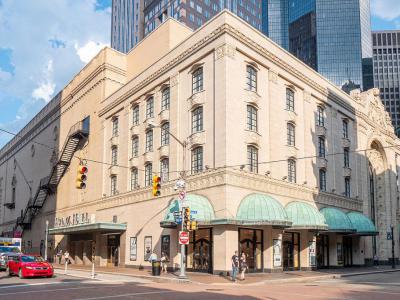
Heinz Hall was originally known as Loew's Penn Theater when it was constructed in 1927. Originally, the theater showed films. Today, Heinz Hall is known as home to the Pittsburgh Symphony Orchestra and the Youth Symphony Orchestra.
The original architectural firm was Rapp & Rapp. The Rapp brothers were well known for designing grand movie palaces like the Chicago Theatre. The firm also designed the Paramount Theatre in Times Square. They brought their trademark grandeur to Loew's Penn Theater as well.
The theater originally held one-ton chandeliers and a 50-foot high vaulted, Venetian ceiling. A refurbishment took place in 1971 and again in 1995. The chandeliers were rebuilt, the building was expanded an entrance with a 40-foot high arched window was added. The bulk of the architecture has remained intact over the years. Most of the refurbishments have been done to enhance the experiences of theater goers and to add more space for orchestral events.
The original architectural firm was Rapp & Rapp. The Rapp brothers were well known for designing grand movie palaces like the Chicago Theatre. The firm also designed the Paramount Theatre in Times Square. They brought their trademark grandeur to Loew's Penn Theater as well.
The theater originally held one-ton chandeliers and a 50-foot high vaulted, Venetian ceiling. A refurbishment took place in 1971 and again in 1995. The chandeliers were rebuilt, the building was expanded an entrance with a 40-foot high arched window was added. The bulk of the architecture has remained intact over the years. Most of the refurbishments have been done to enhance the experiences of theater goers and to add more space for orchestral events.
3) PNC Park
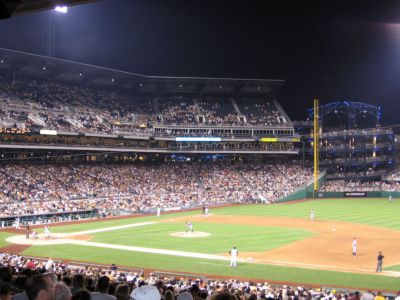
PNC Park is a baseball stadium located on the North Shore of Pittsburgh. It serves as the home ground for Major League Baseball's Pittsburgh Pirates. Opened in 2001, it offers a picturesque view of the Downtown Pittsburgh skyline along the Allegheny River. The stadium, made primarily of steel and limestone, boasts a natural grass playing field and has a seating capacity of 38,747 for baseball games.
PNC Park was constructed in just 24 months, which was notably swift compared to other modern stadiums. It was designed in a "retro-classic" style, reminiscent of historic venues like Pittsburgh's Forbes Field, but also incorporated unique elements such as limestone in its facade. The stadium features a riverside concourse, steel truss work, an expansive out-of-town scoreboard, and various local food options. It pays homage to former Pirate Roberto Clemente with several tributes, including the renaming of the nearby Sixth Street Bridge in his honor.
Beyond hosting the Pirates' regular and postseason games, PNC Park has welcomed other events like the 2006 Major League Baseball All-Star Game and numerous concerts. Regarded by many as one of America's finest baseball stadiums, its appeal lies in its prime location, scenic views, classic design, and excellent sightlines from every seat.
PNC Park was constructed in just 24 months, which was notably swift compared to other modern stadiums. It was designed in a "retro-classic" style, reminiscent of historic venues like Pittsburgh's Forbes Field, but also incorporated unique elements such as limestone in its facade. The stadium features a riverside concourse, steel truss work, an expansive out-of-town scoreboard, and various local food options. It pays homage to former Pirate Roberto Clemente with several tributes, including the renaming of the nearby Sixth Street Bridge in his honor.
Beyond hosting the Pirates' regular and postseason games, PNC Park has welcomed other events like the 2006 Major League Baseball All-Star Game and numerous concerts. Regarded by many as one of America's finest baseball stadiums, its appeal lies in its prime location, scenic views, classic design, and excellent sightlines from every seat.
4) Fort Pitt Blockhouse (must see)
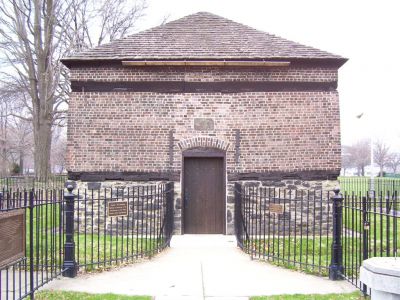
Fort Pitt Blockhouse is the oldest surviving structure in Pittsburgh and the only remaining part of the original Fort Pitt complex. Built in 1764 by the British during the years following the French and Indian War, the blockhouse was constructed as a defensive outpost.
The blockhouse was ordered by British officer Colonel Henry Bouquet after the Siege of Fort Pitt, when additional defenses were added around the fort’s perimeter. While the larger fort was demolished in 1792, the blockhouse survived because it continued to be used as a residence and later as a trading post. Constructed from thick stone walls with narrow defensive openings, the structure reflects the practical design of frontier military architecture. Its compact form and weathered appearance stand in contrast to the modern skyline rising beyond the park.
Visitors can step inside to view the preserved interior and gain a sense of what life may have been like in the 18th century. Period furnishings and interpretive displays explain how the blockhouse functioned within the larger fortification. The modest rooms reveal the confined conditions faced by soldiers and settlers stationed at the frontier’s edge. Outside, the nearby Edith Ammon Memorial Garden honors the preservation efforts that helped save the structure from demolition. Edith Ammon played a key role in securing ownership of the blockhouse for the local chapter of the Daughters of the American Revolution, which restored the building and opened it to the public in 1894.
Though small in scale, the blockhouse provides a rare opportunity to stand inside a structure that predates Pittsburgh itself and has survived more than two and a half centuries of change.
The blockhouse was ordered by British officer Colonel Henry Bouquet after the Siege of Fort Pitt, when additional defenses were added around the fort’s perimeter. While the larger fort was demolished in 1792, the blockhouse survived because it continued to be used as a residence and later as a trading post. Constructed from thick stone walls with narrow defensive openings, the structure reflects the practical design of frontier military architecture. Its compact form and weathered appearance stand in contrast to the modern skyline rising beyond the park.
Visitors can step inside to view the preserved interior and gain a sense of what life may have been like in the 18th century. Period furnishings and interpretive displays explain how the blockhouse functioned within the larger fortification. The modest rooms reveal the confined conditions faced by soldiers and settlers stationed at the frontier’s edge. Outside, the nearby Edith Ammon Memorial Garden honors the preservation efforts that helped save the structure from demolition. Edith Ammon played a key role in securing ownership of the blockhouse for the local chapter of the Daughters of the American Revolution, which restored the building and opened it to the public in 1894.
Though small in scale, the blockhouse provides a rare opportunity to stand inside a structure that predates Pittsburgh itself and has survived more than two and a half centuries of change.
5) Fort Pitt Museum
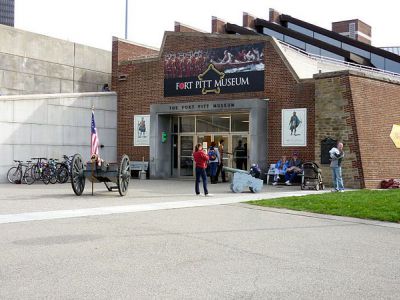
Fort Pitt Museum stands within Point State Park at the spot where the Allegheny and Monongahela rivers meet to form the Ohio River. The museum occupies the restored Monongahela Bastion, the last surviving section of the original Fort Pitt, a British fort completed in 1761 during the French and Indian War. This strategic location once marked the gateway to the western frontier.
Inside, the museum explores Pittsburgh’s earliest history through exhibits focused on frontier life, military conflict, and settlement. Displays trace the struggle between the French and British for control of the Ohio Valley, the construction of Fort Pitt, and the fort’s later importance during the American Revolution and the Whiskey Rebellion. Artifacts such as weapons, maps, trade goods, and household items help illustrate daily life during the 18th century. Visitors also learn about the Native American communities whose presence in the region long predates European settlement.
The museum combines indoor galleries with reconstructed outdoor features that bring frontier history to life. Exhibits include recreations of a trader’s cabin, soldier barracks, and defensive spaces that suggest how the fort once operated as both a military outpost and a trading center. Thick stone walls and restored fortifications provide a sense of the original structure’s scale and purpose. Seasonal programming may include living history demonstrations, musket-firing presentations, and craft activities that recreate aspects of colonial-era life.
Inside, the museum explores Pittsburgh’s earliest history through exhibits focused on frontier life, military conflict, and settlement. Displays trace the struggle between the French and British for control of the Ohio Valley, the construction of Fort Pitt, and the fort’s later importance during the American Revolution and the Whiskey Rebellion. Artifacts such as weapons, maps, trade goods, and household items help illustrate daily life during the 18th century. Visitors also learn about the Native American communities whose presence in the region long predates European settlement.
The museum combines indoor galleries with reconstructed outdoor features that bring frontier history to life. Exhibits include recreations of a trader’s cabin, soldier barracks, and defensive spaces that suggest how the fort once operated as both a military outpost and a trading center. Thick stone walls and restored fortifications provide a sense of the original structure’s scale and purpose. Seasonal programming may include living history demonstrations, musket-firing presentations, and craft activities that recreate aspects of colonial-era life.
6) Point State Park
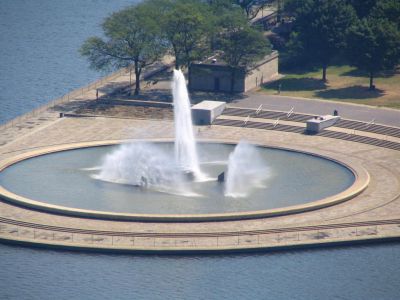
Point State Park, nestled at the scenic confluence of the Allegheny and Monongahela rivers which together form the Ohio River, stands as a verdant oasis amid the urban landscape of Pittsburgh. Spanning across 36 acres, this park is not only a recreational haven but also a rich historical site, echoing the stories of the area's past.
The inception of Point State Park traces back to the 1950s when the land, previously occupied by industrial entities, was acquired through eminent domain. This move paved the way for the creation of a public space that would offer respite and leisure to the city's inhabitants and visitors alike. After nearly two decades of planning and construction, the park officially opened its gates in August 1974, celebrated by the completion of its now-iconic fountain.
Point State Park is also a portal to the past, housing the remnants and outlines of Fort Pitt and Fort Duquesne, two of the oldest structures in Pittsburgh. These forts play a crucial role in the narrative of the region, marking pivotal moments in the French and Indian War (1754–1763). The Fort Pitt Museum, located within the park's confines, offers visitors a glimpse into this tumultuous period, emphasizing Pittsburgh's strategic importance in American history.
Beyond its historical significance, Point State Park serves as a vibrant center for cultural and recreational activities. It is a popular gathering spot for workers, visitors, and residents seeking a peaceful escape from the hustle and bustle of downtown Pittsburgh. The park is also a focal point for major city events, including the Venture Outdoors Festival, Three Rivers Arts Festival, and Three Rivers Regatta, each attracting thousands of attendees who come to celebrate Pittsburgh's lively community spirit and rich cultural heritage.
The inception of Point State Park traces back to the 1950s when the land, previously occupied by industrial entities, was acquired through eminent domain. This move paved the way for the creation of a public space that would offer respite and leisure to the city's inhabitants and visitors alike. After nearly two decades of planning and construction, the park officially opened its gates in August 1974, celebrated by the completion of its now-iconic fountain.
Point State Park is also a portal to the past, housing the remnants and outlines of Fort Pitt and Fort Duquesne, two of the oldest structures in Pittsburgh. These forts play a crucial role in the narrative of the region, marking pivotal moments in the French and Indian War (1754–1763). The Fort Pitt Museum, located within the park's confines, offers visitors a glimpse into this tumultuous period, emphasizing Pittsburgh's strategic importance in American history.
Beyond its historical significance, Point State Park serves as a vibrant center for cultural and recreational activities. It is a popular gathering spot for workers, visitors, and residents seeking a peaceful escape from the hustle and bustle of downtown Pittsburgh. The park is also a focal point for major city events, including the Venture Outdoors Festival, Three Rivers Arts Festival, and Three Rivers Regatta, each attracting thousands of attendees who come to celebrate Pittsburgh's lively community spirit and rich cultural heritage.
7) PPG Place (must see)
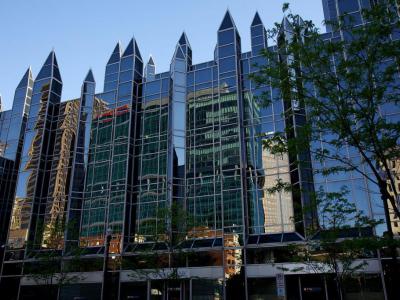
PPG Place is instantly identified by its reflective glass towers and pointed spires. Completed in 1984 as the headquarters of PPG Industries, the complex was designed by architect Philip Johnson and partner John Burgee. Spanning more than five acres across several downtown blocks, PPG Place combines modern office design with neo-Gothic inspiration, creating a skyline silhouette often compared to a glass castle. The project was intended to symbolize Pittsburgh’s transition from its heavy industrial past toward a modern corporate and service-based economy.
The complex consists of six interconnected buildings arranged around a central plaza. The tallest, One PPG Place, rises 40 stories and reaches approximately 635 feet, making it one of the tallest towers in Pittsburgh. More than 19,000 panes of reflective glass cover the structures, while over 200 glass spires accent the rooftops. The sharp angles and crystalline surfaces change appearance throughout the day as sunlight and weather reflect across the façades. The glass itself was produced by PPG Industries, allowing the company to showcase its own materials through the building’s design.
At street level, the complex includes a large public plaza framed by shops, cafés, and office entrances. The plaza was designed to function as a gathering space rather than simply an entrance to office buildings. During warmer months, visitors can see the 140-jet fountain at the center of the plaza, with water sprays rising up to around 15 feet. In winter, the space transforms into an outdoor skating rink.
Attached to the eastern side of One PPG Place at ground level is the Wintergarden, a six-story glass atrium enclosed by vaulted ceilings and surrounded by indoor landscaping. Designed as a bright interior public space, it serves as both an event venue and a sheltered passage between parts of the complex. Inside, visitors find palm trees, seating areas, and natural light filtered through the glass walls. The Wintergarden often hosts exhibitions, seasonal displays, and public events, making it one of the most accessible interior spaces within the complex.
The complex consists of six interconnected buildings arranged around a central plaza. The tallest, One PPG Place, rises 40 stories and reaches approximately 635 feet, making it one of the tallest towers in Pittsburgh. More than 19,000 panes of reflective glass cover the structures, while over 200 glass spires accent the rooftops. The sharp angles and crystalline surfaces change appearance throughout the day as sunlight and weather reflect across the façades. The glass itself was produced by PPG Industries, allowing the company to showcase its own materials through the building’s design.
At street level, the complex includes a large public plaza framed by shops, cafés, and office entrances. The plaza was designed to function as a gathering space rather than simply an entrance to office buildings. During warmer months, visitors can see the 140-jet fountain at the center of the plaza, with water sprays rising up to around 15 feet. In winter, the space transforms into an outdoor skating rink.
Attached to the eastern side of One PPG Place at ground level is the Wintergarden, a six-story glass atrium enclosed by vaulted ceilings and surrounded by indoor landscaping. Designed as a bright interior public space, it serves as both an event venue and a sheltered passage between parts of the complex. Inside, visitors find palm trees, seating areas, and natural light filtered through the glass walls. The Wintergarden often hosts exhibitions, seasonal displays, and public events, making it one of the most accessible interior spaces within the complex.
8) Market Square
Market Square has been a gathering place in downtown Pittsburgh since the city’s earliest days. Established in 1764 as a public commons known as Diamond Square, it quickly became the social and commercial center of the young settlement. By the late 18th century, the square was surrounded by some of Pittsburgh’s earliest civic institutions, including its first courthouse, jail, and newspaper office. Farmers, merchants, and residents gathered here to trade goods, share news, and participate in daily life as the frontier town grew into a thriving city.
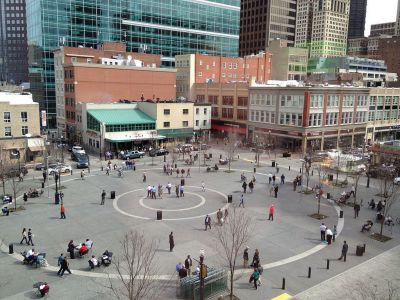
On the western side, the glass towers of PPG Place rise just beyond the square, creating one of downtown Pittsburgh’s most recognizable backdrops. Along the southern edge, Primanti Bros. Market Square represents a local food institution known for its signature sandwiches piled with fries and coleslaw. Nearby on the southeast corner, Pizzaiolo Primo occupies a historic storefront and adds to the square’s long tradition as a gathering place centered around food. On the northern side, the former commercial façades along Market Street preserve the scale of 19th-century downtown architecture, helping visitors imagine the square’s earlier marketplace atmosphere.
Today, Market Square remains one of the most active public spaces in downtown Pittsburgh. Historic buildings frame the square, now home to cafés, restaurants, hotels, shops, and entertainment venues. Seasonal markets, concerts, and holiday displays regularly transform the plaza. During warmer months, visitors often find ping pong tables, oversized lawn games, yoga sessions, or family-friendly activities filling the plaza.
On the western side, the glass towers of PPG Place rise just beyond the square, creating one of downtown Pittsburgh’s most recognizable backdrops. Along the southern edge, Primanti Bros. Market Square represents a local food institution known for its signature sandwiches piled with fries and coleslaw. Nearby on the southeast corner, Pizzaiolo Primo occupies a historic storefront and adds to the square’s long tradition as a gathering place centered around food. On the northern side, the former commercial façades along Market Street preserve the scale of 19th-century downtown architecture, helping visitors imagine the square’s earlier marketplace atmosphere.
Today, Market Square remains one of the most active public spaces in downtown Pittsburgh. Historic buildings frame the square, now home to cafés, restaurants, hotels, shops, and entertainment venues. Seasonal markets, concerts, and holiday displays regularly transform the plaza. During warmer months, visitors often find ping pong tables, oversized lawn games, yoga sessions, or family-friendly activities filling the plaza.
9) First Presbyterian Church of Pittsburgh
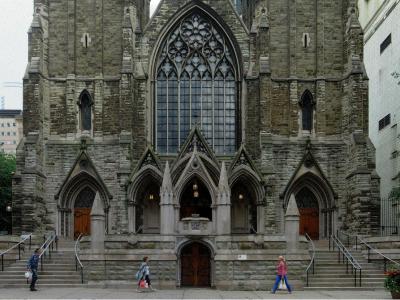
First Presbyterian Church of Pittsburgh stands among the office towers of downtown Pittsburgh as one of the city’s oldest religious institutions. Founded in 1784, the congregation has been part of Pittsburgh’s history since the years following the American Revolution. The current church, completed in 1905, reflects the Neo-Gothic style popular at the turn of the 20th century.
Designed by architect Theophilus P. Chandler Jr., the church was built using Indiana limestone and detailed with carved stonework and large stained-glass windows. Inside, several specific features stand out beyond the stained glass and vaulted ceiling. At the eastern end of the sanctuary, near the chancel and altar, visitors can see the richly carved oak reredos rising behind the communion table, decorated with Gothic tracery and religious motifs. Nearby, the pulpit and lectern stand along the front of the nave, their hand-carved woodwork reflecting early 20th-century craftsmanship.
Among the stained-glass collection, the 13 windows created by Tiffany Studios are particular highlights. These memorial windows are positioned along the side aisles and transepts. Above the main entrance at the western end of the church, the large rose window forms a focal point, drawing attention with its circular Gothic design and colored light.
Visitors should also look toward the rear gallery, where the church’s large pipe organ is housed in a Baroque-style wooden case containing roughly 4,400 pipes. Positioned above the entrance, it dominates the western wall of the sanctuary both visually and acoustically. Along the chancel area, carved choir stalls line either side, while stone columns and pointed arches frame the nave from front to back.
Designed by architect Theophilus P. Chandler Jr., the church was built using Indiana limestone and detailed with carved stonework and large stained-glass windows. Inside, several specific features stand out beyond the stained glass and vaulted ceiling. At the eastern end of the sanctuary, near the chancel and altar, visitors can see the richly carved oak reredos rising behind the communion table, decorated with Gothic tracery and religious motifs. Nearby, the pulpit and lectern stand along the front of the nave, their hand-carved woodwork reflecting early 20th-century craftsmanship.
Among the stained-glass collection, the 13 windows created by Tiffany Studios are particular highlights. These memorial windows are positioned along the side aisles and transepts. Above the main entrance at the western end of the church, the large rose window forms a focal point, drawing attention with its circular Gothic design and colored light.
Visitors should also look toward the rear gallery, where the church’s large pipe organ is housed in a Baroque-style wooden case containing roughly 4,400 pipes. Positioned above the entrance, it dominates the western wall of the sanctuary both visually and acoustically. Along the chancel area, carved choir stalls line either side, while stone columns and pointed arches frame the nave from front to back.
10) Trinity Episcopal Cathedral
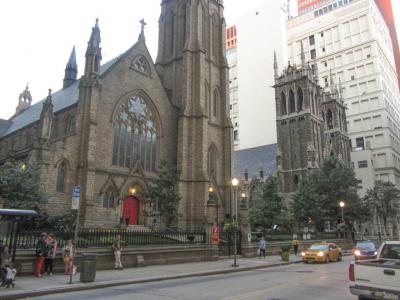
Trinity Episcopal Cathedral is one of downtown Pittsburgh’s most prominent historic landmarks. Completed in 1872, the cathedral serves as the seat of the Episcopal Diocese of Pittsburgh and is the third church built for the congregation. Its location carries deep historical significance, as the site was once a Native American burial ground and later an early colonial cemetery. The surrounding churchyard still preserves some of the oldest marked graves west of the Atlantic Seaboard.
Designed by architect Gordon W. Lloyd in the Gothic Revival style, the cathedral reflects the influence of medieval English churches. Constructed from local sandstone, the building features pointed arches, narrow lancet windows, carved stone detailing, and a tall central tower that once made it the tallest structure in Pittsburgh until the completion of the nearby courthouse in 1888.
Inside, the cathedral offers a quieter, more intimate atmosphere than its imposing exterior might suggest. Vaulted ceilings, dark wood furnishings, and stained-glass windows create a soft, filtered light throughout the nave. Memorial plaques and historic details reflect the church’s long connection to Pittsburgh’s civic and spiritual life. Regular worship services, concerts, and community events continue to keep the cathedral active rather than purely historic.
Designed by architect Gordon W. Lloyd in the Gothic Revival style, the cathedral reflects the influence of medieval English churches. Constructed from local sandstone, the building features pointed arches, narrow lancet windows, carved stone detailing, and a tall central tower that once made it the tallest structure in Pittsburgh until the completion of the nearby courthouse in 1888.
Inside, the cathedral offers a quieter, more intimate atmosphere than its imposing exterior might suggest. Vaulted ceilings, dark wood furnishings, and stained-glass windows create a soft, filtered light throughout the nave. Memorial plaques and historic details reflect the church’s long connection to Pittsburgh’s civic and spiritual life. Regular worship services, concerts, and community events continue to keep the cathedral active rather than purely historic.
11) Omni William Penn Hotel
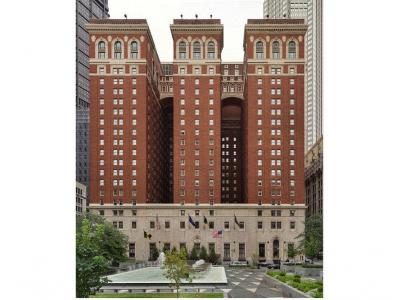
The Omni William Penn hotel is located in downtown Pittsburgh next to Mellon Square. It was known as the "Grandest Hotel in the World" at the time it was built. Since then, it has seen its share of notable guests. Faces that have graced the hotel include John F. Kennedy, Bob Hope, Ronald Reagan, Harry S Truman and Dwight D. Eisenhower.
The building was erected in 1916 as the William Penn Hotel, owned by the Pittsburgh Hotel Company. It was crafted in the Neoclassical style by architectural firm Janssen & Abbott. In 1929 the hotel was expanded to become the second largest in the world.
The interior of the hotel is outfitted in Art Deco style that benefited in 1984 from a $20 million remodeling that expanded the size of the rooms and reduce the number of guests rooms from the previous 1,600 to 650. Visitors to the hotel will see domed arches, tufted sofas, wooden accents a speakeasy that evokes the feel of the 1920s.
The building was erected in 1916 as the William Penn Hotel, owned by the Pittsburgh Hotel Company. It was crafted in the Neoclassical style by architectural firm Janssen & Abbott. In 1929 the hotel was expanded to become the second largest in the world.
The interior of the hotel is outfitted in Art Deco style that benefited in 1984 from a $20 million remodeling that expanded the size of the rooms and reduce the number of guests rooms from the previous 1,600 to 650. Visitors to the hotel will see domed arches, tufted sofas, wooden accents a speakeasy that evokes the feel of the 1920s.
12) Pittsburgh Central Downtown Historic District
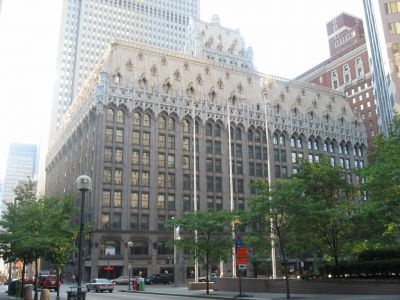
The Pittsburgh Central Downtown Historic District, situated in the heart of Pittsburgh, serves as a reminder of the city's rich industrial and business past. It is characterized by a set of buildings from the late eighteenth century, which Hyman Myers, former chair of the Pennsylvania Historic Preservation Board, highlighted as emblematic of Pittsburgh's rise as a prominent industrial and business hub during that time.
This district gained recognition on the National Register of Historic Places on December 17, 1985, originally comprising twenty-six buildings, twenty of which were deemed significant to its historical value. The initial list included various structures, ranging from small former residences dating back to the mid-19th century to notable architectural landmarks. Notably, the Frick Building and the U.S. Post Office and Courthouse not only contributed to the district's significance but also held individual listings on the National Register of Historic Places, emphasizing their historical and architectural importance.
Additionally, the district hosts other noteworthy buildings that enrich Pittsburgh's architectural landscape, such as the Gulf Tower, William Penn Hotel, Oliver Building, Mellon Square, August Wilson Center for African American Culture, Federal Reserve Bank Branch, Frank & Seder Building, Koppers Building, and Trinity Cathedral. Each of these structures adds to the district's narrative, showcasing different facets of Pittsburgh's commercial, cultural, and architectural evolution.
The Pittsburgh Central Downtown Historic District saw its boundaries expanded on May 2, 2013, recognizing its growing historical and cultural importance. This expansion safeguards the district's unique architectural heritage, showcasing Pittsburgh's evolution from an industrial hub to a vibrant business and cultural center, securing its legacy for future generations.
This district gained recognition on the National Register of Historic Places on December 17, 1985, originally comprising twenty-six buildings, twenty of which were deemed significant to its historical value. The initial list included various structures, ranging from small former residences dating back to the mid-19th century to notable architectural landmarks. Notably, the Frick Building and the U.S. Post Office and Courthouse not only contributed to the district's significance but also held individual listings on the National Register of Historic Places, emphasizing their historical and architectural importance.
Additionally, the district hosts other noteworthy buildings that enrich Pittsburgh's architectural landscape, such as the Gulf Tower, William Penn Hotel, Oliver Building, Mellon Square, August Wilson Center for African American Culture, Federal Reserve Bank Branch, Frank & Seder Building, Koppers Building, and Trinity Cathedral. Each of these structures adds to the district's narrative, showcasing different facets of Pittsburgh's commercial, cultural, and architectural evolution.
The Pittsburgh Central Downtown Historic District saw its boundaries expanded on May 2, 2013, recognizing its growing historical and cultural importance. This expansion safeguards the district's unique architectural heritage, showcasing Pittsburgh's evolution from an industrial hub to a vibrant business and cultural center, securing its legacy for future generations.
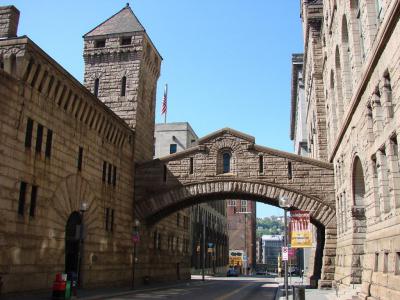
13) Old Allegheny County Jail
The Old Allegheny County Jail was built between 1884 and 1886 and designed by architect Henry Hobson Richardson. It is considered one of the finest examples of Romanesque Revival architecture in the United States, with thick stone walls, rounded arches, and fortress-like towers. The jail and courthouse complex was later recognized as a National Historic Landmark in 1976.
One of the most recognizable features is the enclosed “Bridge of Sighs”, which crosses above Ross Street and links the jail to the courthouse. Inspired by the famous Venetian bridge of the same name, it allowed prisoners to move between courtrooms and cells without entering the street. Small windows line the passageway, adding to the sense of isolation that once defined the journey between sentencing and confinement.
The jail remained in operation for more than a century, closing in 1995. Over the years, it held a number of notable inmates, including anarchist Alexander Berkman, who awaited trial here after the attempted assassination of industrialist Henry Clay Frick. Another famous chapter involved brothers Jack and Ed Biddle, whose escape in 1902, with help from the warden’s wife, became one of Pittsburgh’s most notorious prison stories.
Today, much of the former jail serves as the Family Division of the Allegheny County Court of Common Pleas, while a preserved section operates as the Old Allegheny County Jail Museum. Visitors can explore original cell blocks, iron-barred doors, and narrow corridors that reveal what incarceration looked like in the late 19th century. Entry requires passing through courthouse security, and photography is not permitted inside.
One of the most recognizable features is the enclosed “Bridge of Sighs”, which crosses above Ross Street and links the jail to the courthouse. Inspired by the famous Venetian bridge of the same name, it allowed prisoners to move between courtrooms and cells without entering the street. Small windows line the passageway, adding to the sense of isolation that once defined the journey between sentencing and confinement.
The jail remained in operation for more than a century, closing in 1995. Over the years, it held a number of notable inmates, including anarchist Alexander Berkman, who awaited trial here after the attempted assassination of industrialist Henry Clay Frick. Another famous chapter involved brothers Jack and Ed Biddle, whose escape in 1902, with help from the warden’s wife, became one of Pittsburgh’s most notorious prison stories.
Today, much of the former jail serves as the Family Division of the Allegheny County Court of Common Pleas, while a preserved section operates as the Old Allegheny County Jail Museum. Visitors can explore original cell blocks, iron-barred doors, and narrow corridors that reveal what incarceration looked like in the late 19th century. Entry requires passing through courthouse security, and photography is not permitted inside.
