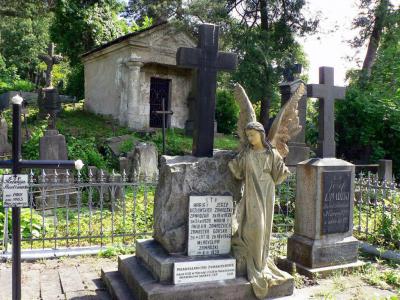


Antakalnis Cemetery, Vilnius
Antakalnis Cemetery is an active cemetery located in the Antakalnis district. Established in 1809, it is also known as the Antakalnis Military Cemetery due to the many military graves found here. The cemetery is famous for being the final resting place for 12 of the 14 victims of the Soviet attacks during the January Events of 1991, as well as those killed in the Medininkai Massacre.
In addition to these graves, the cemetery also contains the remains of Polish soldiers who perished in 1919-1920, a memorial for Lithuanian, German, and Russian soldiers who died in World War I, and Red Army soldiers who fought in World War II. The monument to Soviet soldiers, however, was taken apart and transported to storage in December 2022 due to the Russian invasion of Ukraine.
One of the most notable events in the cemetery's history was the reburial of over 3,000 French and other soldiers of the Grande Armée of Napoleon I who took part in the 1812 invasion of Russia. Their bodies were excavated from French-dug trenches which were used by the victorious Russians as mass graves due to the frozen state of the ground. French and Lithuanian diplomats participated in the interment ceremony held in 2003. In November 2010, the remains of 18 more soldiers from the same army were also found and reburied in a different area of the cemetery.
Aside from its military history, the Antakalnis Cemetery is also known for its beautiful grounds and the wide variety of monuments and grave markers. The cemetery is a reflection of Lithuania's religious, political, and cultural history, with sections dedicated to actors, poets, writers, as well as KGB officers and NKVD soldiers of the postwar period.
In addition to these graves, the cemetery also contains the remains of Polish soldiers who perished in 1919-1920, a memorial for Lithuanian, German, and Russian soldiers who died in World War I, and Red Army soldiers who fought in World War II. The monument to Soviet soldiers, however, was taken apart and transported to storage in December 2022 due to the Russian invasion of Ukraine.
One of the most notable events in the cemetery's history was the reburial of over 3,000 French and other soldiers of the Grande Armée of Napoleon I who took part in the 1812 invasion of Russia. Their bodies were excavated from French-dug trenches which were used by the victorious Russians as mass graves due to the frozen state of the ground. French and Lithuanian diplomats participated in the interment ceremony held in 2003. In November 2010, the remains of 18 more soldiers from the same army were also found and reburied in a different area of the cemetery.
Aside from its military history, the Antakalnis Cemetery is also known for its beautiful grounds and the wide variety of monuments and grave markers. The cemetery is a reflection of Lithuania's religious, political, and cultural history, with sections dedicated to actors, poets, writers, as well as KGB officers and NKVD soldiers of the postwar period.
Want to visit this sight? Check out these Self-Guided Walking Tours in Vilnius. Alternatively, you can download the mobile app "GPSmyCity: Walks in 1K+ Cities" from Apple App Store or Google Play Store. The app turns your mobile device to a personal tour guide and it works offline, so no data plan is needed when traveling abroad.
Download The GPSmyCity App



Antakalnis Cemetery on Map
Sight Name: Antakalnis Cemetery
Sight Location: Vilnius, Lithuania (See walking tours in Vilnius)
Sight Type: Attraction/Landmark
Sight Location: Vilnius, Lithuania (See walking tours in Vilnius)
Sight Type: Attraction/Landmark
Nearby Sights
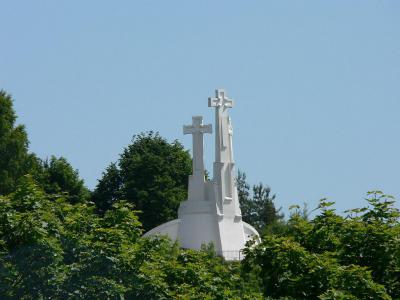
Hill of Three Crosses (must see)
Sight description based on Wikipedia.
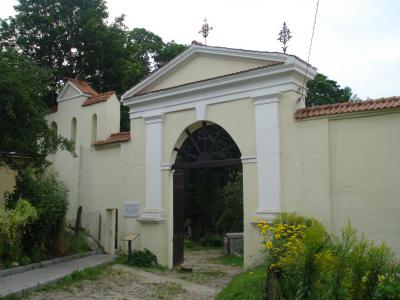
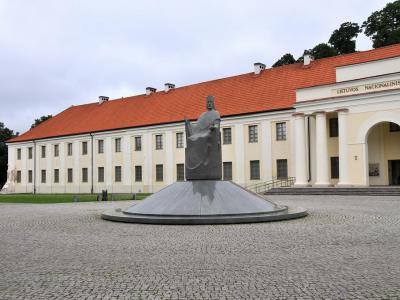
National Museum of Lithuania
Sight description based on Wikipedia.
Walking Tours in Vilnius, Lithuania

Create Your Own Walk in Vilnius
Creating your own self-guided walk in Vilnius is easy and fun. Choose the city attractions that you want to see and a walk route map will be created just for you. You can even set your hotel as the start point of the walk.
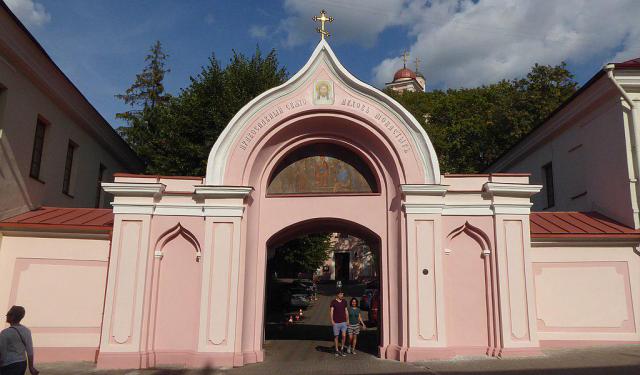
Historical Churches Tour
As the seat of the Roman Catholic Archdiocese and the Russian Orthodox Diocese of Lithuania, Vilnius boasts a wealth of gorgeous churches featuring diverse architectural styles – Gothic, Baroque, to mention but a few. Many of the local churches are historical, having witnessed centuries of events and become iconic landmarks of the Lithuanian capital.
One of the most famous temples in Vilnius... view more
Tour Duration: 1 Hour(s)
Travel Distance: 1.4 Km or 0.9 Miles
One of the most famous temples in Vilnius... view more
Tour Duration: 1 Hour(s)
Travel Distance: 1.4 Km or 0.9 Miles
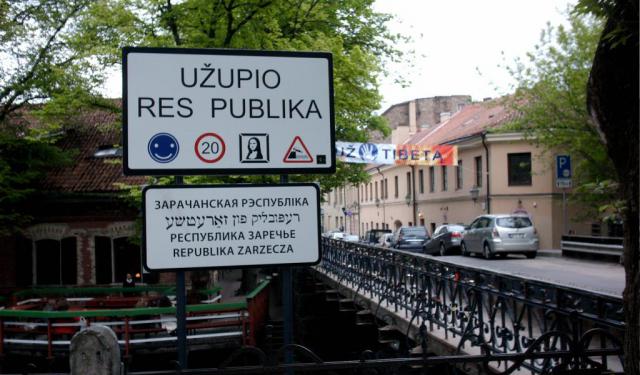
Užupis District Walking Tour
A tiny isolated area and a former suburb, which now forms part of the Old Town of Vilnius, the Uzupis district is often compared, for its bohemian and laissez-faire atmosphere, to Montmartre of Paris and Freetown Christiania of Copenhagen. Similarly to the latter, in 1997, the district declared itself an independent republic; the tongue-in-cheek constitution of the self-proclaimed “republic”,... view more
Tour Duration: 1 Hour(s)
Travel Distance: 1.2 Km or 0.7 Miles
Tour Duration: 1 Hour(s)
Travel Distance: 1.2 Km or 0.7 Miles
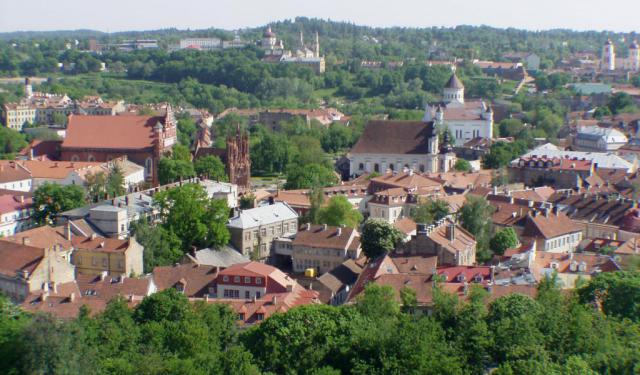
Vilnius Old Town Walking Tour
Legend has it that Grand Duke Gediminas dreamed of an iron wolf howling on a hill, inspiring him to found a city that would grow into today’s Vilnius. Centuries later, in 1812, when Napoleon passed through Vilnius during his Russian campaign, he reportedly described the city as “a pearl of the north, full of charm and surprises.”
Vilnius, the capital of Lithuania, is one of Eastern... view more
Tour Duration: 2 Hour(s)
Travel Distance: 4.5 Km or 2.8 Miles
Vilnius, the capital of Lithuania, is one of Eastern... view more
Tour Duration: 2 Hour(s)
Travel Distance: 4.5 Km or 2.8 Miles