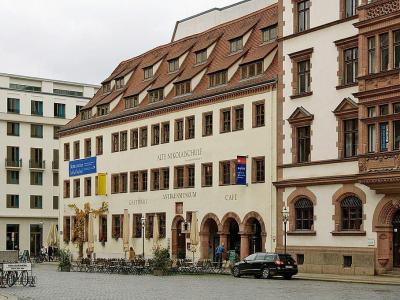


Antikenmuseum der Stadt (Museum of Antiquities), Leipzig
The Museum of Antiquities of the University of Leipzig, established in 1840, is one of the oldest and most significant collections of Greek and Roman antiquities at German universities. Located in the historic Old Nikolai School (Alte Nikolaischule), it is one of only two archaeological museums in Saxony, alongside the Albertinum in Dresden, that offers a comprehensive and engaging look into European antiquity.
Originally founded as an academic teaching and display collection, the museum now houses nearly 10,000 original artifacts, including painted vases, marble sculptures, terracotta figures, clay reliefs, bronze statuettes, and various ancient clay lamps and glass items. A notable feature of the collection is its emphasis on Greek ceramics, which is complemented by over 600 plaster casts of significant Greek and Roman marble and bronze works from renowned antiquities museums around the world. These casts, invaluable for teaching and research, are currently accessible only for educational purposes.
The museum's collection began in the early 18th century with the University acquiring antiquities. Johann Friedrich Christ, an archaeologist, integrated these into his lectures in 1735. By the early 19th century, it was known as the "Archaeology and Art Cabinet," initially featuring coins, gems, and plaster casts. The collection grew with Greek and Etruscan vases from Eduard Gerhard and W. G. Becker's acquisitions in Italy. Through the 19th and early 20th centuries, curators like Johannes Overbeck and Franz Studniczka expanded it further, including Friedrich Hauser's collection and significant gifts from Edward Perry Warren and John Marshall, like a marble bust of Alexander the Great.
Today, the Museum of Antiquities serves as both an educational resource and a public exhibition space, showcasing its most important finds since 1844. It actively collaborates with research and teaching at the University of Leipzig, offering a wide range of services including special exhibitions, publications, colloquia, and educational programs for all ages.
Originally founded as an academic teaching and display collection, the museum now houses nearly 10,000 original artifacts, including painted vases, marble sculptures, terracotta figures, clay reliefs, bronze statuettes, and various ancient clay lamps and glass items. A notable feature of the collection is its emphasis on Greek ceramics, which is complemented by over 600 plaster casts of significant Greek and Roman marble and bronze works from renowned antiquities museums around the world. These casts, invaluable for teaching and research, are currently accessible only for educational purposes.
The museum's collection began in the early 18th century with the University acquiring antiquities. Johann Friedrich Christ, an archaeologist, integrated these into his lectures in 1735. By the early 19th century, it was known as the "Archaeology and Art Cabinet," initially featuring coins, gems, and plaster casts. The collection grew with Greek and Etruscan vases from Eduard Gerhard and W. G. Becker's acquisitions in Italy. Through the 19th and early 20th centuries, curators like Johannes Overbeck and Franz Studniczka expanded it further, including Friedrich Hauser's collection and significant gifts from Edward Perry Warren and John Marshall, like a marble bust of Alexander the Great.
Today, the Museum of Antiquities serves as both an educational resource and a public exhibition space, showcasing its most important finds since 1844. It actively collaborates with research and teaching at the University of Leipzig, offering a wide range of services including special exhibitions, publications, colloquia, and educational programs for all ages.
Want to visit this sight? Check out these Self-Guided Walking Tours in Leipzig. Alternatively, you can download the mobile app "GPSmyCity: Walks in 1K+ Cities" from Apple App Store or Google Play Store. The app turns your mobile device to a personal tour guide and it works offline, so no data plan is needed when traveling abroad.
Download The GPSmyCity App



Antikenmuseum der Stadt (Museum of Antiquities) on Map
Sight Name: Antikenmuseum der Stadt (Museum of Antiquities)
Sight Location: Leipzig, Germany (See walking tours in Leipzig)
Sight Type: Museum/Gallery
Sight Location: Leipzig, Germany (See walking tours in Leipzig)
Sight Type: Museum/Gallery
Nearby Sights
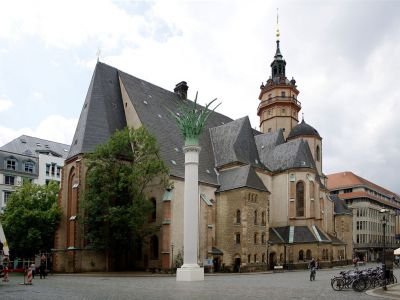
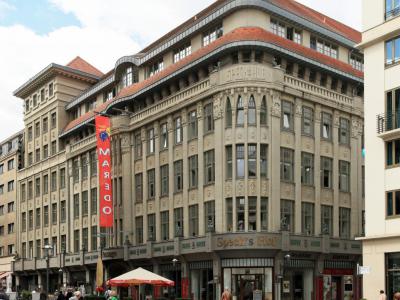
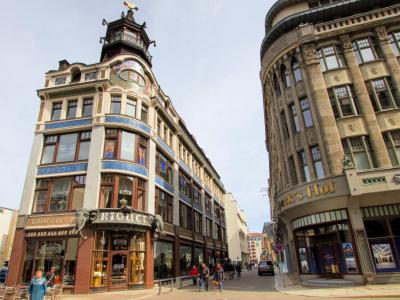
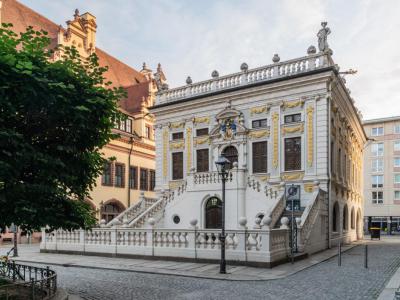
Walking Tours in Leipzig, Germany

Create Your Own Walk in Leipzig
Creating your own self-guided walk in Leipzig is easy and fun. Choose the city attractions that you want to see and a walk route map will be created just for you. You can even set your hotel as the start point of the walk.
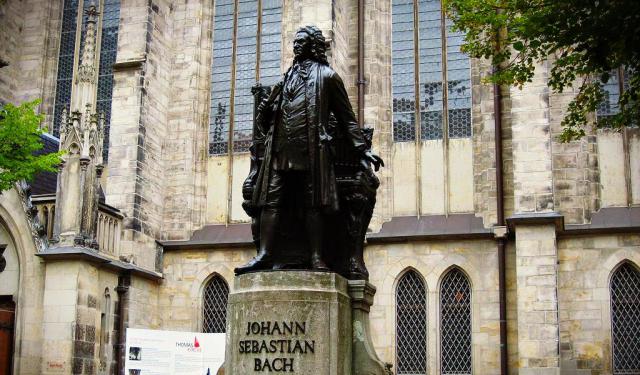
A Walk on the Leipzig Music Trail
The spatial density of historic locations associated with music in Leipzig is truly mind-boggling. But then again, this is hardly surprising, given the eclectic score of musicians who had left their mark on the city in various years.
Indeed, it was in Leipzig that Johann Sebastian Bach served as an organist and choirmaster at Thomaskirche as well as a cantor at Nikolaikirche; composer Robert... view more
Tour Duration: 2 Hour(s)
Travel Distance: 3.2 Km or 2 Miles
Indeed, it was in Leipzig that Johann Sebastian Bach served as an organist and choirmaster at Thomaskirche as well as a cantor at Nikolaikirche; composer Robert... view more
Tour Duration: 2 Hour(s)
Travel Distance: 3.2 Km or 2 Miles
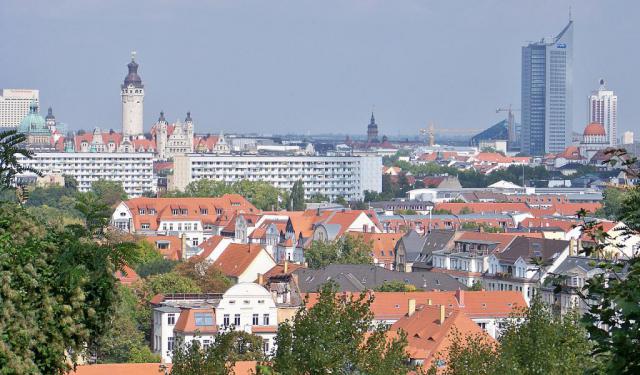
A Stroll Through Leipzig's Car-Free City Center
The name "Leipzig" may be derived from the Slavic word "Lipsk", meaning "linden trees place." The Nazi government renamed the city "Reichsmessestadt Leipzig" ("Reich Fair Trade City Leipzig"). In 1989, with the fall of communism, the city was "Hero City" - in recognition of the role that the Monday demonstrations there played in the fall... view more
Tour Duration: 1 Hour(s)
Travel Distance: 2.4 Km or 1.5 Miles
Tour Duration: 1 Hour(s)
Travel Distance: 2.4 Km or 1.5 Miles
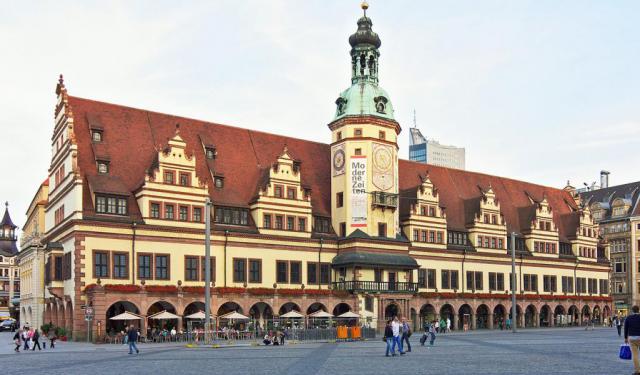
Explore Leipzig's Architectural Jewels on Foot
Anyone who has ever wanted to delve into Leipzig's history could hardly imagine doing so without exploring the local array of architectural jewels. Indeed, Leipzig boasts one of Germany's most beautiful collections of Renaissance buildings.
Our first point of interest lies in downtown Leipzig at the intersection of Katherine and Bruhl Streets. Here, the stunning Baroque-style Romanus... view more
Tour Duration: 1 Hour(s)
Travel Distance: 0.9 Km or 0.6 Miles
Our first point of interest lies in downtown Leipzig at the intersection of Katherine and Bruhl Streets. Here, the stunning Baroque-style Romanus... view more
Tour Duration: 1 Hour(s)
Travel Distance: 0.9 Km or 0.6 Miles