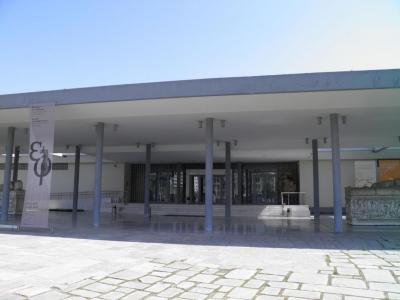


Archaeological Museum of Thessaloniki, Thessaloniki (must see)
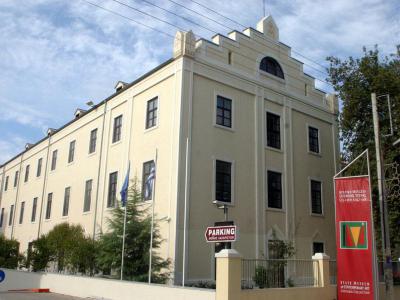
The Archaeological Museum of Thessaloniki, situated in Thessaloniki, is a significant institution dedicated to safeguarding and interpreting a wide range of artifacts spanning from the Prehistoric era to the Roman times. Its collections mainly focus on Thessaloniki and the broader region of Macedonia, providing valuable insights into the area's rich historical background.
Designed by Patroklos Karantinos, the museum's architecture reflects modern Greek architectural styles. Since its opening in 1962, the museum has undergone notable expansions, including the addition of a new wing in 1980 to exhibit findings from Vergina until 1997. Substantial renovations and reorganization of permanent exhibits were carried out in preparation for the 2004 Athens Olympics, further solidifying its role in cultural preservation and education.
The museum's main displays showcase archaeological discoveries from Thessaloniki and Macedonia as a whole. Particularly noteworthy is the new wing, featuring exhibitions such as "The Gold of Macedon" and "The Thessaloniki Area in Prehistory," which delve into ancient cemeteries and prehistoric settlements, providing insights into the culture and customs of the time.
Of central importance are the collections of sculptures from the Archaic to Late Roman periods found in Macedonia, which narrate the history of Thessaloniki and its surroundings from ancient times to Late Antiquity. Highlights include remnants of an Ionic temple from the 6th century BC, various sculptures, and artifacts from the palace complex of Galerius. Notable exhibits also include a reconstructed façade of a Macedonian tomb and discoveries from the Sindos cemetery, particularly gold artifacts from the Archaic and Classical periods.
In addition to its permanent collections, the Archaeological Museum hosts temporary and thematic exhibitions of significance. For instance, the "Coins of Macedonia from the 6th Century to 148 BC" exhibition in the Manolis Andronikos Room showcases the region's numismatic history.
The "Gold of Macedon" exhibition not only presents numerous finds from central Macedonia but also explores the historical significance of gold in culture, technology, and burial practices. Similarly, "The Thessaloniki in Prehistory" exhibition seeks to reconstruct the landscape of the Thermaic Gulf area before the establishment of Thessaloniki, drawing on excavations dating back to World War I and covering essential prehistoric settlements.
Designed by Patroklos Karantinos, the museum's architecture reflects modern Greek architectural styles. Since its opening in 1962, the museum has undergone notable expansions, including the addition of a new wing in 1980 to exhibit findings from Vergina until 1997. Substantial renovations and reorganization of permanent exhibits were carried out in preparation for the 2004 Athens Olympics, further solidifying its role in cultural preservation and education.
The museum's main displays showcase archaeological discoveries from Thessaloniki and Macedonia as a whole. Particularly noteworthy is the new wing, featuring exhibitions such as "The Gold of Macedon" and "The Thessaloniki Area in Prehistory," which delve into ancient cemeteries and prehistoric settlements, providing insights into the culture and customs of the time.
Of central importance are the collections of sculptures from the Archaic to Late Roman periods found in Macedonia, which narrate the history of Thessaloniki and its surroundings from ancient times to Late Antiquity. Highlights include remnants of an Ionic temple from the 6th century BC, various sculptures, and artifacts from the palace complex of Galerius. Notable exhibits also include a reconstructed façade of a Macedonian tomb and discoveries from the Sindos cemetery, particularly gold artifacts from the Archaic and Classical periods.
In addition to its permanent collections, the Archaeological Museum hosts temporary and thematic exhibitions of significance. For instance, the "Coins of Macedonia from the 6th Century to 148 BC" exhibition in the Manolis Andronikos Room showcases the region's numismatic history.
The "Gold of Macedon" exhibition not only presents numerous finds from central Macedonia but also explores the historical significance of gold in culture, technology, and burial practices. Similarly, "The Thessaloniki in Prehistory" exhibition seeks to reconstruct the landscape of the Thermaic Gulf area before the establishment of Thessaloniki, drawing on excavations dating back to World War I and covering essential prehistoric settlements.
Want to visit this sight? Check out these Self-Guided Walking Tours in Thessaloniki. Alternatively, you can download the mobile app "GPSmyCity: Walks in 1K+ Cities" from Apple App Store or Google Play Store. The app turns your mobile device to a personal tour guide and it works offline, so no data plan is needed when traveling abroad.
Download The GPSmyCity App



Archaeological Museum of Thessaloniki on Map
Sight Name: Archaeological Museum of Thessaloniki
Sight Location: Thessaloniki, Greece (See walking tours in Thessaloniki)
Sight Type: Museum/Gallery
Sight Location: Thessaloniki, Greece (See walking tours in Thessaloniki)
Sight Type: Museum/Gallery
Nearby Sights
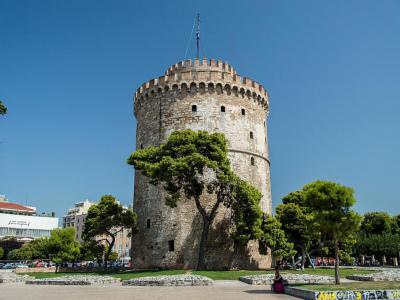
Walking Tours in Thessaloniki, Greece

Create Your Own Walk in Thessaloniki
Creating your own self-guided walk in Thessaloniki is easy and fun. Choose the city attractions that you want to see and a walk route map will be created just for you. You can even set your hotel as the start point of the walk.
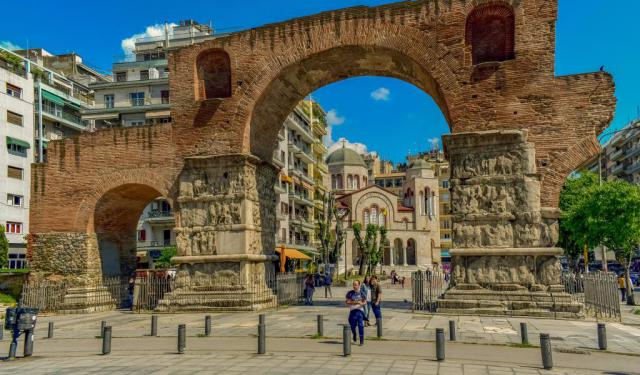
Thessaloniki Downtown Walking Tour
Thessaloniki has been shaped by layers of empire, trade, and migration for more than two millennia. It was founded in 315 BCE by Cassander, king of Macedon, who merged several smaller settlements around the Thermaic Gulf into a single city. He named it after his wife, Thessalonike, the half-sister of Alexander the Great. The name Thessalonikē combines Thessaloi and nikē, meaning victory,... view more
Tour Duration: 2 Hours
Travel Distance: 3.7 Km or 2.3 Miles
Tour Duration: 2 Hours
Travel Distance: 3.7 Km or 2.3 Miles
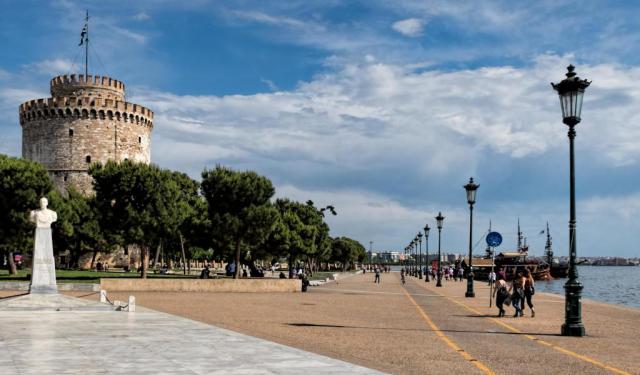
Thessaloniki Waterfront Tour
The Mediterranean has always been an integral part of Thessaloniki’s appeal. The city's orientation toward the sea is largely due to the vision of Ernest Hébrard, the French urban planner and architect, who redesigned the downtown area after the devastating fire of 1917.
To really get the taste of Thessaloniki you need to visit not just its historical landmarks, but also those spots... view more
Tour Duration: 1 Hour
Travel Distance: 2.6 Km or 1.6 Miles
To really get the taste of Thessaloniki you need to visit not just its historical landmarks, but also those spots... view more
Tour Duration: 1 Hour
Travel Distance: 2.6 Km or 1.6 Miles
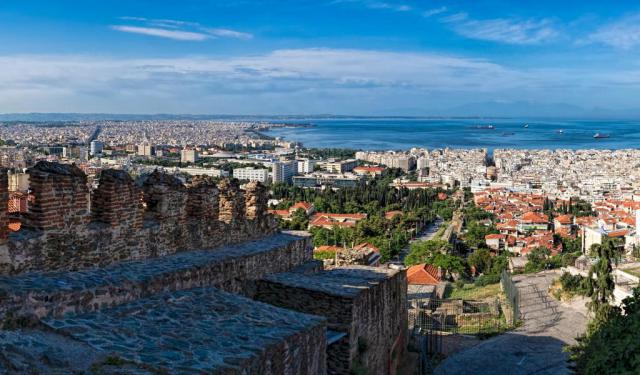
Thessaloniki Upper Town Walking Tour
Thessaloniki’s Upper Town, known locally as Ano Poli, which literally translates as “Upper City” is the city’s oldest continuously inhabited district and the only area to survive the Great Fire of 1917 largely intact. While the lower city was rebuilt along modern, planned lines in the early 20th century, Ano Poli retained its Byzantine street layout, Ottoman-era houses, and defensive... view more
Tour Duration: 2 Hours
Travel Distance: 4 Km or 2.5 Miles
Tour Duration: 2 Hours
Travel Distance: 4 Km or 2.5 Miles