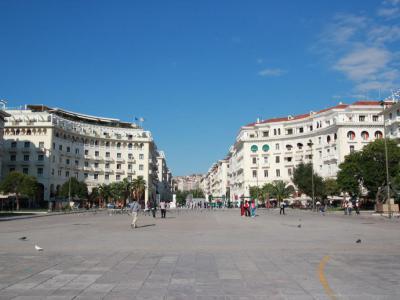


Aristotelous Square, Thessaloniki (must see)
It was August 1917. Greece had joined the Allied side in the Great War, and Thessaloniki was crowded with British and French troops, along with refugees from the collapsing Ottoman world across the Aegean Sea. In a small refugee house at Olympiados Street, a stray ember from a kitchen fire ignited stored straw. Fanned by strong winds, the flames spread rapidly. For two days, much of the city burned.
French architect Ernest Hébrard happened to be in Thessaloniki at the time. Prime Minister Eleftherios Venizelos immediately banned any ad-hoc rebuilding and ordered that reconstruction proceed only under a comprehensive modern plan. Hébrard was commissioned to redesign the devastated center. He proposed a city of broad avenues, generous public squares, and monumental facades drawing inspiration from Byzantine architecture. Among these new civic spaces was Alexander the Great Square, later renamed Aristotelous Square, designed as the city’s ceremonial heart.
A monumental axis was laid out from the sea-facing Aristotelous Square inland toward Dikastirion Square and the Roman Forum. Looking uphill from the square, toward the north, the line of the Byzantine city walls remains visible in the distance. Symbolism appears within the square itself: Aristotle sits casually in chiton and sandals near the eastern side of the square. If you stand facing inland, away from the sea, the statue will be to your right. Aristotle’s statue is a favorite local ritual; students polish the big toe of his left foot in hopes that some wisdom might rub off.
Today, Aristotelous Square functions as Thessaloniki’s principal gathering space, regularly hosting rallies, demonstrations, and major public celebrations, including Christmas and carnival events. If you stand facing inland, the western side of the square is dominated by the Electra Palace Hotel. Its symmetrical facade forms part of Hébrard’s original composition, while the Orizontes Roof Garden on the upper level opens southward toward the Thermaic Gulf.
Turn right and you'll see the Olympion Theatre on the eastern side of the square. It is a neoclassical cinema and one of the square’s key cultural landmarks. The building serves as the main venue of the Thessaloniki International Film Festival. During the festival, the square becomes an extension of the screenings themselves, filling with queues, conversations, and informal gatherings that spill directly into the surrounding streets.
French architect Ernest Hébrard happened to be in Thessaloniki at the time. Prime Minister Eleftherios Venizelos immediately banned any ad-hoc rebuilding and ordered that reconstruction proceed only under a comprehensive modern plan. Hébrard was commissioned to redesign the devastated center. He proposed a city of broad avenues, generous public squares, and monumental facades drawing inspiration from Byzantine architecture. Among these new civic spaces was Alexander the Great Square, later renamed Aristotelous Square, designed as the city’s ceremonial heart.
A monumental axis was laid out from the sea-facing Aristotelous Square inland toward Dikastirion Square and the Roman Forum. Looking uphill from the square, toward the north, the line of the Byzantine city walls remains visible in the distance. Symbolism appears within the square itself: Aristotle sits casually in chiton and sandals near the eastern side of the square. If you stand facing inland, away from the sea, the statue will be to your right. Aristotle’s statue is a favorite local ritual; students polish the big toe of his left foot in hopes that some wisdom might rub off.
Today, Aristotelous Square functions as Thessaloniki’s principal gathering space, regularly hosting rallies, demonstrations, and major public celebrations, including Christmas and carnival events. If you stand facing inland, the western side of the square is dominated by the Electra Palace Hotel. Its symmetrical facade forms part of Hébrard’s original composition, while the Orizontes Roof Garden on the upper level opens southward toward the Thermaic Gulf.
Turn right and you'll see the Olympion Theatre on the eastern side of the square. It is a neoclassical cinema and one of the square’s key cultural landmarks. The building serves as the main venue of the Thessaloniki International Film Festival. During the festival, the square becomes an extension of the screenings themselves, filling with queues, conversations, and informal gatherings that spill directly into the surrounding streets.
Want to visit this sight? Check out these Self-Guided Walking Tours in Thessaloniki. Alternatively, you can download the mobile app "GPSmyCity: Walks in 1K+ Cities" from Apple App Store or Google Play Store. The app turns your mobile device to a personal tour guide and it works offline, so no data plan is needed when traveling abroad.
Download The GPSmyCity App



Aristotelous Square on Map
Sight Name: Aristotelous Square
Sight Location: Thessaloniki, Greece (See walking tours in Thessaloniki)
Sight Type: Attraction/Landmark
Guide(s) Containing This Sight:
Sight Location: Thessaloniki, Greece (See walking tours in Thessaloniki)
Sight Type: Attraction/Landmark
Guide(s) Containing This Sight:
Nearby Sights
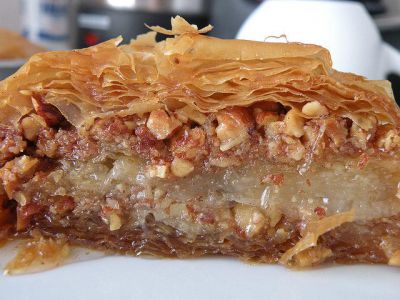
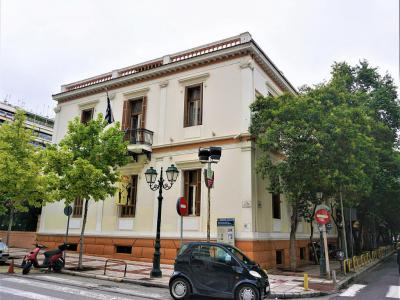
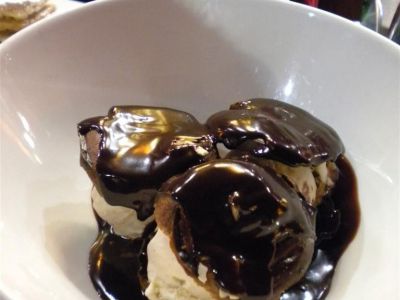
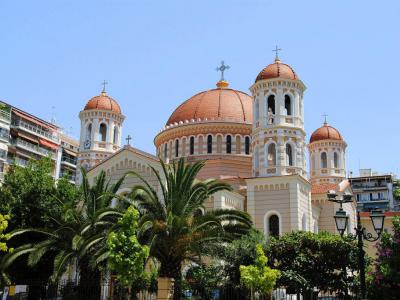
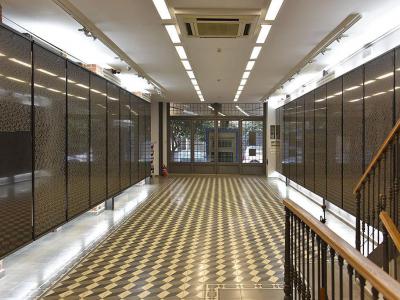
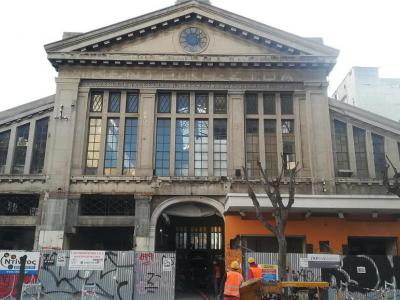
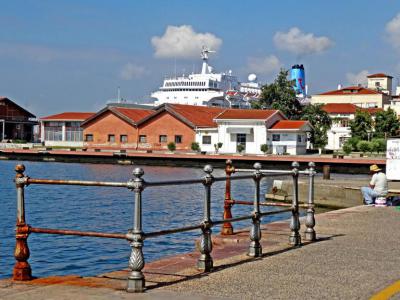
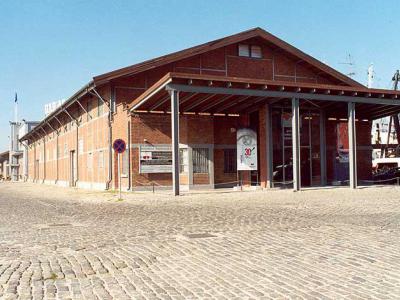
Walking Tours in Thessaloniki, Greece

Create Your Own Walk in Thessaloniki
Creating your own self-guided walk in Thessaloniki is easy and fun. Choose the city attractions that you want to see and a walk route map will be created just for you. You can even set your hotel as the start point of the walk.
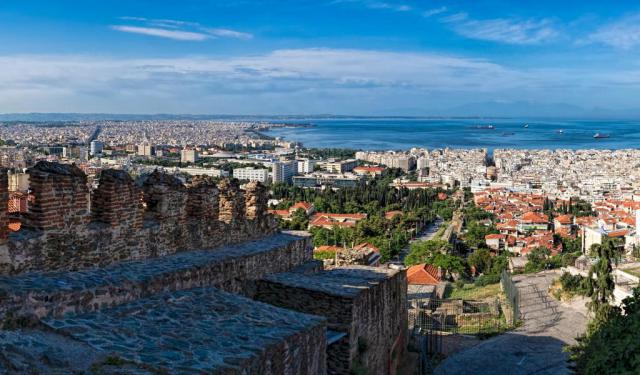
Thessaloniki Upper Town Walking Tour
Thessaloniki’s Upper Town, known locally as Ano Poli, which literally translates as “Upper City” is the city’s oldest continuously inhabited district and the only area to survive the Great Fire of 1917 largely intact. While the lower city was rebuilt along modern, planned lines in the early 20th century, Ano Poli retained its Byzantine street layout, Ottoman-era houses, and defensive... view more
Tour Duration: 2 Hour(s)
Travel Distance: 4.0 Km or 2.5 Miles
Tour Duration: 2 Hour(s)
Travel Distance: 4.0 Km or 2.5 Miles
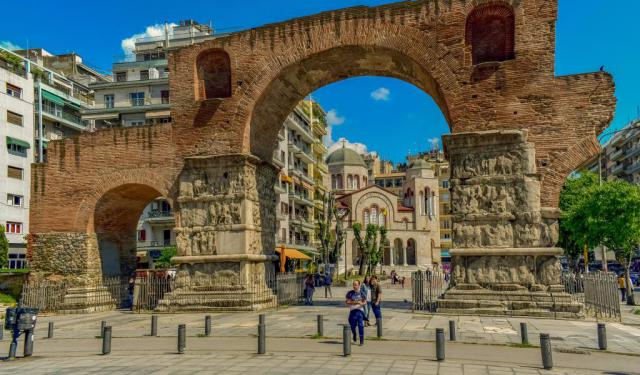
Thessaloniki Downtown Walking Tour
Thessaloniki has been shaped by layers of empire, trade, and migration for more than two millennia. It was founded in 315 BCE by Cassander, king of Macedon, who merged several smaller settlements around the Thermaic Gulf into a single city. He named it after his wife, Thessalonike, the half-sister of Alexander the Great. The name Thessalonikē combines Thessaloi and nikē, meaning victory,... view more
Tour Duration: 2 Hour(s)
Travel Distance: 3.7 Km or 2.3 Miles
Tour Duration: 2 Hour(s)
Travel Distance: 3.7 Km or 2.3 Miles
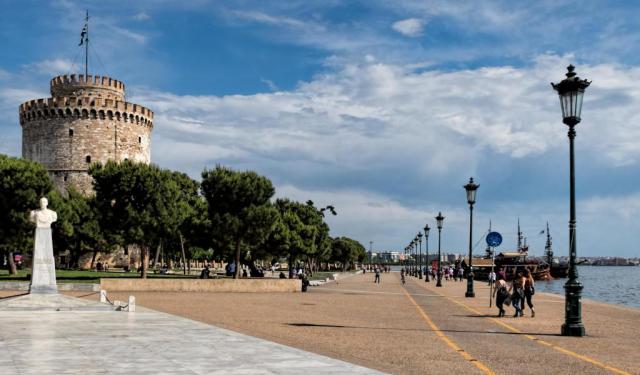
Thessaloniki Waterfront Tour
The Mediterranean has always been an integral part of Thessaloniki’s appeal. The city's orientation toward the sea is largely due to the vision of Ernest Hébrard, the French urban planner and architect, who redesigned the downtown area after the devastating fire of 1917.
To really get the taste of Thessaloniki you need to visit not just its historical landmarks, but also those spots... view more
Tour Duration: 1 Hour(s)
Travel Distance: 2.6 Km or 1.6 Miles
To really get the taste of Thessaloniki you need to visit not just its historical landmarks, but also those spots... view more
Tour Duration: 1 Hour(s)
Travel Distance: 2.6 Km or 1.6 Miles