

Barbados Museum & Historical Society, Bridgetown (must see)
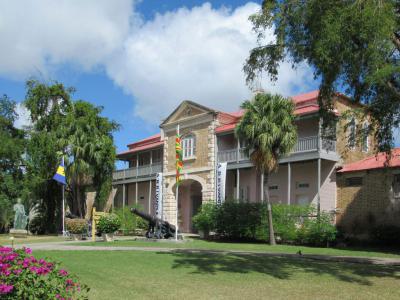
The Barbados Museum & Historical Society occupies the buildings of the former British Military Prison, constructed in 1818. The museum itself has been here since 1933.
Once inside, begin with the Jubilee Gallery, providing an overview of Barbados’ history. Follow the displays chronologically, starting with the island’s Indigenous inhabitants and continuing through European settlement, plantation society, slavery, Emancipation, and the years leading toward Independence.
From here, continue into the African Gallery, which focuses on African heritage and the experiences of people of African descent in Barbados.
Next, follow the museum signs to the Military Gallery. This section contains uniforms, weapons, medals, photographs, and objects associated with the West India Regiment and Barbados’ long military history.
Continue into the Warmington Gallery, which is easy to recognize by its reconstructed historic interiors. Walk through displays representing four rooms of a wealthy plantation household: a living room, dining room, nursery, and master bedroom. Among the highlights is a large West Indian mahogany four-poster bed dating from the 1830s.
Next, make your way to the Cunard Gallery, where paintings, prints, and other artworks provide another view of Barbados and the wider Caribbean.
For a change of pace, head on to the Harewood Gallery, devoted to the island’s natural environment. Look for colourful displays and dioramas illustrating Barbados’ coral reefs, marine life, mangroves, seagrasses, birds, and sea turtles.
If you're visiting with children, look for the Jairus Brewster Children’s Gallery, a more interactive space designed for younger visitors. One of the more family-oriented sections is Yesterday’s Children.
Also within the museum complex is the Shilstone Memorial Library. This is primarily a research facility rather than a conventional museum gallery, with historical maps, manuscripts, books, and genealogical material relating to Barbados and the wider Caribbean.
The museum is also responsible for the Newton Slave Burial Ground, but don't look for it within the Garrison complex. This is a separate historical site, located several kilometers to the east, near Newton in Christ Church. Acquired by the museum in 1993, the burial ground preserves the remains of enslaved people who lived and worked on the former Newton plantation.
Together with the surrounding Garrison, the museum offers a useful starting point for understanding both Barbados’ colonial history and the broader story of the island and its people.
Once inside, begin with the Jubilee Gallery, providing an overview of Barbados’ history. Follow the displays chronologically, starting with the island’s Indigenous inhabitants and continuing through European settlement, plantation society, slavery, Emancipation, and the years leading toward Independence.
From here, continue into the African Gallery, which focuses on African heritage and the experiences of people of African descent in Barbados.
Next, follow the museum signs to the Military Gallery. This section contains uniforms, weapons, medals, photographs, and objects associated with the West India Regiment and Barbados’ long military history.
Continue into the Warmington Gallery, which is easy to recognize by its reconstructed historic interiors. Walk through displays representing four rooms of a wealthy plantation household: a living room, dining room, nursery, and master bedroom. Among the highlights is a large West Indian mahogany four-poster bed dating from the 1830s.
Next, make your way to the Cunard Gallery, where paintings, prints, and other artworks provide another view of Barbados and the wider Caribbean.
For a change of pace, head on to the Harewood Gallery, devoted to the island’s natural environment. Look for colourful displays and dioramas illustrating Barbados’ coral reefs, marine life, mangroves, seagrasses, birds, and sea turtles.
If you're visiting with children, look for the Jairus Brewster Children’s Gallery, a more interactive space designed for younger visitors. One of the more family-oriented sections is Yesterday’s Children.
Also within the museum complex is the Shilstone Memorial Library. This is primarily a research facility rather than a conventional museum gallery, with historical maps, manuscripts, books, and genealogical material relating to Barbados and the wider Caribbean.
The museum is also responsible for the Newton Slave Burial Ground, but don't look for it within the Garrison complex. This is a separate historical site, located several kilometers to the east, near Newton in Christ Church. Acquired by the museum in 1993, the burial ground preserves the remains of enslaved people who lived and worked on the former Newton plantation.
Together with the surrounding Garrison, the museum offers a useful starting point for understanding both Barbados’ colonial history and the broader story of the island and its people.
Want to visit this sight? Check out these Self-Guided Walking Tours in Bridgetown. Alternatively, you can download the mobile app "GPSmyCity: Walks in 1K+ Cities" from Apple App Store or Google Play Store. The app turns your mobile device to a personal tour guide and it works offline, so no data plan is needed when traveling abroad.
Download The GPSmyCity App



Barbados Museum & Historical Society on Map
Sight Name: Barbados Museum & Historical Society
Sight Location: Bridgetown, Barbados (See walking tours in Bridgetown)
Sight Type: Museum/Gallery
Guide(s) Containing This Sight:
Sight Location: Bridgetown, Barbados (See walking tours in Bridgetown)
Sight Type: Museum/Gallery
Guide(s) Containing This Sight:
Nearby Sights
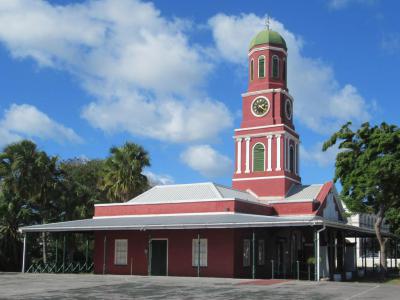
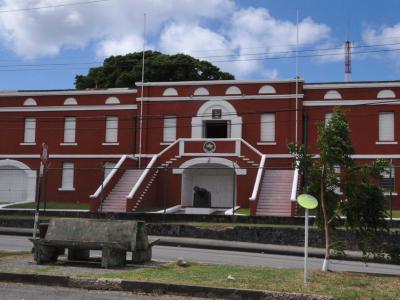
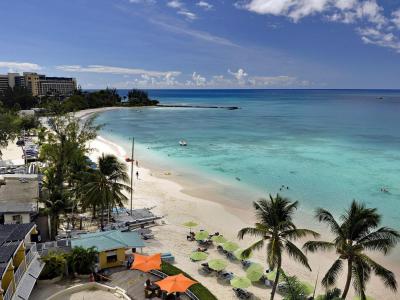
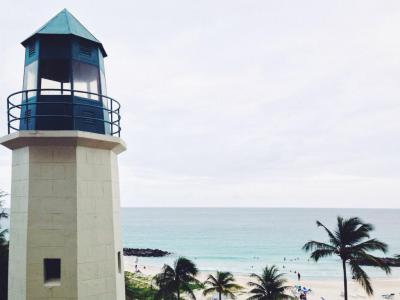
Walking Tours in Bridgetown, Barbados

Create Your Own Walk in Bridgetown
Creating your own self-guided walk in Bridgetown is easy and fun. Choose the city attractions that you want to see and a walk route map will be created just for you. You can even set your hotel as the start point of the walk.
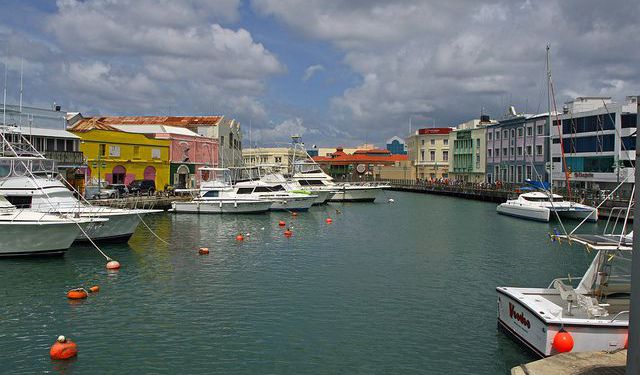
Bridgetown City Center Walking Tour
Bridgetown is the largest city on the island of Barbados. It was founded on the shores of Carlisle Bay, a cove on the southwest coast. The harbor is the natural location for ships to anchor, and Barbados is one of the first landfall points after crossing the Atlantic from Europe.
Originally, the island of Barbados was visited by various Amerindian tribes. Evidence has shown that permanent... view more
Tour Duration: 1 Hour
Travel Distance: 1.7 Km or 1.1 Miles
Originally, the island of Barbados was visited by various Amerindian tribes. Evidence has shown that permanent... view more
Tour Duration: 1 Hour
Travel Distance: 1.7 Km or 1.1 Miles
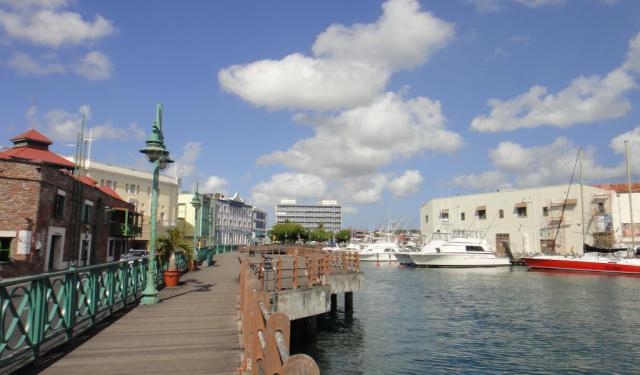
Bridgetown's Garrison Historic Area Walking Tour
St. Ann's Garrison, more commonly known simply as "The Garrison", is a small district in Barbados situated some 2 miles south of Heroes Square in the capital-city of Bridgetown.
This historic area is dominated by a horse racetrack, located on the 30 acre parade ground called the Garrison Savannah. Here, in the mid 18th century, wealthy prominent Barbadians and regiment troops... view more
Tour Duration: 1 Hour
Travel Distance: 1.7 Km or 1.1 Miles
This historic area is dominated by a horse racetrack, located on the 30 acre parade ground called the Garrison Savannah. Here, in the mid 18th century, wealthy prominent Barbadians and regiment troops... view more
Tour Duration: 1 Hour
Travel Distance: 1.7 Km or 1.1 Miles