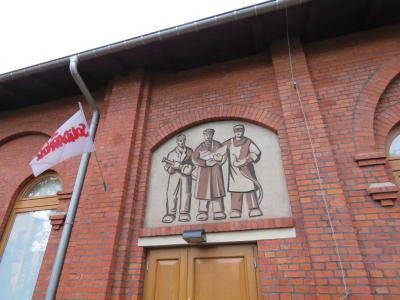


BHP Hall, Gdansk
BHP Hall holds a significant place in history as the location where the pivotal Gdansk Agreements were reached on August 31, 1980. These agreements laid the foundation for the emergence of the independent and self-governing Solidarity movement in Poland.
This imposing structure was built at the beginning of the 20th century as part of what was then known as the Imperial Shipyard of Danzig. Completed in 1902, it consists of a two-story administrative section and a ground-level storage area. Today, the historic Great Hall is located within the former storage area.
Originally, the facility served the military needs of Prussia and later the Third Reich, primarily as a storage and assembly site for torpedoes used in warships. Because of this original function, it is also referred to as the Gdansk Shipyard Torpedo Hall, and a historical inscription to that effect can be seen on the northeast façade.
Military production at the site came to an end in the spring of 1945. After a tragic fire on December 13, 1961, in which 22 workers lost their lives, the building was repurposed for occupational safety training and was subsequently named BHP Hall. In 1979, a conference hall and museum were established within the premises.
Inside the museum, visitors can see the carefully preserved presidium table, made up of several smaller tables measuring 200 by 88 centimeters each. These tables were crafted in the carpentry workshop of the Gdansk Shipyard and were used during meetings of the Inter-Enterprise Strike Committee. The museum also features an exhibition titled “Solidarity: Ways to the Agreement.”
This imposing structure was built at the beginning of the 20th century as part of what was then known as the Imperial Shipyard of Danzig. Completed in 1902, it consists of a two-story administrative section and a ground-level storage area. Today, the historic Great Hall is located within the former storage area.
Originally, the facility served the military needs of Prussia and later the Third Reich, primarily as a storage and assembly site for torpedoes used in warships. Because of this original function, it is also referred to as the Gdansk Shipyard Torpedo Hall, and a historical inscription to that effect can be seen on the northeast façade.
Military production at the site came to an end in the spring of 1945. After a tragic fire on December 13, 1961, in which 22 workers lost their lives, the building was repurposed for occupational safety training and was subsequently named BHP Hall. In 1979, a conference hall and museum were established within the premises.
Inside the museum, visitors can see the carefully preserved presidium table, made up of several smaller tables measuring 200 by 88 centimeters each. These tables were crafted in the carpentry workshop of the Gdansk Shipyard and were used during meetings of the Inter-Enterprise Strike Committee. The museum also features an exhibition titled “Solidarity: Ways to the Agreement.”
Want to visit this sight? Check out these Self-Guided Walking Tours in Gdansk. Alternatively, you can download the mobile app "GPSmyCity: Walks in 1K+ Cities" from Apple App Store or Google Play Store. The app turns your mobile device to a personal tour guide and it works offline, so no data plan is needed when traveling abroad.
Download The GPSmyCity App



BHP Hall on Map
Sight Name: BHP Hall
Sight Location: Gdansk, Poland (See walking tours in Gdansk)
Sight Type: Attraction/Landmark
Guide(s) Containing This Sight:
Sight Location: Gdansk, Poland (See walking tours in Gdansk)
Sight Type: Attraction/Landmark
Guide(s) Containing This Sight:
Nearby Sights

Walking Tours in Gdansk, Poland

Create Your Own Walk in Gdansk
Creating your own self-guided walk in Gdansk is easy and fun. Choose the city attractions that you want to see and a walk route map will be created just for you. You can even set your hotel as the start point of the walk.
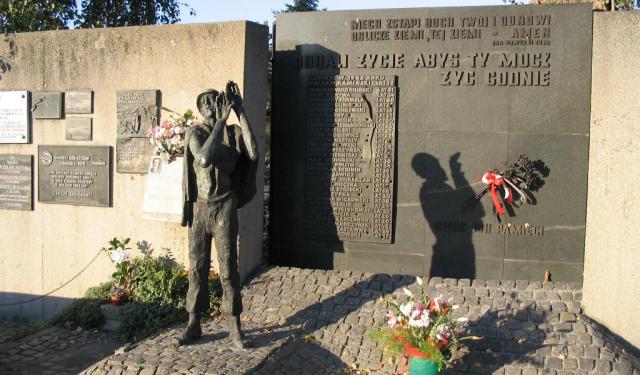
Solidarity Union Walking Tour
For decades, the word “Solidarity” has been synonymous with the city of Gdansk. The peaceful Solidarity revolution, started here in the August of 1980, marked the outset of the fall of communism not only in Poland but also throughout Eastern Europe.
Stemmed from the country's first free labor union born out of strikes at the Lenin Shipyard, now the Gdansk Shipyard,... view more
Tour Duration: 1 Hour(s)
Travel Distance: 0.8 Km or 0.5 Miles
Stemmed from the country's first free labor union born out of strikes at the Lenin Shipyard, now the Gdansk Shipyard,... view more
Tour Duration: 1 Hour(s)
Travel Distance: 0.8 Km or 0.5 Miles
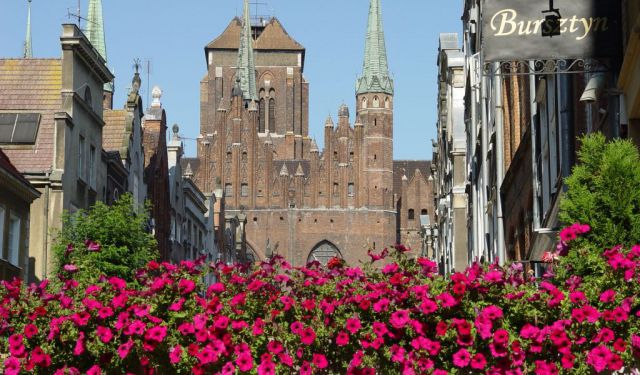
Gdansk's Historical Churches Tour
Gdansk has a long history of Catholicism, hence the abundance of spectacular churches here. Let's delve into some of the most impressive temples that grace the cityscape and see what they are.
Saint John's Church, a Gothic masterpiece, stands tall in the heart of Gdansk. It dates back to the 14th century and features impressive brickwork and intricate details. Its towering spire is a... view more
Tour Duration: 1 Hour(s)
Travel Distance: 1.6 Km or 1 Miles
Saint John's Church, a Gothic masterpiece, stands tall in the heart of Gdansk. It dates back to the 14th century and features impressive brickwork and intricate details. Its towering spire is a... view more
Tour Duration: 1 Hour(s)
Travel Distance: 1.6 Km or 1 Miles
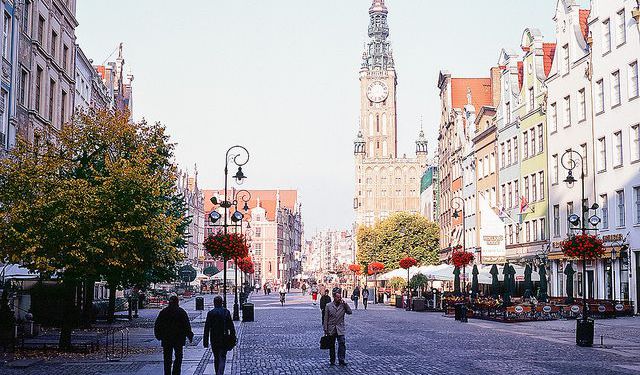
Gdansk Old Town Walking Tour
Standing between river and sea, Gdansk has spent a thousand years welcoming arrivals and surviving departures.
Where the Motława River meets the Baltic Sea, Gdansk has long stood at the crossroads of trade, politics, and culture. Its name is believed to derive from “Gdania”, an early name for the river flowing through the settlement, though some linguists connect it to old Slavic words... view more
Tour Duration: 2 Hour(s)
Travel Distance: 2.2 Km or 1.4 Miles
Where the Motława River meets the Baltic Sea, Gdansk has long stood at the crossroads of trade, politics, and culture. Its name is believed to derive from “Gdania”, an early name for the river flowing through the settlement, though some linguists connect it to old Slavic words... view more
Tour Duration: 2 Hour(s)
Travel Distance: 2.2 Km or 1.4 Miles