


Big Four Bridge, Louisville (must see)
The Big Four Bridge in Louisville is a historic six-span truss bridge that crosses the Ohio River, linking downtown Louisville with Jeffersonville, Indiana. Originally completed in 1895 to carry rail traffic for the Cleveland, Cincinnati, Chicago, and Saint Louis Railway-nicknamed the “Big Four Railroad”-the bridge played a vital role in transporting freight and passengers between Kentucky and Southern Indiana. It was rebuilt in 1929 on its original piers to accommodate heavier trains, a unique process at the time that allowed construction to proceed more efficiently. The bridge operated until 1968, and after the removal of its approach ramps in the 1970s, it earned the nickname “The Bridge That Goes Nowhere.”
Decades later, the bridge found new life through the Louisville Waterfront Master Plan, which reimagined the structure as a pedestrian and bicycle bridge. The Louisville ramp opened in 2013, followed by the Jeffersonville ramp in 2014, completing a scenic and functional crossing for non-motorized use. Measuring approximately half a mile across, with each ramp adding a quarter mile, the total walking or biking distance from one state to the other and back is about two miles-a popular route for exercise and sightseeing.
The Big Four Bridge is also known for its striking nighttime display, thanks to a programmable LED lighting system that wraps its iron framework in vibrant, shifting colors. These lights illuminate the structure from twilight until 1 a.m., transforming the bridge into a glowing landmark that symbolizes the city’s blend of historic preservation and modern vibrancy.
Today, the bridge is more than just a river crossing-it's a destination in its own right, drawing around 1.5 million pedestrians and cyclists each year. Whether for a scenic stroll, a jog, or a view of the river and skyline, the Big Four Bridge offers a memorable experience at the heart of Louisville’s waterfront.
Decades later, the bridge found new life through the Louisville Waterfront Master Plan, which reimagined the structure as a pedestrian and bicycle bridge. The Louisville ramp opened in 2013, followed by the Jeffersonville ramp in 2014, completing a scenic and functional crossing for non-motorized use. Measuring approximately half a mile across, with each ramp adding a quarter mile, the total walking or biking distance from one state to the other and back is about two miles-a popular route for exercise and sightseeing.
The Big Four Bridge is also known for its striking nighttime display, thanks to a programmable LED lighting system that wraps its iron framework in vibrant, shifting colors. These lights illuminate the structure from twilight until 1 a.m., transforming the bridge into a glowing landmark that symbolizes the city’s blend of historic preservation and modern vibrancy.
Today, the bridge is more than just a river crossing-it's a destination in its own right, drawing around 1.5 million pedestrians and cyclists each year. Whether for a scenic stroll, a jog, or a view of the river and skyline, the Big Four Bridge offers a memorable experience at the heart of Louisville’s waterfront.
Want to visit this sight? Check out these Self-Guided Walking Tours in Louisville. Alternatively, you can download the mobile app "GPSmyCity: Walks in 1K+ Cities" from Apple App Store or Google Play Store. The app turns your mobile device to a personal tour guide and it works offline, so no data plan is needed when traveling abroad.
Download The GPSmyCity App



Big Four Bridge on Map
Sight Name: Big Four Bridge
Sight Location: Louisville, USA (See walking tours in Louisville)
Sight Type: Attraction/Landmark
Sight Location: Louisville, USA (See walking tours in Louisville)
Sight Type: Attraction/Landmark
Nearby Sights


Walking Tours in Louisville, Kentucky

Create Your Own Walk in Louisville
Creating your own self-guided walk in Louisville is easy and fun. Choose the city attractions that you want to see and a walk route map will be created just for you. You can even set your hotel as the start point of the walk.
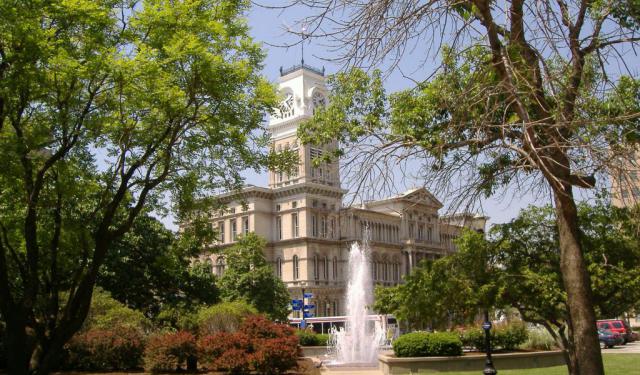
Louisville Downtown Walking Tour
Poised on the banks of the Ohio River, Kentucky's largest city Louisville blends small-town charm with urban sophistication. The first European settlement in the vicinity of modern-day Louisville was on Corn Island, established in 1778 by Col. George Rogers Clark, credited as the founder of the city. Two years later, the Virginia General Assembly approved the town charter of Louisville. The... view more
Tour Duration: 2 Hour(s)
Travel Distance: 4.5 Km or 2.8 Miles
Tour Duration: 2 Hour(s)
Travel Distance: 4.5 Km or 2.8 Miles
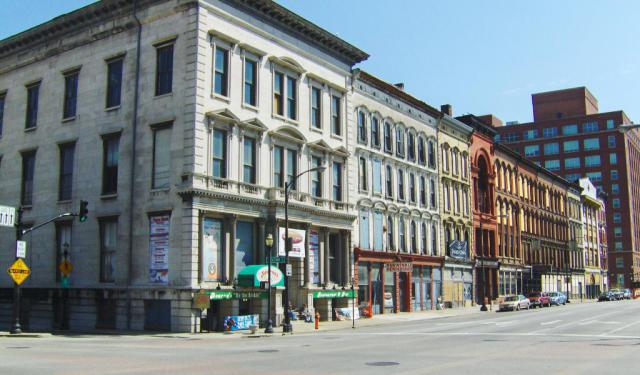
Louisville Architecture Walking Tour
Louisville, Kentucky, is famous for its architectural marvels, featuring a combination of styles and eras, sizes and artistic directions, adding a great deal of uniqueness to the city panorama. Architecture buffs will be delighted at a chance to admire the elaborate edifices abounding the city.
One such iconic spot is Whiskey Row. Once a bustling hub of the local bourbon industry, it has been... view more
Tour Duration: 2 Hour(s)
Travel Distance: 2.8 Km or 1.7 Miles
One such iconic spot is Whiskey Row. Once a bustling hub of the local bourbon industry, it has been... view more
Tour Duration: 2 Hour(s)
Travel Distance: 2.8 Km or 1.7 Miles
Historical Old Louisville Walking Tour
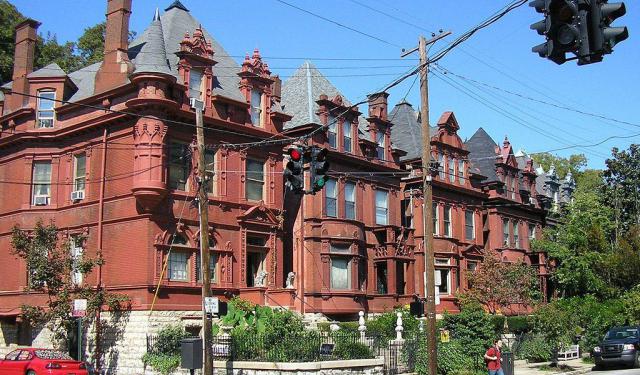
The third largest urban district in the United States and the country's largest preservation district of Victorian-era buildings, the Old Town of Louisville is an ideal area in which to travel through the city's history. It is here that Louisville's oldest and most peculiar houses and other reminders of the past are concentrated, featuring a wealth of architectural styles.
... view more
Tour Duration: 1 Hour(s)
Travel Distance: 2.2 Km or 1.4 Miles
... view more
Tour Duration: 1 Hour(s)
Travel Distance: 2.2 Km or 1.4 Miles