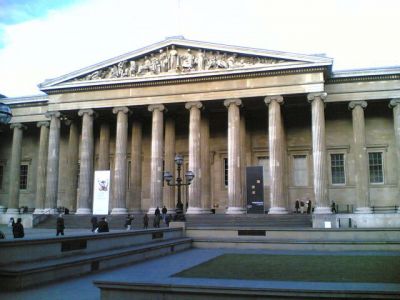


British Museum, London (must see)
Spanning several miles of galleries and featuring around 80,000 exhibits, the British Museum stands as one of the most comprehensive displays of human culture and history globally. Under its roof, it houses one of the largest collections of antiquities, prints, and drawings, with over 8,000,000 objects and a continuously expanding inventory. Its unparalleled assortment of Roman and Greek art, exceptional Egyptian collection, and captivating treasures from Africa, China, Japan, India, Mesopotamia, Anglo-Saxon, and Roman Britain make it an extraordinary institution.
From a certain perspective, the British Museum represents a repository of artifacts acquired during the peak of the British Empire's influence, often seen as a collection of "plundered goods". The most famous example of this is Lord Elgin's removal of the Elgin Marbles, but numerous other instances of sporadic looting throughout the empire's territories also contributed to the museum's holdings. Additionally, the museum commissioned archaeologists to excavate and acquire classical artifacts.
The museum's origins trace back to the 71,000 curiosities amassed by Hans Sloane, a Chelsea physician. Sloane bequeathed this collection to George II in 1753 for £20,000. When the king couldn't or wouldn't pay, the government reluctantly purchased the collection, establishing the world's first public secular museum, initially housed in a mansion funded by a controversial public lottery. As the collection expanded, a grander space became necessary, resulting in the impressive Greek Revival building that still graces London today. This building, designed by Robert Smirke in the 1820s, features a majestic Ionic colonnade and portico.
Visitors to the British Museum should be prepared for crowds, especially on weekends, as it is a far cry from its modest beginnings. In its early days, the museum was open for just three hours a day, entry required a written application, and tickets were limited to ten per hour for "any person of decent appearance". Today, it can be overwhelming even for the most devoted museum enthusiasts. To make the most of a visit, it is advisable to focus on specific areas of interest, explore the highlights, or participate in one of the museum's excellent free guided tours of individual rooms.
Why You Should Visit:
Home of the Rosetta Stone, ancient Egyptian artifacts, Roman statuary and much, much more.
Tips:
Arriving early is a wise strategy to avoid the crowds.
There are two entrances: the primary entrance at the front, and a secondary one at the rear, which tends to have fewer visitors.
Visiting the exhibits inside the museum requires an admission fee, but entry to the museum itself is free of charge.
From a certain perspective, the British Museum represents a repository of artifacts acquired during the peak of the British Empire's influence, often seen as a collection of "plundered goods". The most famous example of this is Lord Elgin's removal of the Elgin Marbles, but numerous other instances of sporadic looting throughout the empire's territories also contributed to the museum's holdings. Additionally, the museum commissioned archaeologists to excavate and acquire classical artifacts.
The museum's origins trace back to the 71,000 curiosities amassed by Hans Sloane, a Chelsea physician. Sloane bequeathed this collection to George II in 1753 for £20,000. When the king couldn't or wouldn't pay, the government reluctantly purchased the collection, establishing the world's first public secular museum, initially housed in a mansion funded by a controversial public lottery. As the collection expanded, a grander space became necessary, resulting in the impressive Greek Revival building that still graces London today. This building, designed by Robert Smirke in the 1820s, features a majestic Ionic colonnade and portico.
Visitors to the British Museum should be prepared for crowds, especially on weekends, as it is a far cry from its modest beginnings. In its early days, the museum was open for just three hours a day, entry required a written application, and tickets were limited to ten per hour for "any person of decent appearance". Today, it can be overwhelming even for the most devoted museum enthusiasts. To make the most of a visit, it is advisable to focus on specific areas of interest, explore the highlights, or participate in one of the museum's excellent free guided tours of individual rooms.
Why You Should Visit:
Home of the Rosetta Stone, ancient Egyptian artifacts, Roman statuary and much, much more.
Tips:
Arriving early is a wise strategy to avoid the crowds.
There are two entrances: the primary entrance at the front, and a secondary one at the rear, which tends to have fewer visitors.
Visiting the exhibits inside the museum requires an admission fee, but entry to the museum itself is free of charge.
Want to visit this sight? Check out these Self-Guided Walking Tours in London. Alternatively, you can download the mobile app "GPSmyCity: Walks in 1K+ Cities" from Apple App Store or Google Play Store. The app turns your mobile device to a personal tour guide and it works offline, so no data plan is needed when traveling abroad.
Download The GPSmyCity App



British Museum on Map
Sight Name: British Museum
Sight Location: London, England (See walking tours in London)
Sight Type: Museum/Gallery
Sight Location: London, England (See walking tours in London)
Sight Type: Museum/Gallery
Nearby Sights
Walking Tours in London, England

Create Your Own Walk in London
Creating your own self-guided walk in London is easy and fun. Choose the city attractions that you want to see and a walk route map will be created just for you. You can even set your hotel as the start point of the walk.
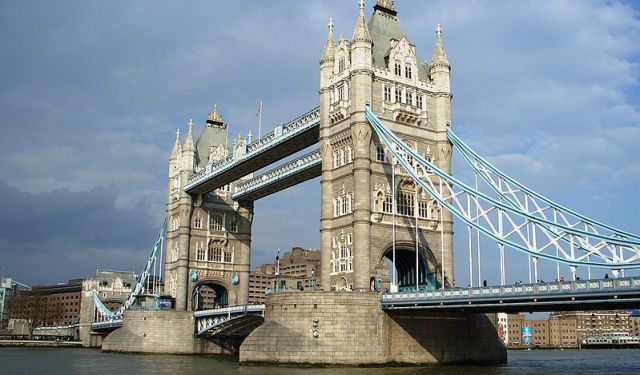
City of London Walking Tour
The City of London, often referred to simply as the City (with the capital C), is the historic and financial core of the British capital. Despite being just over one square mile in area (for which reason it is also lovingly dubbed the Square Mile), it holds immense importance as the original site of Londinium, the Roman settlement founded circa 43 AD. Over the centuries, this small patch of land... view more
Tour Duration: 3 Hours
Travel Distance: 4.6 Km or 2.9 Miles
Tour Duration: 3 Hours
Travel Distance: 4.6 Km or 2.9 Miles
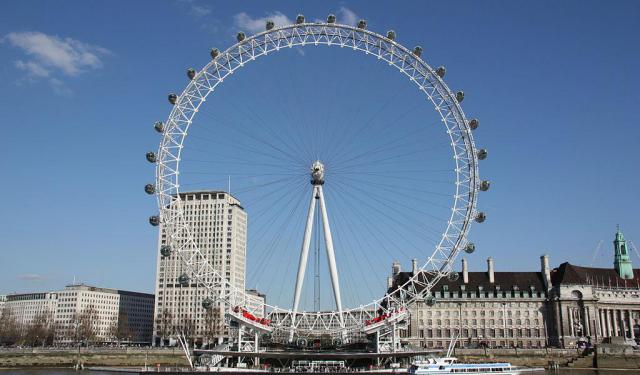
South Bank Walking Tour
London’s South Bank, stretching along the southern side of the River Thames, roughly between Westminster Bridge and Tower Bridge, is one of the most interesting and liveliest parts of the British capital. Here, London’s old soul and modern edge shake hands... and then probably go grab a pint together. Famous for its arts, culture, food, and scenic riverside walks, the area has a long and... view more
Tour Duration: 3 Hours
Travel Distance: 4.8 Km or 3 Miles
Tour Duration: 3 Hours
Travel Distance: 4.8 Km or 3 Miles
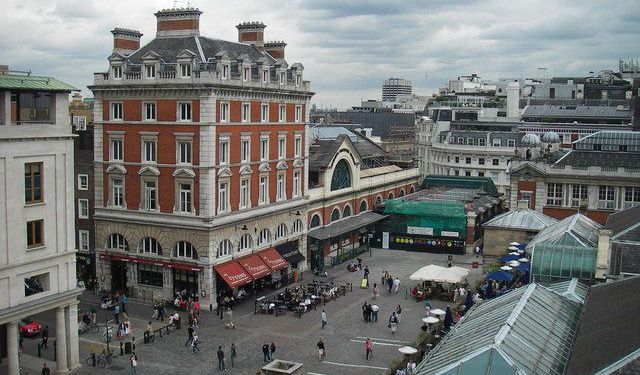
Covent Garden Walking Tour
A shopping and entertainment hub on the eastern fringes of London's West End, Covent Garden is a district historically associated with the former fruit-and-vegetable market - currently a shopping spot popular with locals and tourists alike.
Once a slum area, today the north of the district is given over to independent shops centered on Neal's Yard and Seven Dials. Both places offer... view more
Tour Duration: 2 Hours
Travel Distance: 3 Km or 1.9 Miles
Once a slum area, today the north of the district is given over to independent shops centered on Neal's Yard and Seven Dials. Both places offer... view more
Tour Duration: 2 Hours
Travel Distance: 3 Km or 1.9 Miles

Harry Potter Walking Tour II
The Harry Potter movies and London go together like Butterbeer and a cold winter night at Hogsmeade. While much of the magical world was brought to life with computer-generated images and studio sets, quite a few iconic scenes were filmed right in the heart of the British capital, transforming ordinary city spots into wizarding landmarks. Here's a look at six more London locations where the... view more
Tour Duration: 2 Hours
Travel Distance: 4.1 Km or 2.5 Miles
Tour Duration: 2 Hours
Travel Distance: 4.1 Km or 2.5 Miles
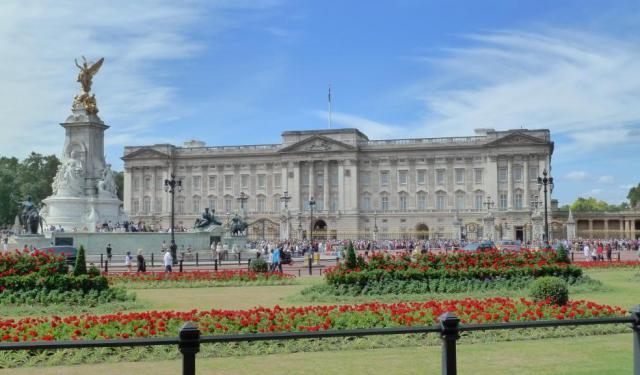
Walk around Buckingham Palace
Buckingham Palace, the British monarch's official residence, is a must-see for anyone visiting London, but so are the adjacent royal establishments that give a unique window into the royal way of life. On this self-guided walking tour, along with Buckingham Palace and its memorable fountain, you will visit the St. James's private royal residence, the wonderful Queen's Gallery, and... view more
Tour Duration: 1 Hour
Travel Distance: 2.3 Km or 1.4 Miles
Tour Duration: 1 Hour
Travel Distance: 2.3 Km or 1.4 Miles
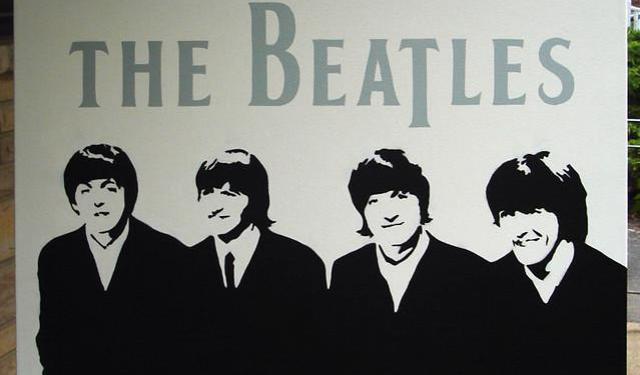
Beatles London Walking Tour
The Beatles, often hailed as one of the most influential bands in music history, began their journey in Liverpool in 1960, but it was in London that they truly became global icons. While Liverpool gave them their start, the British capital became their professional playground during the peak of Beatlemania. From recording sessions and business deals to public performances and personal milestones,... view more
Tour Duration: 3 Hours
Travel Distance: 4.8 Km or 3 Miles
Tour Duration: 3 Hours
Travel Distance: 4.8 Km or 3 Miles
Useful Travel Guides for Planning Your Trip

London Souvenirs: 18 Distinctively British Products for Travelers
Most visitors to London consider shopping as part of their must-do London experience. From street markets to Victorian arcades to snobbish Sloane Square to busy Oxford Street, there are a host of shops selling items which typically represent this vibrant city. Whether you are shopping for souvenirs...
City Walks Overview
