

Brühl, Leipzig
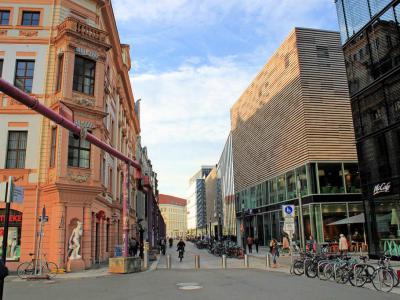
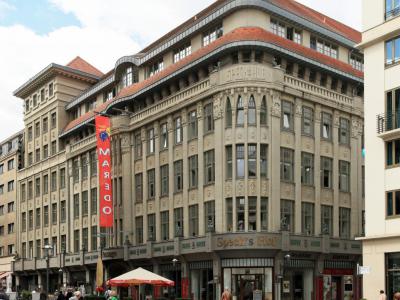
The Brühl is a historic street located in the center of Leipzig, Germany, just inside the former city wall. The name "Brühl" first appeared in Leipzig sources in 1420 and originally referred to marshy land, as "Bruel" means marsh. The area, prone to flooding from the nearby Parthe River, was gradually drained in the 13th and 14th centuries. Since the Middle Ages, the Brühl has been part of the Via Regia, a major trade route stretching from Merseburg to Meissen.
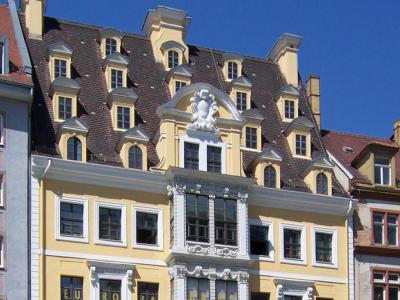
One notable building on the Brühl is the Romanus House, located at the corner of Brühl and Katharinenstrasse. Built between 1701 and 1704 for the mayor of Leipzig, it remains one of the city's finest Baroque structures. During the late 18th and early 19th centuries, the Brühl was part of Leipzig's Jewish quarter, with a synagogue established in 1763. The street was a popular lodging area for Jews attending the annual Leipzig Fair.
The Brühl gained international fame in the 19th and early 20th centuries as the epicenter of the global fur trade. In 1893, Chaim Eitingon, a prominent figure in the fur industry, opened a branch on the street. By the 1920s, the Brühl accounted for one-third of the world’s fur trade. However, in 1938, under the Nazi regime, the district’s businesses, many owned by Jews, were confiscated and forcibly transferred.
Today, the Brühl retains a mix of 19th-century and early 20th-century buildings, with most structures dating from the latter half of the 20th century. A notable modern feature is the Museum of the Visual Arts (Museum der bildenden Künste). Richard Wagner, the renowned composer, was born at no. 3 Brühl in 1813, in a building known as the 'House of the Red and White Lions'. This birthplace was demolished in 1886, replaced by a department store in 1908, and remodeled with a distinctive aluminum façade in 1968, earning it the nickname "Tin Can". The site, along with nearby buildings, was redeveloped in 2015 as the "Höfe am Brühl" shopping center, which retained part of the original façade and includes a memorial to Wagner. Streets and squares in the vicinity honor Wagner’s legacy, reflecting the Brühl's ongoing connection to the city's cultural heritage.
One notable building on the Brühl is the Romanus House, located at the corner of Brühl and Katharinenstrasse. Built between 1701 and 1704 for the mayor of Leipzig, it remains one of the city's finest Baroque structures. During the late 18th and early 19th centuries, the Brühl was part of Leipzig's Jewish quarter, with a synagogue established in 1763. The street was a popular lodging area for Jews attending the annual Leipzig Fair.
The Brühl gained international fame in the 19th and early 20th centuries as the epicenter of the global fur trade. In 1893, Chaim Eitingon, a prominent figure in the fur industry, opened a branch on the street. By the 1920s, the Brühl accounted for one-third of the world’s fur trade. However, in 1938, under the Nazi regime, the district’s businesses, many owned by Jews, were confiscated and forcibly transferred.
Today, the Brühl retains a mix of 19th-century and early 20th-century buildings, with most structures dating from the latter half of the 20th century. A notable modern feature is the Museum of the Visual Arts (Museum der bildenden Künste). Richard Wagner, the renowned composer, was born at no. 3 Brühl in 1813, in a building known as the 'House of the Red and White Lions'. This birthplace was demolished in 1886, replaced by a department store in 1908, and remodeled with a distinctive aluminum façade in 1968, earning it the nickname "Tin Can". The site, along with nearby buildings, was redeveloped in 2015 as the "Höfe am Brühl" shopping center, which retained part of the original façade and includes a memorial to Wagner. Streets and squares in the vicinity honor Wagner’s legacy, reflecting the Brühl's ongoing connection to the city's cultural heritage.
Want to visit this sight? Check out these Self-Guided Walking Tours in Leipzig. Alternatively, you can download the mobile app "GPSmyCity: Walks in 1K+ Cities" from Apple App Store or Google Play Store. The app turns your mobile device to a personal tour guide and it works offline, so no data plan is needed when traveling abroad.
Download The GPSmyCity App



Brühl on Map
Sight Name: Brühl
Sight Location: Leipzig, Germany (See walking tours in Leipzig)
Sight Type: Attraction/Landmark
Sight Location: Leipzig, Germany (See walking tours in Leipzig)
Sight Type: Attraction/Landmark
Nearby Sights
Walking Tours in Leipzig, Germany

Create Your Own Walk in Leipzig
Creating your own self-guided walk in Leipzig is easy and fun. Choose the city attractions that you want to see and a walk route map will be created just for you. You can even set your hotel as the start point of the walk.
A Walk on the Leipzig Music Trail
The spatial density of historic locations associated with music in Leipzig is truly mind-boggling. But then again, this is hardly surprising, given the eclectic score of musicians who had left their mark on the city in various years.
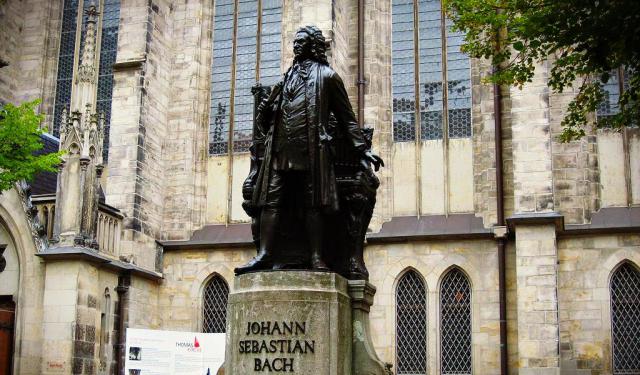
Indeed, it was in Leipzig that Johann Sebastian Bach served as an organist and choirmaster at Thomaskirche as well as a cantor at Nikolaikirche; composer Robert... view more
Tour Duration: 2 Hour(s)
Travel Distance: 3.2 Km or 2 Miles
Indeed, it was in Leipzig that Johann Sebastian Bach served as an organist and choirmaster at Thomaskirche as well as a cantor at Nikolaikirche; composer Robert... view more
Tour Duration: 2 Hour(s)
Travel Distance: 3.2 Km or 2 Miles
Explore Leipzig's Architectural Jewels on Foot
Anyone who has ever wanted to delve into Leipzig's history could hardly imagine doing so without exploring the local array of architectural jewels. Indeed, Leipzig boasts one of Germany's most beautiful collections of Renaissance buildings.
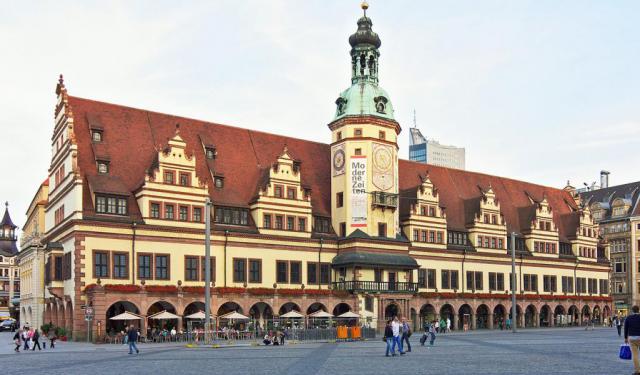
Our first point of interest lies in downtown Leipzig at the intersection of Katherine and Bruhl Streets. Here, the stunning Baroque-style Romanus... view more
Tour Duration: 1 Hour(s)
Travel Distance: 0.9 Km or 0.6 Miles
Our first point of interest lies in downtown Leipzig at the intersection of Katherine and Bruhl Streets. Here, the stunning Baroque-style Romanus... view more
Tour Duration: 1 Hour(s)
Travel Distance: 0.9 Km or 0.6 Miles
A Stroll Through Leipzig's Car-Free City Center
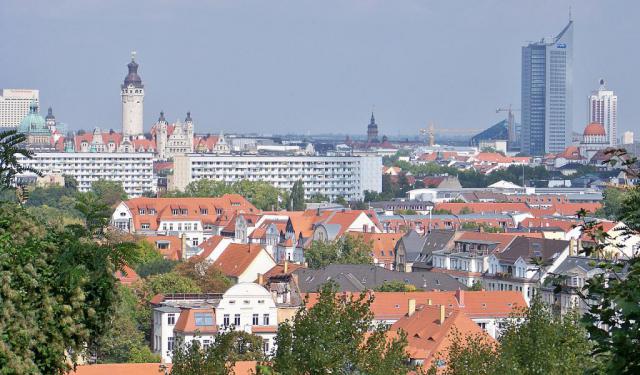
The name "Leipzig" may be derived from the Slavic word "Lipsk", meaning "linden trees place." The Nazi government renamed the city "Reichsmessestadt Leipzig" ("Reich Fair Trade City Leipzig"). In 1989, with the fall of communism, the city was "Hero City" - in recognition of the role that the Monday demonstrations there played in the fall... view more
Tour Duration: 1 Hour(s)
Travel Distance: 2.4 Km or 1.5 Miles
Tour Duration: 1 Hour(s)
Travel Distance: 2.4 Km or 1.5 Miles