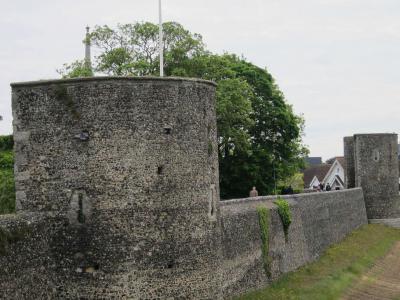


Canterbury City Walls, Canterbury
The Canterbury City Walls are a compelling reminder of the city’s turbulent past and its long-standing strategic importance. First constructed by the Romans around 270 CE, these defensive walls once encircled the entire city, safeguarding its vital roadways and institutions. Over the centuries, they were expanded, reinforced, and modified-particularly during the medieval period, when Canterbury became a major religious centre drawing pilgrims and monarchs alike. Today, fragments of both Roman and medieval masonry remain, offering a unique timeline in stone.
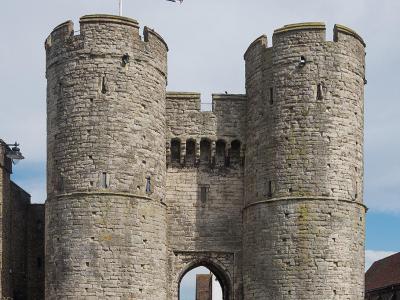
Walking along the surviving sections, visitors can see how the walls once functioned as part of a fortified circuit, complete with watchtowers, battlements, and city gates. The Westgate Tower, the largest and best-preserved of the city's medieval gates, still dominates the western entrance and now houses a small museum. Other portions, such as those near Dane John Gardens, reveal original Roman flintwork juxtaposed with later medieval repairs, giving a layered sense of history.
The walls not only protected Canterbury from invaders but also played a role in controlling trade and taxation, with gates serving as checkpoints. Though many sections were demolished or fell into disrepair during the 18th and 19th centuries, preservation efforts have safeguarded key areas for public appreciation. Today, walking the perimeter offers both historical insight and scenic views of gardens, cathedrals, and charming streets.
Whether you're a history enthusiast or a casual explorer, the Canterbury City Walls provide a tangible link to the city’s layered past-and a peaceful path through one of England’s most storied urban landscapes.
Walking along the surviving sections, visitors can see how the walls once functioned as part of a fortified circuit, complete with watchtowers, battlements, and city gates. The Westgate Tower, the largest and best-preserved of the city's medieval gates, still dominates the western entrance and now houses a small museum. Other portions, such as those near Dane John Gardens, reveal original Roman flintwork juxtaposed with later medieval repairs, giving a layered sense of history.
The walls not only protected Canterbury from invaders but also played a role in controlling trade and taxation, with gates serving as checkpoints. Though many sections were demolished or fell into disrepair during the 18th and 19th centuries, preservation efforts have safeguarded key areas for public appreciation. Today, walking the perimeter offers both historical insight and scenic views of gardens, cathedrals, and charming streets.
Whether you're a history enthusiast or a casual explorer, the Canterbury City Walls provide a tangible link to the city’s layered past-and a peaceful path through one of England’s most storied urban landscapes.
Want to visit this sight? Check out these Self-Guided Walking Tours in Canterbury. Alternatively, you can download the mobile app "GPSmyCity: Walks in 1K+ Cities" from Apple App Store or Google Play Store. The app turns your mobile device to a personal tour guide and it works offline, so no data plan is needed when traveling abroad.
Download The GPSmyCity App



Canterbury City Walls on Map
Sight Name: Canterbury City Walls
Sight Location: Canterbury, England (See walking tours in Canterbury)
Sight Type: Attraction/Landmark
Sight Location: Canterbury, England (See walking tours in Canterbury)
Sight Type: Attraction/Landmark
Nearby Sights


Walking Tours in Canterbury, England

Create Your Own Walk in Canterbury
Creating your own self-guided walk in Canterbury is easy and fun. Choose the city attractions that you want to see and a walk route map will be created just for you. You can even set your hotel as the start point of the walk.
Canterbury Introduction Walking Tour
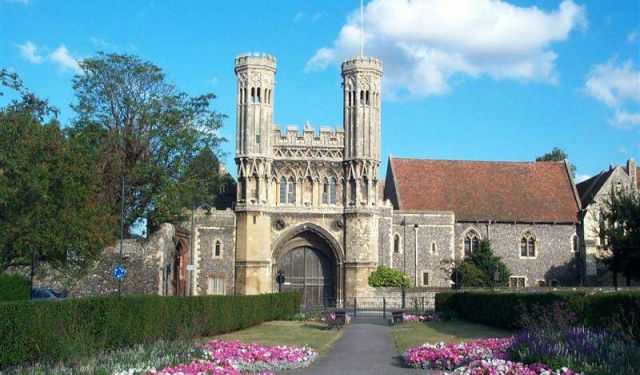
Canterbury is a UNESCO World Heritage City and one of the most visited cities in England. Canterbury has a long history and has been occupied since Paleolithic times. It was the capital of the Celtic Cantiaci, Romans settled the area for centuries, and the site was the capital of the Kingdom of Kent.
Saint Augustine arrived in Canterbury in 597 to convert the Anglo-Saxons to Christianity. The... view more
Tour Duration: 2 Hours
Travel Distance: 2.7 Km or 1.7 Miles
Saint Augustine arrived in Canterbury in 597 to convert the Anglo-Saxons to Christianity. The... view more
Tour Duration: 2 Hours
Travel Distance: 2.7 Km or 1.7 Miles
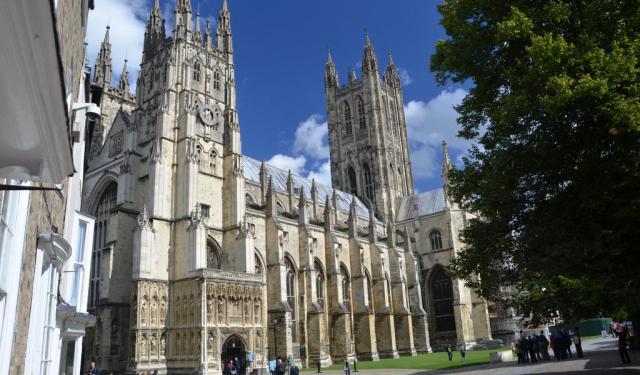
Canterbury Cathedral and Grounds
Canterbury Cathedral, one of the oldest churches that played a crucial role in English Christianity, stands within its own walled area, surrounded by Medieval buildings and ruins.
At the heart of this ensemble rises the cathedral itself, a magnificent example of medieval architecture and a UNESCO World Heritage Site. As you enter, you'll pass through the imposing Christ Church Gate, a... view more
Tour Duration: 1 Hour
Travel Distance: 0.8 Km or 0.5 Miles
At the heart of this ensemble rises the cathedral itself, a magnificent example of medieval architecture and a UNESCO World Heritage Site. As you enter, you'll pass through the imposing Christ Church Gate, a... view more
Tour Duration: 1 Hour
Travel Distance: 0.8 Km or 0.5 Miles
City Walks Overview
