

Carol Park, Bucharest
Carol Park (Parcul Carol I), perched on Filaret Hill in southern-central Bucharest, is a lush 36-45 hectare oasis lovingly fashioned between 1900 and 1906 to honor King Carol I’s 40-year reign. Designed by French landscape artist Édouard Redont-with scientific guidance from Constantin Istrati-the park’s original purpose was to host the grand 1906 Exhibition of Romanian arts and achievements. Its harmoniously blended French and English garden styles showcase more than 4,000 large trees, nearly 6,000 conifers, and more than 48,000 shrubs, all arrayed along a geometrically elegant central alley.
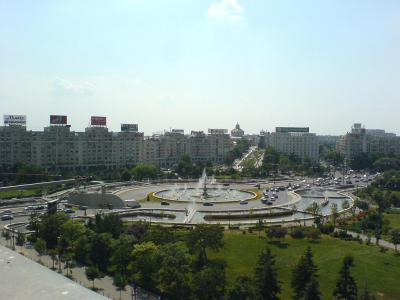
Visitors are welcomed by the Cantacuzino fountain and the whimsical Zodiac Fountain-initially installed in 1935 for the “Days of Bucharest” festival, later de-iconified under communism, and finally restored to its zodiacal glory. A gentle stroll around the central lake leads to notable landmarks: the open-air Arenele Romane concert venue, the Astronomical Institute, and the charming “Tepes Castle”-a neo-medieval water tower from the 1906 exhibition now serving as the veteran’s office.
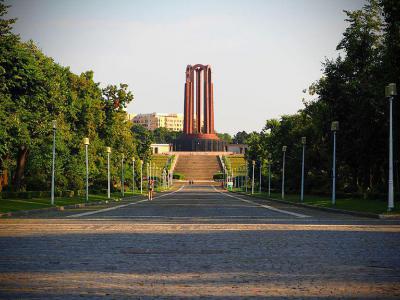
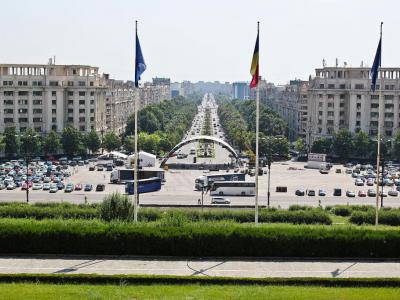
Dominating the skyline is the imposing Communist-era Mausoleum, built in 1963 atop the former Arts Palace site. Once the tomb of Romania’s communist leaders, it was repurposed after 1991 to house the Tomb of the Unknown Soldier, serving as a somber tribute to World War I heroes. Its massive granite arches and elevated position offer panoramic views of central Bucharest.
Today, Carol Park remains a vibrant mélange of history, culture, and nature-an inviting retreat for tourists and locals alike. Whether you're picnicking beneath centuries-old trees, attending a concert under the stars at Arenele Romane, or soaking in the solemnity of the Mausoleum, the park offers a unique cross-section of Romanian history-from monarchical pageantry through communist symbolism to modern remembrance.
Visitors are welcomed by the Cantacuzino fountain and the whimsical Zodiac Fountain-initially installed in 1935 for the “Days of Bucharest” festival, later de-iconified under communism, and finally restored to its zodiacal glory. A gentle stroll around the central lake leads to notable landmarks: the open-air Arenele Romane concert venue, the Astronomical Institute, and the charming “Tepes Castle”-a neo-medieval water tower from the 1906 exhibition now serving as the veteran’s office.
Dominating the skyline is the imposing Communist-era Mausoleum, built in 1963 atop the former Arts Palace site. Once the tomb of Romania’s communist leaders, it was repurposed after 1991 to house the Tomb of the Unknown Soldier, serving as a somber tribute to World War I heroes. Its massive granite arches and elevated position offer panoramic views of central Bucharest.
Today, Carol Park remains a vibrant mélange of history, culture, and nature-an inviting retreat for tourists and locals alike. Whether you're picnicking beneath centuries-old trees, attending a concert under the stars at Arenele Romane, or soaking in the solemnity of the Mausoleum, the park offers a unique cross-section of Romanian history-from monarchical pageantry through communist symbolism to modern remembrance.
Want to visit this sight? Check out these Self-Guided Walking Tours in Bucharest. Alternatively, you can download the mobile app "GPSmyCity: Walks in 1K+ Cities" from Apple App Store or Google Play Store. The app turns your mobile device to a personal tour guide and it works offline, so no data plan is needed when traveling abroad.
Download The GPSmyCity App



Carol Park on Map
Sight Name: Carol Park
Sight Location: Bucharest, Romania (See walking tours in Bucharest)
Sight Type: Attraction/Landmark
Sight Location: Bucharest, Romania (See walking tours in Bucharest)
Sight Type: Attraction/Landmark
Nearby Sights

Walking Tours in Bucharest, Romania

Create Your Own Walk in Bucharest
Creating your own self-guided walk in Bucharest is easy and fun. Choose the city attractions that you want to see and a walk route map will be created just for you. You can even set your hotel as the start point of the walk.
Bucharest Introduction Walking Tour
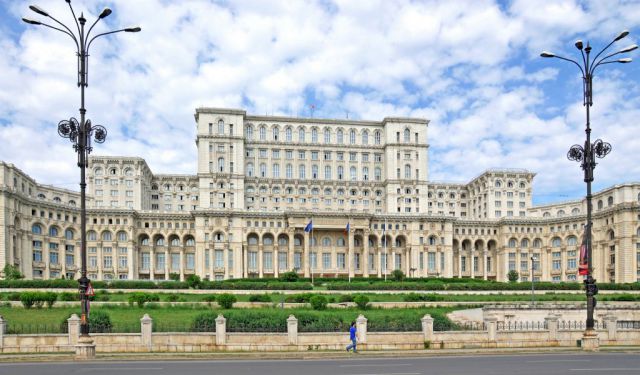
More than a century ago, Romanian playwright Ion Luca Caragiale jokingly called Bucharest “a little Paris.” Walk through the Romanian capital today, however, and you will discover that the comparison tells only part of its story.
The history of Bucharest is a story of princes, merchants, revolutions and repeated reinvention. Today the capital and cultural center of Romania, it is also one... view more
Tour Duration: 2 Hours
Travel Distance: 3.7 Km or 2.3 Miles
The history of Bucharest is a story of princes, merchants, revolutions and repeated reinvention. Today the capital and cultural center of Romania, it is also one... view more
Tour Duration: 2 Hours
Travel Distance: 3.7 Km or 2.3 Miles
Old Town Walking Tour
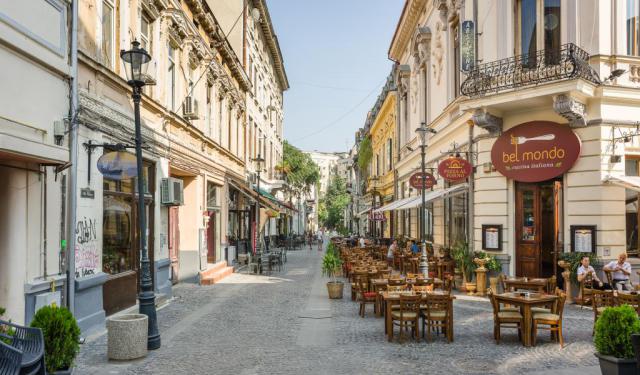
Long before its narrow streets filled with cafés, bars and restaurants, Bucharest’s Old Town grew in the shadow of a fortress associated with one of Europe’s most legendary rulers: Vlad the Impaler.
Bucharest’s Old Town preserves the historic core from which the Romanian capital developed. Today, it is one of Bucharest’s most popular and attractive districts, easily reached on foot... view more
Tour Duration: 2 Hours
Travel Distance: 1.9 Km or 1.2 Miles
Bucharest’s Old Town preserves the historic core from which the Romanian capital developed. Today, it is one of Bucharest’s most popular and attractive districts, easily reached on foot... view more
Tour Duration: 2 Hours
Travel Distance: 1.9 Km or 1.2 Miles
Useful Travel Guides for Planning Your Trip

16 Uniquely Romanian Things To Buy in Bucharest
Nicknamed "Little Paris", today's Bucharest is the capital of a vibrant European nation, known as Romania, with lots of history and great cultural heritage - spanning from centuries-old rural traditions to New Wave cinema. Keen on rustic stuff, Romanians carefully preserve their...
City Walks Overview
