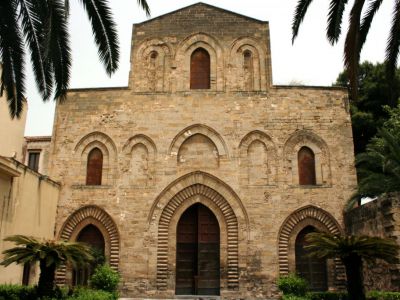


Chiesa di Ss. Trinità alla Magione (Church of the Holy Trinity of the Chancellor), Palermo
The Church of the Holy Trinity of the Chancellor, more commonly known as the Basilica of the Magione, stands as a historical and cultural landmark in Palermo. Nestled near the Kalsa district and facing the square that shares its name, this church holds a special place among Palermo's oldest religious structures. Its significance is further underscored by its unique dedication to the Holy Trinity, making it the only parish in Palermo with this particular dedication.
The basilica was founded in 1191 by Matteo d'Aiello, the chancellor of the Norman kingdom under William II of Altavilla, following the tenure of Stefano di Why. It was built alongside an adjacent abbey as part of the Cistercian Order and was entrusted to the followers of Bernard of Clairvaux. This connection highlights its foundational roots in both religious and royal mandates of the time.
This church is notable not only for its age but also as the last church constructed under the Norman Altavilla dynasty. It holds historical gravitas as the burial site of Tancredi, who laid to rest his son Ruggero and later himself within its sacred walls. The basilica's narrative took a dramatic turn in 1197 when Henry VI of Swabia ousted the Cistercians, who opposed him, and favored the Teutonic Knights. The knights, having received generous donations, significantly enhanced the church’s prestige and holdings, thereby transforming it into a central establishment for their order, known as the "House of the Teutonic Knights."
The surrounding parish, while small, encapsulates a striking juxtaposition of old and new, wealth and poverty, and cultural vibrancy against social challenges. Local efforts spearheaded by a range of community members-from the parish priest and school teachers to tourism and catering professionals-aim to harmonize these contrasting elements. The basilica serves as the focal point of these endeavors, attracting not just the local populace but also visitors from across Sicily, Italy, and beyond.
The basilica was founded in 1191 by Matteo d'Aiello, the chancellor of the Norman kingdom under William II of Altavilla, following the tenure of Stefano di Why. It was built alongside an adjacent abbey as part of the Cistercian Order and was entrusted to the followers of Bernard of Clairvaux. This connection highlights its foundational roots in both religious and royal mandates of the time.
This church is notable not only for its age but also as the last church constructed under the Norman Altavilla dynasty. It holds historical gravitas as the burial site of Tancredi, who laid to rest his son Ruggero and later himself within its sacred walls. The basilica's narrative took a dramatic turn in 1197 when Henry VI of Swabia ousted the Cistercians, who opposed him, and favored the Teutonic Knights. The knights, having received generous donations, significantly enhanced the church’s prestige and holdings, thereby transforming it into a central establishment for their order, known as the "House of the Teutonic Knights."
The surrounding parish, while small, encapsulates a striking juxtaposition of old and new, wealth and poverty, and cultural vibrancy against social challenges. Local efforts spearheaded by a range of community members-from the parish priest and school teachers to tourism and catering professionals-aim to harmonize these contrasting elements. The basilica serves as the focal point of these endeavors, attracting not just the local populace but also visitors from across Sicily, Italy, and beyond.
Want to visit this sight? Check out these Self-Guided Walking Tours in Palermo. Alternatively, you can download the mobile app "GPSmyCity: Walks in 1K+ Cities" from Apple App Store or Google Play Store. The app turns your mobile device to a personal tour guide and it works offline, so no data plan is needed when traveling abroad.
Download The GPSmyCity App



Chiesa di Ss. Trinità alla Magione (Church of the Holy Trinity of the Chancellor) on Map
Sight Name: Chiesa di Ss. Trinità alla Magione (Church of the Holy Trinity of the Chancellor)
Sight Location: Palermo, Italy (See walking tours in Palermo)
Sight Type: Religious
Sight Location: Palermo, Italy (See walking tours in Palermo)
Sight Type: Religious
Nearby Sights
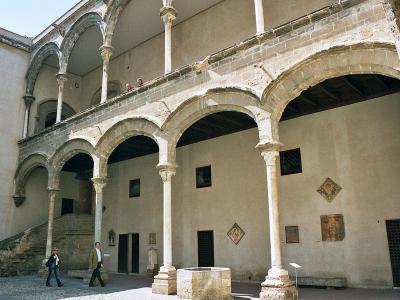
Walking Tours in Palermo, Italy

Create Your Own Walk in Palermo
Creating your own self-guided walk in Palermo is easy and fun. Choose the city attractions that you want to see and a walk route map will be created just for you. You can even set your hotel as the start point of the walk.
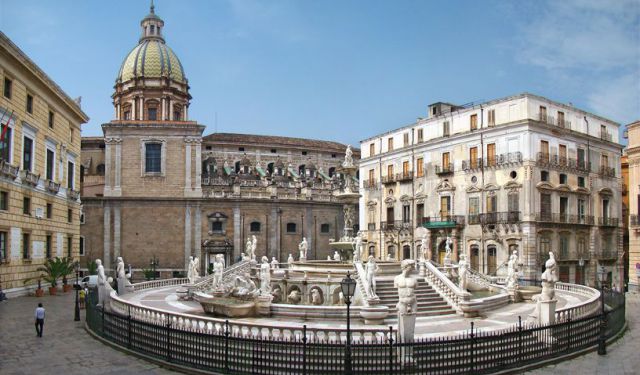
A Walk In Palermo's Historic Yet Lively City Center
The German polymath Johann Wolfgang von Goethe, who visited Sicily in 1787, wrote: “To have seen Italy without having seen Sicily is not to have seen Italy at all, for Sicily is the key to everything.”, Palermo being his main reference point.
Palermo’s story begins with a trading post established by the ancient Phoenician civilization around the 8th century BCE. The Phoenicians called it... view more
Tour Duration: 2 Hours
Travel Distance: 3.1 Km or 1.9 Miles
Palermo’s story begins with a trading post established by the ancient Phoenician civilization around the 8th century BCE. The Phoenicians called it... view more
Tour Duration: 2 Hours
Travel Distance: 3.1 Km or 1.9 Miles
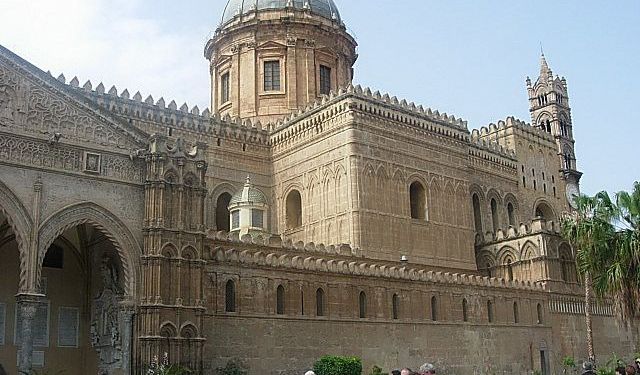
Historical Religious Buildings
Religion has always played an important role in the lives of the Italians - and the Sicilians are no exception. Thus, it is little wonder that the main city of the island, Palermo, boasts a plethora of religious buildings. The collection of historical churches found here ranges from the Arab-Norman-Byzantine to the Medieval, Gothic, Baroque and the Renaissance.
In the course of history, many of... view more
Tour Duration: 2 Hours
Travel Distance: 3.2 Km or 2 Miles
In the course of history, many of... view more
Tour Duration: 2 Hours
Travel Distance: 3.2 Km or 2 Miles
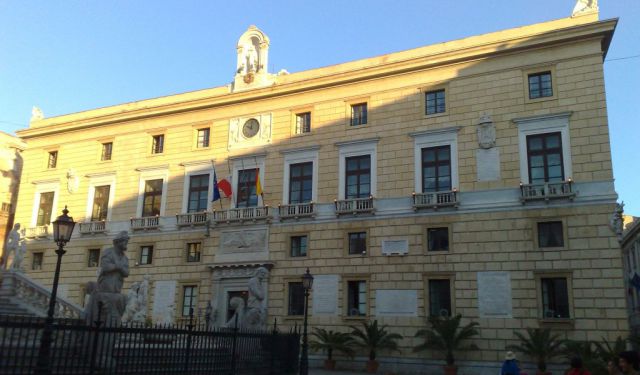
Palaces of Palermo
For centuries, Sicilian capital Palermo has been a focal point for the construction of noble dwellings and palaces. The latter were and still are a fine manifestation of the historical life in the region. They are a few hundred of them still in place, ranging chronologically from the medieval period to the first decades of the 20th century, and comprising an impressive collection of architectural... view more
Tour Duration: 1 Hour
Travel Distance: 2.6 Km or 1.6 Miles
Tour Duration: 1 Hour
Travel Distance: 2.6 Km or 1.6 Miles
City Walks Overview
