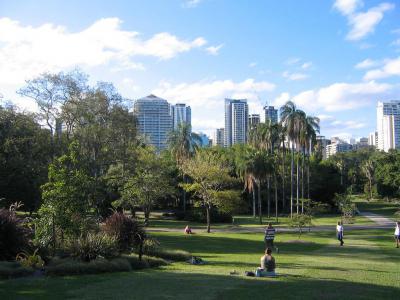


City Botanic Gardens, Brisbane
The City Botanic Gardens are one of Brisbane’s oldest and most picturesque green spaces. The site was originally established in 1825 as a farm for the nearby Moreton Bay Penal Settlement, where convicts cultivated crops such as cabbage, pineapple, cauliflower, peas, beans, and potatoes. Fruit trees-including bananas, apples, and oranges-were also planted to help supply food for the growing settlement.
After the penal colony closed in 1842, the area gradually evolved into a public botanical garden. Following about fifteen years of development, the City Botanic Gardens officially opened in 1855. The grounds were divided into a Botanic Reserve and an experimental section where settlers tested whether plants such as mango, ginger, tobacco, sugar, coffee, tea, and grapes could adapt to Queensland’s climate. These experiments proved valuable, helping establish crops that later supported the region’s agricultural economy.
One of the gardens' highlights is the Walter Hill Fountain. Built in 1867, it was part of Brisbane's first reticulated water system. Notice the intricate stonework and the original ironwork. It was named after the gardens' first curator, Walter Hill, who was responsible for many of the gardens' most famous plantings. Finding the fountain is possible via the Central Path, which starts near the central sun-shaped garden and runs from north to south. Walk south along the path until you reach an intersection. There, turn left and look on your left for the fountain.
Once you're done seeing the fountain, continue walking on the same path. You will reach a long path that runs along the waterline lined with Bunya pines. These trees are a living link to the pre-colonial landscape of Queensland. The Bunya pine was sacred to the local Indigenous people, and these specific specimens were among the very first trees planted when the gardens were established in 1855. Look for their incredibly thick, textured trunks and the unique “dome” shape of their high canopies. During certain times of the year, they drop massive cones (some weighing up to 10 kg), so watch for the warning signs that have become a quirky part of Brisbane park life.
Because of their historical and botanical significance, the City Botanic Gardens were added to the Queensland Heritage Register in 1997.
After the penal colony closed in 1842, the area gradually evolved into a public botanical garden. Following about fifteen years of development, the City Botanic Gardens officially opened in 1855. The grounds were divided into a Botanic Reserve and an experimental section where settlers tested whether plants such as mango, ginger, tobacco, sugar, coffee, tea, and grapes could adapt to Queensland’s climate. These experiments proved valuable, helping establish crops that later supported the region’s agricultural economy.
One of the gardens' highlights is the Walter Hill Fountain. Built in 1867, it was part of Brisbane's first reticulated water system. Notice the intricate stonework and the original ironwork. It was named after the gardens' first curator, Walter Hill, who was responsible for many of the gardens' most famous plantings. Finding the fountain is possible via the Central Path, which starts near the central sun-shaped garden and runs from north to south. Walk south along the path until you reach an intersection. There, turn left and look on your left for the fountain.
Once you're done seeing the fountain, continue walking on the same path. You will reach a long path that runs along the waterline lined with Bunya pines. These trees are a living link to the pre-colonial landscape of Queensland. The Bunya pine was sacred to the local Indigenous people, and these specific specimens were among the very first trees planted when the gardens were established in 1855. Look for their incredibly thick, textured trunks and the unique “dome” shape of their high canopies. During certain times of the year, they drop massive cones (some weighing up to 10 kg), so watch for the warning signs that have become a quirky part of Brisbane park life.
Because of their historical and botanical significance, the City Botanic Gardens were added to the Queensland Heritage Register in 1997.
Want to visit this sight? Check out these Self-Guided Walking Tours in Brisbane. Alternatively, you can download the mobile app "GPSmyCity: Walks in 1K+ Cities" from Apple App Store or Google Play Store. The app turns your mobile device to a personal tour guide and it works offline, so no data plan is needed when traveling abroad.
Download The GPSmyCity App



City Botanic Gardens on Map
Sight Name: City Botanic Gardens
Sight Location: Brisbane, Australia (See walking tours in Brisbane)
Sight Type: Park/Outdoor
Guide(s) Containing This Sight:
Sight Location: Brisbane, Australia (See walking tours in Brisbane)
Sight Type: Park/Outdoor
Guide(s) Containing This Sight:
Nearby Sights

Walking Tours in Brisbane, Australia

Create Your Own Walk in Brisbane
Creating your own self-guided walk in Brisbane is easy and fun. Choose the city attractions that you want to see and a walk route map will be created just for you. You can even set your hotel as the start point of the walk.
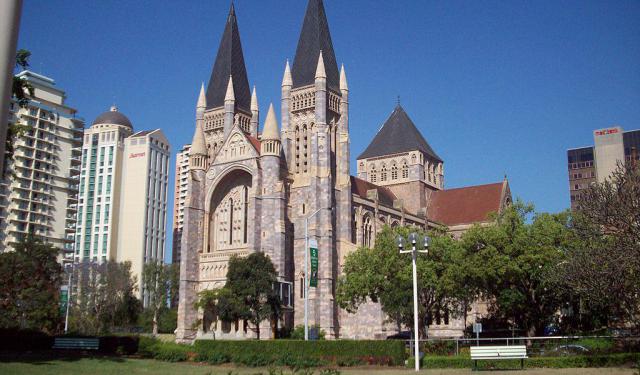
Historical Churches Tour
Brisbane has no shortage of religious sites among other things. Renowned for their beauty and cultural value, the historical churches of Brisbane hold a significant place in the city's architectural heritage and attract a huge number of visitors. Let's take a closer look at some of these notable temples.
Our first point of interest is Saint John's Cathedral, an iconic Anglican... view more
Tour Duration: 1 Hour(s)
Travel Distance: 1.8 Km or 1.1 Miles
Our first point of interest is Saint John's Cathedral, an iconic Anglican... view more
Tour Duration: 1 Hour(s)
Travel Distance: 1.8 Km or 1.1 Miles
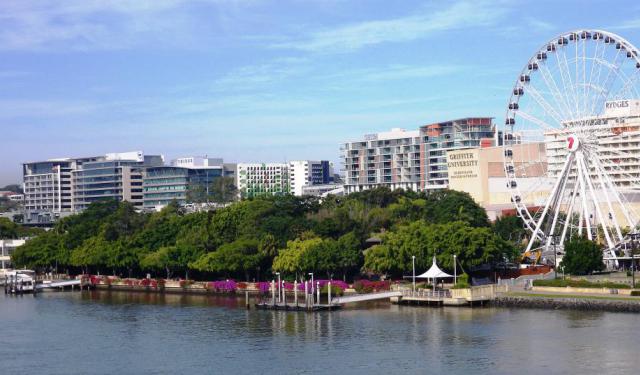
Brisbane South Bank Walk
With an enviable location on the southern banks of the Brisbane River, the South Bank is a gorgeous place to spend some down time. Small wonder then that every year, around 11 million people come here to relax and to be entertained.
Unwind amidst the 17 hectares of verdant parkland, dine in world-class eateries, enjoy gorgeous river views and enjoy the fun and spectacle of year-round events.... view more
Tour Duration: 2 Hour(s)
Travel Distance: 2.1 Km or 1.3 Miles
Unwind amidst the 17 hectares of verdant parkland, dine in world-class eateries, enjoy gorgeous river views and enjoy the fun and spectacle of year-round events.... view more
Tour Duration: 2 Hour(s)
Travel Distance: 2.1 Km or 1.3 Miles
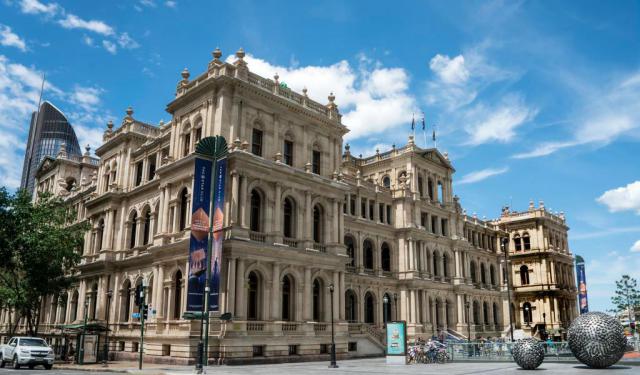
Brisbane Heritage Architecture Tour
Brisbane, Australia, abounds in places where you can get a real sense of what it was like in colonial times. Featuring different types of architecture – Colonial, Gothic, or Neo-classic – today these exquisite buildings are used for all sorts of purposes, from cultural events to local administration. Together they make Brisbane a beautiful city while telling the story of its development over... view more
Tour Duration: 2 Hour(s)
Travel Distance: 3.5 Km or 2.2 Miles
Tour Duration: 2 Hour(s)
Travel Distance: 3.5 Km or 2.2 Miles
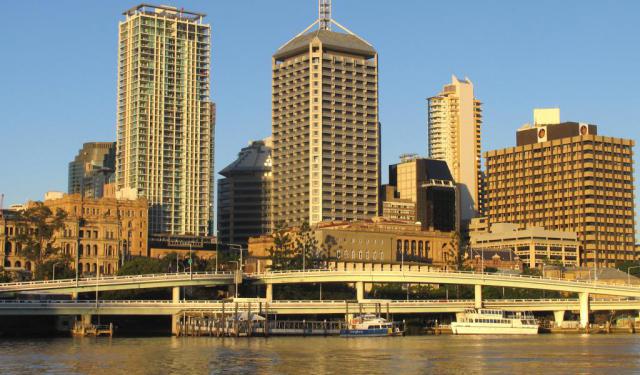
Brisbane Downtown Walking Tour
Often described by its residents as “a river with a city wrapped around it,” Brisbane stands along the winding Brisbane River on Australia’s eastern coast and is today the third-most populous city in Australia, after Sydney and Melbourne. Long before European settlement, the area was home to the Turrbal and Jagera peoples, Aboriginal Australians who had inhabited the region for at least... view more
Tour Duration: 2 Hour(s)
Travel Distance: 3.5 Km or 2.2 Miles
Tour Duration: 2 Hour(s)
Travel Distance: 3.5 Km or 2.2 Miles