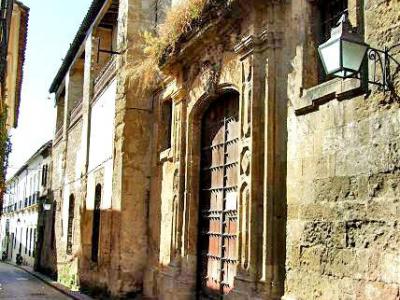


Convento de Santa Clara (Santa Clara Convent), Cordoba
The Santa Clara Convent in Cordoba has a rich history dating back to the 6th century. The building's architecture is a fusion of different cultures and religions, with the remains of a 10th-century Caliphate mosque and a 6th-century Byzantine basilica forming the foundation of the structure.
In 1236, after the Christian conquest of the city, the first female convent in Cordoba was established, initially with eight Poor Clare nuns. The convent was later named after Santa Clara and has also been referred to as the Convent of Santa Isabel. It was located in the part of the mosque, which was later converted into a church, and the courtyard was adapted to the structure of the cloister.
The Santa Clara Convent is a designated Asset of Cultural Interest and a Historic-Artistic Monument belonging to the National Artistic Treasure. It is located in the historic center of Cordoba, which was declared a World Heritage Site by UNESCO in 1994.
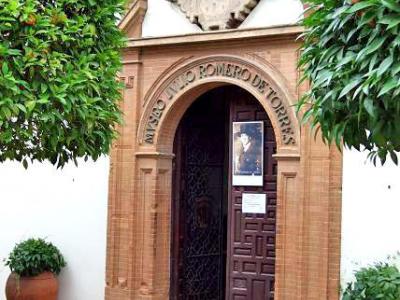
The building has undergone extensive remodeling over the centuries, with a baroque-style door added in the 17th century and the altarpiece of the church transferred to the church of Nuestra Señora de la Paz in the San Basilio neighborhood. After the religious order left the convent in 1868, the building was used as a powder magazine, military barracks, and even a laundry. It was eventually acquired by the Córdoba City Council in the 1950s and converted into the Julio Romero de Torres mixed school.
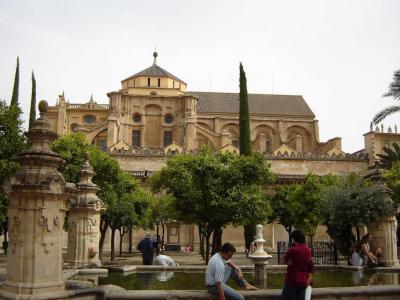
Despite its many transformations, the Santa Clara Convent remains a remarkable testament to the diverse cultural and religious influences that have shaped the city of Cordoba. Visitors can see the remains of the old mosque, including the qibla wall, the ablutions patio, a minaret in excellent condition, and a blinded horseshoe arch that is visible from Osio street. The convent's history as the first female convent in Cordoba is also an important part of the city's cultural heritage.
In 1236, after the Christian conquest of the city, the first female convent in Cordoba was established, initially with eight Poor Clare nuns. The convent was later named after Santa Clara and has also been referred to as the Convent of Santa Isabel. It was located in the part of the mosque, which was later converted into a church, and the courtyard was adapted to the structure of the cloister.
The Santa Clara Convent is a designated Asset of Cultural Interest and a Historic-Artistic Monument belonging to the National Artistic Treasure. It is located in the historic center of Cordoba, which was declared a World Heritage Site by UNESCO in 1994.
The building has undergone extensive remodeling over the centuries, with a baroque-style door added in the 17th century and the altarpiece of the church transferred to the church of Nuestra Señora de la Paz in the San Basilio neighborhood. After the religious order left the convent in 1868, the building was used as a powder magazine, military barracks, and even a laundry. It was eventually acquired by the Córdoba City Council in the 1950s and converted into the Julio Romero de Torres mixed school.
Despite its many transformations, the Santa Clara Convent remains a remarkable testament to the diverse cultural and religious influences that have shaped the city of Cordoba. Visitors can see the remains of the old mosque, including the qibla wall, the ablutions patio, a minaret in excellent condition, and a blinded horseshoe arch that is visible from Osio street. The convent's history as the first female convent in Cordoba is also an important part of the city's cultural heritage.
Want to visit this sight? Check out these Self-Guided Walking Tours in Cordoba. Alternatively, you can download the mobile app "GPSmyCity: Walks in 1K+ Cities" from Apple App Store or Google Play Store. The app turns your mobile device to a personal tour guide and it works offline, so no data plan is needed when traveling abroad.
Download The GPSmyCity App



Convento de Santa Clara (Santa Clara Convent) on Map
Sight Name: Convento de Santa Clara (Santa Clara Convent)
Sight Location: Cordoba, Spain (See walking tours in Cordoba)
Sight Type: Religious
Sight Location: Cordoba, Spain (See walking tours in Cordoba)
Sight Type: Religious
Nearby Sights
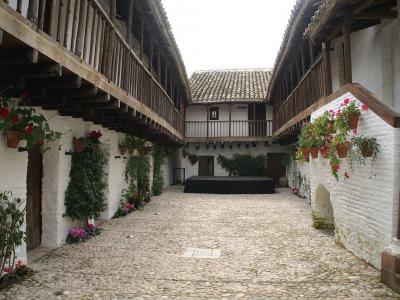
Walking Tours in Cordoba, Spain

Create Your Own Walk in Cordoba
Creating your own self-guided walk in Cordoba is easy and fun. Choose the city attractions that you want to see and a walk route map will be created just for you. You can even set your hotel as the start point of the walk.
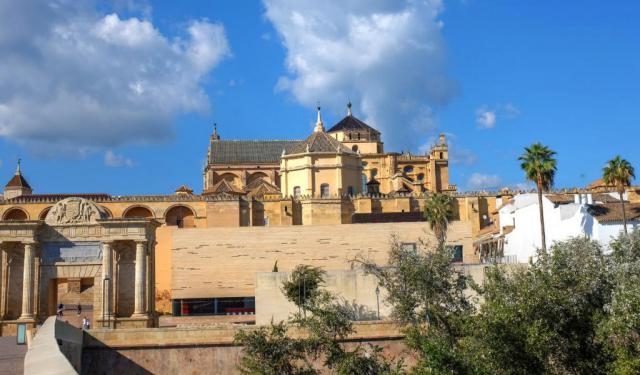
Cordoba Introduction Walking Tour
Córdoba treats history like a sculptor treats marble-layered, chiseled, and ever revealing something new. Situated in Andalusia, this city has seen empires rise, and its story spans over 2,200 years. Originally named Qart Juba by the Carthaginians, it was refounded in 206 BC by the Romans as Corduba. As the capital of the province Hispania Ulterior, it had to prove its reputation by having its... view more
Tour Duration: 2 Hours
Travel Distance: 3.3 Km or 2.1 Miles
Tour Duration: 2 Hours
Travel Distance: 3.3 Km or 2.1 Miles
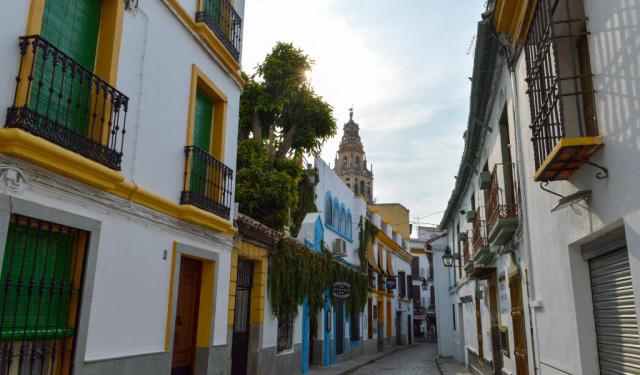
Cordoba Jewish Quarter Walk
Córdoba’s Jewish Quarter is one of the most atmospheric and historically rich districts of the city, located within the UNESCO-listed historic center. Its origins trace back to the Roman period, but it flourished most prominently during the Middle Ages, when Córdoba stood as one of the most important intellectual and cultural centers in Europe.
Under Muslim rule from the 8th to the 13th... view more
Tour Duration: 1 Hour
Travel Distance: 0.4 Km or 0.2 Miles
Under Muslim rule from the 8th to the 13th... view more
Tour Duration: 1 Hour
Travel Distance: 0.4 Km or 0.2 Miles
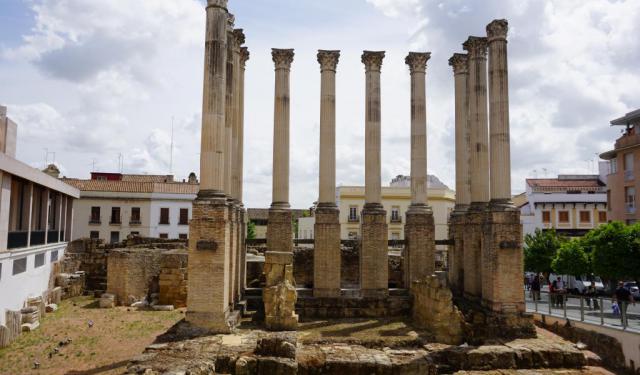
Ancient Roman Sites Walking Tour
Under all in Cordoba lies a once redoubtable Roman strongpoint. After Scipio's defeat of the Carthaginians in Llipa, the victorious Romans set up camp by the Guadalquivir River.
Under Augustus, the city gained the status of Colonia Patricia. A perimeter wall was built touching the Guadalquivir River. There were two forums, colonial and provincial. A large amphitheater has been uncovered.... view more
Tour Duration: 1 Hour
Travel Distance: 2.5 Km or 1.6 Miles
Under Augustus, the city gained the status of Colonia Patricia. A perimeter wall was built touching the Guadalquivir River. There were two forums, colonial and provincial. A large amphitheater has been uncovered.... view more
Tour Duration: 1 Hour
Travel Distance: 2.5 Km or 1.6 Miles