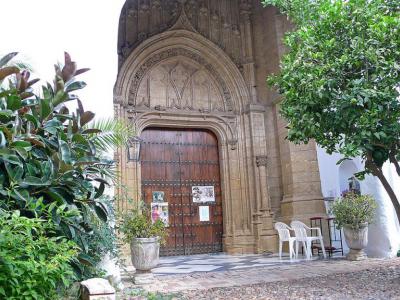


Convento de St. Marta (St. Marta Convent), Cordoba
Saint Marta Convent is an ancient cloistered convent located in Cordobaю It was established in September 1464, with Pope Paul II and Bishop of Cordoba, Fray Gonzalo de Illescas, being the ones who founded it. The convent has had Hieronymite nuns since its inception, and it is considered one of the oldest convents of the female branch of the Hieronymite order.
Initially, Santa Marta functioned as a beguinage, which was a group of women who lived together and served God but without the regulations of a monastery. In 1475, Pope Sixtus IV ordered the prior general of the Hieronymites to draw up the Constitutions for this convent, and in 1491, at the request of Catalina Torquemada, the beguinage was officially converted into a convent.
Throughout its history, the Hieronymite order received material support from the Cordovan aristocracy, especially the Cárdenas and Fernández de Cordoba families. In fact, the convent had its headquarters in a house donated by the Counts of Cabra (Fernández de Córdoba), although it was expanded over time with the acquisition of neighboring houses.
The church of Convento de Santa Marta is a beautiful example of late Gothic architecture. The church has a single nave, which is typical of all churches of the Hieronymite order, and measures 28 meters long by 8.5 meters wide. The construction of the church began in 1470 with permission from Bishop Pedro de Cordoba y Solier and was completed around 1490. The first architect was Gonzalo Rodriguez, the father of Hernán Ruiz I, who continued the works after the death of his father.
For over a century, the church did not have an altarpiece, but it eventually received one. The main altarpiece was contracted in 1582 with the carver Andrés de Ocampo and the painter Baltasar del Águila, although the definitive contract was not signed until July 6, 1592. The altarpiece has a bench or predella and is three sections high, with paintings and sculptures representing various saints. What makes this altarpiece unique is that it has hardly been modified in its more than four centuries of history, and it is one of the few Renaissance altarpieces in Cordoba.
In addition to the main altarpiece, there are other noteworthy altarpieces in the church. The altarpiece of San Jerónimo, located in front of the main door, dates from the 17th century, although its author is unknown. The smaller Virgen de la Piedad altarpiece, located on the epistle side next to the lower choir, is from the 18th century and is also of unquestionable beauty, although it is also undocumented.
Initially, Santa Marta functioned as a beguinage, which was a group of women who lived together and served God but without the regulations of a monastery. In 1475, Pope Sixtus IV ordered the prior general of the Hieronymites to draw up the Constitutions for this convent, and in 1491, at the request of Catalina Torquemada, the beguinage was officially converted into a convent.
Throughout its history, the Hieronymite order received material support from the Cordovan aristocracy, especially the Cárdenas and Fernández de Cordoba families. In fact, the convent had its headquarters in a house donated by the Counts of Cabra (Fernández de Córdoba), although it was expanded over time with the acquisition of neighboring houses.
The church of Convento de Santa Marta is a beautiful example of late Gothic architecture. The church has a single nave, which is typical of all churches of the Hieronymite order, and measures 28 meters long by 8.5 meters wide. The construction of the church began in 1470 with permission from Bishop Pedro de Cordoba y Solier and was completed around 1490. The first architect was Gonzalo Rodriguez, the father of Hernán Ruiz I, who continued the works after the death of his father.
For over a century, the church did not have an altarpiece, but it eventually received one. The main altarpiece was contracted in 1582 with the carver Andrés de Ocampo and the painter Baltasar del Águila, although the definitive contract was not signed until July 6, 1592. The altarpiece has a bench or predella and is three sections high, with paintings and sculptures representing various saints. What makes this altarpiece unique is that it has hardly been modified in its more than four centuries of history, and it is one of the few Renaissance altarpieces in Cordoba.
In addition to the main altarpiece, there are other noteworthy altarpieces in the church. The altarpiece of San Jerónimo, located in front of the main door, dates from the 17th century, although its author is unknown. The smaller Virgen de la Piedad altarpiece, located on the epistle side next to the lower choir, is from the 18th century and is also of unquestionable beauty, although it is also undocumented.
Want to visit this sight? Check out these Self-Guided Walking Tours in Cordoba. Alternatively, you can download the mobile app "GPSmyCity: Walks in 1K+ Cities" from Apple App Store or Google Play Store. The app turns your mobile device to a personal tour guide and it works offline, so no data plan is needed when traveling abroad.
Download The GPSmyCity App



Convento de St. Marta (St. Marta Convent) on Map
Sight Name: Convento de St. Marta (St. Marta Convent)
Sight Location: Cordoba, Spain (See walking tours in Cordoba)
Sight Type: Religious
Sight Location: Cordoba, Spain (See walking tours in Cordoba)
Sight Type: Religious
Nearby Sights

Walking Tours in Cordoba, Spain

Create Your Own Walk in Cordoba
Creating your own self-guided walk in Cordoba is easy and fun. Choose the city attractions that you want to see and a walk route map will be created just for you. You can even set your hotel as the start point of the walk.
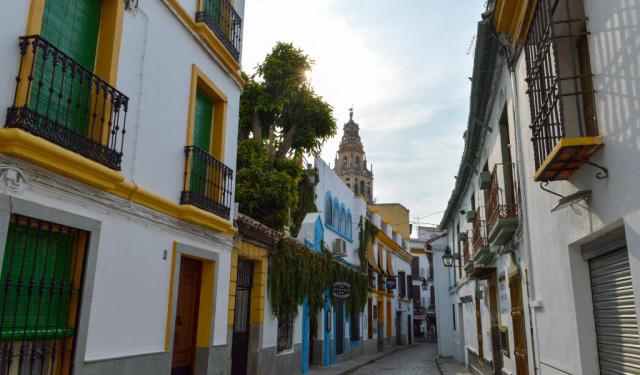
Cordoba Jewish Quarter Walk
Córdoba’s Jewish Quarter is one of the most atmospheric and historically rich districts of the city, located within the UNESCO-listed historic center. Its origins trace back to the Roman period, but it flourished most prominently during the Middle Ages, when Córdoba stood as one of the most important intellectual and cultural centers in Europe.
Under Muslim rule from the 8th to the 13th... view more
Tour Duration: 1 Hour(s)
Travel Distance: 0.4 Km or 0.2 Miles
Under Muslim rule from the 8th to the 13th... view more
Tour Duration: 1 Hour(s)
Travel Distance: 0.4 Km or 0.2 Miles
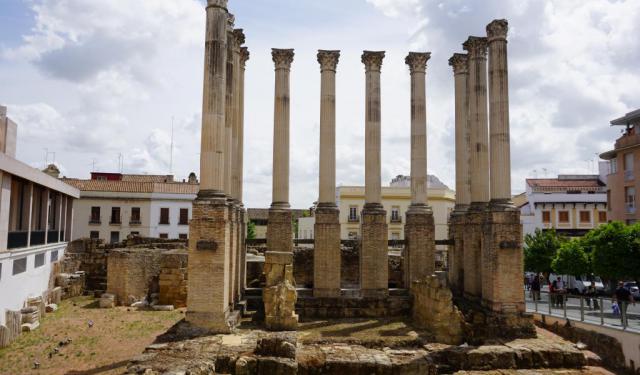
Ancient Roman Sites Walking Tour
Under all in Cordoba lies a once redoubtable Roman strongpoint. After Scipio's defeat of the Carthaginians in Llipa, the victorious Romans set up camp by the Guadalquivir River.
Under Augustus, the city gained the status of Colonia Patricia. A perimeter wall was built touching the Guadalquivir River. There were two forums, colonial and provincial. A large amphitheater has been uncovered.... view more
Tour Duration: 1 Hour(s)
Travel Distance: 2.5 Km or 1.6 Miles
Under Augustus, the city gained the status of Colonia Patricia. A perimeter wall was built touching the Guadalquivir River. There were two forums, colonial and provincial. A large amphitheater has been uncovered.... view more
Tour Duration: 1 Hour(s)
Travel Distance: 2.5 Km or 1.6 Miles
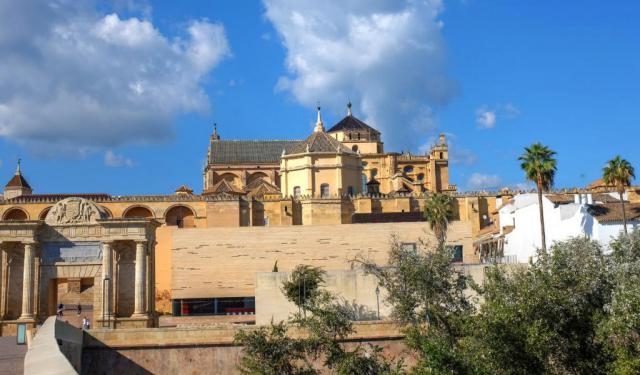
Cordoba Introduction Walking Tour
Córdoba treats history like a sculptor treats marble-layered, chiseled, and ever revealing something new. Situated in Andalusia, this city has seen empires rise, and its story spans over 2,200 years. Originally named Qart Juba by the Carthaginians, it was refounded in 206 BC by the Romans as Corduba. As the capital of the province Hispania Ulterior, it had to prove its reputation by having its... view more
Tour Duration: 2 Hour(s)
Travel Distance: 3.3 Km or 2.1 Miles
Tour Duration: 2 Hour(s)
Travel Distance: 3.3 Km or 2.1 Miles