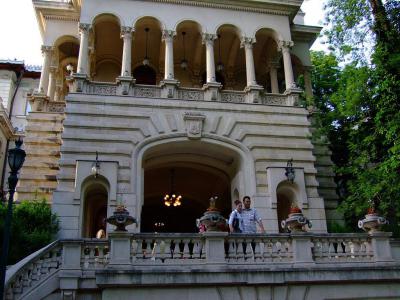


Cotroceni Palace, Bucharest
Cotroceni Palace is one of Bucharest’s most distinguished landmarks, serving as both the official residence of the President of Romania and a museum showcasing the country’s royal and political heritage. Originally founded as a monastery by Prince Serban Cantacuzino in 1679, the site evolved significantly over the centuries. It was transformed into a royal palace in the late 19th century under King Carol I, who commissioned French architect Paul Gottereau to design a residence in a neo-Romanian and classical French style, blending elegance with national motifs.
The palace has played a key role in Romania’s modern history. During the monarchy, it served as a royal residence, while under the communist regime, it was repurposed for state functions. Following the 1989 Revolution, Cotroceni became the presidential residence, marking a new chapter in its institutional significance. Despite these transitions, much of its architectural integrity and interior charm have been preserved or restored.
Visitors can explore the Cotroceni National Museum, located in a wing of the palace complex. This museum presents a carefully curated collection of royal artifacts, decorative arts, and historic furnishings, offering a glimpse into the lifestyles of Romania’s former rulers. The richly decorated halls, ceremonial rooms, and period-specific interiors reflect both Western European influence and Romanian cultural identity.
Surrounded by landscaped gardens and set in a quiet area of the city, Cotroceni Palace provides a rare combination of political relevance, architectural beauty, and historical depth. Access to the museum is available by guided tour, and security protocols are in place due to its function as a presidential residence.
The palace has played a key role in Romania’s modern history. During the monarchy, it served as a royal residence, while under the communist regime, it was repurposed for state functions. Following the 1989 Revolution, Cotroceni became the presidential residence, marking a new chapter in its institutional significance. Despite these transitions, much of its architectural integrity and interior charm have been preserved or restored.
Visitors can explore the Cotroceni National Museum, located in a wing of the palace complex. This museum presents a carefully curated collection of royal artifacts, decorative arts, and historic furnishings, offering a glimpse into the lifestyles of Romania’s former rulers. The richly decorated halls, ceremonial rooms, and period-specific interiors reflect both Western European influence and Romanian cultural identity.
Surrounded by landscaped gardens and set in a quiet area of the city, Cotroceni Palace provides a rare combination of political relevance, architectural beauty, and historical depth. Access to the museum is available by guided tour, and security protocols are in place due to its function as a presidential residence.
Want to visit this sight? Check out these Self-Guided Walking Tours in Bucharest. Alternatively, you can download the mobile app "GPSmyCity: Walks in 1K+ Cities" from Apple App Store or Google Play Store. The app turns your mobile device to a personal tour guide and it works offline, so no data plan is needed when traveling abroad.
Download The GPSmyCity App



Cotroceni Palace on Map
Sight Name: Cotroceni Palace
Sight Location: Bucharest, Romania (See walking tours in Bucharest)
Sight Type: Museum/Gallery
Sight Location: Bucharest, Romania (See walking tours in Bucharest)
Sight Type: Museum/Gallery
Nearby Sights
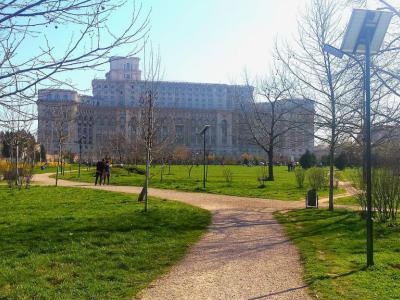
Walking Tours in Bucharest, Romania

Create Your Own Walk in Bucharest
Creating your own self-guided walk in Bucharest is easy and fun. Choose the city attractions that you want to see and a walk route map will be created just for you. You can even set your hotel as the start point of the walk.
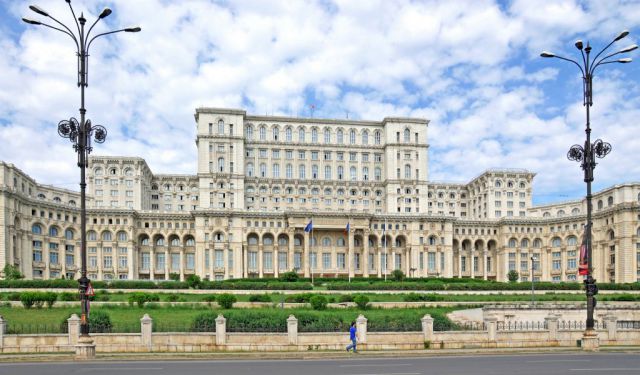
Bucharest Introduction Walking Tour
More than a century ago, Romanian playwright Ion Luca Caragiale jokingly called Bucharest “a little Paris.” Walk through the Romanian capital today, however, and you will discover that the comparison tells only part of its story.
The history of Bucharest is a story of princes, merchants, revolutions and repeated reinvention. Today the capital and cultural center of Romania, it is also one... view more
Tour Duration: 2 Hours
Travel Distance: 3.7 Km or 2.3 Miles
The history of Bucharest is a story of princes, merchants, revolutions and repeated reinvention. Today the capital and cultural center of Romania, it is also one... view more
Tour Duration: 2 Hours
Travel Distance: 3.7 Km or 2.3 Miles
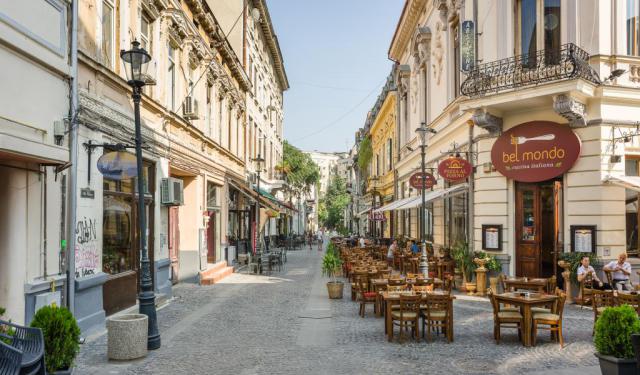
Old Town Walking Tour
Long before its narrow streets filled with cafés, bars and restaurants, Bucharest’s Old Town grew in the shadow of a fortress associated with one of Europe’s most legendary rulers: Vlad the Impaler.
Bucharest’s Old Town preserves the historic core from which the Romanian capital developed. Today, it is one of Bucharest’s most popular and attractive districts, easily reached on foot... view more
Tour Duration: 2 Hours
Travel Distance: 1.9 Km or 1.2 Miles
Bucharest’s Old Town preserves the historic core from which the Romanian capital developed. Today, it is one of Bucharest’s most popular and attractive districts, easily reached on foot... view more
Tour Duration: 2 Hours
Travel Distance: 1.9 Km or 1.2 Miles
Useful Travel Guides for Planning Your Trip

16 Uniquely Romanian Things To Buy in Bucharest
Nicknamed "Little Paris", today's Bucharest is the capital of a vibrant European nation, known as Romania, with lots of history and great cultural heritage - spanning from centuries-old rural traditions to New Wave cinema. Keen on rustic stuff, Romanians carefully preserve their...
City Walks Overview
