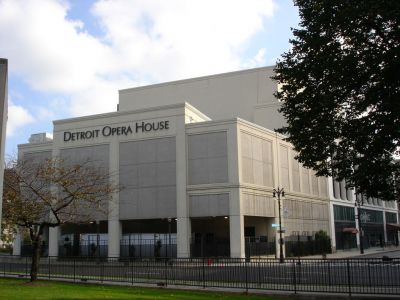


Detroit Opera House, Detroit
The Detroit Opera House, an architectural and cultural gem in the heart of Downtown Detroit, sits within the Grand Circus Park Historic District on Broadway Street. This 2,700-seat venue, a cornerstone for Detroit Opera productions and a variety of events, reflects the city’s rich performing arts heritage.
Designed by renowned architect C. Howard Crane, who also created iconic Detroit landmarks such as The Fillmore Detroit, the Fox Theatre, and Orchestra Hall, the Opera House first opened its doors on January 22, 1922. Originally known as the Capitol Theatre, it was among the largest movie theaters of its time, seating approximately 3,500, and ranked as the fifth-largest in the world upon its debut.
The Capitol Theatre, later renamed the Paramount (1929) and Broadway Capitol (1934), hosted films and live performances, featuring jazz icons like Louis Armstrong and Duke Ellington. It became the Grand Circus Theatre in the 1960s, but years of decline led to its 1978 closure, with brief, troubled reopenings, including a fire in 1985. In 1988, the Michigan Opera Theatre acquired the building, restoring it with Albert Kahn Associates. Reopened in 1996 as the Detroit Opera House, its inaugural gala starred Luciano Pavarotti.
The Opera House now hosts a robust lineup of annual productions, including five opera and dance performances by renowned touring companies, alongside concerts, comedy shows, and other cultural events. Its role in revitalizing Detroit’s cultural scene was celebrated in the 2012 documentary Detropia.
Today, the Detroit Opera House remains a beacon of cultural and architectural splendor, preserving the city’s vibrant performing arts legacy while continuing to inspire new generations of audiences.
Designed by renowned architect C. Howard Crane, who also created iconic Detroit landmarks such as The Fillmore Detroit, the Fox Theatre, and Orchestra Hall, the Opera House first opened its doors on January 22, 1922. Originally known as the Capitol Theatre, it was among the largest movie theaters of its time, seating approximately 3,500, and ranked as the fifth-largest in the world upon its debut.
The Capitol Theatre, later renamed the Paramount (1929) and Broadway Capitol (1934), hosted films and live performances, featuring jazz icons like Louis Armstrong and Duke Ellington. It became the Grand Circus Theatre in the 1960s, but years of decline led to its 1978 closure, with brief, troubled reopenings, including a fire in 1985. In 1988, the Michigan Opera Theatre acquired the building, restoring it with Albert Kahn Associates. Reopened in 1996 as the Detroit Opera House, its inaugural gala starred Luciano Pavarotti.
The Opera House now hosts a robust lineup of annual productions, including five opera and dance performances by renowned touring companies, alongside concerts, comedy shows, and other cultural events. Its role in revitalizing Detroit’s cultural scene was celebrated in the 2012 documentary Detropia.
Today, the Detroit Opera House remains a beacon of cultural and architectural splendor, preserving the city’s vibrant performing arts legacy while continuing to inspire new generations of audiences.
Want to visit this sight? Check out these Self-Guided Walking Tours in Detroit. Alternatively, you can download the mobile app "GPSmyCity: Walks in 1K+ Cities" from Apple App Store or Google Play Store. The app turns your mobile device to a personal tour guide and it works offline, so no data plan is needed when traveling abroad.
Download The GPSmyCity App



Detroit Opera House on Map
Sight Name: Detroit Opera House
Sight Location: Detroit, USA (See walking tours in Detroit)
Sight Type: Attraction/Landmark
Sight Location: Detroit, USA (See walking tours in Detroit)
Sight Type: Attraction/Landmark
Nearby Sights
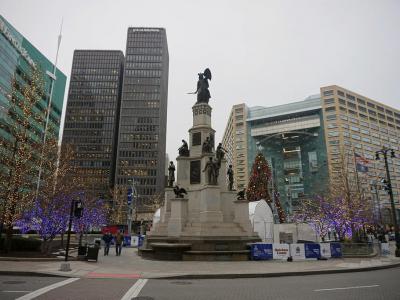
Walking Tours in Detroit, Michigan

Create Your Own Walk in Detroit
Creating your own self-guided walk in Detroit is easy and fun. Choose the city attractions that you want to see and a walk route map will be created just for you. You can even set your hotel as the start point of the walk.
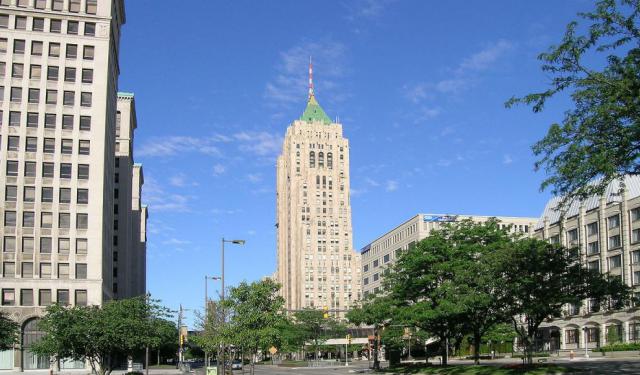
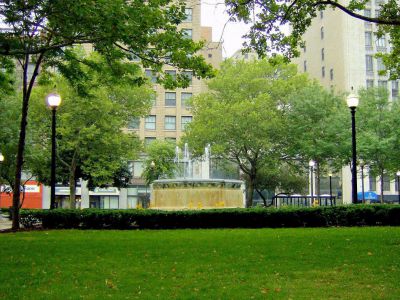
Midtown Detroit Walking Tour
Midtown Detroit is a mixed-use area consisting of a business district, cultural center, a major research university, and several residential neighborhoods, located along the east and west side of Woodward Avenue. Most of all, it is a cultural epicenter with numerous activities huddled in one place, especially when it comes to museums, restaurants, and bars.
Start your journey with the Wayne... view more
Tour Duration: 2 Hours
Travel Distance: 4.5 Km or 2.8 Miles
Start your journey with the Wayne... view more
Tour Duration: 2 Hours
Travel Distance: 4.5 Km or 2.8 Miles
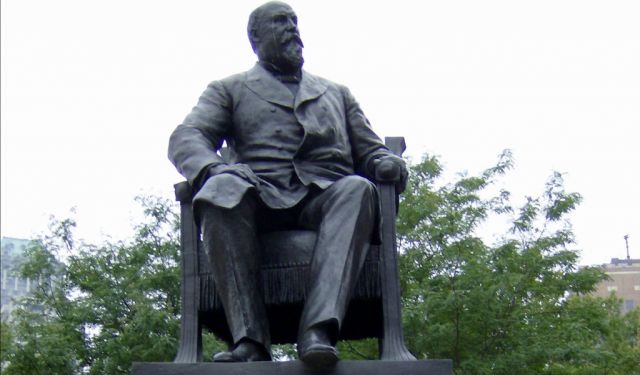
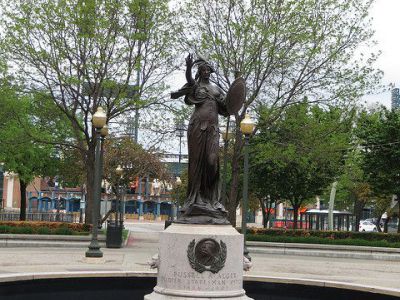
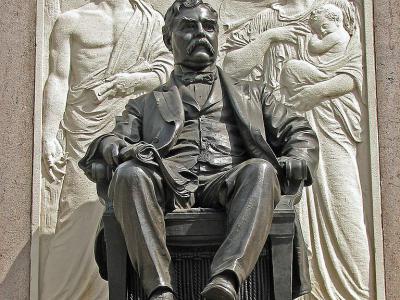
Monuments Tour
Detroit is known for having many monuments and statues to great personalities that are scattered across the city.
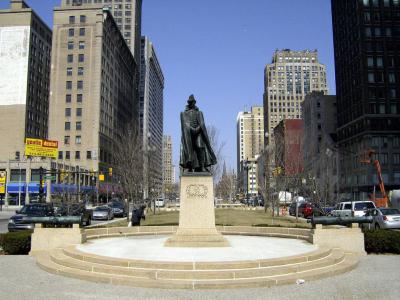
Did you know that the monument commemorating the “freedom fighter for two continents”, Thaddeus Kosciuszko, is actually replica of the monument standing by Wawel castle in Krakow, Poland? Another featured military figure, Gen. Alexander Macomb, was a hero in the War of 1812 and... view more
Tour Duration: 2 Hours
Travel Distance: 3.4 Km or 2.1 Miles
Did you know that the monument commemorating the “freedom fighter for two continents”, Thaddeus Kosciuszko, is actually replica of the monument standing by Wawel castle in Krakow, Poland? Another featured military figure, Gen. Alexander Macomb, was a hero in the War of 1812 and... view more
Tour Duration: 2 Hours
Travel Distance: 3.4 Km or 2.1 Miles
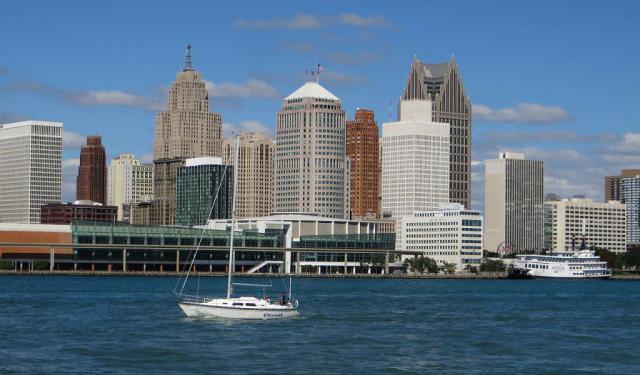
Downtown Detroit Walking Tour
Detroit is Michigan's largest city, Wyne County's seat, and the biggest city on the United States border with Canada. Its location on the Detroit River, proximity to the Great Lakes, and proximity to Canada have helped secure this city as a major trading area over its long history. The city is also famous as the home of Motown.
European settlement in the 17th century began with the... view more
Tour Duration: 1 Hour
Travel Distance: 1.8 Km or 1.1 Miles
European settlement in the 17th century began with the... view more
Tour Duration: 1 Hour
Travel Distance: 1.8 Km or 1.1 Miles
City Walks Overview
