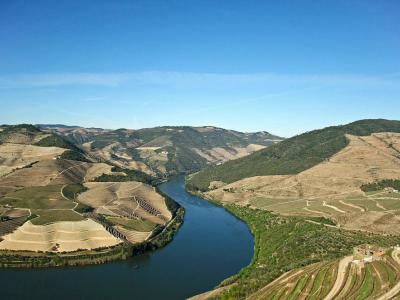


Douro River, Porto
The Douro River, the largest river of the Iberian Peninsula by discharge, is a vital and picturesque waterway that spans Spain and Portugal. It originates near Duruelo de la Sierra in Spain’s Soria Province and flows westward through the Meseta Central of Castile and León, eventually reaching northern Portugal and emptying into the Atlantic Ocean at Porto, Portugal’s second-largest city. Along its journey, the Douro is joined by several tributaries, including the significant right-bank Esla River, which carries more water than the Douro at their confluence.
In Portugal, the Douro Valley is celebrated for its stunning landscapes and rich winemaking traditions. The valley, recognized as a UNESCO World Heritage Site, is renowned for its vineyards that produce port wine, a mildly fortified wine historically transported downriver in traditional boats called rabelos to Vila Nova de Gaia for storage. Today, the transport has modernized with the use of tanker trucks. The scenic Douro railway line runs parallel to the river, offering a breathtaking route that draws tourists eager to explore the region's natural beauty and heritage.
Historically, the Douro was personified as the god Durius during Roman times and played a significant role in the area's development. In the 8th century, the region experienced deliberate depopulation under Alfonso I of Asturias for defensive reasons, an event known as "Repoblación." The river's importance continued to evolve, with the construction of dams and locks in the 1960s and 1970s enhancing river traffic and enabling better navigation.
Additionally, the Douro's basin includes other significant sites such as the Côa Valley, where a small tributary of the river hosts Paleolithic rock art, another UNESCO World Heritage Site, emphasizing the area’s rich archaeological patrimony. The river also flows through Spain’s Ribera del Duero DOP, a prominent wine-producing area in Castile and León.
In Portugal, the Douro Valley is celebrated for its stunning landscapes and rich winemaking traditions. The valley, recognized as a UNESCO World Heritage Site, is renowned for its vineyards that produce port wine, a mildly fortified wine historically transported downriver in traditional boats called rabelos to Vila Nova de Gaia for storage. Today, the transport has modernized with the use of tanker trucks. The scenic Douro railway line runs parallel to the river, offering a breathtaking route that draws tourists eager to explore the region's natural beauty and heritage.
Historically, the Douro was personified as the god Durius during Roman times and played a significant role in the area's development. In the 8th century, the region experienced deliberate depopulation under Alfonso I of Asturias for defensive reasons, an event known as "Repoblación." The river's importance continued to evolve, with the construction of dams and locks in the 1960s and 1970s enhancing river traffic and enabling better navigation.
Additionally, the Douro's basin includes other significant sites such as the Côa Valley, where a small tributary of the river hosts Paleolithic rock art, another UNESCO World Heritage Site, emphasizing the area’s rich archaeological patrimony. The river also flows through Spain’s Ribera del Duero DOP, a prominent wine-producing area in Castile and León.
Want to visit this sight? Check out these Self-Guided Walking Tours in Porto. Alternatively, you can download the mobile app "GPSmyCity: Walks in 1K+ Cities" from Apple App Store or Google Play Store. The app turns your mobile device to a personal tour guide and it works offline, so no data plan is needed when traveling abroad.
Download The GPSmyCity App



Douro River on Map
Sight Name: Douro River
Sight Location: Porto, Portugal (See walking tours in Porto)
Sight Type: Attraction/Landmark
Sight Location: Porto, Portugal (See walking tours in Porto)
Sight Type: Attraction/Landmark
Nearby Sights
Walking Tours in Porto, Portugal

Create Your Own Walk in Porto
Creating your own self-guided walk in Porto is easy and fun. Choose the city attractions that you want to see and a walk route map will be created just for you. You can even set your hotel as the start point of the walk.
Porto Historic City Center Walking Tour
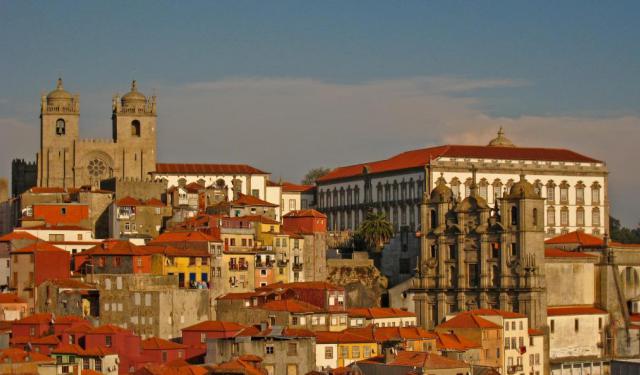
Set along the Douro River in northern Portugal, Porto is one of those places where history, trade, and identity overlap at every turn. Even the name carries weight. Back in Roman times, this was Portus Cale, meaning “the port of Cale” (in which Cale refers to today's Galicia region). Over time, the name shifted to Portucale, and from there… the term “Portugal” was born. So, yes,... view more
Tour Duration: 3 Hour(s)
Travel Distance: 4.0 Km or 2.5 Miles
Tour Duration: 3 Hour(s)
Travel Distance: 4.0 Km or 2.5 Miles
Porto's Monuments and Statues
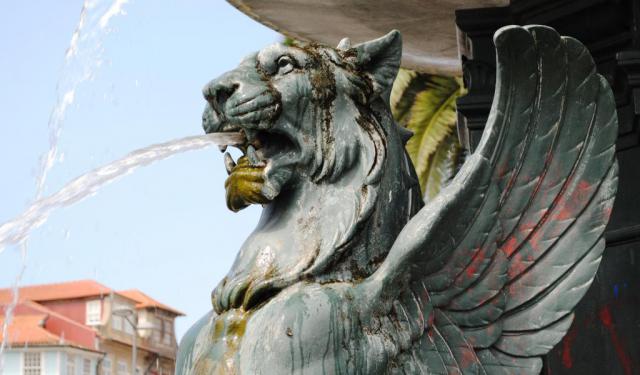
In general, just like any other European nation, sunny Portugal is rich in history and matching love of monuments. This is more so evident in the country's second largest city of Porto, dotted with statues and sculptures of various sort, decorating the gardens, sidewalks, squares and various corners. Each of them has its own story; some are quite old, while others are not so much and rather... view more
Tour Duration: 1 Hour(s)
Travel Distance: 2.1 Km or 1.3 Miles
Tour Duration: 1 Hour(s)
Travel Distance: 2.1 Km or 1.3 Miles
Historical Churches
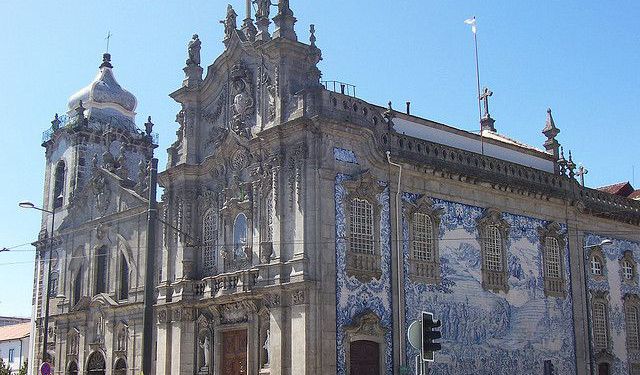
Portugal is one of the oldest countries in Europe and is deeply rooted in Christianity, notably Catholicism. The latter explains the abundance of historic chapels, churches, and monasteries in the country. Porto, a city with a rich historical and cultural heritage, boasts several old churches of its own. Remarkable architectural gems, they reflect the city's profound religious tradition.
... view more
Tour Duration: 2 Hour(s)
Travel Distance: 3.9 Km or 2.4 Miles
... view more
Tour Duration: 2 Hour(s)
Travel Distance: 3.9 Km or 2.4 Miles
Shopping and Food Tour
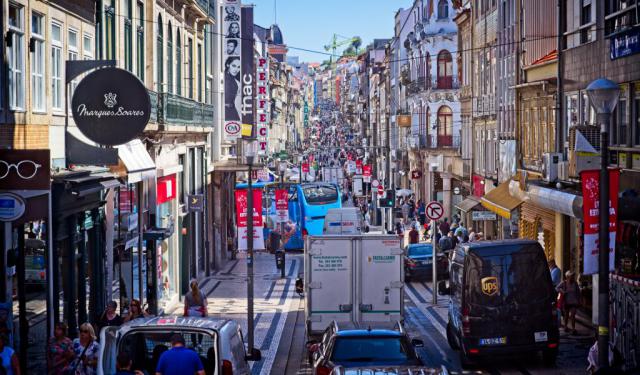
Porto may be famous for its centuries-old streets and tiled façades, but it also knows how to tempt you with a shopping bag in one hand and a snack in the other. This is a city where old-world charm and modern appetite strike a comfortable deal-good news whether you're hunting for bargains, chasing flavors, or quietly justifying that “one last purchase.”
You won’t have to look far.... view more
Tour Duration: 1 Hour(s)
Travel Distance: 1.6 Km or 1 Miles
You won’t have to look far.... view more
Tour Duration: 1 Hour(s)
Travel Distance: 1.6 Km or 1 Miles