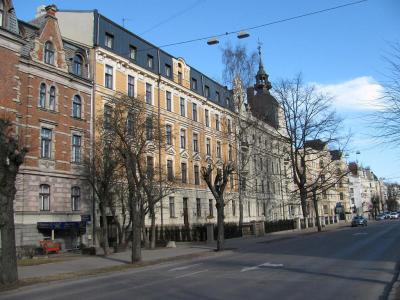


Elizabetes iela (Elizabetes Street), Riga
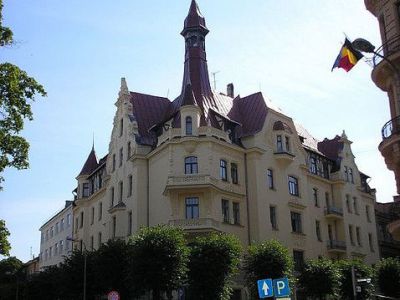
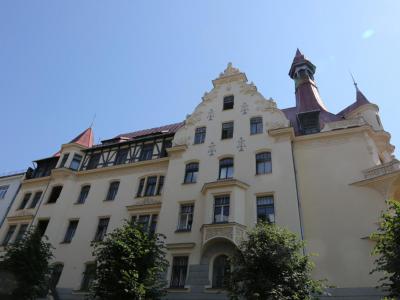
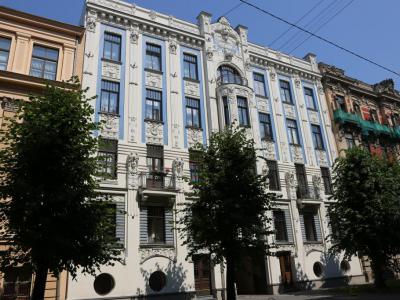
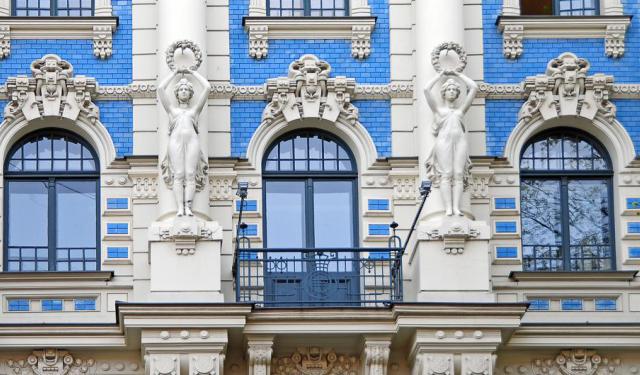
Elizabetes Street in Riga is a central showcase of Art Nouveau architecture, a style that dominates roughly a third of all buildings in the city's center. This distinction makes Riga the city with the highest concentration of Art Nouveau architecture globally. Most of these buildings were constructed during a period of rapid economic growth from 1904 to 1914.
The street is renowned for showcasing diverse Art Nouveau substyles. Initially, Art Nouveau elements blended into Eclectic architecture, creating "Eclectic" Art Nouveau. "Decorative" Art Nouveau, focusing on ornamental details, emerged in 1899 but faded by 1906. "Romantic" Art Nouveau, prevalent in Riga, mixes modern shapes with historical motifs. Between 1905 and 1911, Latvian National Romanticism thrived, integrating traditional Latvian elements. Later, "Vertical" Art Nouveau, characterized by elongated lines, gained popularity right before World War I.
Significantly, Elizabetes Street intersects with Brivibas Boulevard and is part of an area with over 800 Art Nouveau buildings. This district also includes Alberta and Strelnieku Streets, where impressive examples of the style continue. Notably, many of these buildings were designed by Latvian architects, including several by Mikhail Ejzenštejn, known for his decorative Art Nouveau buildings at Elizabetes 10a and 10b, built in 1903.
Furthermore, Elizabetes Street and its surroundings have been recognized as a UNESCO World Heritage site, celebrating its rich architectural heritage. This area not only showcases the architectural innovation of the early 20th century but also serves as a testament to Riga's role as a significant center of Art Nouveau architecture.
The street is renowned for showcasing diverse Art Nouveau substyles. Initially, Art Nouveau elements blended into Eclectic architecture, creating "Eclectic" Art Nouveau. "Decorative" Art Nouveau, focusing on ornamental details, emerged in 1899 but faded by 1906. "Romantic" Art Nouveau, prevalent in Riga, mixes modern shapes with historical motifs. Between 1905 and 1911, Latvian National Romanticism thrived, integrating traditional Latvian elements. Later, "Vertical" Art Nouveau, characterized by elongated lines, gained popularity right before World War I.
Significantly, Elizabetes Street intersects with Brivibas Boulevard and is part of an area with over 800 Art Nouveau buildings. This district also includes Alberta and Strelnieku Streets, where impressive examples of the style continue. Notably, many of these buildings were designed by Latvian architects, including several by Mikhail Ejzenštejn, known for his decorative Art Nouveau buildings at Elizabetes 10a and 10b, built in 1903.
Furthermore, Elizabetes Street and its surroundings have been recognized as a UNESCO World Heritage site, celebrating its rich architectural heritage. This area not only showcases the architectural innovation of the early 20th century but also serves as a testament to Riga's role as a significant center of Art Nouveau architecture.
Want to visit this sight? Check out these Self-Guided Walking Tours in Riga. Alternatively, you can download the mobile app "GPSmyCity: Walks in 1K+ Cities" from Apple App Store or Google Play Store. The app turns your mobile device to a personal tour guide and it works offline, so no data plan is needed when traveling abroad.
Download The GPSmyCity App



Elizabetes iela (Elizabetes Street) on Map
Sight Name: Elizabetes iela (Elizabetes Street)
Sight Location: Riga, Latvia (See walking tours in Riga)
Sight Type: Attraction/Landmark
Sight Location: Riga, Latvia (See walking tours in Riga)
Sight Type: Attraction/Landmark
Nearby Sights

Walking Tours in Riga, Latvia

Create Your Own Walk in Riga
Creating your own self-guided walk in Riga is easy and fun. Choose the city attractions that you want to see and a walk route map will be created just for you. You can even set your hotel as the start point of the walk.
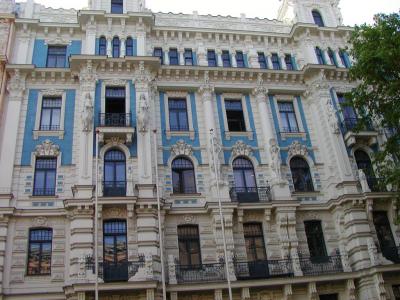
A Walking Guide to Riga's Fairytale Art Nouveau Architecture
An architecture lover in general and that of Art Nouveau in particular will find plenty to look at in the quiet center of Riga. Art Nouveau architecture makes up roughly one third of all buildings in the heart of Latvia's capital. In fact, the city boasts the highest concentration of Art Nouveau structures anywhere in the world.
Constructed during a period of rapid economic growth, most of... view more
Tour Duration: 1 Hour
Travel Distance: 1.3 Km or 0.8 Miles
Constructed during a period of rapid economic growth, most of... view more
Tour Duration: 1 Hour
Travel Distance: 1.3 Km or 0.8 Miles
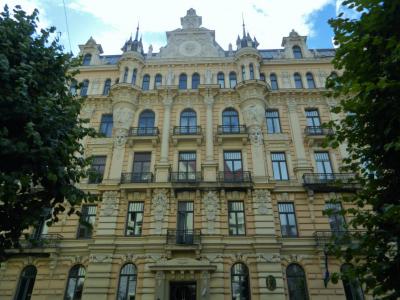
Explore Riga's Historical Churches on Foot
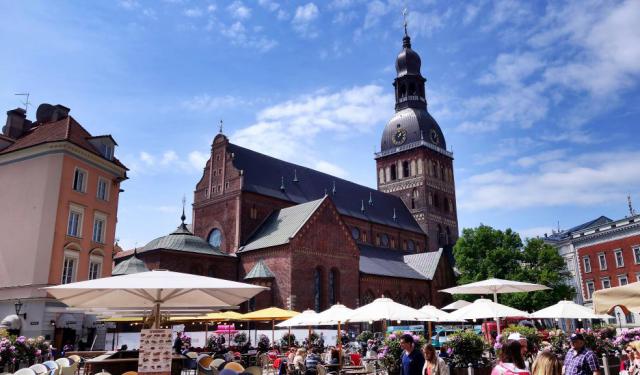
One great thing about Riga is that the majority of its religious sites are concentrated in the historic center. A variety of faiths found in the Latvian capital is fairly broad for such a small country and includes Roman Catholic, Orthodox, and Lutheran, to mention but a few.
The 13th-century Riga Cathedral is perhaps the most significant house of prayer in the city. The imposing mix of... view more
Tour Duration: 2 Hours
Travel Distance: 3 Km or 1.9 Miles
The 13th-century Riga Cathedral is perhaps the most significant house of prayer in the city. The imposing mix of... view more
Tour Duration: 2 Hours
Travel Distance: 3 Km or 1.9 Miles
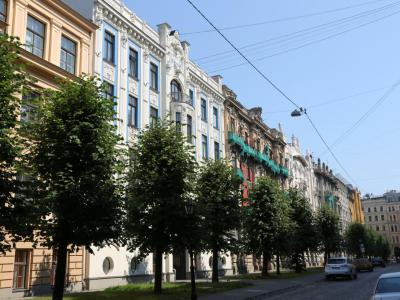
A Walk Through Riga's Charming Old Town
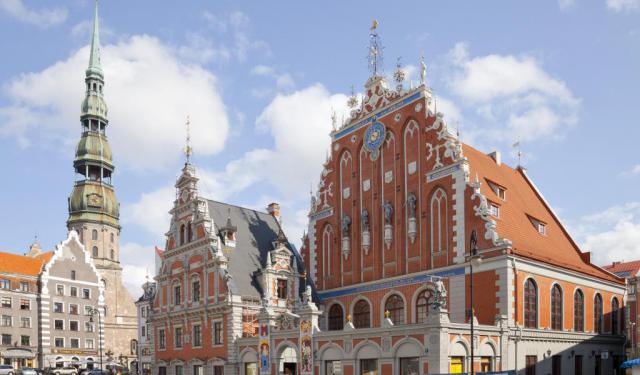
The area that is home to present-day Riga has been inhabited since at least the 12th century. With a sheltered natural harbor and its location on the Daugava River, the area became an important stop along the Vikings' Dvina-Dnieper trade route to Byzantium. Local Livonian and Curonian communities settled here, and fishing, trade, and crafts formed the basis of the early economy.... view more
Tour Duration: 2 Hours
Travel Distance: 2.4 Km or 1.5 Miles
Tour Duration: 2 Hours
Travel Distance: 2.4 Km or 1.5 Miles
Useful Travel Guides for Planning Your Trip
Traveler's Choice of 12 Uniquely Latvian Souvenirs from Riga
Reemerged after regaining independence in the early 1990s, Latvia is anxious to reveal its beauty to the outside world. The country's capital Riga is a good showroom for the country's cultural riches and traditions. Here's the list of the unique Latvian products to look for while in...
City Walks Overview
