

Estátua Guerra Peninsular (Monument to the Heroes of the Peninsular War), Porto
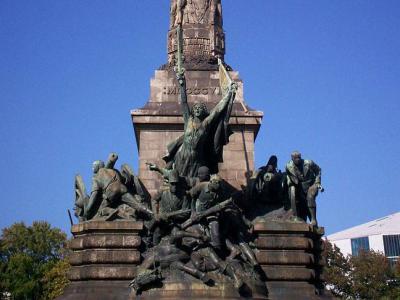
The Monument to the Heroes of the Peninsular War, located at Rotunda da Boavista in Porto, commemorates the joint efforts of the Portuguese and English forces against Napoleon Bonaparte’s French armies between 1808 and 1814. Positioned in the center of Mouzinho de Albuquerque Square (Praça de Mouzinho de Albuquerque), this striking monument stands as a tribute to the bravery displayed during these battles.
Designed by architect Marques da Silva and sculptor Alves de Sousa, the project began in 1909 but faced delays, with the final unveiling in 1952. The Cooperative of Bricklayers oversaw its construction, while sculptors Henrique Moreira and José Sousa Caldas took over following the untimely death of Alves de Sousa at the age of 38.
The monument's design features a towering 45-meter pedestal adorned with intricate sculptural groups, depicting scenes of artillery in motion and the involvement of Portuguese civilians and English soldiers. Notable elements include the allegorical figure of Vitória, leading the people with a national flag and sword, and the depiction of the Ponte das Barcas disaster.
Atop the column sits a dramatic symbol of victory: a lion, representing England, triumphing over Napoleon’s eagle, symbolizing the French Empire. Carved granite reliefs at the base further illustrate key moments from the Napoleonic Wars, with two bronze dates marking the period of the conflict. The city's coat of arms is also prominently displayed on the pedestal, solidifying its connection to Porto's historical legacy.
Designed by architect Marques da Silva and sculptor Alves de Sousa, the project began in 1909 but faced delays, with the final unveiling in 1952. The Cooperative of Bricklayers oversaw its construction, while sculptors Henrique Moreira and José Sousa Caldas took over following the untimely death of Alves de Sousa at the age of 38.
The monument's design features a towering 45-meter pedestal adorned with intricate sculptural groups, depicting scenes of artillery in motion and the involvement of Portuguese civilians and English soldiers. Notable elements include the allegorical figure of Vitória, leading the people with a national flag and sword, and the depiction of the Ponte das Barcas disaster.
Atop the column sits a dramatic symbol of victory: a lion, representing England, triumphing over Napoleon’s eagle, symbolizing the French Empire. Carved granite reliefs at the base further illustrate key moments from the Napoleonic Wars, with two bronze dates marking the period of the conflict. The city's coat of arms is also prominently displayed on the pedestal, solidifying its connection to Porto's historical legacy.
Want to visit this sight? Check out these Self-Guided Walking Tours in Porto. Alternatively, you can download the mobile app "GPSmyCity: Walks in 1K+ Cities" from Apple App Store or Google Play Store. The app turns your mobile device to a personal tour guide and it works offline, so no data plan is needed when traveling abroad.
Download The GPSmyCity App



Estátua Guerra Peninsular (Monument to the Heroes of the Peninsular War) on Map
Sight Name: Estátua Guerra Peninsular (Monument to the Heroes of the Peninsular War)
Sight Location: Porto, Portugal (See walking tours in Porto)
Sight Type: Attraction/Landmark
Sight Location: Porto, Portugal (See walking tours in Porto)
Sight Type: Attraction/Landmark
Nearby Sights

Walking Tours in Porto, Portugal

Create Your Own Walk in Porto
Creating your own self-guided walk in Porto is easy and fun. Choose the city attractions that you want to see and a walk route map will be created just for you. You can even set your hotel as the start point of the walk.
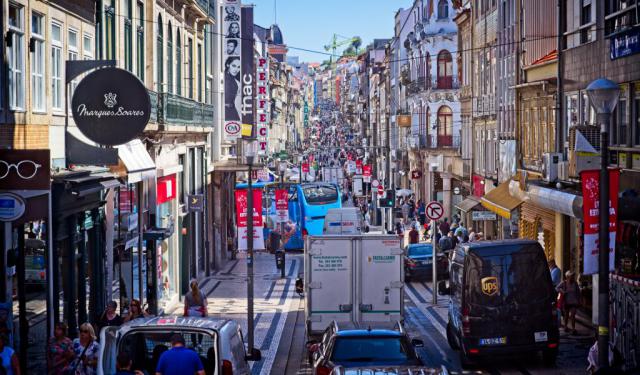
Shopping and Food Tour
Porto may be famous for its centuries-old streets and tiled façades, but it also knows how to tempt you with a shopping bag in one hand and a snack in the other. This is a city where old-world charm and modern appetite strike a comfortable deal-good news whether you're hunting for bargains, chasing flavors, or quietly justifying that “one last purchase.”
You won’t have to look far.... view more
Tour Duration: 1 Hour
Travel Distance: 1.6 Km or 1 Miles
You won’t have to look far.... view more
Tour Duration: 1 Hour
Travel Distance: 1.6 Km or 1 Miles
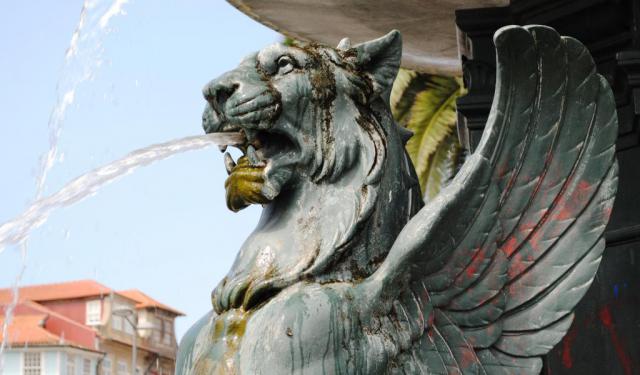
Porto's Monuments and Statues
In general, just like any other European nation, sunny Portugal is rich in history and matching love of monuments. This is more so evident in the country's second largest city of Porto, dotted with statues and sculptures of various sort, decorating the gardens, sidewalks, squares and various corners. Each of them has its own story; some are quite old, while others are not so much and rather... view more
Tour Duration: 1 Hour
Travel Distance: 2.1 Km or 1.3 Miles
Tour Duration: 1 Hour
Travel Distance: 2.1 Km or 1.3 Miles
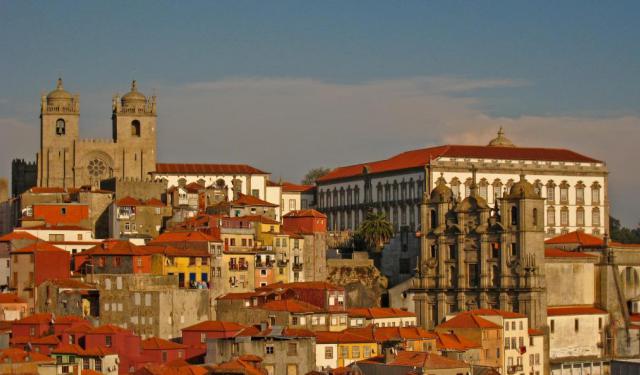
Porto Historic City Center Walking Tour
Set along the Douro River in northern Portugal, Porto is one of those places where history, trade, and identity overlap at every turn. Even the name carries weight. Back in Roman times, this was Portus Cale, meaning “the port of Cale” (in which Cale refers to today's Galicia region). Over time, the name shifted to Portucale, and from there… the term “Portugal” was born. So, yes,... view more
Tour Duration: 3 Hours
Travel Distance: 4 Km or 2.5 Miles
Tour Duration: 3 Hours
Travel Distance: 4 Km or 2.5 Miles
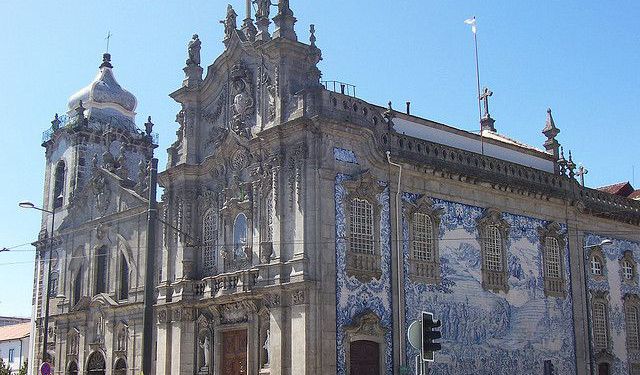
Historical Churches
Portugal is one of the oldest countries in Europe and is deeply rooted in Christianity, notably Catholicism. The latter explains the abundance of historic chapels, churches, and monasteries in the country. Porto, a city with a rich historical and cultural heritage, boasts several old churches of its own. Remarkable architectural gems, they reflect the city's profound religious tradition.... view more
Tour Duration: 2 Hours
Travel Distance: 3.9 Km or 2.4 Miles
Tour Duration: 2 Hours
Travel Distance: 3.9 Km or 2.4 Miles