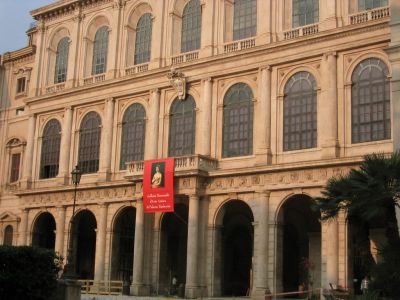


Galleria Nazionale d'Arte Antica a Palazzo Barberini (National Gallery of Ancient Art in Barberini), Rome
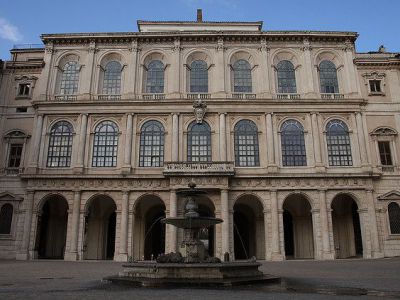
The Palazzo Barberini, one of Rome's most magnificent buildings from the 17th century, stands as an iconic example of Roman Baroque architecture. Its impressive facade was initially designed by Carlo Maderno, with assistance from his nephew Francesco Borromini. However, after Maderno's passing, Borromini was overlooked in favor of his rival, Gian Lorenzo Bernini.
Presently, the palazzo houses the National Gallery of Ancient Art ("Galleria Nazionale d'Arte Antica") and boasts a remarkable collection. Among its treasures is Raphael's radiant portrait of his lover, La Fornarina, who was said to be a baker's daughter residing in the Trastevere district. Another noteworthy piece is Guido Reni's portrait of the ill-fated Beatrice Cenci, who was executed in Rome for patricide in 1599. In his novel "The Marble Faun," set in Rome, Nathaniel Hawthorne described this painting as "the saddest picture ever painted." Additionally, Caravaggio's gripping depiction of Judith Beheading Holofernes can be admired within the collection.
The true centerpiece of the palazzo is the Gran Salone, an expansive ballroom adorned with an illusionistic ceiling fresco from 1630 by the often overlooked master of Roman Baroque art, Pietro da Cortona. The ceiling depicts the Glorification of Urban VIII's Reign and presents a striking concept that exalts Urban VIII as the instrument of Divine Providence. Accompanying him are a squadron of colossal Barberini bees, the heraldic symbol of the Barberini family, described by art historian Sir Michael Levey as a "bomber squadron."
Presently, the palazzo houses the National Gallery of Ancient Art ("Galleria Nazionale d'Arte Antica") and boasts a remarkable collection. Among its treasures is Raphael's radiant portrait of his lover, La Fornarina, who was said to be a baker's daughter residing in the Trastevere district. Another noteworthy piece is Guido Reni's portrait of the ill-fated Beatrice Cenci, who was executed in Rome for patricide in 1599. In his novel "The Marble Faun," set in Rome, Nathaniel Hawthorne described this painting as "the saddest picture ever painted." Additionally, Caravaggio's gripping depiction of Judith Beheading Holofernes can be admired within the collection.
The true centerpiece of the palazzo is the Gran Salone, an expansive ballroom adorned with an illusionistic ceiling fresco from 1630 by the often overlooked master of Roman Baroque art, Pietro da Cortona. The ceiling depicts the Glorification of Urban VIII's Reign and presents a striking concept that exalts Urban VIII as the instrument of Divine Providence. Accompanying him are a squadron of colossal Barberini bees, the heraldic symbol of the Barberini family, described by art historian Sir Michael Levey as a "bomber squadron."
Want to visit this sight? Check out these Self-Guided Walking Tours in Rome. Alternatively, you can download the mobile app "GPSmyCity: Walks in 1K+ Cities" from Apple App Store or Google Play Store. The app turns your mobile device to a personal tour guide and it works offline, so no data plan is needed when traveling abroad.
Download The GPSmyCity App



Galleria Nazionale d'Arte Antica a Palazzo Barberini (National Gallery of Ancient Art in Barberini) on Map
Sight Name: Galleria Nazionale d'Arte Antica a Palazzo Barberini (National Gallery of Ancient Art in Barberini)
Sight Location: Rome, Italy (See walking tours in Rome)
Sight Type: Museum/Gallery
Sight Location: Rome, Italy (See walking tours in Rome)
Sight Type: Museum/Gallery
Nearby Sights
Walking Tours in Rome, Italy

Create Your Own Walk in Rome
Creating your own self-guided walk in Rome is easy and fun. Choose the city attractions that you want to see and a walk route map will be created just for you. You can even set your hotel as the start point of the walk.
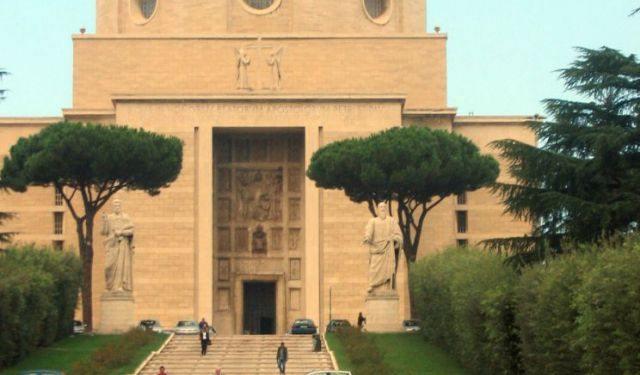
EUR Sightseeing Walking Tour
The Esposizione Universale di Roma (EUR), located in the southern suburb of Rome, was originally constructed for an international exhibition that was planned by Mussolini as a grand celebration of Fascist Italy. However, due to the outbreak of World War II, the exhibition never took place. The architecture of EUR was designed to glorify Fascism and showcases a distinct style that sets it apart... view more
Tour Duration: 2 Hour(s)
Travel Distance: 3.6 Km or 2.2 Miles
Tour Duration: 2 Hour(s)
Travel Distance: 3.6 Km or 2.2 Miles
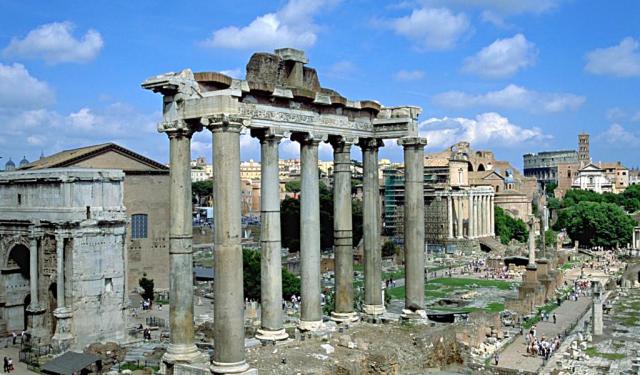
Roman Forum and Imperial Forums Walking Tour
t's a known fact that Rome wasn't built in a day. But since it was built, the city has stood the test of time and become "eternal." A popular proverb says, "all roads lead to Rome," but very few realize that, inside Rome itself, all roads lead to the Forum.
Indeed, the central hub of ancient Rome, the Roman Forum and the Imperial Forums once served as the... view more
Tour Duration: 2 Hour(s)
Travel Distance: 2.0 Km or 1.2 Miles
Indeed, the central hub of ancient Rome, the Roman Forum and the Imperial Forums once served as the... view more
Tour Duration: 2 Hour(s)
Travel Distance: 2.0 Km or 1.2 Miles
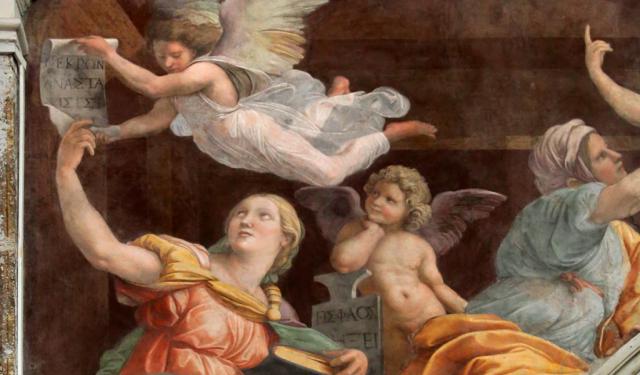
Hidden Art Treasures in Rome
Rome is one of the world's top living museums, replete with some of the most iconic pieces of art on the face of the planet. Famous artists, such as Michelangelo, Caravaggio, Raphael, Bernini, to mention but a few, had lived and worked here and left indelible marks in the city.
Needless to say that the abundance of masterpieces makes Rome crowded with tourists anxious to see them, causing... view more
Tour Duration: 1 Hour(s)
Travel Distance: 2.6 Km or 1.6 Miles
Needless to say that the abundance of masterpieces makes Rome crowded with tourists anxious to see them, causing... view more
Tour Duration: 1 Hour(s)
Travel Distance: 2.6 Km or 1.6 Miles
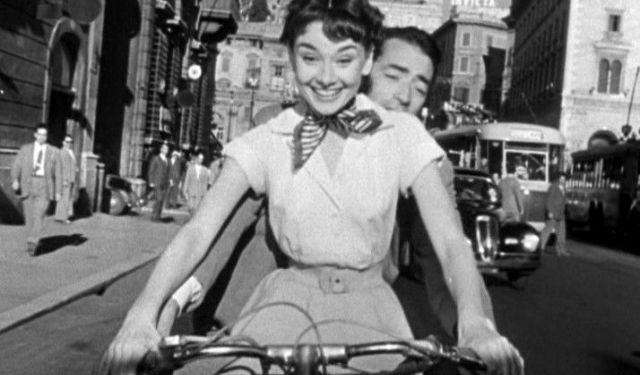
"Roman Holiday" Movie Walking Tour
Filmed entirely in the heart of Rome, Roman Holiday is one of those timeless films that beckons you to hop on a Vespa and lose yourself in the intoxicating beauty of the Italian capital. Released in 1953, this beloved classic has captured hearts across generations, thanks to its irresistible blend of romance, adventure, and charm-anchored by two of Hollywood’s brightest stars, Audrey Hepburn and... view more
Tour Duration: 4 Hour(s)
Travel Distance: 8.5 Km or 5.3 Miles
Tour Duration: 4 Hour(s)
Travel Distance: 8.5 Km or 5.3 Miles
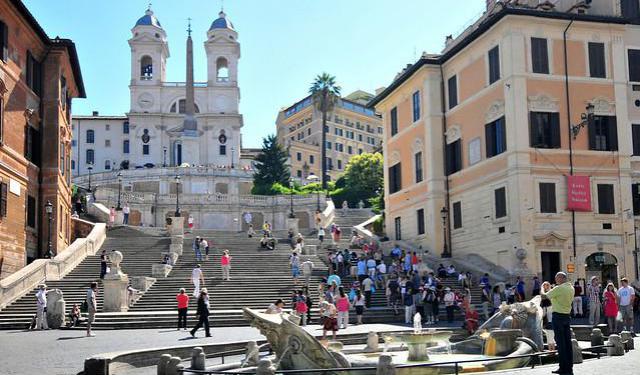
Spanish Steps to Trevi Fountain
An established tourist mecca, today's Rome is hardly imaginable without two of its much loved attractions – the Spanish Steps and the Trevi Fountain. Magnets for tourists as they are, these two sights are connected to a number of other, not less worthy of attention locations, such as the Fountain of the Longboat or Piazza Colonna and its centerpiece, the Column of Marcus Aurelius, to... view more
Tour Duration: 1 Hour(s)
Travel Distance: 2.0 Km or 1.2 Miles
Tour Duration: 1 Hour(s)
Travel Distance: 2.0 Km or 1.2 Miles
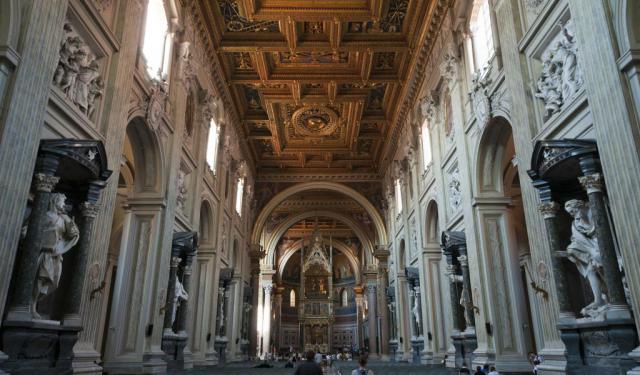
Holy Sites Walking Tour
As the cradle of the Catholic Church, one of the world's largest organizations, Rome has a large number of valuable, sacred places of worship. Crowded with architectural splendors from different periods of time, each of its churches and basilicas represent a significant part of culture and history.
Take this self-guided walking tour to discover Rome's magnificent religious heritage,... view more
Tour Duration: 3 Hour(s)
Travel Distance: 6.9 Km or 4.3 Miles
Take this self-guided walking tour to discover Rome's magnificent religious heritage,... view more
Tour Duration: 3 Hour(s)
Travel Distance: 6.9 Km or 4.3 Miles
Useful Travel Guides for Planning Your Trip
17 Best Gelaterias in Rome Italy
For ice cream lovers and dabblers this guide is a treasure chest of Rome’s best gelato shops. There are gelaterias everywhere. Many visitors to Rome only have a few days to explore the city. You owe it to yourself to make the most of your time and find the gelato locals eat. Often the authentic...
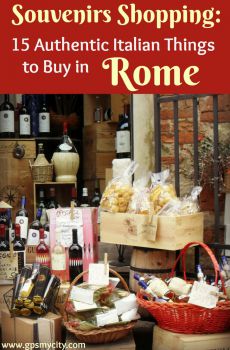
Souvenirs Shopping: 15 Authentic Italian Things To Buy in Rome
Rome is the Eternal City and, as such, the list of gift options available here is countless. Whether it's something edible, drinkable, wearable or pleasing to the eye that you want - you will find it all here in abundance. However, if time or budget is the factor, perhaps you might want to...
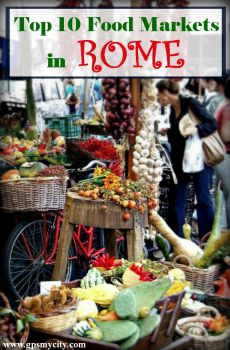
10 Best Food Markets in Rome Italy
Of all the things Italy is most famous for (cars, music, fashion, movies, etc.), food is, undoubtedly, top of the list. Rome may well not be the whole Italy, but no Italy is whole without Rome... And the Romans, much as all their fellow-Italians, like it "fresco", hence the abundance of...