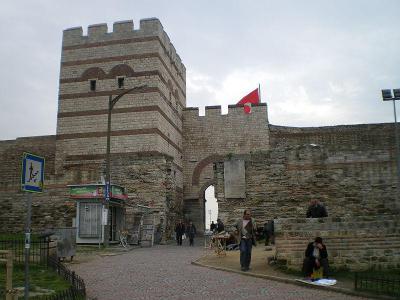


Gate of St. Romanus, Istanbul
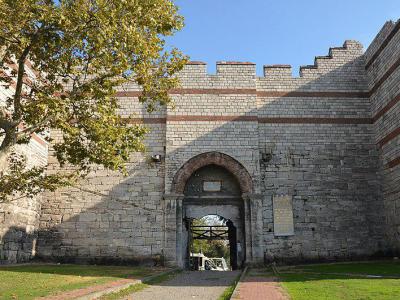
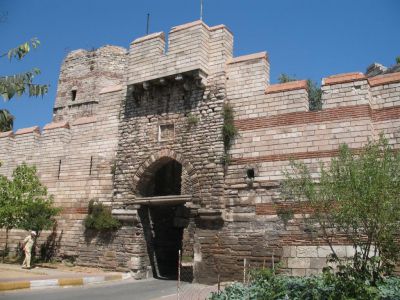
The Gate of Saint Romanus (Porta Agiou Rōmanou) holds a significant place in the history of Istanbul, particularly during the era of Constantinople. This historic gateway, now colloquially referred to as Cannon Gate, is famed for its role during the last siege of Constantinople. Its modern name, "Cannon Gate," is derived from the placement of the great cannon, the "Basilic," by the defending forces opposite the gate in a desperate attempt to fend off attackers.
Positioned strategically along the land walls of Constantinople, the Gate of Saint Romanus was named after a nearby church, embodying the rich religious and cultural history of the area. During the critical moments leading up to the fall of Constantinople, Emperor Constantine XI established his command post here, marking the gate as the central and most threatened stretch of the city's fortifications.
The Gate of Saint Romanus also served as a pivotal entrance point for the Ottoman forces led by Mehmed II during the historic conquest of Constantinople in 1453. This event marked a significant turning point in the city's history, transitioning from Byzantine to Ottoman rule.
Geographically, the gate is situated near the peak of the Seventh Hill of Istanbul, approximately 68 meters above sea level. The land walls then descend into the valley of the Lycus River, reaching their lowest elevation at 35 meters, before climbing the slope of the Sixth Hill. It is here that the walls rise again towards the Gate of Charisius (or Gate of Adrianople), standing at about 76 meters in height. The wall rises and falls as it approaches the Blachernae section, ending at the coastal plain by the Golden Horn and the renowned Prisons of Anemas.
Positioned strategically along the land walls of Constantinople, the Gate of Saint Romanus was named after a nearby church, embodying the rich religious and cultural history of the area. During the critical moments leading up to the fall of Constantinople, Emperor Constantine XI established his command post here, marking the gate as the central and most threatened stretch of the city's fortifications.
The Gate of Saint Romanus also served as a pivotal entrance point for the Ottoman forces led by Mehmed II during the historic conquest of Constantinople in 1453. This event marked a significant turning point in the city's history, transitioning from Byzantine to Ottoman rule.
Geographically, the gate is situated near the peak of the Seventh Hill of Istanbul, approximately 68 meters above sea level. The land walls then descend into the valley of the Lycus River, reaching their lowest elevation at 35 meters, before climbing the slope of the Sixth Hill. It is here that the walls rise again towards the Gate of Charisius (or Gate of Adrianople), standing at about 76 meters in height. The wall rises and falls as it approaches the Blachernae section, ending at the coastal plain by the Golden Horn and the renowned Prisons of Anemas.
Want to visit this sight? Check out these Self-Guided Walking Tours in Istanbul. Alternatively, you can download the mobile app "GPSmyCity: Walks in 1K+ Cities" from Apple App Store or Google Play Store. The app turns your mobile device to a personal tour guide and it works offline, so no data plan is needed when traveling abroad.
Download The GPSmyCity App



Gate of St. Romanus on Map
Sight Name: Gate of St. Romanus
Sight Location: Istanbul, Turkey (See walking tours in Istanbul)
Sight Type: Attraction/Landmark
Guide(s) Containing This Sight:
Sight Location: Istanbul, Turkey (See walking tours in Istanbul)
Sight Type: Attraction/Landmark
Guide(s) Containing This Sight:
Nearby Sights
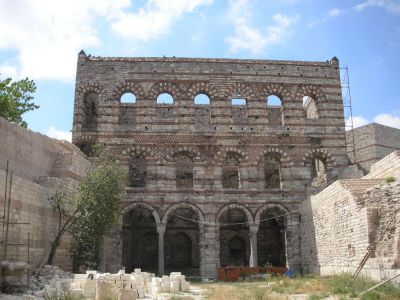
Walking Tours in Istanbul, Turkey

Create Your Own Walk in Istanbul
Creating your own self-guided walk in Istanbul is easy and fun. Choose the city attractions that you want to see and a walk route map will be created just for you. You can even set your hotel as the start point of the walk.
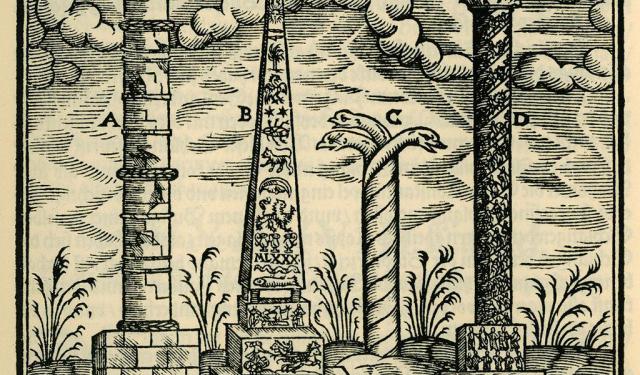
Byzantine Heritage Walking Tour
Originated as a Greek city called Byzantium, what's now known as Istanbul initially made name as Constantinople, an Eastern Roman imperial capital whose greatness had lasted for over a millennium, from 330 AD until the Ottoman invasion in 1453.
The Byzantine Empire’s rich cultural and architectural heritage is still preserved in dazzling sites throughout the city. Away from its Islamic... view more
Tour Duration: 2 Hour(s)
Travel Distance: 2.5 Km or 1.6 Miles
The Byzantine Empire’s rich cultural and architectural heritage is still preserved in dazzling sites throughout the city. Away from its Islamic... view more
Tour Duration: 2 Hour(s)
Travel Distance: 2.5 Km or 1.6 Miles
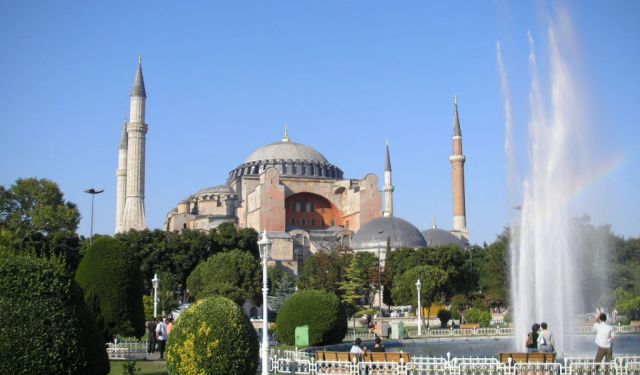
Istanbul City Center Walking Tour
Once called Byzantium, Constantinople, and New Rome, Istanbul has had more name changes over the years than a celebrity avoiding paparazzi... The largest city in Turkey and one of the world’s most historic urban centers, it straddles the Bosphorus Strait like it couldn’t decide whether to sit on its European or Asian side and ultimately opted for both. The result was a cultural smoothie... view more
Tour Duration: 2 Hour(s)
Travel Distance: 4.3 Km or 2.7 Miles
Tour Duration: 2 Hour(s)
Travel Distance: 4.3 Km or 2.7 Miles
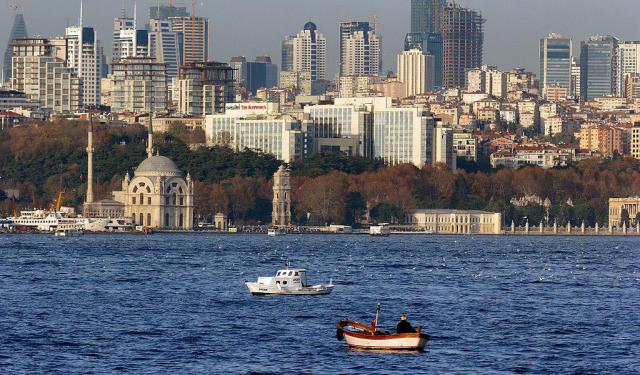
Bosphorus Coast Walking Tour
One of the planet's most praised stretches of water, the Bosphorus is a source of great pride for Istanbulites and of admiration for travelers. The 30-km strait dividing Europe and Asia and connecting the Marmara with the Black Sea is one of the city's highlights, having been for all ages the subject of legend and art.
This self-guided walk will take you along the coast so that you... view more
Tour Duration: 3 Hour(s)
Travel Distance: 5.9 Km or 3.7 Miles
This self-guided walk will take you along the coast so that you... view more
Tour Duration: 3 Hour(s)
Travel Distance: 5.9 Km or 3.7 Miles
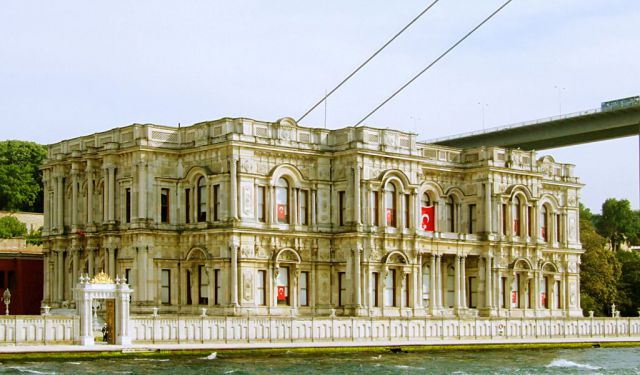
Asian Side and Bosphorus Walking Tour
Istanbul is the only megalopolis in the world that straddles two continents. The Bosphorus Strait splits Turkey's biggest city into two parts: European and Asian. The latter, known locally as Asya Yakası (“Asian Side”), or more commonly as Anadolu Yakası (“Anatolian Side”), is found east of the strait, geographically on the Asian mainland.
The vast Anatolian shore, wrongly... view more
Tour Duration: 2 Hour(s)
Travel Distance: 4.6 Km or 2.9 Miles
The vast Anatolian shore, wrongly... view more
Tour Duration: 2 Hour(s)
Travel Distance: 4.6 Km or 2.9 Miles
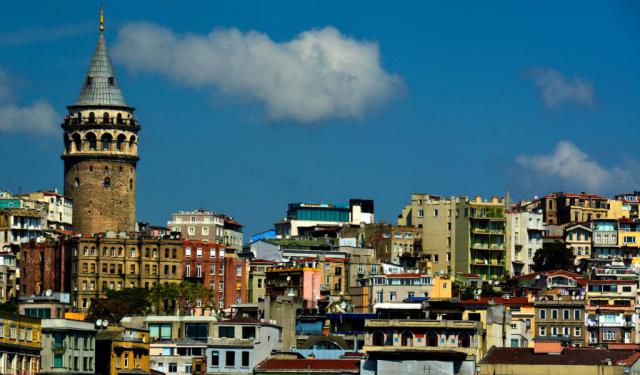
Old European Quarter Walk
Back in the Ottoman era, the Beyoğlu neighborhood (then known as Pera), together with Galata, formed the stylish European Quarter of Istanbul. Home to embassies, trading houses, and Parisian-style apartment blocks, it all looks like it wandered in straight from the French capital. This area was where the city’s non-Islamic communities worked, lived, and possibly argued over the best pastries...... view more
Tour Duration: 2 Hour(s)
Travel Distance: 2.4 Km or 1.5 Miles
Tour Duration: 2 Hour(s)
Travel Distance: 2.4 Km or 1.5 Miles
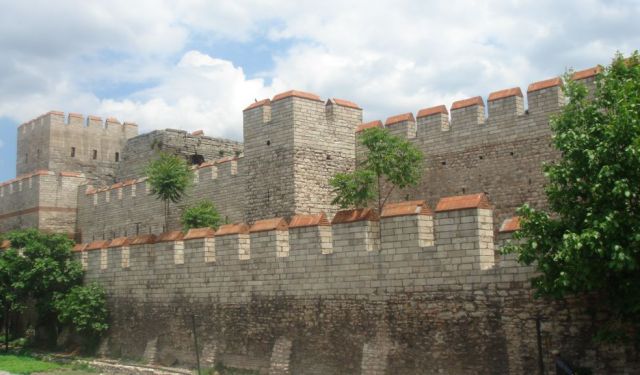
Istanbul City Walls
One of the most elaborate fortification systems of ancient times, the Walls of Constantinople were built by Constantine the Great to protect the city, the then newly-established capital of the Eastern Roman Empire, from attacks by land and sea. Of these, only the Golden Gate, an old ceremonial gateway into the city, had survived by the late Byzantine Era when a new series of land walls were added... view more
Tour Duration: 2 Hour(s)
Travel Distance: 5.2 Km or 3.2 Miles
Tour Duration: 2 Hour(s)
Travel Distance: 5.2 Km or 3.2 Miles
Useful Travel Guides for Planning Your Trip

Istanbul Shopping Guide: 16 Turkish Items To Bring Home
Istanbul, known throughout history as Byzantium and Constantinople, has been a major center of commerce and trade, a place where merchants and general folk would rush to regularly in search of exotic things. In our days, modern travelers to Istanbul are also bound to enjoy a truly magnificent...