

Great Wave Pavilion (Canglang Pavilion), Suzhou
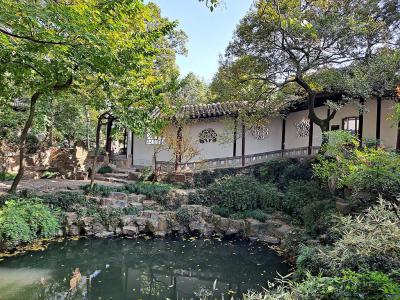
The Great Wave Pavilion, also known as Canglang Pavilion, is one of Suzhou’s oldest surviving classical gardens and a thoughtful place to explore the city’s long tradition of landscape design. Its origins date to the early 11th century, when the poet and statesman Su Shunqin built a retreat here after his political exile. He chose the site for its natural charm, giving it a name inspired by a line from the Songs of the South that praises the clarity of water even when waves rise around it. This blend of literary heritage and garden artistry has remained central to the pavilion’s identity, making it a landmark for those interested in the cultural depth of Jiangnan’s historic gardens.
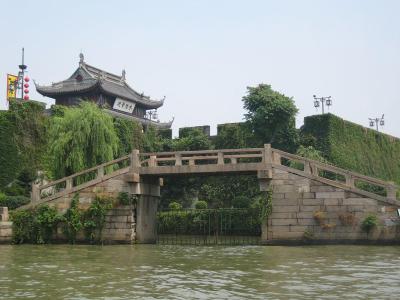
The layout focuses on harmony with the surrounding moat, creating a fluid relationship between architecture and water. Corridors frame views of bamboo groves, rockeries, and pavilions, offering shifting scenes as visitors move through the space. Compared with Suzhou’s more ornate gardens, the Great Wave Pavilion has a quieter, more contemplative character, shaped by its naturalistic design and centuries of renewal. Stone pathways lead toward the central hall and the well-known lattice windows, each carved with distinctive patterns that filter light and frame carefully composed vistas.
A visit here offers insight into early Song-dynasty aesthetics, where simplicity and balance were favored over grandeur. The garden’s enduring appeal lies in its ability to evoke calm, encourage reflection, and connect modern visitors with the poetic sensibilities that shaped Suzhou’s classical landscape tradition.
The layout focuses on harmony with the surrounding moat, creating a fluid relationship between architecture and water. Corridors frame views of bamboo groves, rockeries, and pavilions, offering shifting scenes as visitors move through the space. Compared with Suzhou’s more ornate gardens, the Great Wave Pavilion has a quieter, more contemplative character, shaped by its naturalistic design and centuries of renewal. Stone pathways lead toward the central hall and the well-known lattice windows, each carved with distinctive patterns that filter light and frame carefully composed vistas.
A visit here offers insight into early Song-dynasty aesthetics, where simplicity and balance were favored over grandeur. The garden’s enduring appeal lies in its ability to evoke calm, encourage reflection, and connect modern visitors with the poetic sensibilities that shaped Suzhou’s classical landscape tradition.
Want to visit this sight? Check out these Self-Guided Walking Tours in Suzhou. Alternatively, you can download the mobile app "GPSmyCity: Walks in 1K+ Cities" from Apple App Store or Google Play Store. The app turns your mobile device to a personal tour guide and it works offline, so no data plan is needed when traveling abroad.
Download The GPSmyCity App



Great Wave Pavilion (Canglang Pavilion) on Map
Sight Name: Great Wave Pavilion (Canglang Pavilion)
Sight Location: Suzhou, China (See walking tours in Suzhou)
Sight Type: Attraction/Landmark
Guide(s) Containing This Sight:
Sight Location: Suzhou, China (See walking tours in Suzhou)
Sight Type: Attraction/Landmark
Guide(s) Containing This Sight:
Nearby Sights




Walking Tours in Suzhou, China

Create Your Own Walk in Suzhou
Creating your own self-guided walk in Suzhou is easy and fun. Choose the city attractions that you want to see and a walk route map will be created just for you. You can even set your hotel as the start point of the walk.

Suzhou Old City Walking Tour
"Above there is heaven; below there is Suzhou (and Hangzhou)." Often spoken of in conjunction with Hangzhou, another picturesque city in China, Suzhou is located in the eastern part of the country and is colloquially referred to as the "Water Town of the East," renowned for its waterways and classical gardens, together creating an idyllic setting.
As the cradle of Wu... view more
Tour Duration: 2 Hours
Travel Distance: 4.6 Km or 2.9 Miles
As the cradle of Wu... view more
Tour Duration: 2 Hours
Travel Distance: 4.6 Km or 2.9 Miles