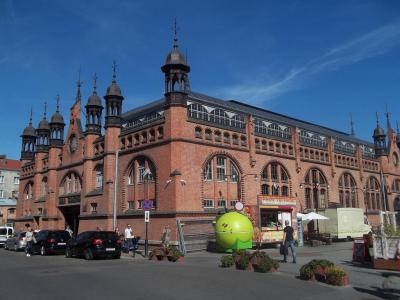


Hala Targowa (Market Hall), Gdansk
The Market Hall was built in 1896 and designed by architect Kurt Fehlhaber. The hall was created to modernize trade by bringing vendors together in a structured indoor space. It stands on the former site of a Dominican monastery demolished in the 19th century.
The building reflects an eclectic architectural style typical of late 19th-century market halls, combining brick construction with a metal roof framework. Its elongated layout is divided into three interior bays by rows of cast-iron pillars, while large semicircular windows and clerestory openings allow natural light to fill the space. Small turret-like features punctuate the roofline, and decorative elements such as buttresses, polygonal forms, and the coat of arms of Gdansk add detail to the exterior.
Originally, the interior accommodated nearly 200 stalls, along with administrative offices and even a police station. Today, the hall continues to operate as a working market, with vendors offering fresh produce, meats, cheeses, baked goods, and regional specialties. A major restoration program begun in 2000 revealed an unexpected feature beneath the hall: the foundations of a Romanesque church associated with the early history of the site. These remains led to the creation of an underground archaeological museum, where visitors can view fragments of the medieval structure, including parts of the nave and chancel.
The building reflects an eclectic architectural style typical of late 19th-century market halls, combining brick construction with a metal roof framework. Its elongated layout is divided into three interior bays by rows of cast-iron pillars, while large semicircular windows and clerestory openings allow natural light to fill the space. Small turret-like features punctuate the roofline, and decorative elements such as buttresses, polygonal forms, and the coat of arms of Gdansk add detail to the exterior.
Originally, the interior accommodated nearly 200 stalls, along with administrative offices and even a police station. Today, the hall continues to operate as a working market, with vendors offering fresh produce, meats, cheeses, baked goods, and regional specialties. A major restoration program begun in 2000 revealed an unexpected feature beneath the hall: the foundations of a Romanesque church associated with the early history of the site. These remains led to the creation of an underground archaeological museum, where visitors can view fragments of the medieval structure, including parts of the nave and chancel.
Want to visit this sight? Check out these Self-Guided Walking Tours in Gdansk. Alternatively, you can download the mobile app "GPSmyCity: Walks in 1K+ Cities" from Apple App Store or Google Play Store. The app turns your mobile device to a personal tour guide and it works offline, so no data plan is needed when traveling abroad.
Download The GPSmyCity App



Hala Targowa (Market Hall) on Map
Sight Name: Hala Targowa (Market Hall)
Sight Location: Gdansk, Poland (See walking tours in Gdansk)
Sight Type: Attraction/Landmark
Guide(s) Containing This Sight:
Sight Location: Gdansk, Poland (See walking tours in Gdansk)
Sight Type: Attraction/Landmark
Guide(s) Containing This Sight:
Nearby Sights

Walking Tours in Gdansk, Poland

Create Your Own Walk in Gdansk
Creating your own self-guided walk in Gdansk is easy and fun. Choose the city attractions that you want to see and a walk route map will be created just for you. You can even set your hotel as the start point of the walk.
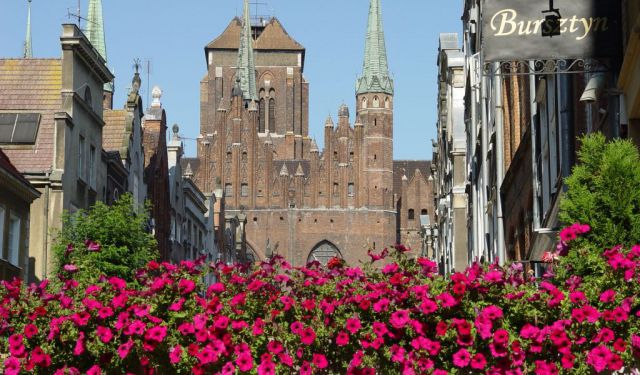
Gdansk's Historical Churches Tour
Gdansk has a long history of Catholicism, hence the abundance of spectacular churches here. Let's delve into some of the most impressive temples that grace the cityscape and see what they are.
Saint John's Church, a Gothic masterpiece, stands tall in the heart of Gdansk. It dates back to the 14th century and features impressive brickwork and intricate details. Its towering spire is a... view more
Tour Duration: 1 Hour
Travel Distance: 1.6 Km or 1 Miles
Saint John's Church, a Gothic masterpiece, stands tall in the heart of Gdansk. It dates back to the 14th century and features impressive brickwork and intricate details. Its towering spire is a... view more
Tour Duration: 1 Hour
Travel Distance: 1.6 Km or 1 Miles
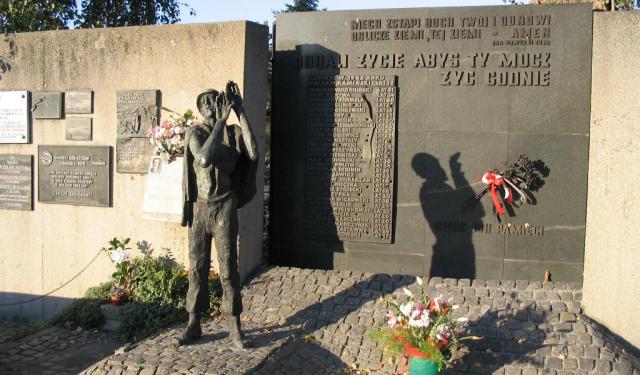
Solidarity Union Walking Tour
For decades, the word “Solidarity” has been synonymous with the city of Gdansk. The peaceful Solidarity revolution, started here in the August of 1980, marked the outset of the fall of communism not only in Poland but also throughout Eastern Europe.
Stemmed from the country's first free labor union born out of strikes at the Lenin Shipyard, now the Gdansk Shipyard,... view more
Tour Duration: 1 Hour
Travel Distance: 0.8 Km or 0.5 Miles
Stemmed from the country's first free labor union born out of strikes at the Lenin Shipyard, now the Gdansk Shipyard,... view more
Tour Duration: 1 Hour
Travel Distance: 0.8 Km or 0.5 Miles
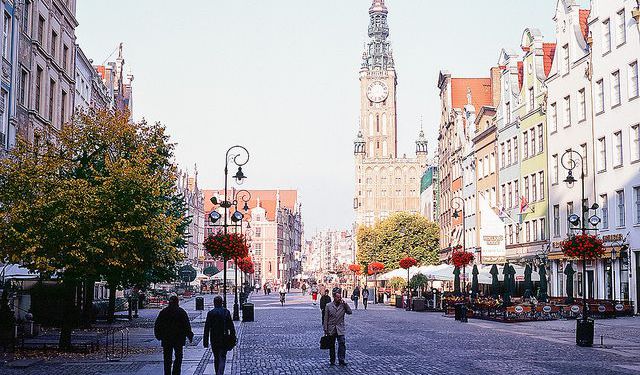
Gdansk Old Town Walking Tour
Standing between river and sea, Gdansk has spent a thousand years welcoming arrivals and surviving departures.
Where the Motława River meets the Baltic Sea, Gdansk has long stood at the crossroads of trade, politics, and culture. Its name is believed to derive from “Gdania”, an early name for the river flowing through the settlement, though some linguists connect it to old Slavic words... view more
Tour Duration: 2 Hours
Travel Distance: 2.2 Km or 1.4 Miles
Where the Motława River meets the Baltic Sea, Gdansk has long stood at the crossroads of trade, politics, and culture. Its name is believed to derive from “Gdania”, an early name for the river flowing through the settlement, though some linguists connect it to old Slavic words... view more
Tour Duration: 2 Hours
Travel Distance: 2.2 Km or 1.4 Miles
City Walks Overview
