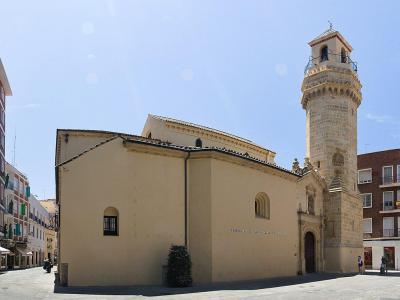


Iglesia de San Nicolas de la Villa (Church of St. Nicholas de la Villa), Cordoba
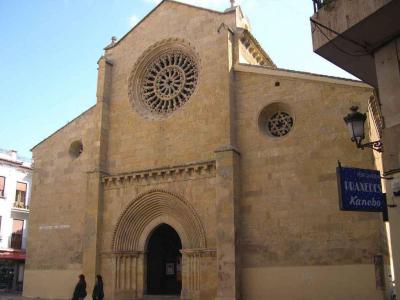
San Nicolás de la Villa is among the twelve Fernandine churches constructed in the city following its conquest by King Ferdinand III of Castile in 1236. The church's style is Gothic-Mudéjar, though it was completed only in the following centuries with much renovation added in the meantime. The octagonal tower has a defensive appearance and was rebuilt during the Catholic Monarchs' reign above an older Islamic minaret.
One of the most striking features of the church is the main portal, which is in Renaissance style and was added by Hernán Ruiz the Younger in the 16th century. The church's baptistery dates back to 1555. The church has an almost square floor plan with three naves without a transept, and it conserves the original Gothic-Mudejar structure.
The church's tower has a marked military air and was built on the remains of an Islamic minaret. The main doorway was constructed in the 16th century and shows the influence of the Renaissance and Mannerist styles.
Saint Nicholas de la Villa is an important example of the architecture of the Fernandine churches in Córdoba, and it is well worth a visit for those interested in the history and architecture of southern Spain.
The façade of the church is a mix of Romanesque, Gothic, and Baroque styles. The entrance portal is Gothic, with pointed arches and elaborate decorations. The rose window above the portal is a beautiful example of Romanesque art. The upper part of the façade is Baroque, with a curved pediment and decorative elements that include cherubs, angels, and other figures.
Inside the church, the nave is divided into three sections by rows of Gothic arches, which support a wooden ceiling with ornate carvings. The walls are decorated with frescoes that depict scenes from the life of Christ and the Virgin Mary. The chancel is separated from the nave by an elegant arch, and it features an altar and several Baroque sculptures.
One of the most striking features of the church is the main portal, which is in Renaissance style and was added by Hernán Ruiz the Younger in the 16th century. The church's baptistery dates back to 1555. The church has an almost square floor plan with three naves without a transept, and it conserves the original Gothic-Mudejar structure.
The church's tower has a marked military air and was built on the remains of an Islamic minaret. The main doorway was constructed in the 16th century and shows the influence of the Renaissance and Mannerist styles.
Saint Nicholas de la Villa is an important example of the architecture of the Fernandine churches in Córdoba, and it is well worth a visit for those interested in the history and architecture of southern Spain.
The façade of the church is a mix of Romanesque, Gothic, and Baroque styles. The entrance portal is Gothic, with pointed arches and elaborate decorations. The rose window above the portal is a beautiful example of Romanesque art. The upper part of the façade is Baroque, with a curved pediment and decorative elements that include cherubs, angels, and other figures.
Inside the church, the nave is divided into three sections by rows of Gothic arches, which support a wooden ceiling with ornate carvings. The walls are decorated with frescoes that depict scenes from the life of Christ and the Virgin Mary. The chancel is separated from the nave by an elegant arch, and it features an altar and several Baroque sculptures.
Want to visit this sight? Check out these Self-Guided Walking Tours in Cordoba. Alternatively, you can download the mobile app "GPSmyCity: Walks in 1K+ Cities" from Apple App Store or Google Play Store. The app turns your mobile device to a personal tour guide and it works offline, so no data plan is needed when traveling abroad.
Download The GPSmyCity App



Iglesia de San Nicolas de la Villa (Church of St. Nicholas de la Villa) on Map
Sight Name: Iglesia de San Nicolas de la Villa (Church of St. Nicholas de la Villa)
Sight Location: Cordoba, Spain (See walking tours in Cordoba)
Sight Type: Religious
Sight Location: Cordoba, Spain (See walking tours in Cordoba)
Sight Type: Religious
Nearby Sights
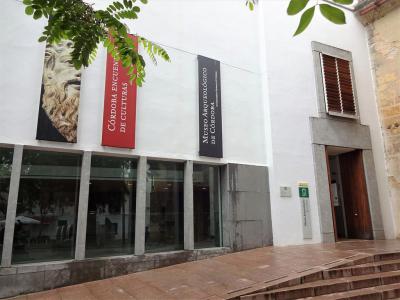
Walking Tours in Cordoba, Spain

Create Your Own Walk in Cordoba
Creating your own self-guided walk in Cordoba is easy and fun. Choose the city attractions that you want to see and a walk route map will be created just for you. You can even set your hotel as the start point of the walk.
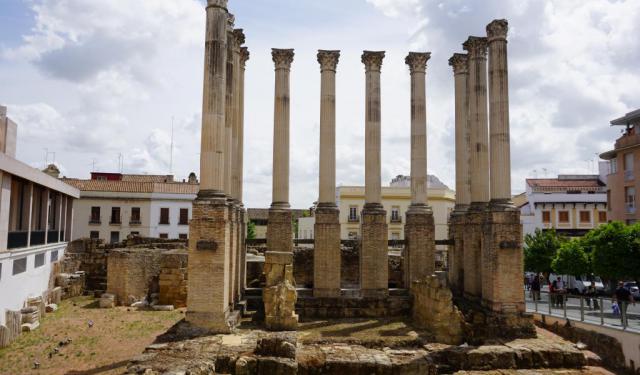
Ancient Roman Sites Walking Tour
Under all in Cordoba lies a once redoubtable Roman strongpoint. After Scipio's defeat of the Carthaginians in Llipa, the victorious Romans set up camp by the Guadalquivir River.
Under Augustus, the city gained the status of Colonia Patricia. A perimeter wall was built touching the Guadalquivir River. There were two forums, colonial and provincial. A large amphitheater has been uncovered.... view more
Tour Duration: 1 Hour
Travel Distance: 2.5 Km or 1.6 Miles
Under Augustus, the city gained the status of Colonia Patricia. A perimeter wall was built touching the Guadalquivir River. There were two forums, colonial and provincial. A large amphitheater has been uncovered.... view more
Tour Duration: 1 Hour
Travel Distance: 2.5 Km or 1.6 Miles
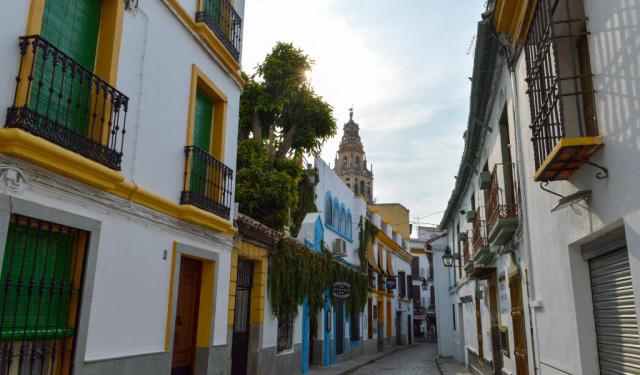
Cordoba Jewish Quarter Walk
Córdoba’s Jewish Quarter is one of the most atmospheric and historically rich districts of the city, located within the UNESCO-listed historic center. Its origins trace back to the Roman period, but it flourished most prominently during the Middle Ages, when Córdoba stood as one of the most important intellectual and cultural centers in Europe.
Under Muslim rule from the 8th to the 13th... view more
Tour Duration: 1 Hour
Travel Distance: 0.4 Km or 0.2 Miles
Under Muslim rule from the 8th to the 13th... view more
Tour Duration: 1 Hour
Travel Distance: 0.4 Km or 0.2 Miles
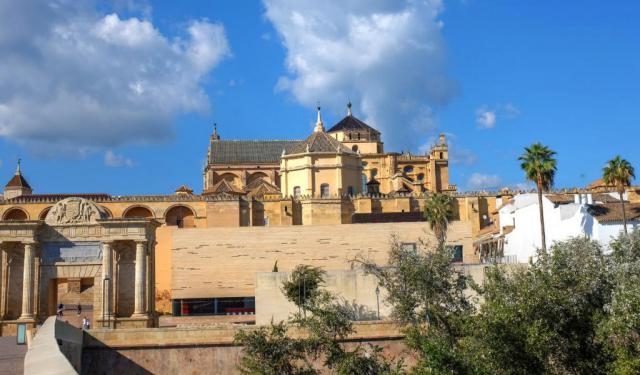
Cordoba Introduction Walking Tour
Córdoba treats history like a sculptor treats marble-layered, chiseled, and ever revealing something new. Situated in Andalusia, this city has seen empires rise, and its story spans over 2,200 years. Originally named Qart Juba by the Carthaginians, it was refounded in 206 BC by the Romans as Corduba. As the capital of the province Hispania Ulterior, it had to prove its reputation by having its... view more
Tour Duration: 2 Hours
Travel Distance: 3.3 Km or 2.1 Miles
Tour Duration: 2 Hours
Travel Distance: 3.3 Km or 2.1 Miles